


Victorian Cuff Bracelet
A victorian cuff bracelet is a substantial wrist ornament of historical weight, prized for intricate metalwork and enduring romantic symbolism.
Victorian Cuff Bracelet
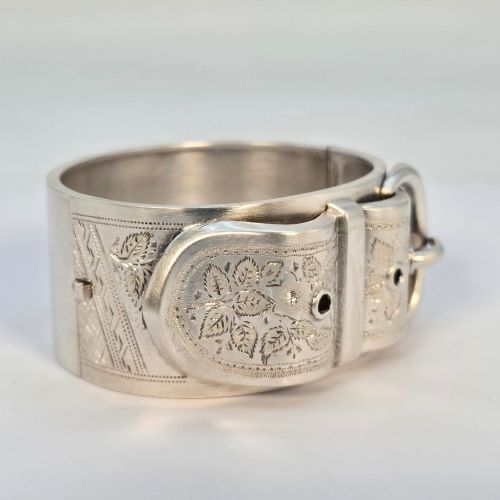
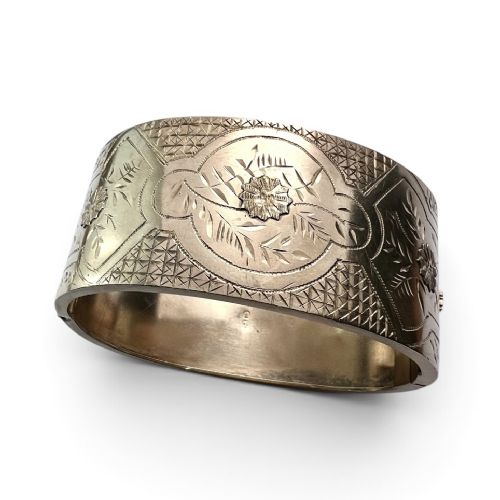
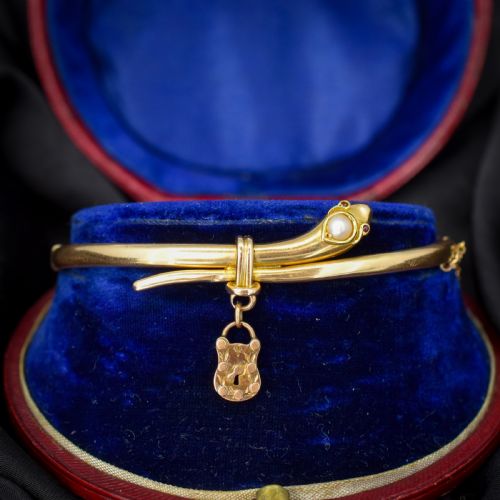
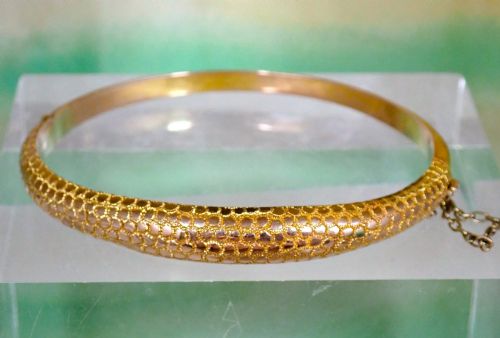
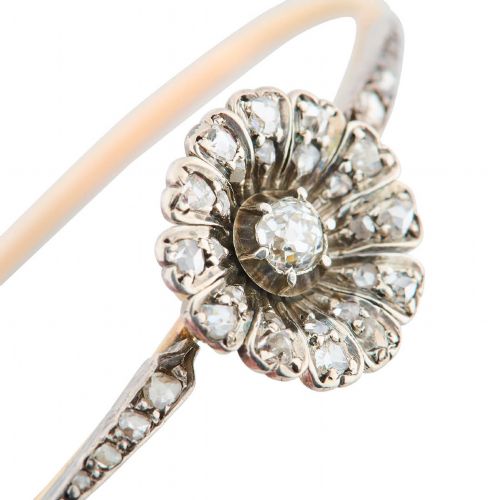
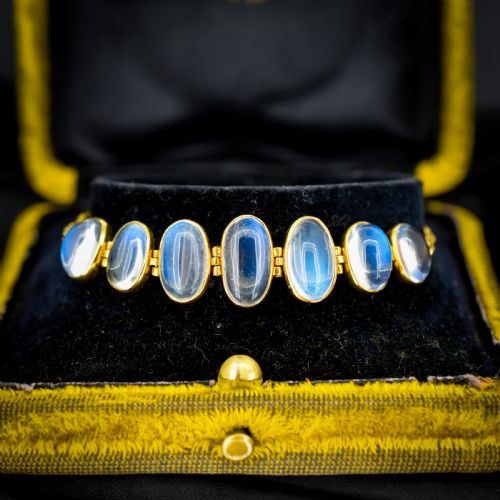
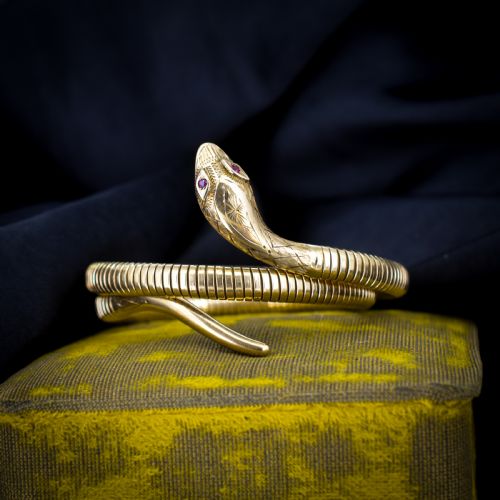
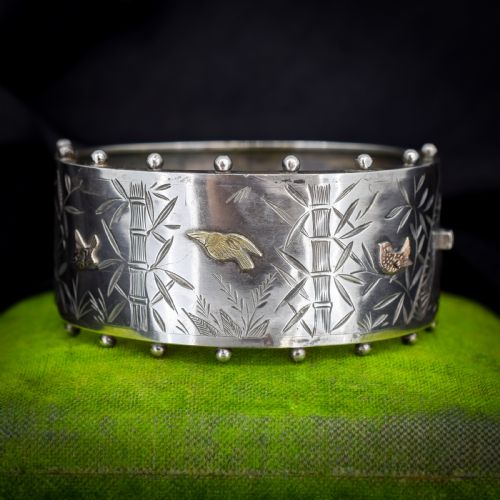
A victorian cuff bracelet spans solid silver and warm gold constructions, often appearing as hinged bangles or wide bands designed to sit securely on the wrist. These pieces frequently incorporate distinct motifs such as floral engravings, serpents, and geometric aesthetic patterns.
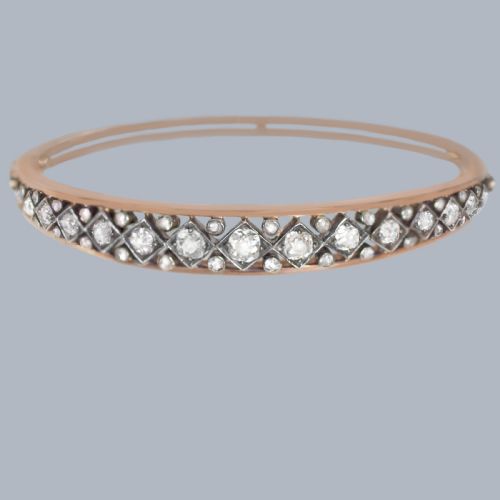
The selections available here range from austere sterling silver pieces to complex gem-set designs featuring diamonds, pearls, and coloured stones. Most examples originate from the nineteenth century, reflecting the stylistic shifts from early Victorian sentimentality to later aesthetic and revival movements.
Buyers will encounter both slender bangles and broad architectural cuffs, sometimes accented with gold overlay or delicate chasing. The predominant forms maintain the rigid circular or oval profile characteristic of nineteenth-century wristwear.
Materials and Construction
Metals form the structural backbone of these items, utilising sterling silver, rose gold, yellow gold in various carats, and gold fill. Artisans combined these metals with decorative techniques like chasing, engraving, and applied silver and gold wirework.
Gemstones such as diamonds, seed pearls, turquoise, coral, garnets, and amethysts are flush or bezel set into the metal frameworks. Hinged mechanisms and secure box clasps allowed rigid bracelets to open and fit closely around the wrist.
The inventory spans the Victorian, Edwardian, and Aesthetic Movement periods, alongside mid-century interpretations.
Craftsmanship and Material Quality
The choice of materials dictates the standing of the piece, with solid higher-carat golds and finely matched natural gems elevating the work above standard silver-plated or lighter hollow constructions. Intricate details like enamel inlay or multi-colored gold applications require advanced bench skill that separates standard items from exceptional ones.
The Victorian Cuff Bracelet Glossary
- Bangle
- A rigid bracelet that slips over the hand or opens via a hinge. These forms dominate nineteenth-century wristwear.
- Sterling silver
- An alloy containing ninety-two point five percent silver by mass. This material provides durability for detailed repoussé work.
- Old mine cut
- An early diamond cut featuring a roughly square girdle and high crown. This shape is typical of nineteenth-century jewellery.
- Seed pearl
- A very small natural or cultured pearl, often drilled and threaded onto wire. These adorn floral and sentimental clusters.
- Repoussé
- A metalworking technique where the artisan hammers the design from the reverse side to form a raised relief. This creates the three-dimensional floral motifs seen on wide cuffs.
Victorian Cuff Bracelet: Frequently Asked Questions
How do I secure a hinged cuff?
Most hinged cuffs use a concealed box clasp paired with a safety chain for added security during wear.
Ensure the tongue clicks firmly into the box housing before releasing the bracelet.
Are these bracelets sized for daily wear?
Nineteenth-century wristwear often accommodates smaller modern wrists due to historical sizing standards.
Check the inner diameter and circumference measurements listed for each individual piece.
What metals were used in Victorian cuffs?
Jewellery from this era incorporates sterling silver, various carats of yellow and rose gold, and gold-filled compositions.
Bi-metal combinations utilising both silver and gold on a single piece are also common.
How do I identify an aesthetic movement piece?
Aesthetic movement designs favour stylized natural forms, bird motifs, and asymmetrical Japanese-inspired compositions.
These pieces often feature restrained engraving rather than heavy gemstone settings.