





Antique Silver Wristband
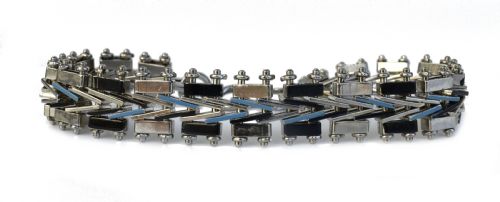
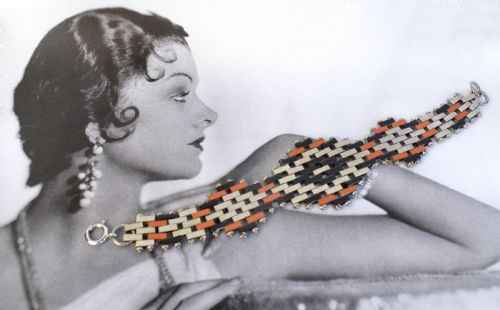
An antique silver wristband offers a wearable piece of history, ranging from robust Victorian hinged cuffs to sleek Art Deco geometric links.
Antique Silver Wristband
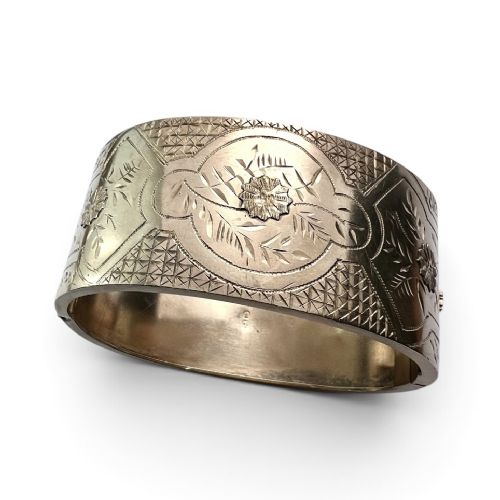
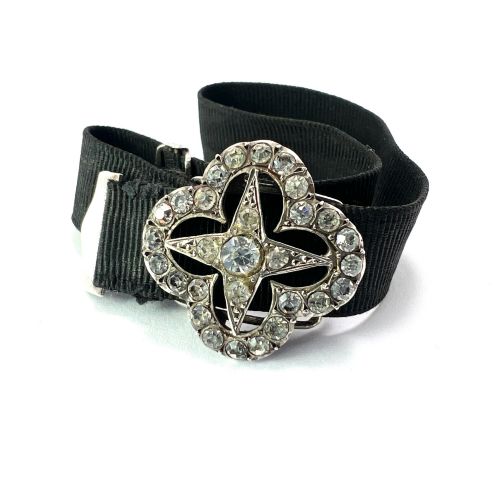
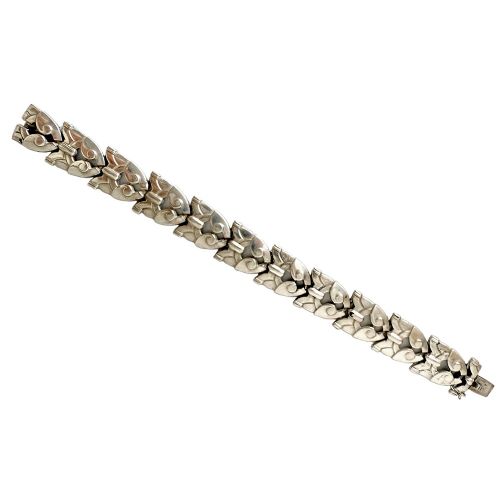
When you search for an antique silver wristband, you encounter a variety of arm ornaments spanning the Victorian, Edwardian, and Art Deco periods. These pieces encompass hinged cuffs, linked bracelets, buckled bangles, and ribbon sliders.
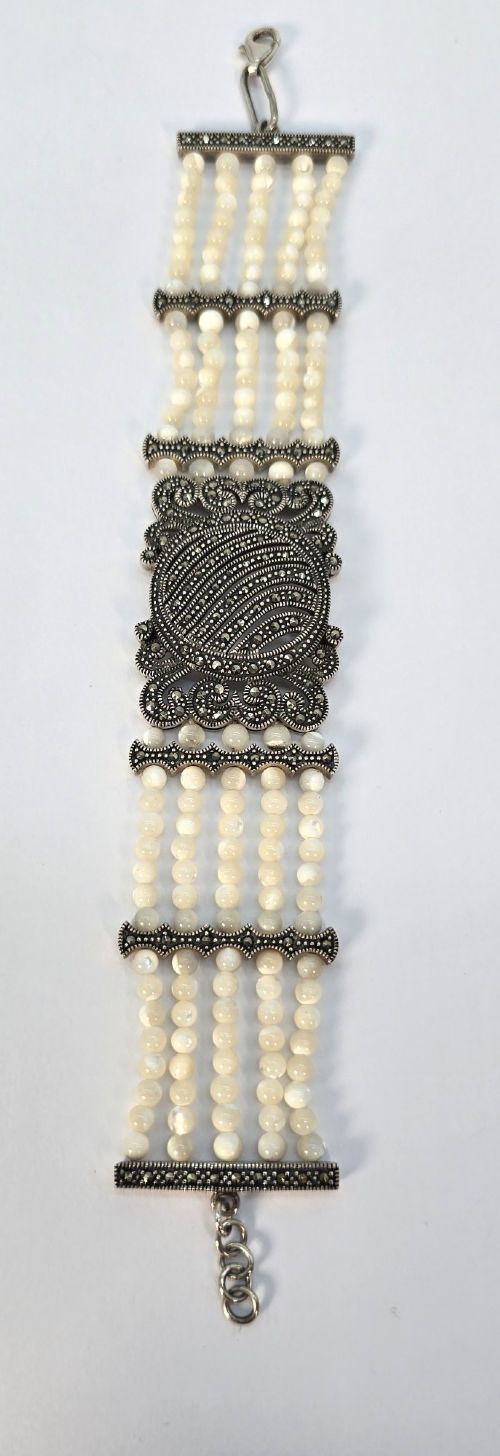
The versions you are most likely to meet on this page include sterling silver Victorian bangles and geometric Art Deco links. They utilise materials such as enamel, mother of pearl, marcasite, and paste alongside silver.
Originating across different European aesthetic movements, these items reflect the changing fashions of the nineteenth and twentieth centuries. Jugendstil and Art Deco designs sit alongside traditional Victorian forms.
How they were made
Maker's workshops constructed these items using sterling silver and chromium frameworks to house decorative elements. Artisans set marcasite, paste, and mother of pearl into metal mounts to catch the light.
Enamel work adds vibrant colour to many pieces, particularly within the Art Deco and Jugendstil examples. Metal smiths also linked individual silver coins and geometric plates together to create flexible bands.
Listings span the Victorian, Edwardian, and Art Deco eras, featuring sterling silver, chromium, enamel, and mother of pearl.
What varies in quality
The sophistication of the decorative settings distinguishes standard pieces from superior examples. Precision in geometric metalwork and the careful placement of enamel or marcasite stones elevate the piece.
Construction methods also dictate quality, noticeable in the durability of hinged cuffs and the secure integration of clasps and ribbons. Intricate detailing on Victorian buckles and Jugendstil motifs shows greater artisanal investment.
Jakob Bengel·Fahrner and Bennett
The Antique Silver Wristband Glossary
- Bangle
- A rigid ring or cuff worn around the wrist, often featuring a hinged opening for ease of wear. Victorian examples frequently utilise this solid structural form.
- Marcasite
- Small, faceted pyrite stones polished and set closely together to resemble diamonds. They provide a dark metallic sparkle in Edwardian and Art Deco jewellery.
- Paste
- Cut and polished glass used as a gemstone substitute in historical jewellery. It allows for vibrant colour and brilliant light reflection.
- Jugendstil
- The German variant of Art Nouveau, characterised by fluid, organic lines and natural motifs. It flourished around the turn of the twentieth century.
- Grosgrain
- A strong, ribbed silk fabric often utilised for ribbon slider bracelets. It provides a soft contrast to metal components.
Antique Silver Wristband: Frequently Asked Questions
How do I date a silver wristband?
Dating relies on stylistic clues, materials, and construction techniques specific to different eras. Victorian pieces often feature heavy silver hinged cuffs and buckle designs, whilst 1930s examples lean towards chromium and geometric enamel.
Examining the use of marcasite, paste, or coin elements also helps place the jewellery within its correct historical decade.
Were these bracelets worn daily?
Many historical bracelets served as everyday accessories for fashionable women of the nineteenth and early twentieth centuries. Robust sterling silver hinged bangles suited regular wear, while delicate ribbon sliders and paste items were reserved for finer occasions.
Durability varied depending on whether the piece utilised solid silver or lighter chromium settings.
What materials decorate these bracelets?
Jewellers adorned silver frameworks with a variety of decorative substances including enamel, mother of pearl, and marcasite. Paste stones provided an accessible alternative to precious gems.
Some designs integrated unusual elements like woven grosgrain ribbon or foreign silver coinage.