





Victorian Crystal Holders
Victorian crystal holders are illuminating objects of glass and metal designed to catch the light, and these pieces bring period elegance to any room.
Victorian Crystal Holders
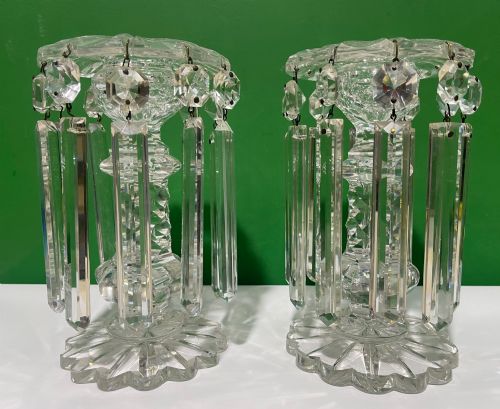
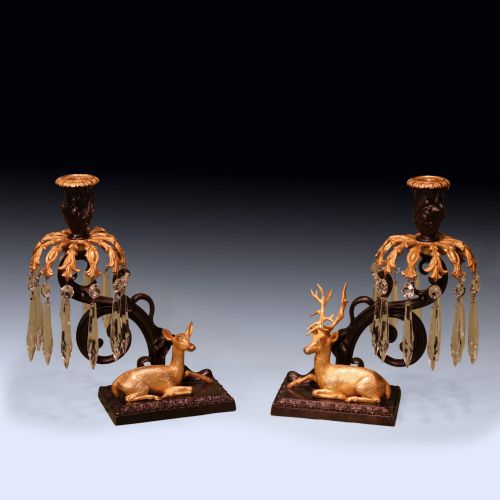
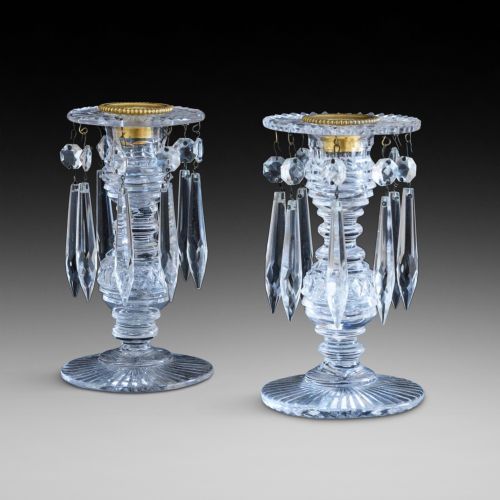
When you search for victorian crystal holders, you encounter a varied selection of table lustres, candlesticks, and candelabra that incorporate cut glass or crystal elements. These items frequently date from the nineteenth century, spanning periods from Regency through to Edwardian production, with strong representation from the Victorian era itself.
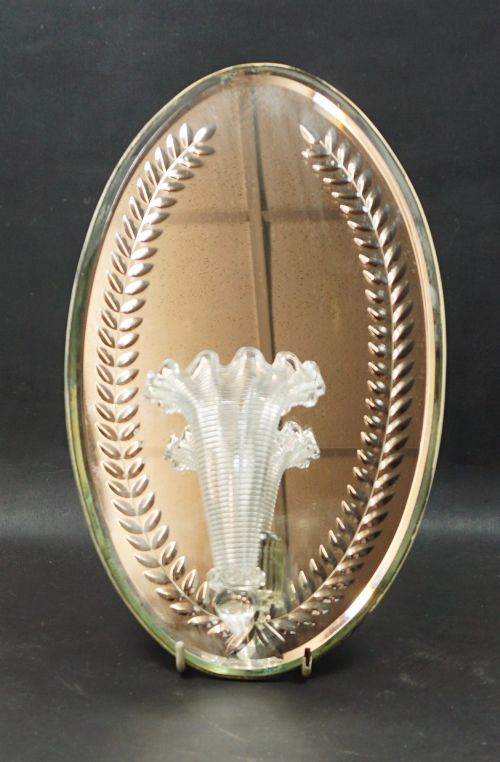
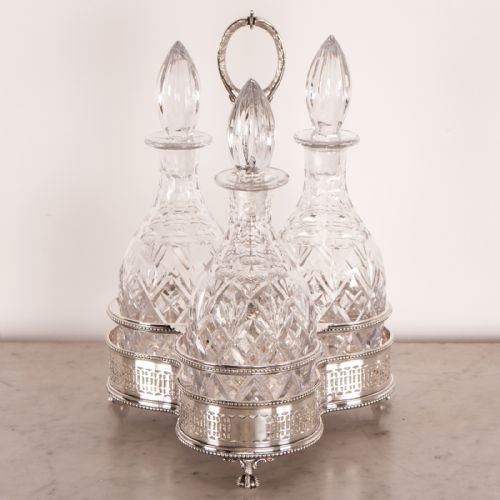
The objects listed on this page encompass functional items designed for illumination alongside display pieces such as mantle lustres and decanter stands. Glass elements combined with silver plate, brass, or gilt bronze appear throughout the inventory, reflecting the decorative preferences of nineteenth-century interiors.
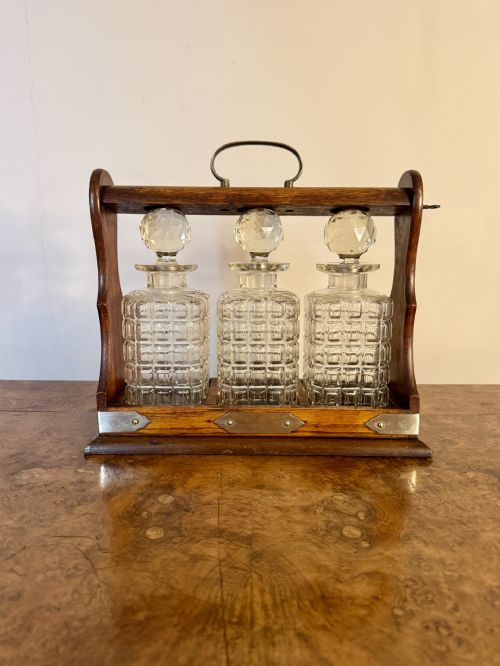
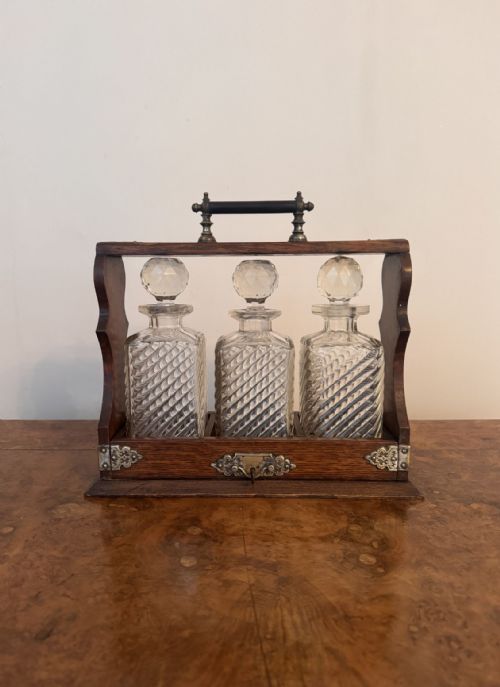
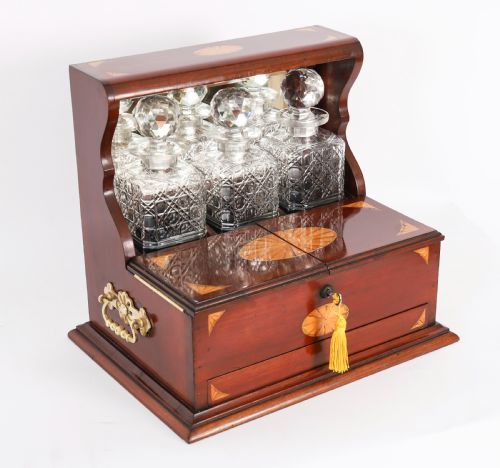
Table lustres set with hanging glass prisms represent a prominent portion of these pieces, alongside fitted decanter sets and tantalus frames housed in oak or satinwood. Buyers find both pairs of candlesticks and single centrepieces configured for domestic display.
How they were made
Glassmakers utilised techniques of cutting, moulding, and overlaying to create faceted surfaces that refracted light. Flash glass and coloured glass layers were cut back to reveal contrasting underlayers, particularly in ruby and green tones.
Metal mounts and frames relied on silver plating over base metals, cast brass, gilt bronze, and ormolu. Artisans secured glass drops to arms and rims using wire or pinned fittings, uniting heavy glass bodies with sturdy metallic bases.
Victorian Crystal Holders Retail Price Guide 2026
Typical asking prices for victorian crystal holders among the pieces listed under this phrase on Sellingantiques today, from the lower quarter to the upper quarter. They describe what is for sale here now, not the wider market.
Listings feature items from the Regency, Victorian, and Edwardian periods, constructed in cut glass, crystal, silver plate, brass, and gilt bronze.
What varies in quality
The distinction between standard production and finer pieces rests on the crispness of the glass cutting and the weight of the metal framework. Deeply faceted crystal and substantial cast bronze or plated mounts indicate superior manufacture compared to lighter, pressed alternatives.
Completeness dictates much of the appeal in lustre sets and decanter frames. Retaining the full complement of matching glass prisms and original stoppers distinguishes better-preserved examples from those with replacements.
Walker & Hall·Elkington·Clarke
The Victorian Crystal Holders Glossary
- Lustre
- A decorative tabletop candlestick or vase fitted with hanging glass prisms designed to catch and reflect candlelight.
- Tantalus
- A locking wooden or metal frame holding decanters of spirits, engineered to display the bottles while preventing unauthorised access.
- Ormolu
- Gilt bronze mounted onto decorative objects, providing a bright golden finish through a mercury amalgamation process.
- Overlay glass
- A vessel formed of two or more distinct layers of glass of different colours, where portions of the outer layer are cut away to expose the base colour.
Victorian Crystal Holders: Frequently Asked Questions
How do I clean antique glass lustres?
Dust the glass elements gently with a soft brush and wipe components with a damp cloth.
Avoid submerging metal-mounted pieces in water to protect silver plating and joined fittings.
Were crystal holders used for candles?
Many table lustres and candelabra held wax candles to illuminate nineteenth-century dining tables and mantelpieces.
Some variants incorporated glass shades or prisms specifically to diffuse and magnify the flickering flame.
What is a tantalus?
A tantalus is a secure stand that holds decanters behind a locking wooden bar.
The design allowed hosts to display fine spirits while restricting access to household staff.
How can I tell the period?
Dating relies upon stylistic markers such as neoclassical gilt bronze mounts or heavy Victorian cut crystal.
Patent marks and maker stamps on silver-plated bases also provide specific production eras.