





Antique Crystal Candleholders
Antique crystal candleholders bring sparkle and illumination to a room, offering period charm through cut glass, brass, and coloured glass forms.
Antique Crystal Candleholders
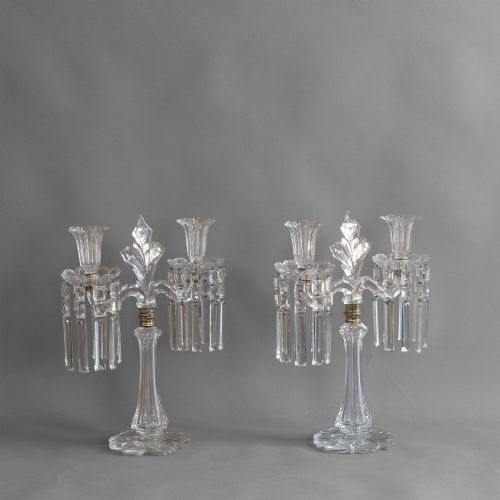
When searching for antique crystal candleholders, you encounter a variety of forms including candlesticks, candelabras, and mantel lustres. These pieces span the Victorian and Edwardian periods, stretching from the mid nineteenth century into the early twentieth century.
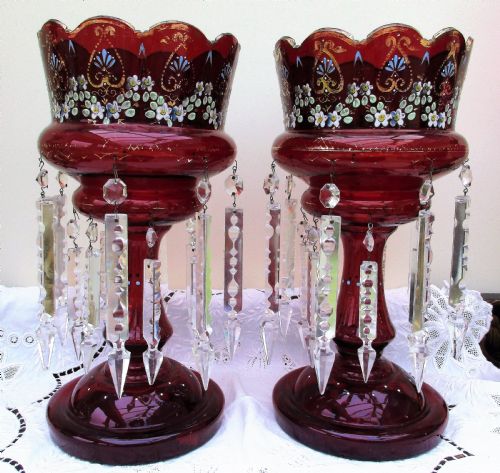
The most common survivors on this page are pairs of table and mantle lustres, alongside cut glass candlesticks and multi armed candelabra. Pieces originate from English, Continental, and Bohemian workshops, often fashioned from flash glass or ruby glass.
Makers utilised brass, gold leaf, and enamel alongside clear crystal and coloured glass to create decorative lighting for the home. Styles range from simple Victorian designs to French Rococo Revival and Louis XVI interpretations.
Materials and construction
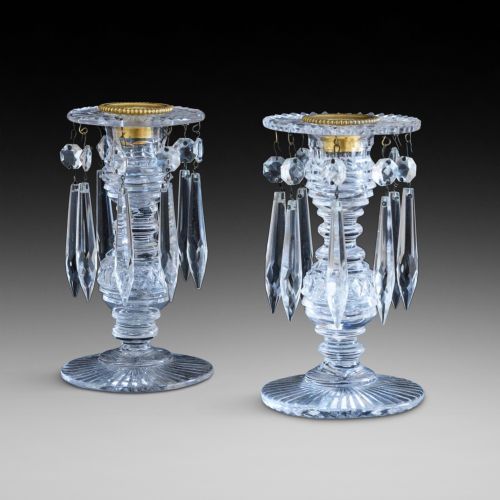
Glass is blown or moulded, then shaped into bodies and bases, while cut crystal components receive facets by hand to catch the light. Lustres frequently feature hanging glass prisms suspended from rims to enhance their brilliance.
Brass and bronze provide structural support for multi branched candelabra, sometimes decorated with gold leaf or enamel details. Coloured effects rely on ruby glass, cranberry glass, and green glass, often executed as flash glass layers over a clear base.
Antique Crystal Candleholders Retail Price Guide 2026
Typical asking prices for crystal candleholders among the pieces listed under this phrase on Sellingantiques today, from the lower quarter to the upper quarter. They describe what is for sale here now, not the wider market.
Listings feature Victorian and Edwardian pieces, incorporating ruby glass, cranberry glass, brass, and cut crystal forms.
Judging quality in antique glass
Depth of cutting and clarity of the crystal distinguish finer pieces from simpler commercial wares, with hand cut facets offering sharper edges and greater light refraction. The weight of the glass and the stability of the brass or bronze mounts indicate superior manufacture.
Completeness dictates worth in lustres and candelabra, where matching sets of hanging glass prisms must remain intact. The richness of coloured flash glass and the crispness of enamel or gilt decoration also separate standard examples from finer works.
The Antique Crystal Candleholders Glossary
- Lustre
- A decorative glass vase or candlestick fitted with a ring of hanging crystal prisms. These pendants catch and scatter candle flame illumination.
- Flash glass
- Glass formed by fusing a thin layer of coloured glass over a thicker body of clear glass. Craftsmen then cut through the coloured layer to reveal the clear glass beneath.
- Candelabra
- A branched candlestick holding multiple candles on separate arms. They often combine brass frames with cut crystal drops.
- Girandole
- An ornamental branched candlestick or candelabra, frequently mounted with a mirror backplate. They reflect candlelight around the room.
Antique Crystal Candleholders: Frequently Asked Questions
What is a mantle lustre?
A mantle lustre is an ornamental glass vase decorated with hanging crystal prisms designed to sit on a fireplace mantelpiece. They became particularly popular during the Victorian era.
While they can hold candles, many functioned primarily as decorative mantel ornaments that sparkled in the firelight.
How do I clean antique glass?
Wash glass components gently using lukewarm water and a mild soap. Remove hanging prisms individually to clean them thoroughly before reattaching.
Avoid harsh chemicals and abrasive cloths that can scratch old crystal or damage gilt and enamel details on the glass surface.
Are these pieces electrified?
Most pieces listed here remain in their original candle holding configuration without modern electrical wiring. They were designed specifically for tallow or wax candles.
Converting them for electricity is possible through professional rewiring, though many collectors prefer to keep them in their original state.
How do I date ruby glass?
Ruby glass and cranberry glass pieces frequently date from the nineteenth century, particularly the Victorian period. Makers achieved the rich red colour by adding gold chloride to the molten glass mixture.
Examining the pontil mark on the base and the style of the cutting helps narrow down the manufacturing decade.