
Victorian Crested Mirror
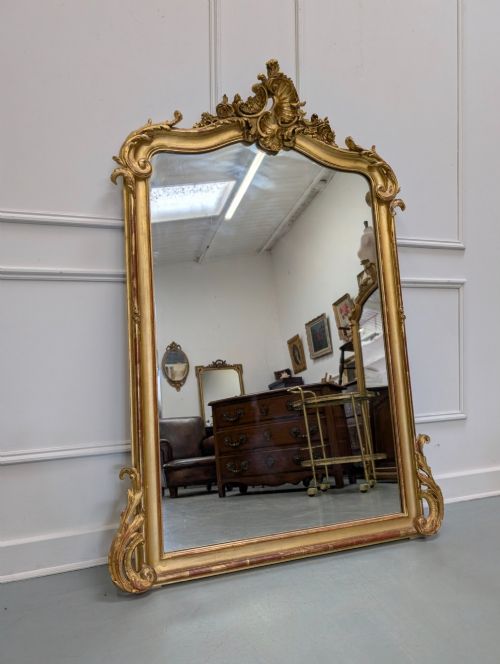
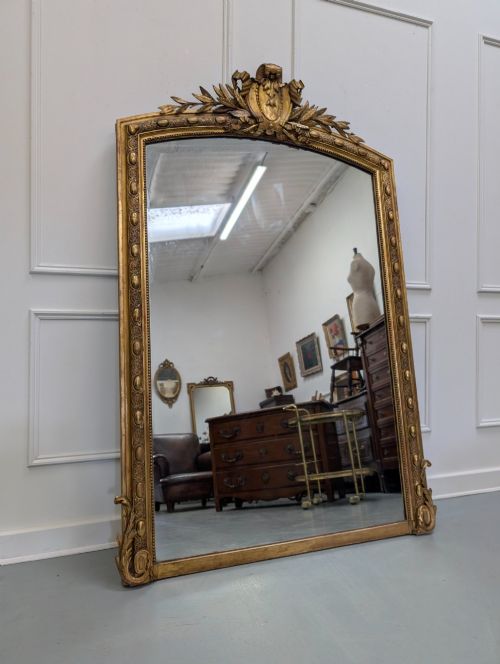
A victorian crested mirror brings nineteenth-century presence to a room, offering the carved wooden or gilded detail that defines the period.
Victorian Crested Mirror
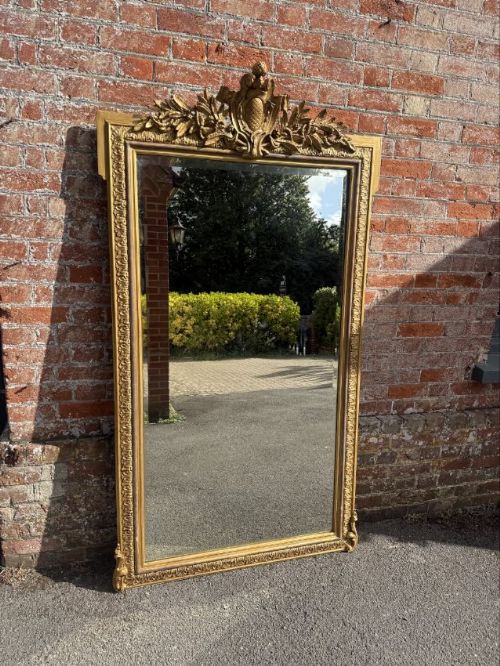
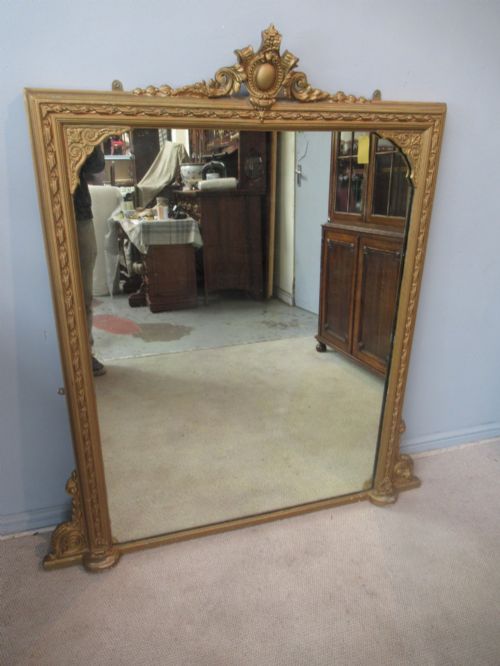
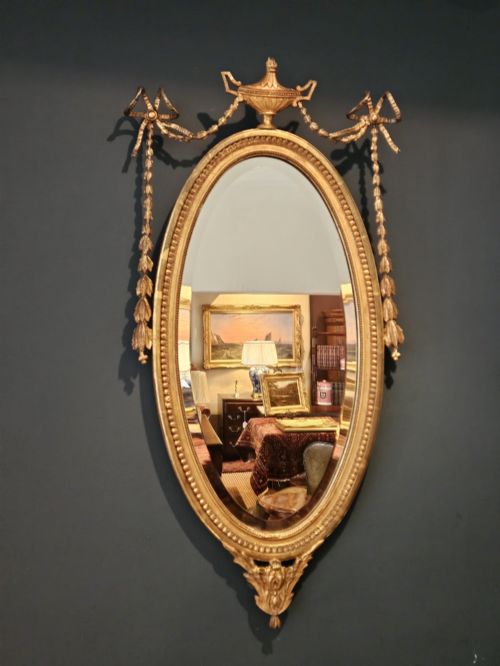
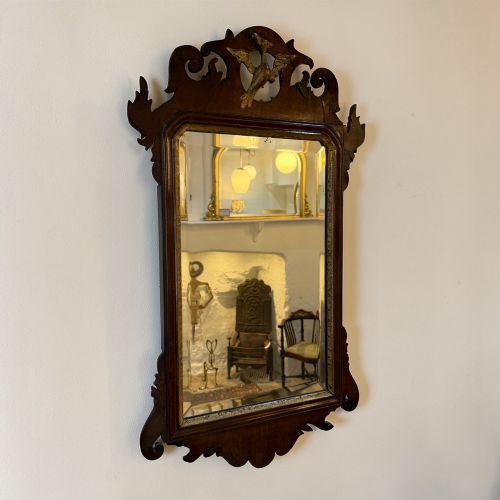
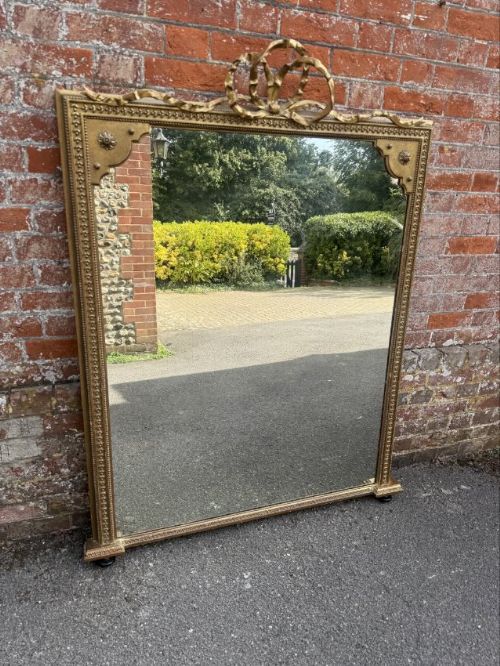
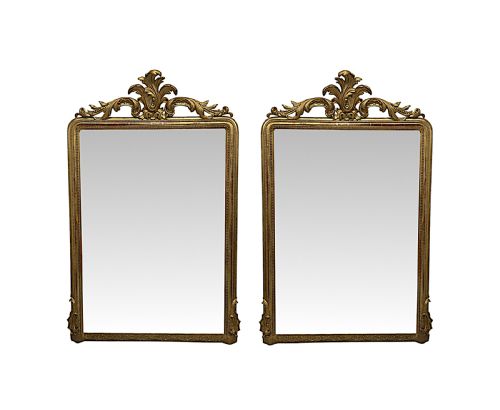
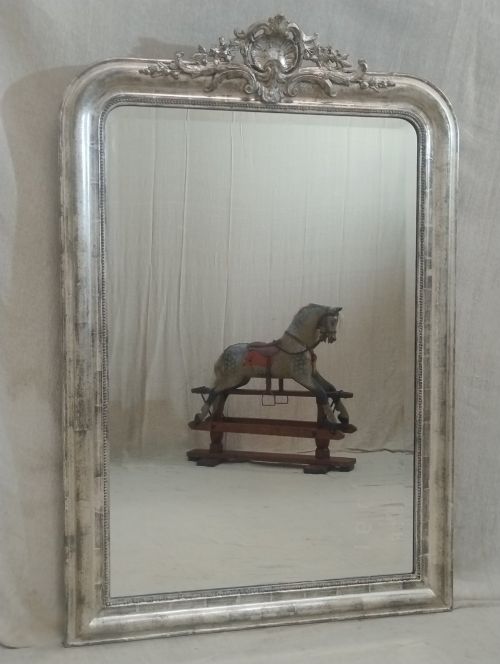
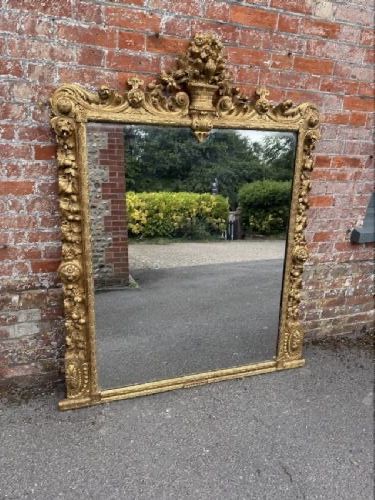
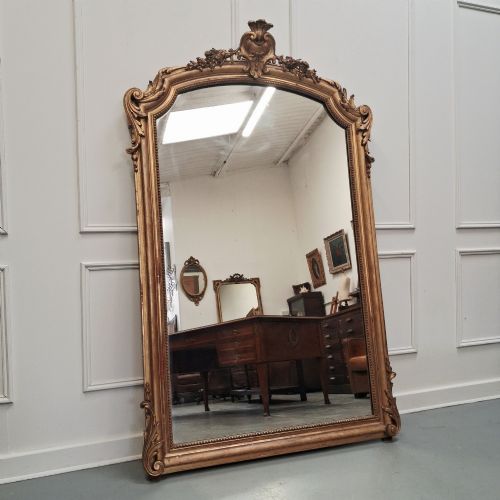
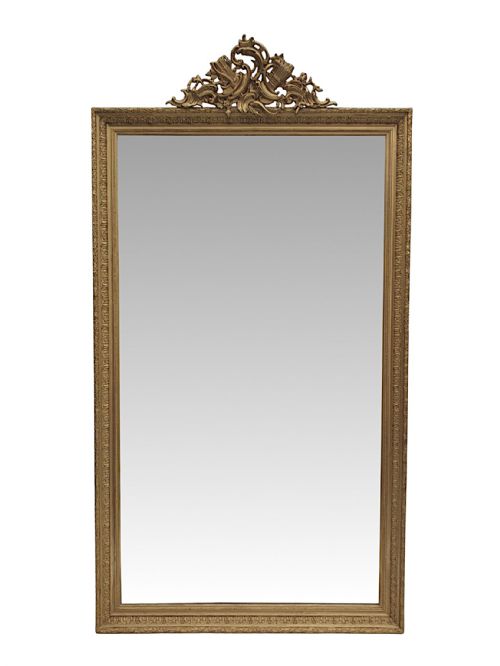
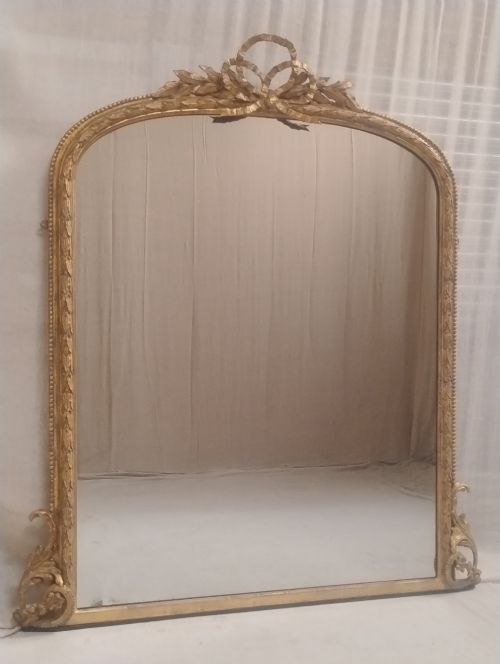
A victorian crested mirror is a decorative looking glass defined by ornate upper cresting, often taking the form of carved cartouches, birds, urns, or shaped wooden frames. Buyers searching for this phrase typically find overmantel mirrors, tall pier mirrors, and wall-hung glass designed to anchor a principal room.
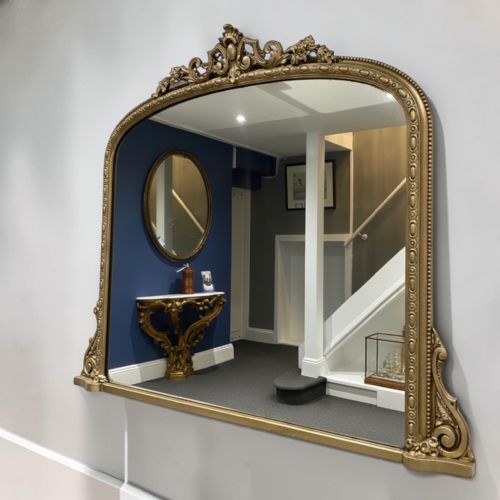
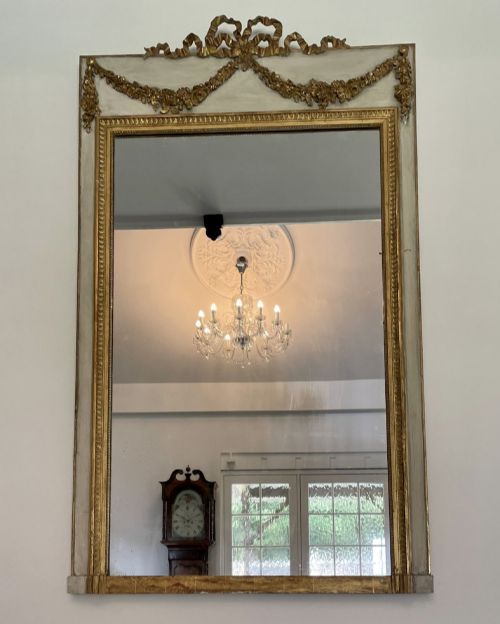
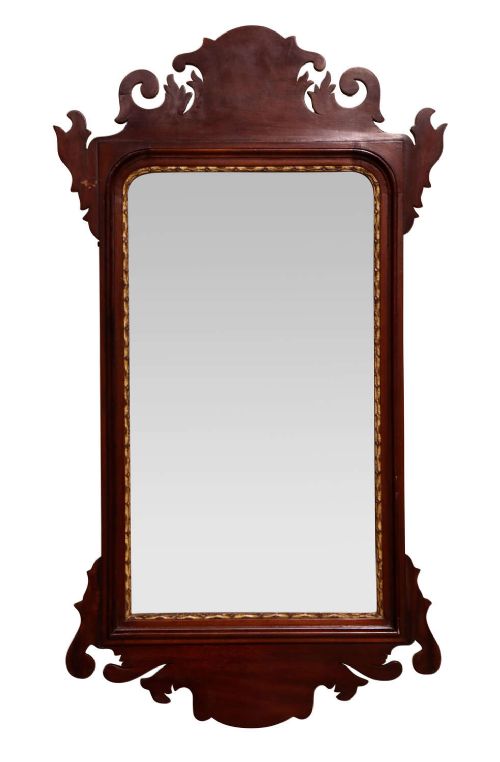
The pieces appearing on this page span the nineteenth century, including specific dates from the eighteen-sixties through the nineteen-hundreds, alongside revival aesthetics such as Chippendale and French neoclassical styles. Overmantel versions dominate the selection, built wide to sit above a fireplace hearth.
Forms vary from grand arch-top giltwood designs to compact oval wall mirrors framed in ebonised wood, mahogany, or brass. Each piece uses its cresting to draw the eye upward, creating a focal point that reflects light and expands interior space.
How They Were Made
Frames rely on a foundation of carved wood, mahogany, or composition material, shaped into intricate scrolls, swags, and architectural crests. Giltwood and gesso pieces receive layers of gold leaf or applied gilding over a prepared plaster base, while mahogany examples display polished natural grain.
Makers utilised traditional joinery to construct heavy overmantel and pier frames, securing carved crests and decorative cartouches directly to the upper rail. Mirror glass is set within the rebated frame, occasionally retaining original silvering and natural foxing acquired over time.
Materials recorded across the selection include giltwood, gesso, mahogany, brass, and original mirror glass.
What Varies in Quality
Quality rests in the depth and crispness of the carving, distinguishing hand-carved wooden or gesso enrichment from simpler moulded composition ornament. Superior examples maintain the integrity of their original gilding and structural cresting without heavy restoration.
The scale of the glass and the proportion of the frame dictate visual impact, with larger overmantel and triptych formats requiring robust joinery to support the weight. Balance between the central mirror plate and the decorative upper crest determines the overall elegance of the piece.
William Kent
The Victorian Crested Mirror Glossary
- Gesso
- A plaster-based material applied to wood frames and carved or moulded to receive gilding. It provides the smooth, buildable surface necessary for intricate nineteenth-century ornamentation.
- Giltwood
- Timber coated with gold leaf or metallic powder applied over a prepared ground. This finish catches candlelight and daylight to brighten period interiors.
- Overmantel Mirror
- A wide looking glass designed specifically to hang above a fireplace mantelpiece. These pieces often feature prominent cresting to fill the vertical space beneath the ceiling.
- Pier Mirror
- A tall, narrow looking glass built to hang on the wall space between windows. They maximise reflected light in nineteenth-century reception rooms.
- Cartouche
- An ornamental scroll-like frame or tablet motif, frequently placed centrally on the crest of a mirror. It serves as a focal point for carved detailing.
- Parcel-Gilt
- A decorative treatment where selected portions of a dark wood or painted frame are highlighted with gold leaf. This technique emphasises specific carved details like borders or crests.
Victorian Crested Mirror: Frequently Asked Questions
Where should I hang an overmantel mirror?
These mirrors are traditionally positioned directly above a fireplace mantelpiece, where their width balances the hearth below. They can also anchor a main wall in a dining room or hallway.
Because nineteenth-century overmantel frames are heavy, secure wall fixings and proper anchor points are essential to support the weight safely.
What is the difference between a pier mirror and an overmantel mirror?
Pier mirrors are built tall and narrow to fit the wall space between windows, whereas overmantel mirrors are constructed wider to span the length of a fireplace.
Both forms utilise cresting at the top, but their distinct proportions serve different architectural locations within a nineteenth-century interior.
How do I care for original gilding?
Dust giltwood and gesso frames gently with a dry, soft brush or feather duster to protect the delicate gold leaf surface. Avoid liquid cleaners and chemical sprays, which can strip the historical finish.
Keep antique mirrors away from direct sunlight and damp environments to preserve both the wooden substrate and the original mirror plate.
Are the mirror plates original?
Many nineteenth-century mirrors retain their original glass, which often exhibits minor foxing, dark spots, or slight distortion. These natural signs of age confirm the authenticity of the piece.
Replacement glass occasionally appears in restored examples, offering a clearer reflection while retaining the historic frame.