
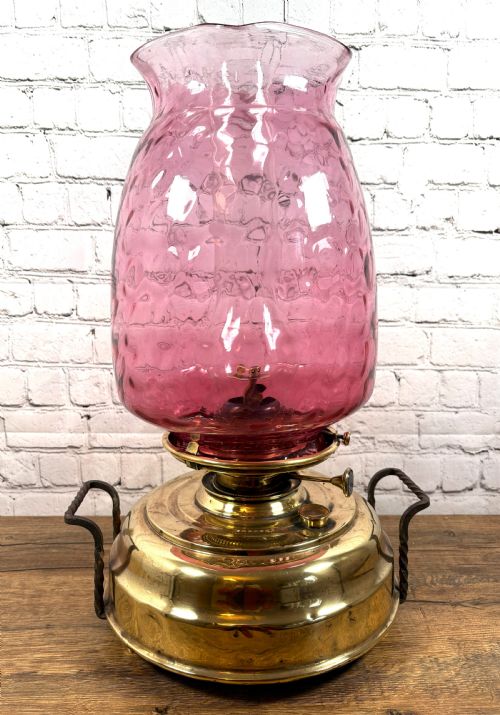


Victorian Cranberry Oil Lamp
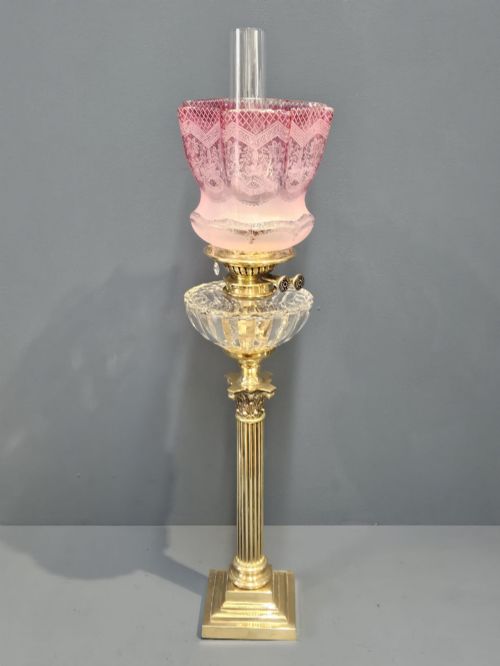
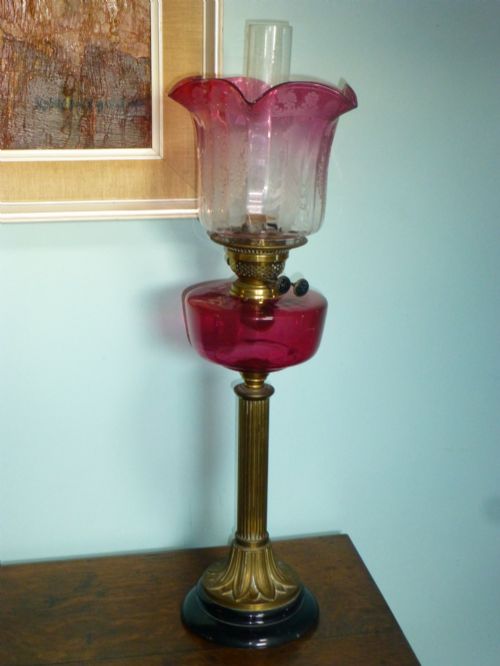
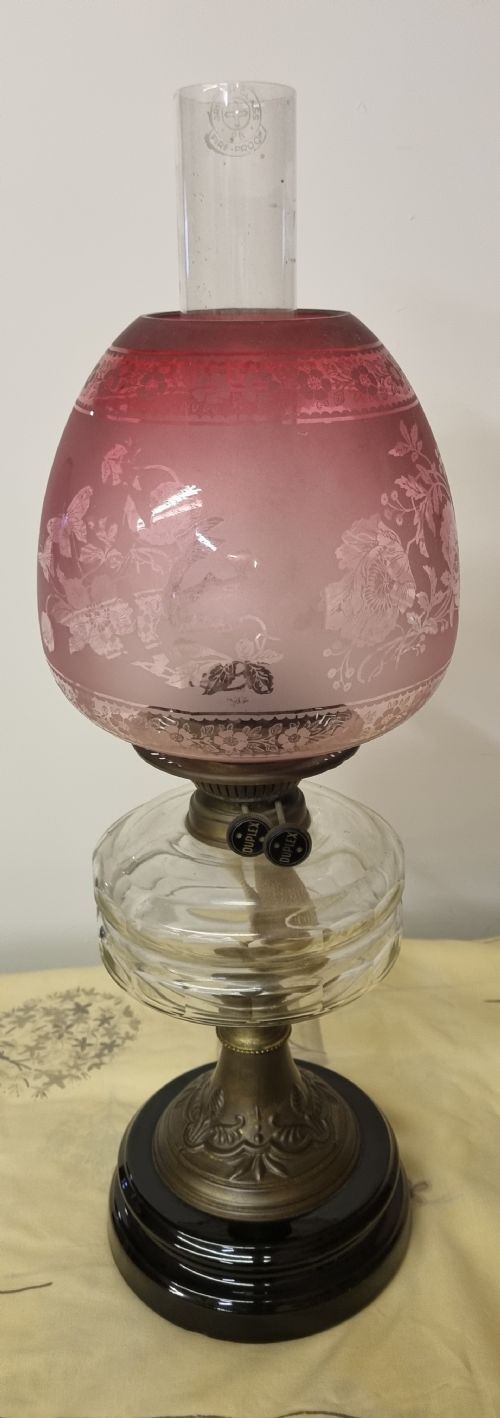
A victorian cranberry oil lamp brings intense jewel-toned colour and warm domestic light into a room, combining brass columns with rich pink-red glass.
Victorian Cranberry Oil Lamp
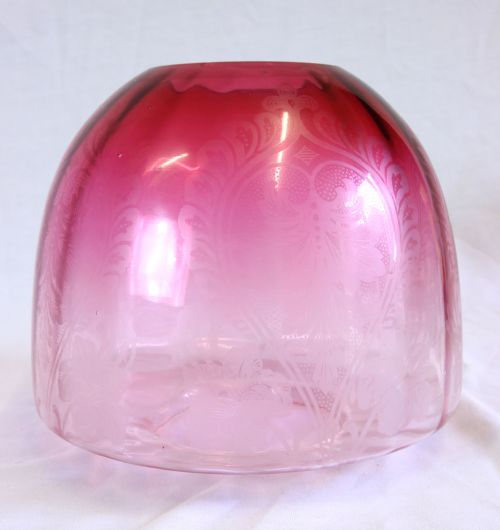
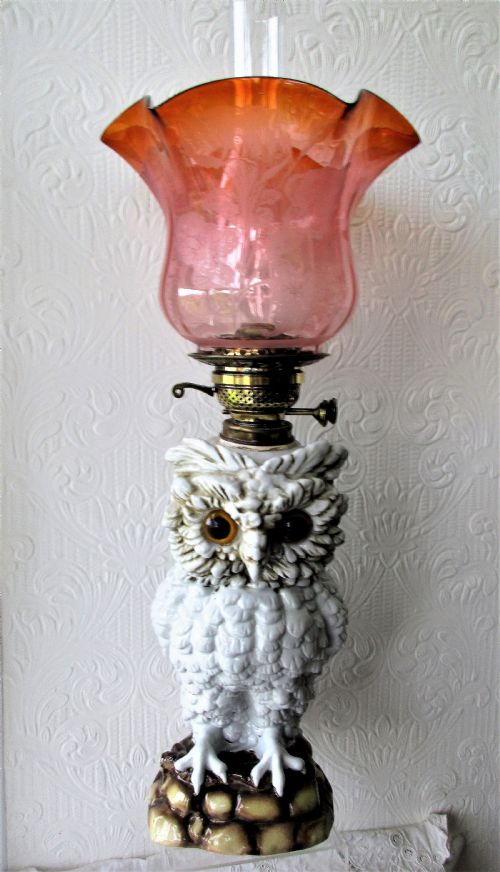
When searching for a victorian cranberry oil lamp, a buyer encounters domestic lighting fixtures produced primarily during the nineteenth century. These items typically combine a heavy metal or ceramic base with a distinctively vibrant red-pink glass font or shade.
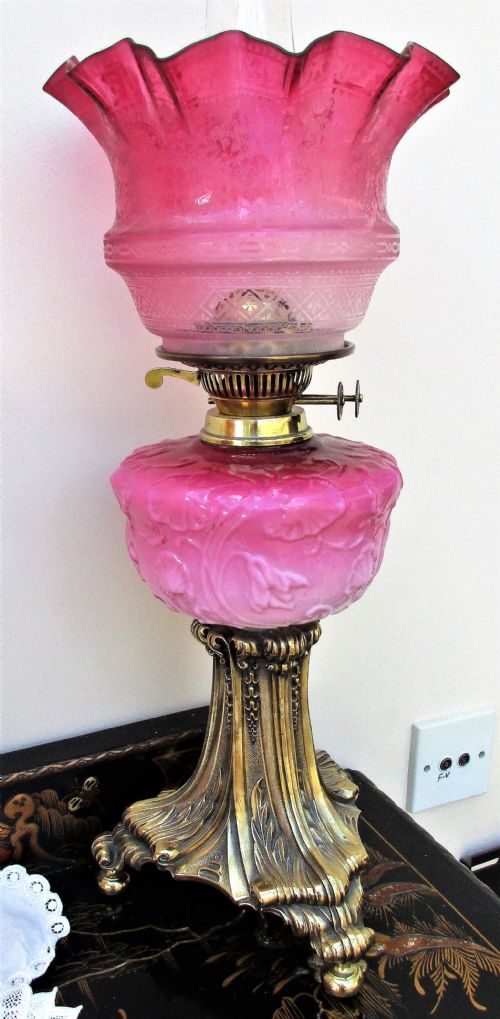
The most common variants on this page pair a polished brass column with a blown or moulded cranberry glass reservoir. Many examples retain their original matching shades, though separate lamp shades and glass vessels also appear frequently.
How they were made
The manufacture of these lamps relied on combining metalworking and glassblowing techniques. Brass, copper, and silver plating formed the structural columns and heavy bases, often cast in classical revival styles.
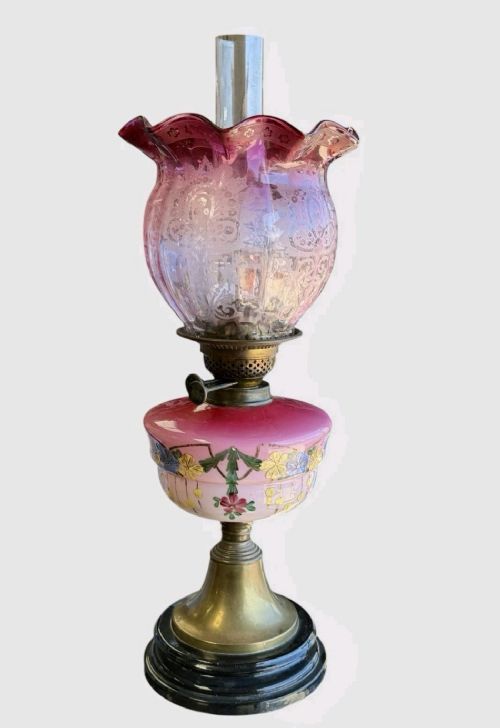
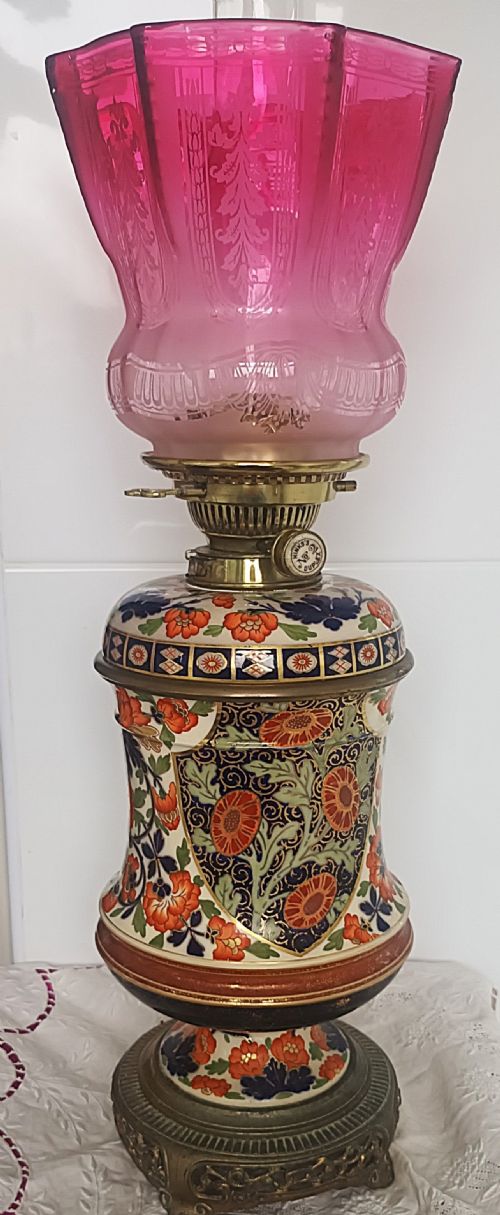
Cranberry glass was produced by adding gold chloride to the molten glass batch to achieve its characteristic pinkish-red hue. Skilled artisans then shaped the reservoirs and shades by hand, sometimes applying cut glass patterns, hand-painted decorations, or etched designs.
Listings feature items spanning the Victorian era, the wider nineteenth century, and early twentieth-century decades up to nineteen-thirty.
What varies in quality
The distinction between standard and superior pieces rests on the weight of the metal components and the depth of colour in the glass. Heavier brass castings, particularly detailed Corinthian columns or figural bases, denote higher production standards.
Artistry in the glasswork also dictates worth, separating plain blown vessels from those featuring elaborate hand-painted motifs, delicate frilled rims, or deep wheel-cut decoration.
Hinks·Taylor Tunnicliff·Sitzendorf·Doulton Lambeth·Veritas
The Victorian Cranberry Oil Lamp Glossary
- Cranberry Glass
- A type of transparent, red-pink glass coloured with gold oxide. It was widely used for Victorian tableware and decorative lamp components.
- Duplex Burner
- A double-wick mechanism that produced a brighter flame than single-wick burners. It became a standard feature on high-end nineteenth-century lighting.
- Corinthian Column
- A classical architectural column style featuring ornate, acanthus-leaf capitals. Lamp makers frequently adopted this form for tall brass standards.
- Peg Lamp
- A small oil lamp fitted with a tapered metal or glass spigot at the base. This allowed the lamp to drop directly into a separate candleholder or wall bracket.
Victorian Cranberry Oil Lamp: Frequently Asked Questions
Can these lamps be converted to electricity?
Many examples are converted to electricity by running a cord through the internal brass column without altering the exterior appearance. This allows modern domestic use while preserving the nineteenth-century aesthetic.
Professional conversion is recommended to ensure the antique metalwork and delicate glass components remain secure and undamaged.
How do I clean cranberry glass?
Cleaning requires warm water and mild dish soap applied with a soft cloth to protect the historic surface. Harsh chemical cleaners can damage hand-painted details or aged brass fittings.
Dry the glass thoroughly with a lint-free towel to maintain clarity and prevent water spots from dulling the jewel-toned colour.
Were all these lamps made in Britain?
While many pieces originated in British workshops, continental European factories also exported porcelain and glass lighting components to the British market. Makers from Germany and France contributed distinct regional styles alongside domestic production.
Examining burner manufacturers and ceramic registry marks helps identify the specific geographic origin of individual components.