


Victorian Cranberry Glass Shade
A victorian cranberry glass shade brings a warm, rich glow to any room, casting a distinct ruby light through period lighting.
Victorian Cranberry Glass Shade
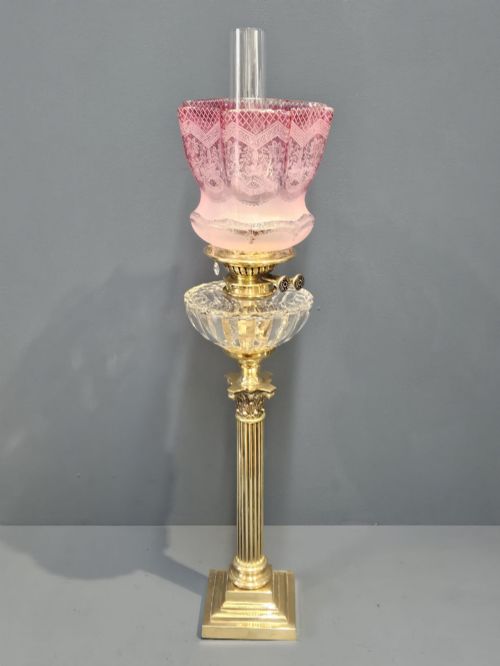
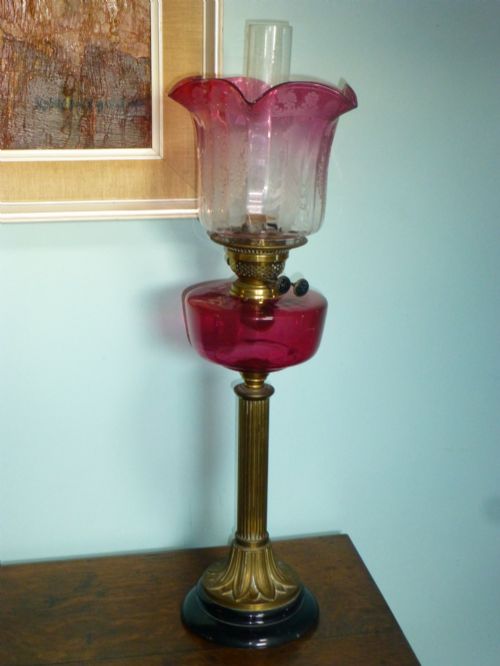
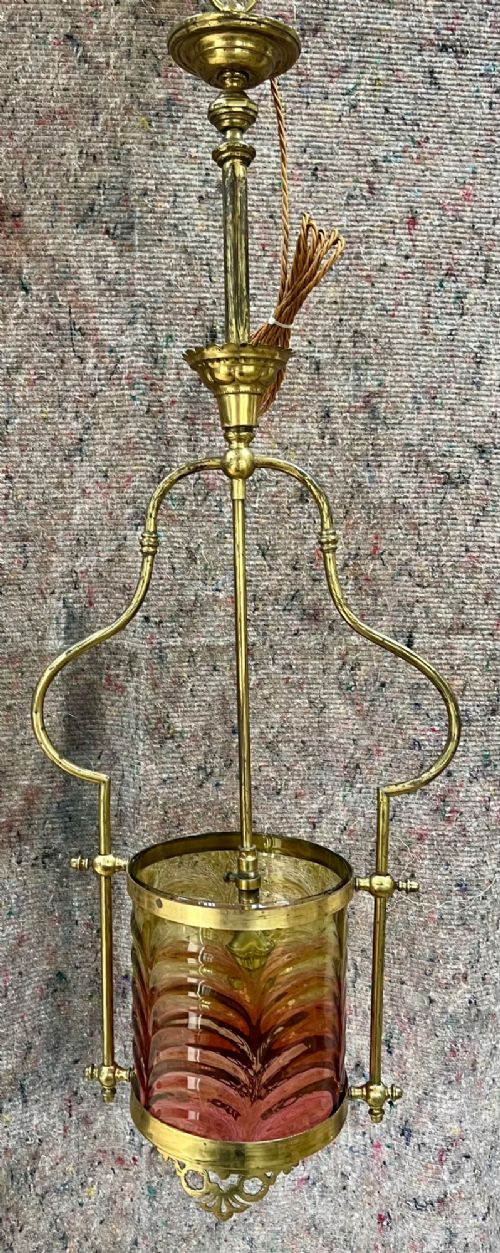
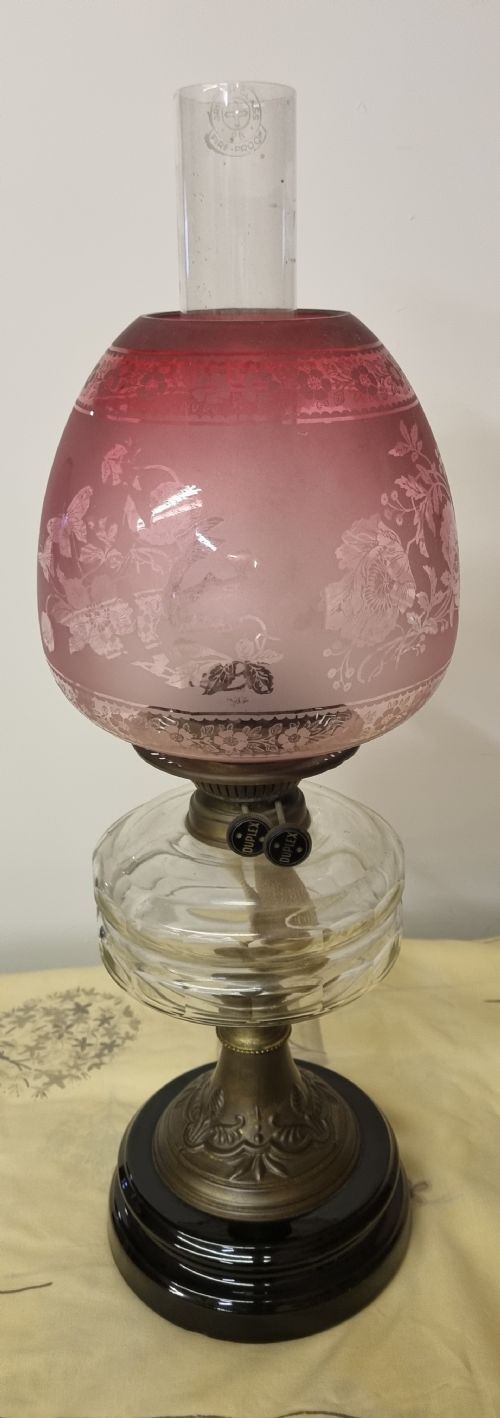
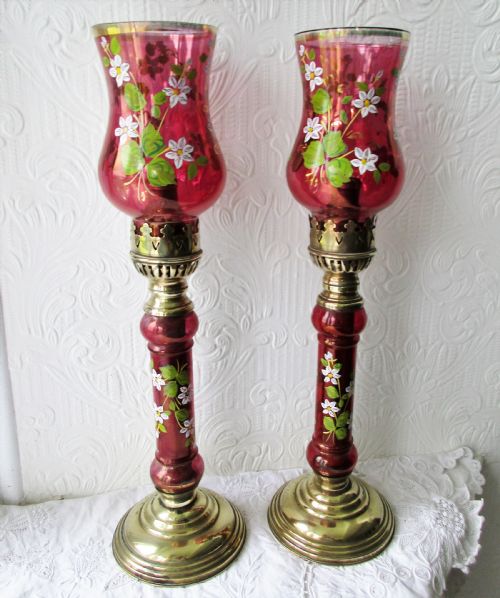
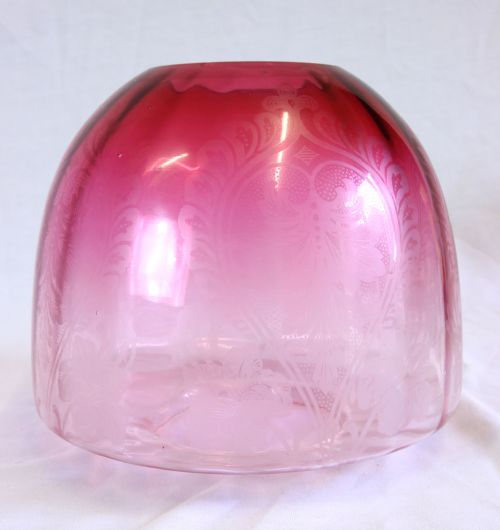
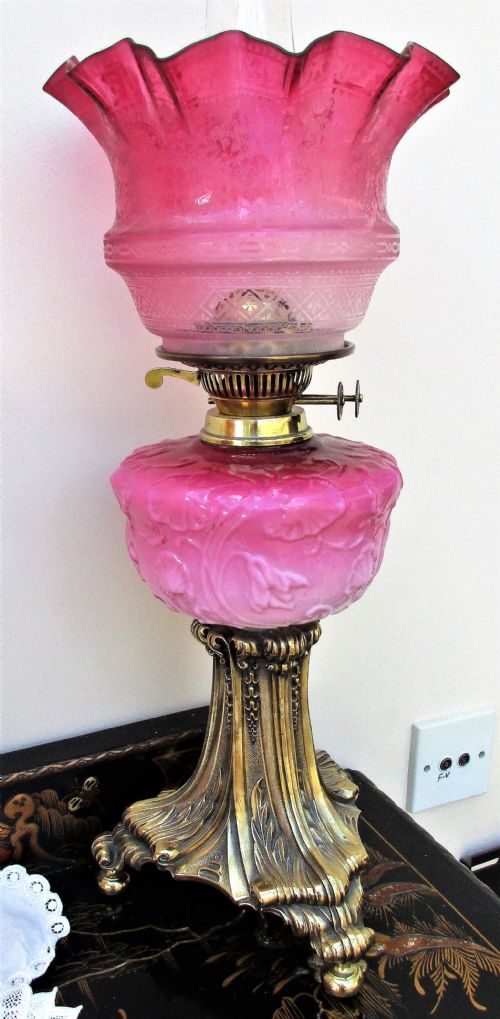
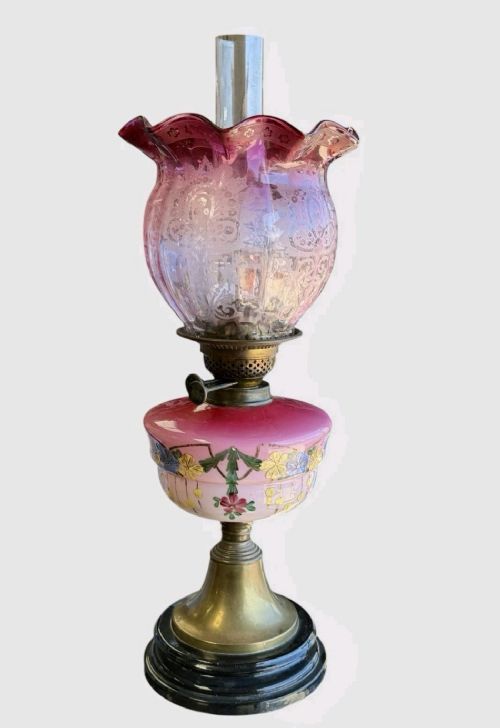
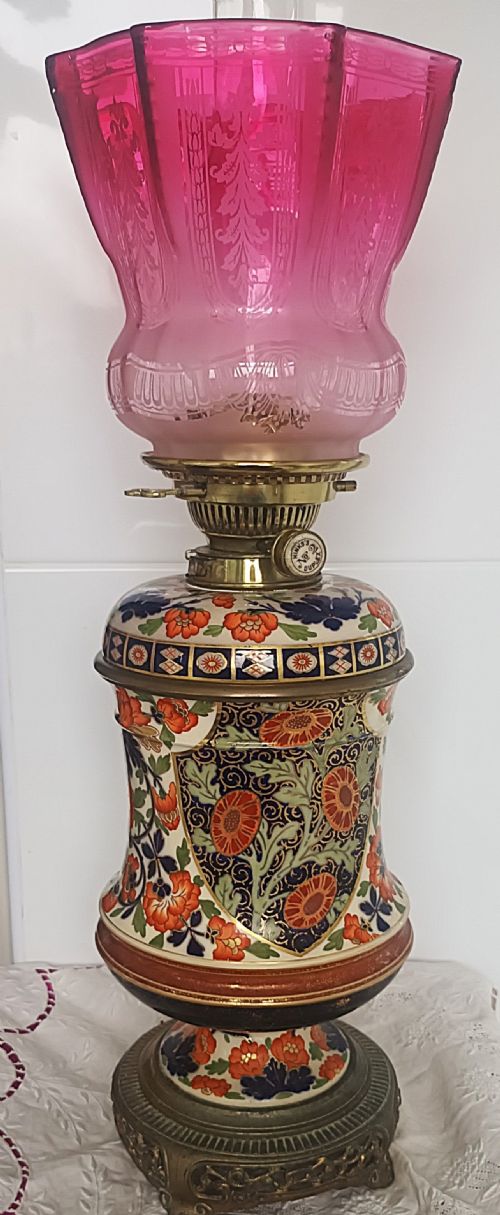
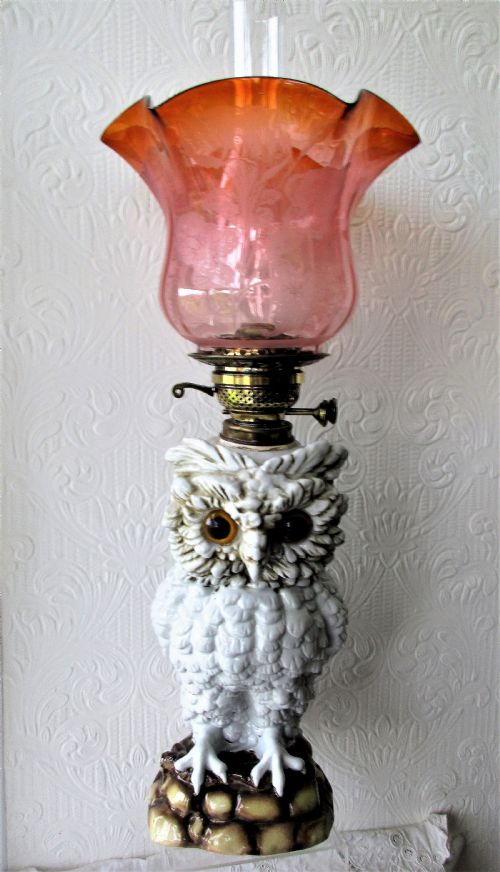
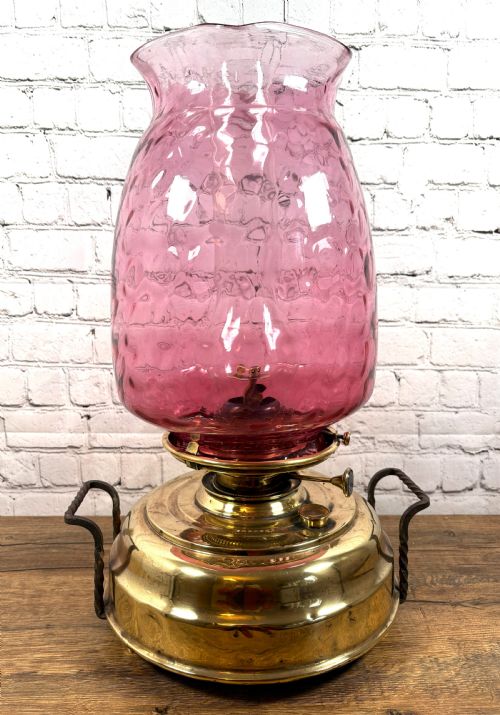
When you search for a victorian cranberry glass shade, you are looking at nineteenth-century lighting components designed to diffuse and colour the illumination of oil lamps, gasoliers and pendant fixtures. Most pieces you meet on this page belong to the Victorian and Edwardian periods, taking forms such as ruffled lamp shades, ceiling pendants and oil lamp globes.
These items originate primarily from British and European workshops, frequently paired with brass or ceramic fittings and columns. Collectors encounter them mounted on tall duplex burners, table lamps and hanging ceiling lights, often featuring distinctive thumbprint, crimped or etched surface patterns.
How they were made
Makers produced cranberry glass by adding gold chloride to molten glass to achieve its signature rich pink and red hue. Craftsmen then shaped the vessels using traditional blowing and moulding techniques before applying hand-painted details, gilding or acid-etching.
The glass shades combined with heavy cast brass, copper or porcelain mounts, utilising metal collars and galleries to secure them to oil fonts and gas fixtures. Structural integrity relied on solid brass columns, ceramic reservoirs and weighted bases to support the substantial weight of the glass.
Some nineteenth-century glassmakers added actual gold to their molten batches to achieve that unmistakable, rich cranberry tint.
What varies in quality
Quality rests upon the depth and evenness of the cranberry colour saturation within the glass, alongside the crispness of any applied gilding or etched decoration. Superior examples display rich, consistent tones without muddy patches, showing careful hand-finishing on the ruffled or crimped rims.
The associated metalwork also dictates overall merit, separating standard production items from finer pieces with heavy cast brass columns, elaborate burners and robust galleries. Well-preserved surfaces on both the glass and the metal components separate standard utility lamps from exceptional parlour pieces.
Taylor Tunnicliff·Sitzendorf·Hinks
The Victorian Cranberry Glass Shade Glossary
- Cranberry glass
- A type of transparent glass coloured with gold chloride, ranging from pale pink to deep ruby red. It became immensely popular during the nineteenth century for decorative lighting and tableware.
- Duplex burner
- A heavy twin-wick mechanism used on nineteenth-century oil lamps to provide a brighter illumination. These burners often required larger shades to accommodate the increased heat and light output.
- Gasolier
- A branched gas lighting fixture suspended from the ceiling, frequently adapted later for electrical use. They often carried large glass shades and globes to soften the harsh gas flames.
- Gallery
- The metal ring with screw fittings designed to hold a glass lamp shade securely above the burner. It forms the primary mechanical connection between the glass shade and the lamp body.
- Etched glass
- Glass decorated by applying acid to eat away exposed areas, leaving a frosted pattern against the transparent background. Victorian lighting frequently utilised floral or geometric etched motifs.
Victorian Cranberry Glass Shade: Frequently Asked Questions
How do I fit a shade?
Most shades require a specific fitter size that corresponds to the metal gallery on your lamp. You slide the bottom collar into the gallery and gently tighten the thumb screws to secure it.
Take care not to over-tighten the screws, as nineteenth-century glass can crack under uneven pressure. Ensure the shade sits level before lighting the lamp or turning on the bulb.
Were these shades used for gas or oil?
Victorian shades served multiple lighting types, appearing on oil lamps, gasoliers and early electric conversions. The open top allowed heat and combustion gases to escape safely.
Oil lamp shades typically feature wider fitter necks to sit above duplex burners, while gas fixtures often utilised matching globes with narrower collars designed for upward-facing burners.
How do I clean my cranberry glass?
Wash the glass gently in warm water using a mild washing-up liquid and a soft cloth. Avoid abrasive sponges or harsh chemical cleaners that might damage antique gilding or hand-painted details.
Dry the shade thoroughly with a lint-free cloth to prevent water spots. Take extra care around ruffled rims and etched sections where the glass may be thinner.
How can I tell the period?
Examine the manufacturing marks, the weight of the brass fittings and the hand-finished qualities of the glass. Nineteenth-century pieces often show pontil marks on the base and heavier cast metal components.
Stylistic cues such as Aesthetic movement etching, Victorian brass Corinthian columns or Edwardian floral motifs also help date the assembly to specific decades between eighteen-sixty and nineteen-twenty.