


Victorian Cranberry Glass Lighting
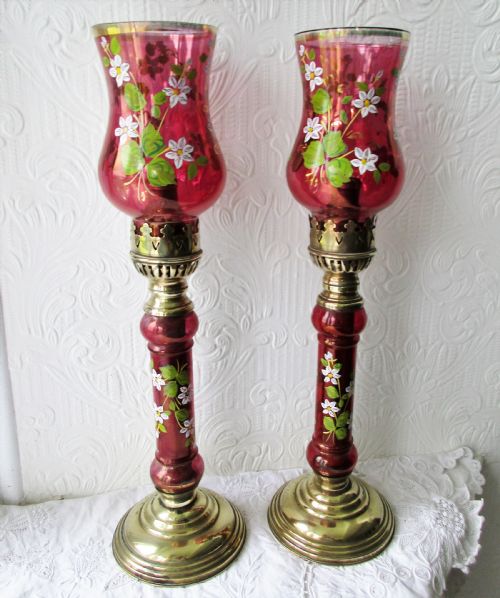
Victorian cranberry glass lighting brings warmth and rich colour to a room through radiant hues and polished brass.
Victorian Cranberry Glass Lighting
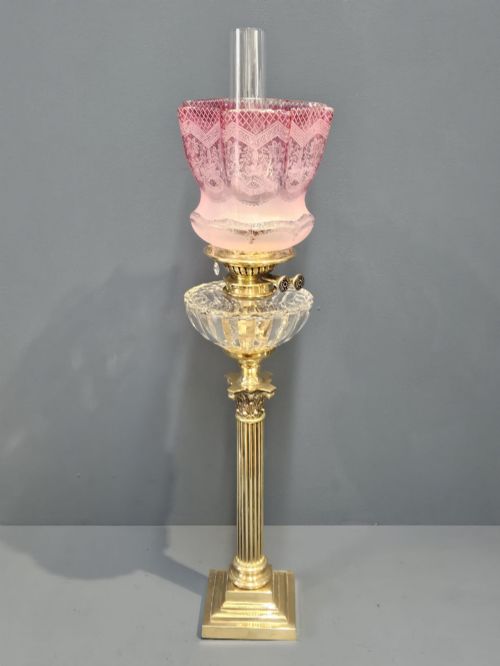
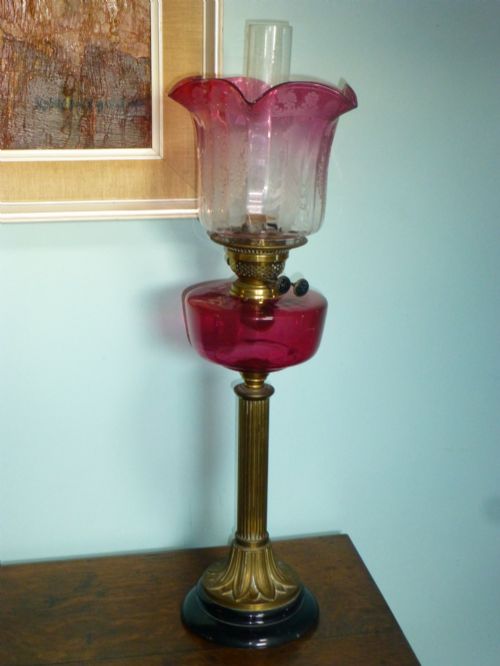
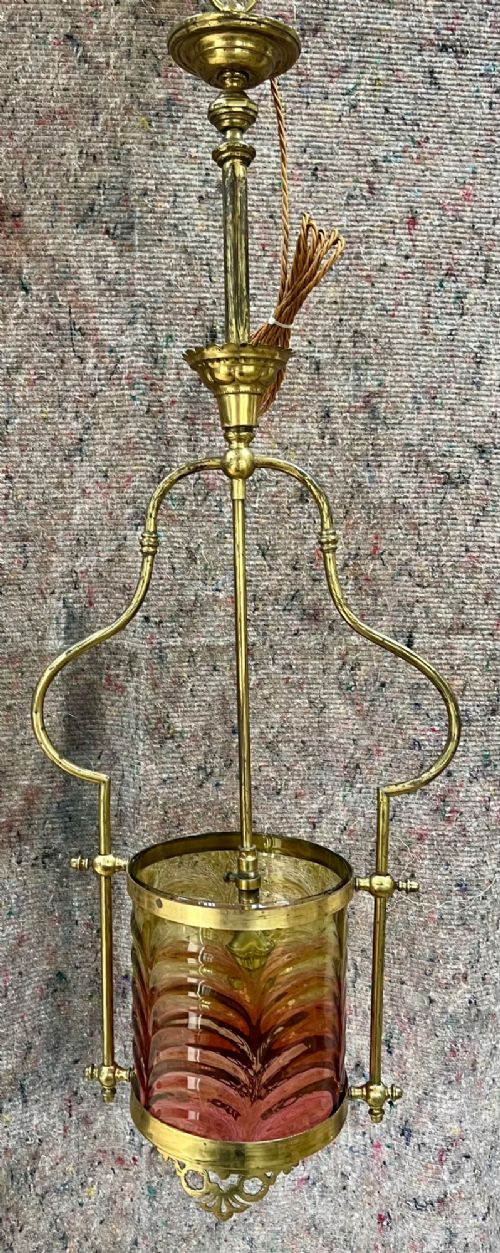
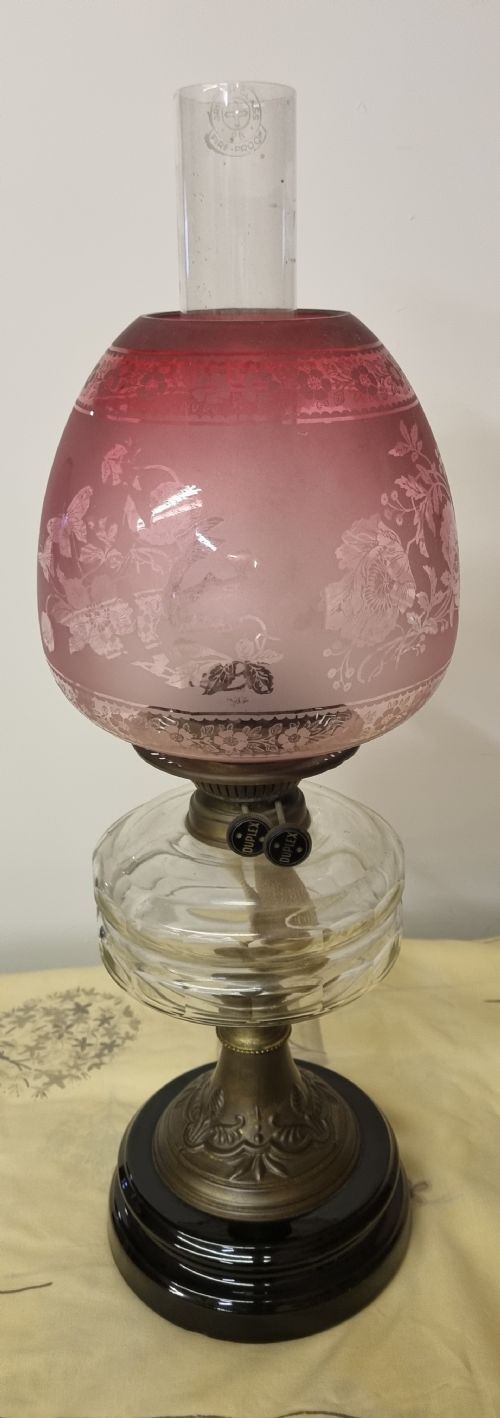
Victorian cranberry glass lighting comprises oil lamps, ceiling lights, lamp shades, and chandelier components created during the nineteenth century. These pieces combine deep pink and ruby glass with metal fittings to illuminate period interiors.
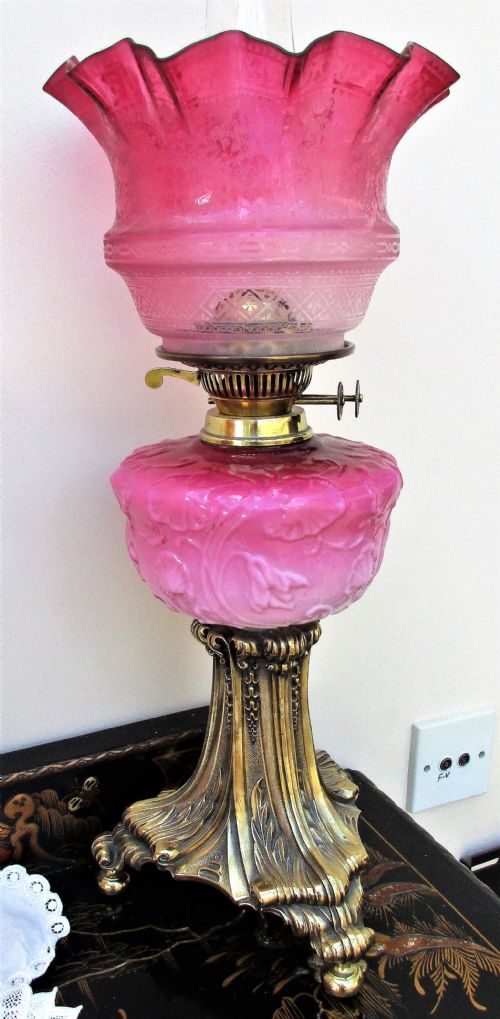
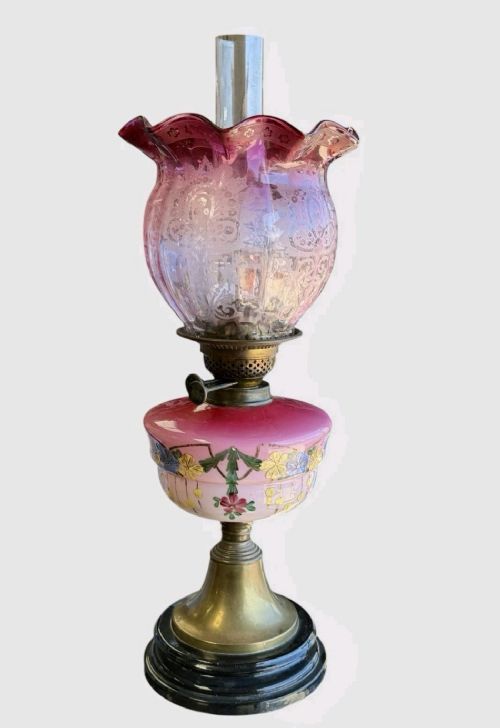
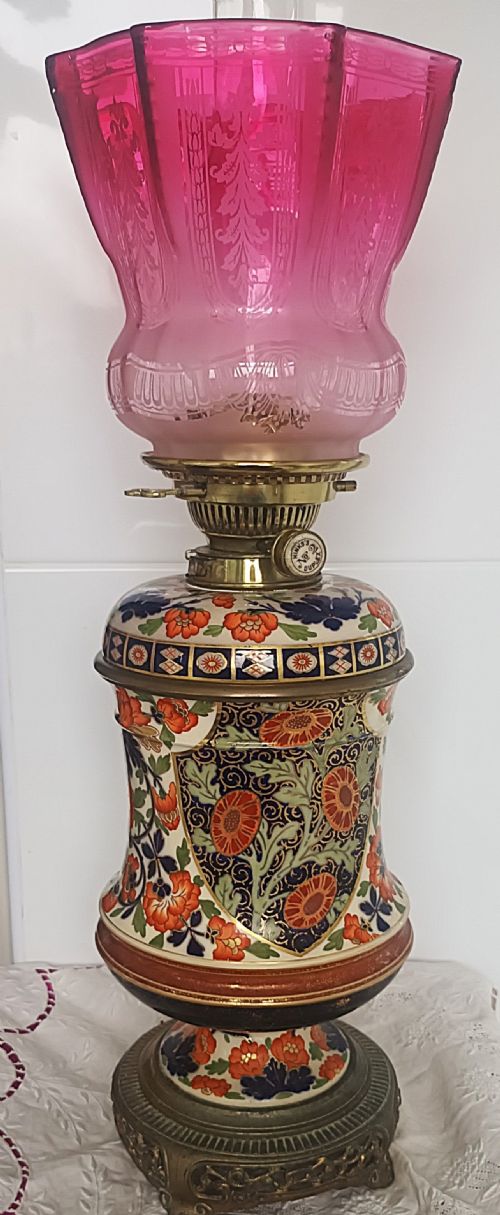
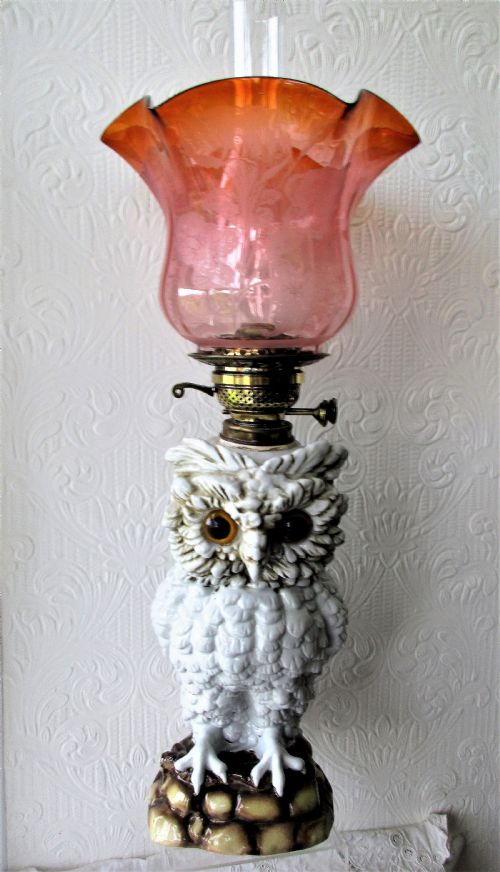
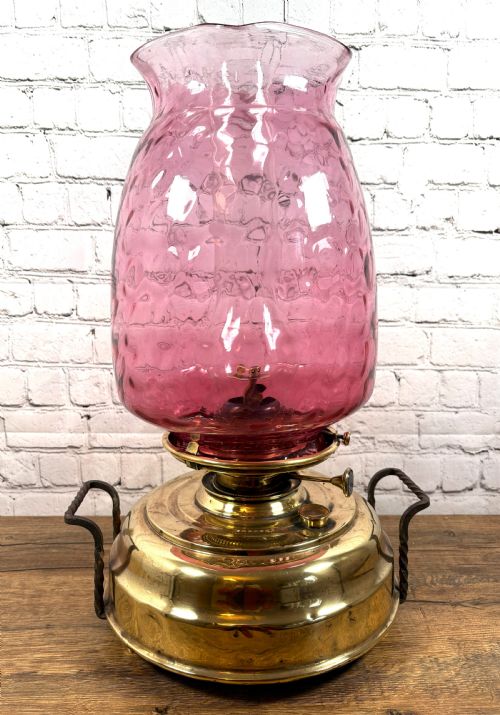
The most common form encountered on this page is the oil lamp, often pairing a brass column or ceramic base with a vibrant cranberry shade. Table lamps, floor lamps, and hanging pendants also appear regularly across the nineteenth and early twentieth centuries.
Originating predominantly from British and continental workshops, these items reflect diverse stylistic influences from French Rococo Revival to Art Nouveau. Buyers encounter varied configurations, from simple desk lamps to towering duplex burners.
Materials and methods of construction
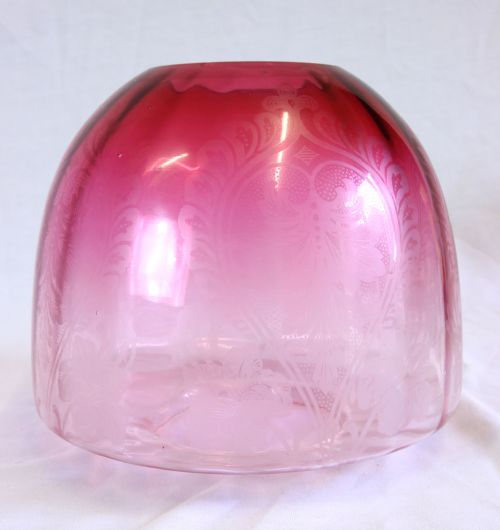
Makers produced cranberry and ruby glass by adding gold chloride to the molten batch, achieving the characteristic rich red-pink tone through careful heat manipulation. Craftsmen then shaped the glass by blowing and moulding, frequently adding etched, frosted, or enamelled decoration.
Metalwork forms the structural backbone of these fixtures, utilising brass, copper, and silver plating to support the heavy glass fonts and shades. Components like Corinthian columns and burner mechanisms demonstrate precise engineering alongside decorative metal casting.
Listings feature items spanning the nineteenth century, the Victorian era, and the Edwardian period, incorporating brass, ceramic, and various glass types.
Distinctions in quality and finish
Quality rests upon the depth and evenness of the glass colour, alongside the crispness of any cut, etched, or hand-painted ornamentation. Superior examples display flawless glass mixing and intricate detailing on both the metal mounts and the glass shade.
The integration between the glass reservoir and the metal base dictates the overall stability and proportion of the piece. Heavier gauge brass, robust burner mechanisms, and undamaged glass components separate standard utilitarian items from finer decorative pieces.
Hinks and Taylor Tunnicliff·Sitzendorf Porcelain
The Victorian Cranberry Glass Lighting Glossary
- Cranberry glass
- A transparent red-pink glass coloured with gold. It achieves its characteristic hue through precise thermal control during the blowing process.
- Duplex burner
- A twin-wick mechanism used on nineteenth-century oil lamps. This setup produces a brighter, steadier flame than single-wick alternatives.
- Font
- The oil reservoir of a lamp, commonly manufactured from coloured glass or ceramic. It sits atop the column or base and feeds fuel to the burner.
- Lustre
- A decorative glass or porcelain vase fitted with hanging crystal prisms. These ornaments catch and reflect candlelight or ambient room light.
Victorian Cranberry Glass Lighting: Frequently Asked Questions
How do I operate a Victorian oil lamp?
Operating a period oil lamp requires filling the glass or ceramic font with a suitable lamp oil and allowing the wick to saturate fully before lighting. The twin wicks are adjusted via thumbwheels to control the flame height and prevent smoke.
Safety is paramount when handling nineteenth-century lighting. Ensure the burner mechanism is secure and keep the lamp away from draughts during use.
Can these antique lamps be converted to electricity?
Many collectors choose to adapt oil lamps for modern electric use to display them safely in contemporary homes. This conversion usually involves running a discreet cord through the central column without altering the exterior brass or glass.
Professional rewiring preserves the aesthetic integrity of the piece while enabling everyday domestic use. Original burners can often be retained alongside concealed internal wiring.
How do I clean cranberry glass shades?
Cleaning requires warm water and mild dish soap applied with a soft cloth to protect hand-painted or enamelled surfaces. Avoid harsh abrasives or soaking metal-mounted glass for extended periods.
Dry the components thoroughly with a lint-free cloth to prevent water spots on the glass. Take extra care around delicate crimped rims and gilded details.
What is the difference between cranberry and ruby glass?
Cranberry glass typically exhibits a brighter pinkish-red tone achieved through gold oxide content. Ruby glass tends to be deeper and darker in saturation, sometimes appearing almost opaque until held to the light.
Both varieties were popular during the Victorian era for lighting and decorative vessels. Makers frequently combined frosted or clear elements with these rich red tones.