
Victorian Country Sofa
A victorian country sofa brings deep comfort and relaxed elegance to a room, built for long hours of lounging.
Victorian Country Sofa
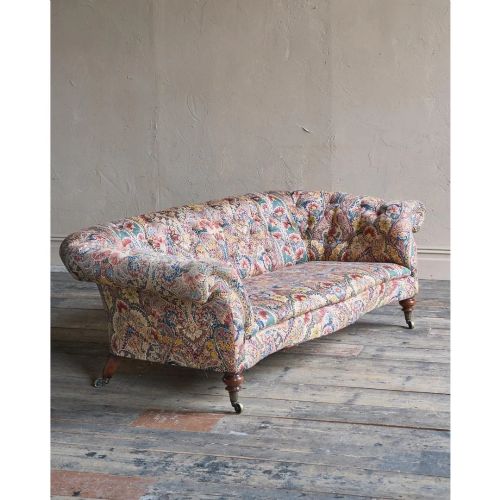
A victorian country sofa combines generous proportions with the relaxed, lived-in aesthetic of English country houses.
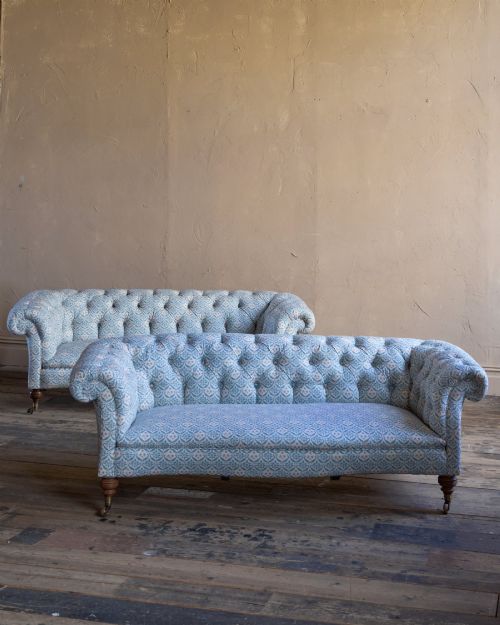
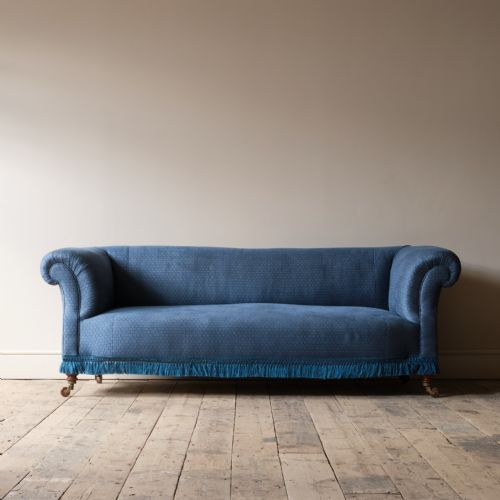
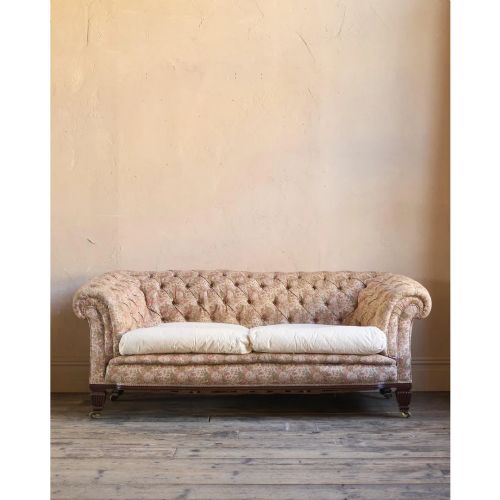
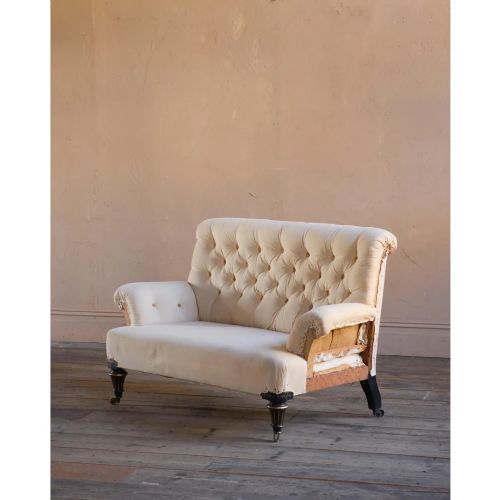
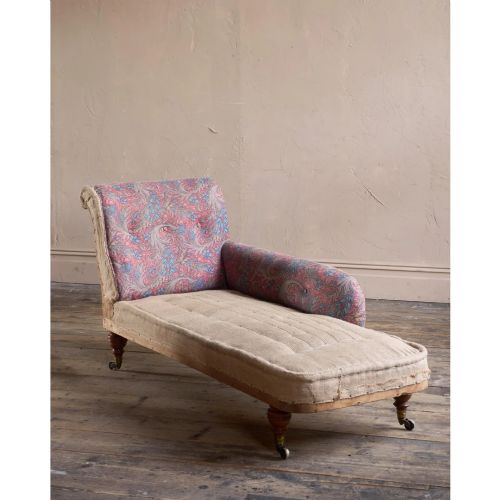
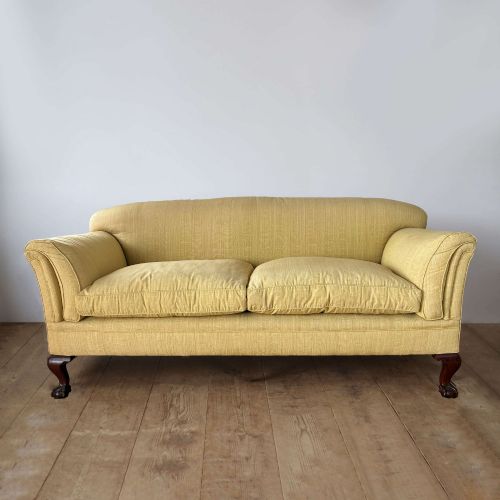
The selections here span deep chesterfields, drop-arm designs, and low-backed settees originating primarily from the nineteenth century.
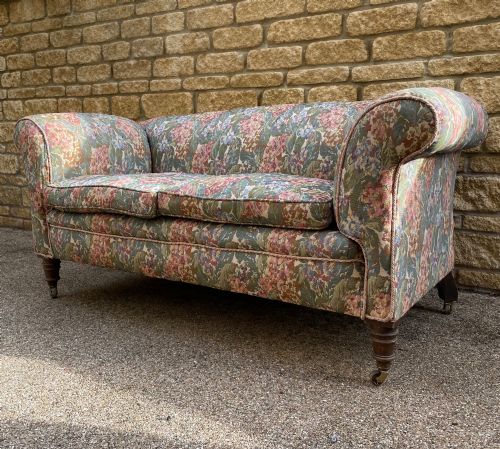
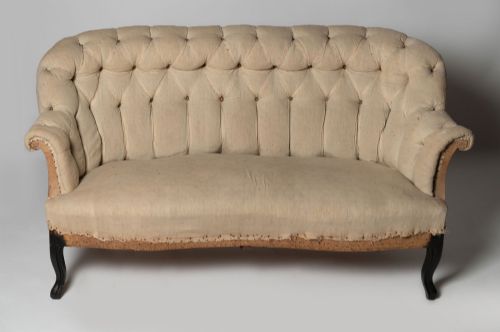
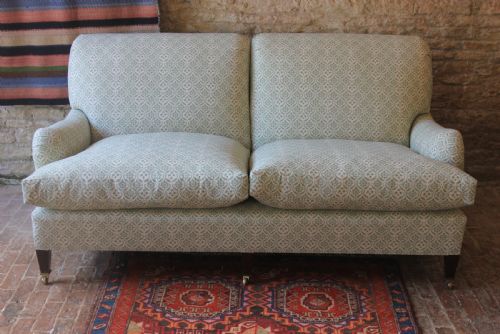
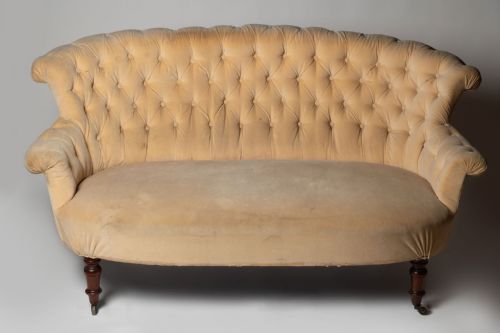
Buyers will most frequently encounter substantial upholstered forms finished in calico, velvet, or traditional floral fabrics.
Materials and Construction
Frames rely on sturdy hardwoods such as mahogany, walnut, and oak to provide a resilient structural skeleton.
Upholstery techniques involve traditional stuffing materials paired with calico lining, horsehair, and supportive spring systems.
Evaluating Quality
The distinction between tiers rests on the integrity of the original frame timber and the depth of the seating proportions.
Signatures or stamps from notable nineteenth-century makers elevate the standing of a piece significantly.
The scale of the sofa and the sculptural balance of the arms and back dictate its presence in a room.
Howard and Sons·Hampton and Sons·Jackson and Graham·Holland and Sons·Morison and Co·Gillows
The Victorian Country Sofa Glossary
- Chesterfield
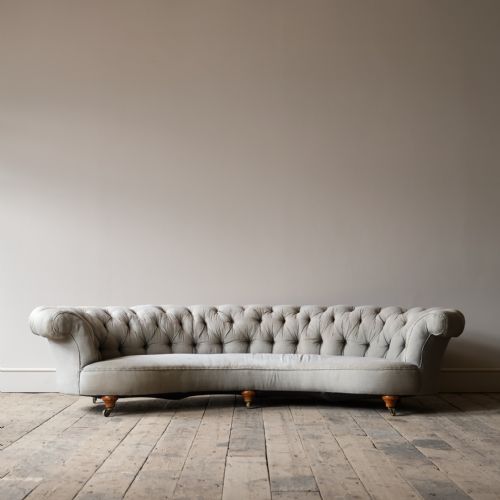
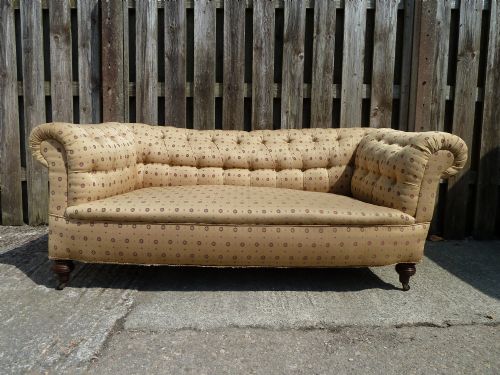
- A large upholstered sofa characterised by rolled arms of the same height as the back. Many examples feature deep buttoning.
- Drop-arm
- A sofa mechanism allowing one arm to lower flat for reclining. This adds versatility to nineteenth-century seating.
- Calico
- A plain-woven cotton fabric used as an initial upholstery lining. It often forms the base layer before decorative textiles are applied.
- Button back
- An upholstery style where depressions are formed by pulling twine tightly through the padding and securing with buttons. This creates a diamond pattern.
- Knole sofa
- A historic seating form featuring high adjustable sides and traditional hinged armposts. It inspired many later country house variants.
Victorian Country Sofa: Frequently Asked Questions
Where should I place a country sofa?
These generous pieces suit large living rooms, libraries, or drawing rooms where relaxation is the priority. Their deep seats invite long periods of sitting and reading.
Positioning them away from direct sunlight protects antique fabrics and exposed wooden frames from fading over time.
How do I choose the right fabric?
Original or period-appropriate textiles like heavy velvet, linen, and traditional prints match the historical context of these items. Many pieces arrive in calico, allowing you to apply bespoke upholstery.
Consider the weight of the fabric to ensure it complements the substantial proportions of a nineteenth-century frame.
Are these sofas comfortable for daily use?
Nineteenth-century country seating was engineered for domestic comfort, utilising deep springs and soft fillings. They remain exceptionally well-suited for everyday lounging.
Checking the internal webbing and padding condition helps ensure the support meets modern standards.
How do I identify a Victorian piece?
Look for dense hardwood frames, traditional hand-tied spring construction, and turned wooden legs often fitted with brass castors. Specific proportions and vernacular design details point toward the nineteenth century.
Maker stamps on the wooden frame or castors provide definitive proof of origin and date.