
Antique Country Settee
When you search for an antique country settee, you are looking for comfortable upholstered and wooden seating that brings relaxed character to a room.
Antique Country Settee
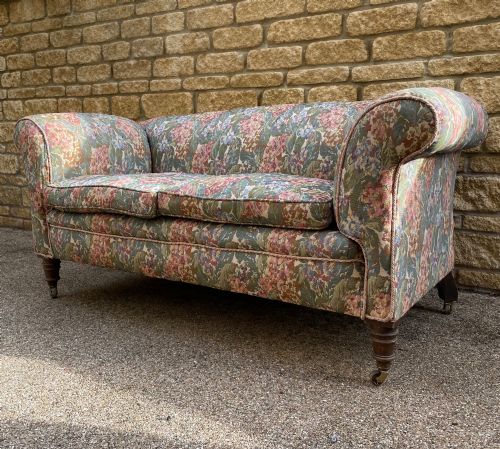
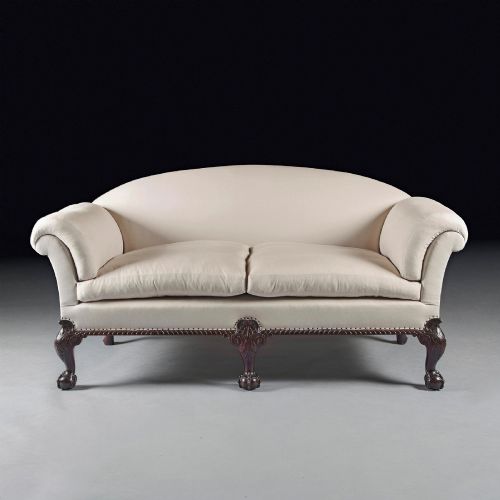
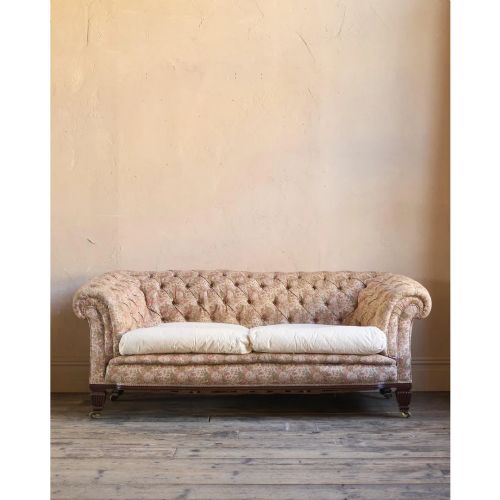
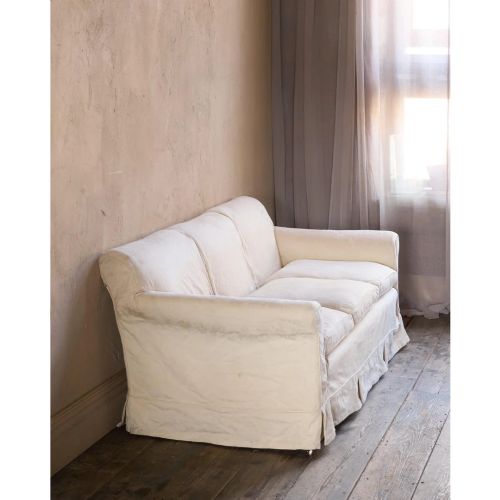
An antique country settee offers deep proportions and generous seating designed for relaxed living rather than formal reception rooms. The pieces appearing in this search span from the nineteenth century into the early decades of the twentieth century.
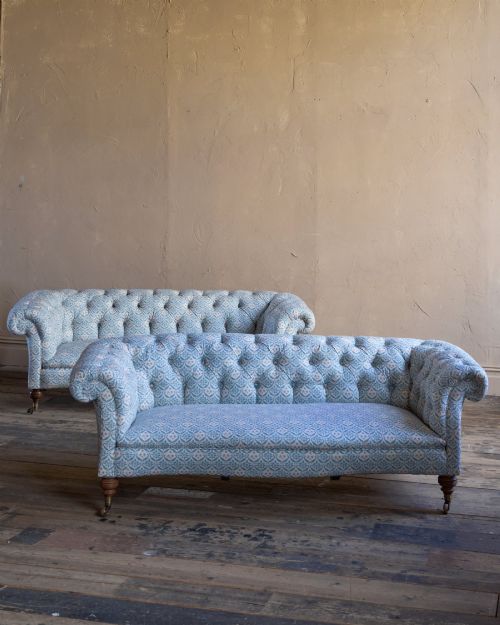
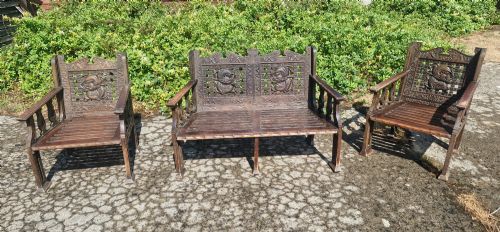
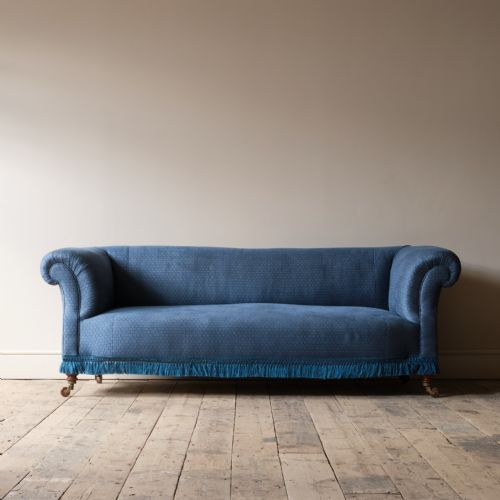
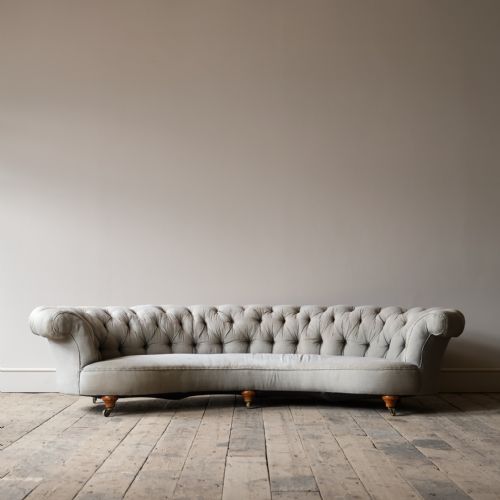
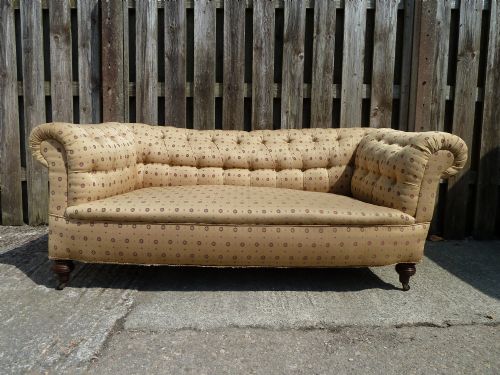
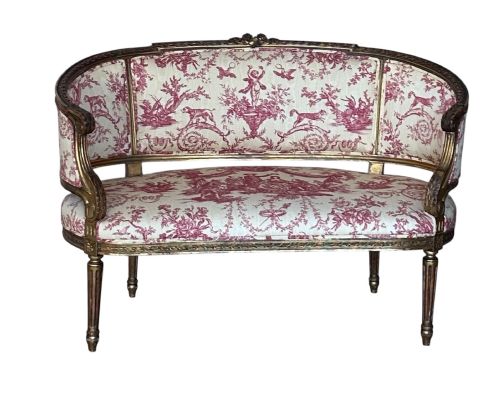
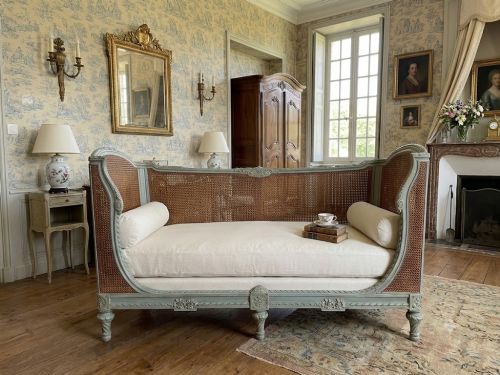
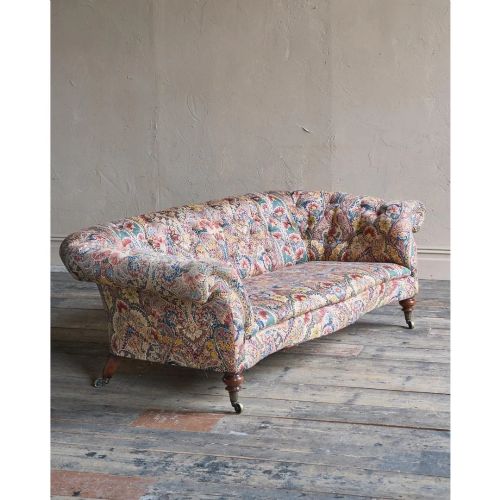
You will encounter substantial upholstered chesterfields alongside lighter French provincial frames, country house seating, and simpler wooden benches with rush seats.
The aesthetic ranges from the faded grandeur of English country houses to carved walnut and painted frames originating from French chateaux and provincial workshops.
Assessing Quality and Character
The integrity of the underlying timber frame and the depth of the original springing dictate the structural standard of each settee.
Makers known for exceptional joinery and upholstery, particularly nineteenth-century London cabinet makers, distinguish the finer examples from standard production.
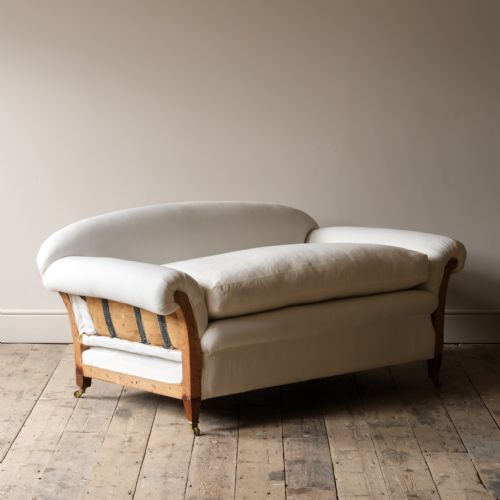
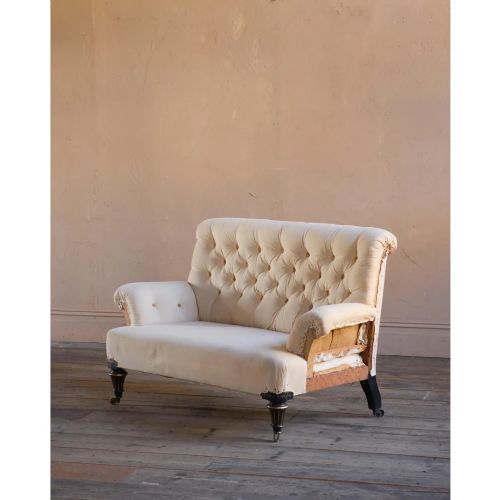
The balance between untouched original upholstery and frames stripped back for complete reupholstery determines the conservation approach required by the buyer.
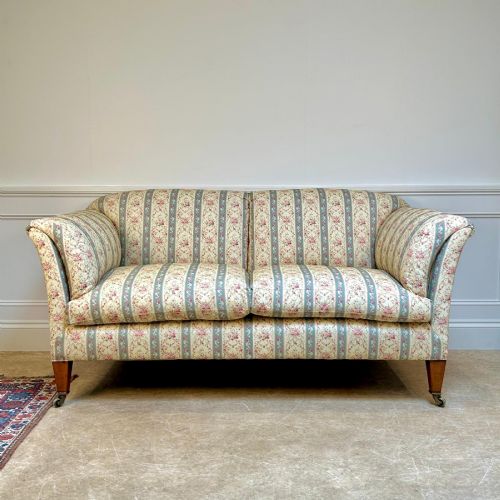
Object forms include two-seater chesterfields, daybeds, banquettes, and three-piece conservatory suites spanning the Victorian to Edwardian eras.
Howard and Sons·Hampton and Sons·Jackson and Graham
The Antique Country Settee Glossary
- Chesterfield
- A deeply buttoned upholstered sofa with arms and back of the same height. This form provides substantial seating capacity.
- Canapé
- A French term for a decorative settee or sofa, often featuring an exposed wooden frame. These pieces reflect specific stylistic periods such as Louis XV or Louis XVI.
- Bergere
- An enclosed upholstered armchair or settee with wooden frames and cane panelling. The sides are typically filled with woven cane.
- Drop arm
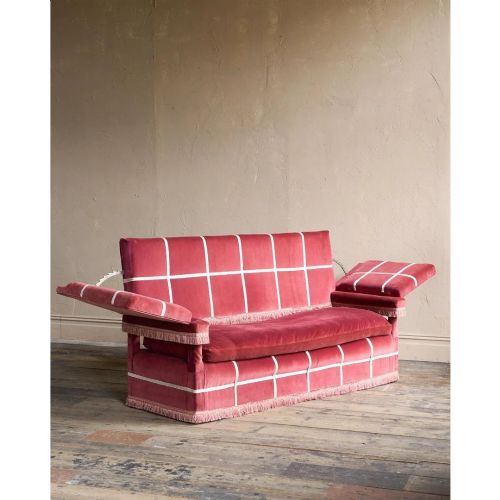
- A mechanical sofa arm that can be lowered on a ratchet. This mechanism allows the seating to convert into a daybed or day use format.
Antique Country Settee: Frequently Asked Questions
How do I choose between a French settee and an English country house sofa?
French settees generally feature exposed painted, gilt, or polished walnut frames with cane or simpler squab cushions. English country house sofas prioritize deep upholstery and relaxed springs.
Consider the room proportion and desired comfort level when deciding between a decorative carved frame and a deep upholstered seat.
What does a settee needing reupholstery involve?
Buying a settee sold in calico or for reupholstery allows you to select your own top fabric. The internal webbing and stuffing may still be sound.
Ensure you inspect the timber frame stability before committing to professional recovering.
Are drop arm settees practical for daily use?
Drop arm mechanisms allow one end of the sofa to lower for resting. These nineteenth-century fittings require gentle handling to preserve the internal ratchets.
They offer versatile seating and lounging configurations within a single piece of furniture.
How do I identify a nineteenth-century country house style?
Country house seating spans Victorian and Edwardian periods, combining comfort with traditional cabinet making. These pieces often show signs of long use in domestic settings.
Look for generous proportions, turned wooden legs, and traditional stuffing materials beneath the fabric.