
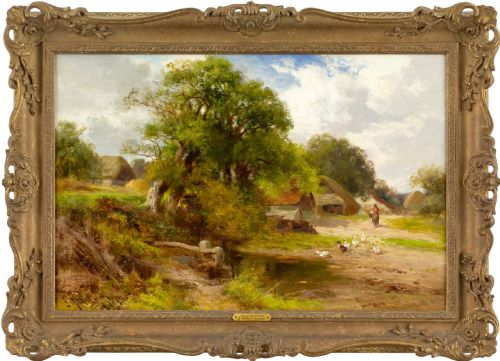
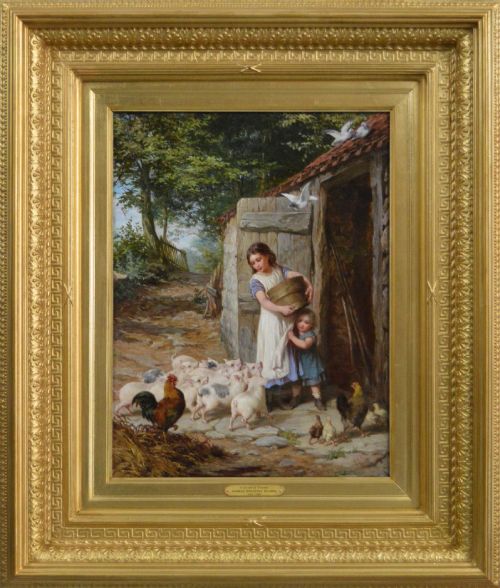
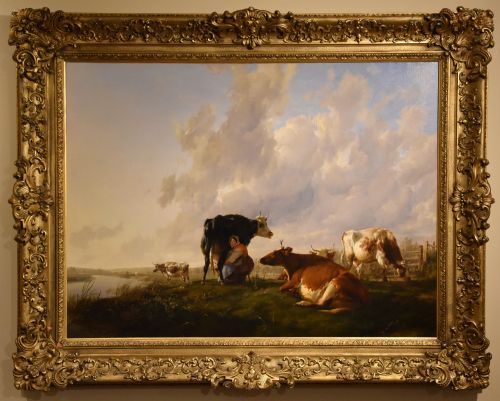
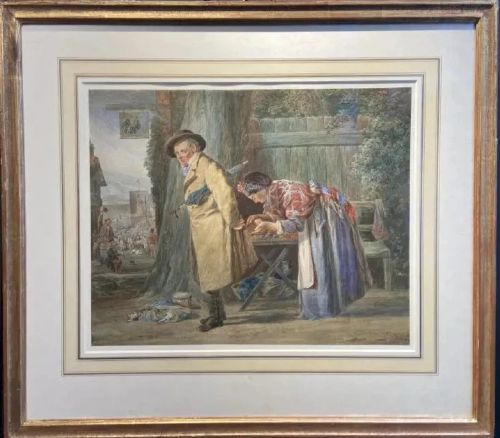
Victorian Country Scene
A victorian country scene brings the quiet of nineteenth-century rural life indoors through oil and watercolour.
Victorian Country Scene
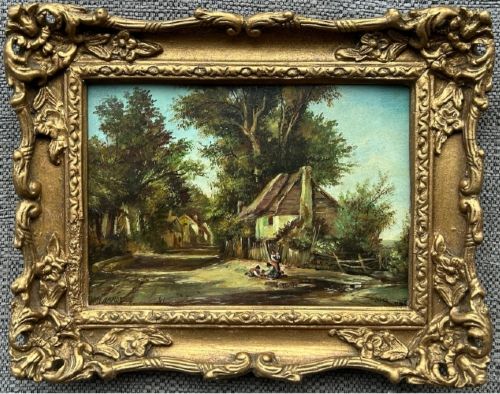
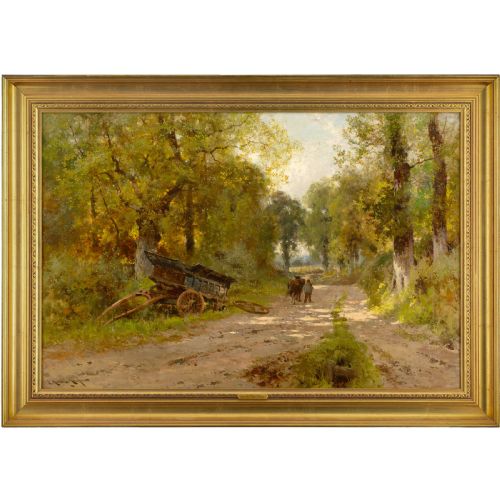
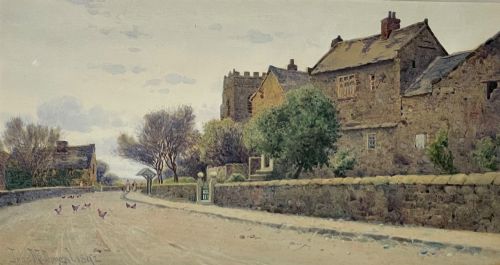
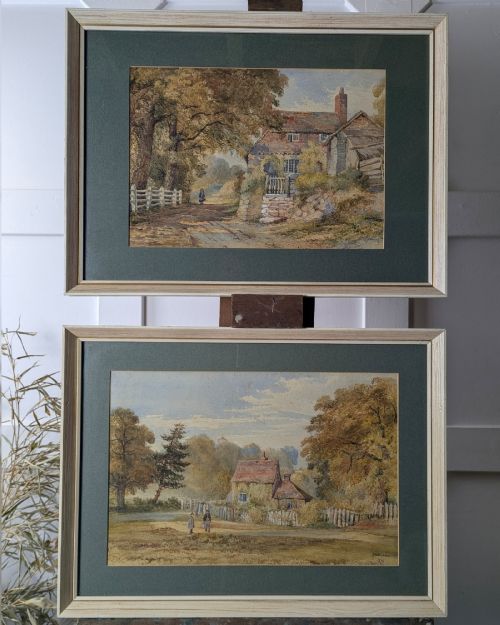
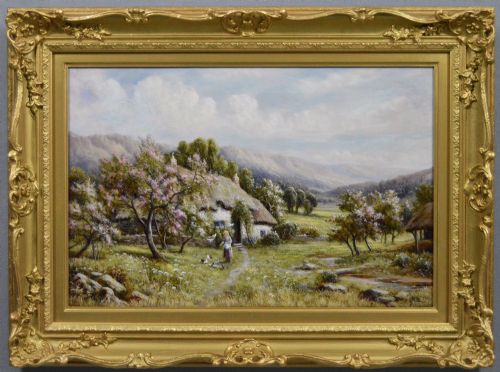
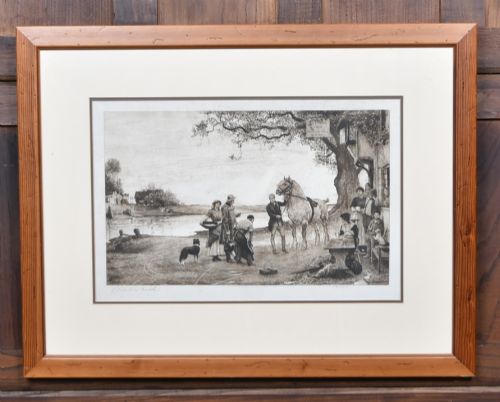
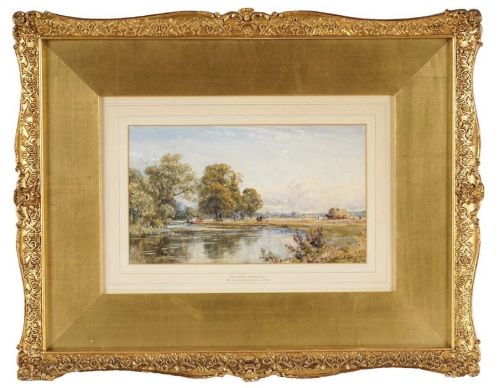
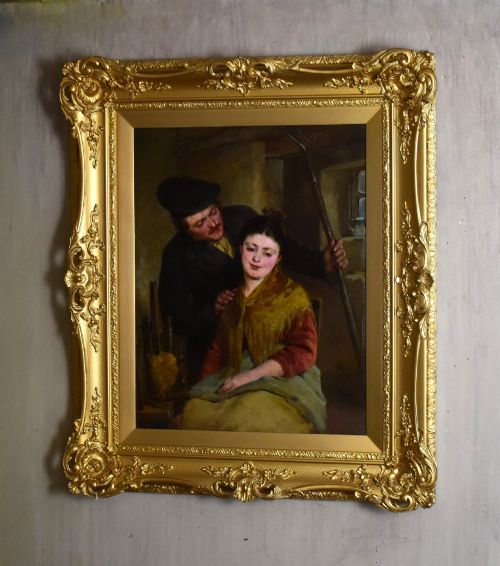
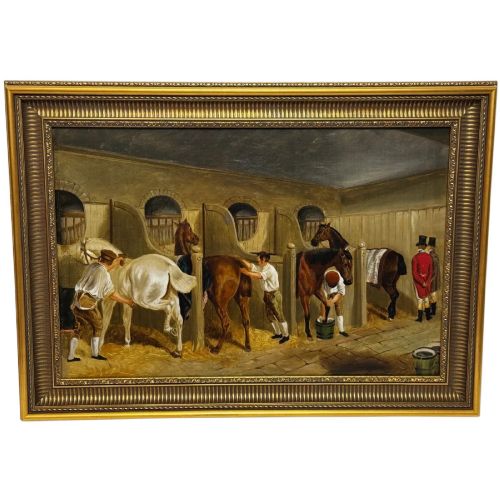
A victorian country scene captures the rural life, agricultural landscapes, and quiet villages of the nineteenth century. These works document farmland, farmyard animals, country houses, and cottage life through the eyes of contemporary painters and watercolourists.
Most pieces on this page emerge from the Victorian period, spanning the mid-nineteenth century through to the early twentieth century. They take the form of framed oil paintings on canvas or panel, detailed watercolours on paper, and occasional pastels or etchings.
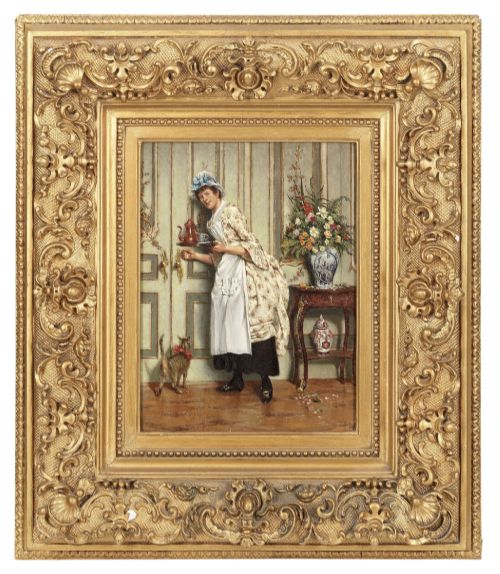
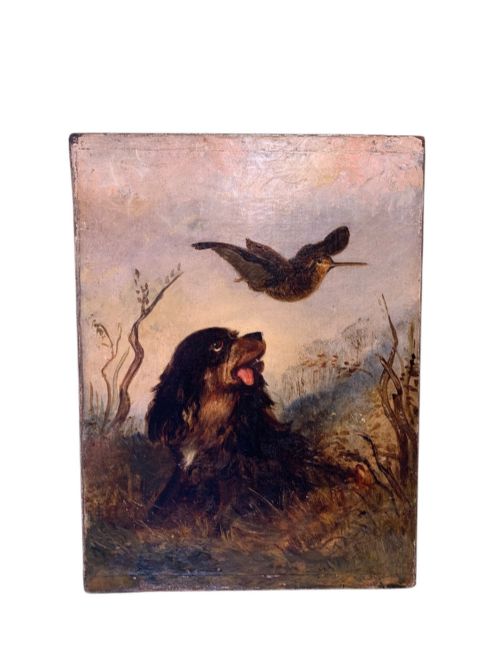
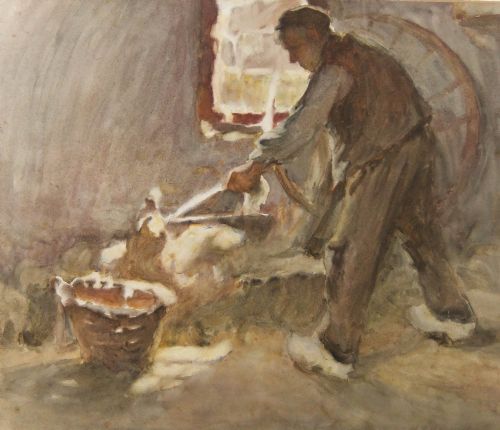
The subjects range widely from sweeping pastoral landscapes and river scenes to intimate domestic interiors and farmyard studies. Figures often appear tending livestock, working the land, or pausing outside rural cottages.
How They Were Made
Artists built these works primarily using oil paint on stretched canvas or wooden panels, alongside watercolours applied to heavy paper. Watercolour works often utilised bodycolour or gouache highlights to add opacity and depth to skies and water.
Many surviving pieces retain their original period framing, constructed from wood and gesso with applied gold leaf or gilt finishes. These frames frequently feature intricate moulded ornamentation characteristic of nineteenth-century framing workshops.
Victorian Country Scene Retail Price Guide 2026
Typical asking prices for victorian country scene among the pieces listed under this phrase on Sellingantiques today, from the lower quarter to the upper quarter. They describe what is for sale here now, not the wider market.
Listings span the nineteenth century up to nineteen-ten, utilising oil, watercolour, gouache, and etching on canvas, panel, and paper.
What Varies in Quality
Quality rests heavily on the artist's command of light, atmospheric perspective, and anatomical precision in figures and animals. Superior works demonstrate confident brushwork and a convincing sense of depth, whereas lesser pieces remain stiff and formulaic in composition.
The preservation of the painted surface and the integrity of the original support dictate much of the piece's standing. Works that retain their unlined canvases and original gilt frames hold greater visual harmony than those altered by heavy restoration.
William Howard Hardy·John Horace Hooper·John McDougal·Stephen Samuel Lewin·Robert A Nottingham·Henry Silkstone Hopwood·Robert John Hammond·Robert W Macbeth·Robert Thorne Waite·Howard Helmick·George Augustus Holmes·Thomas Sidney Cooper·Joseph H Barnes·Frederick Walker·Frederick James Kerr·Edgar Hunt·Johann Friedrich Voltz·Henry H Parker·Thomas Walker Bretland·Miles Birkett Foster·Henry Schouten·Herman S Melville·Charles Edward Wilson·Claude Cardon·Joseph Knight
The Victorian Country Scene Glossary
- Oil on Canvas
- Pigment mixed with drying oil applied to a woven fabric support stretched over a wooden frame. This medium allowed artists to work slowly, blending colours and building rich surface textures.
- Watercolour
- Pigment suspended in a water-soluble vehicle, traditionally painted on paper. It relies on the white of the paper to shine through transparent washes of colour.
- Gesso
- A plaster-like mixture applied to wood or canvas as a prepared base for painting or gilding. On frames, it provides a smooth surface for intricate moulded ornament.
- Giltwood
- Wood carved and coated with gold leaf or metallic paint. It forms the classic ornate frame surrounding many nineteenth-century pictures.
- Etching
- A printmaking technique where lines are bitten into a metal plate with acid before ink is applied. It creates fine, detailed linear imagery on paper.
Victorian Country Scene: Frequently Asked Questions
What subjects appear in these paintings?
The subjects focus primarily on nineteenth-century rural life, including agricultural landscapes, farmyard animals, river banks, and cottage scenes. Painters frequently included figures such as milkmaids, blacksmiths, shepherds, and children interacting with nature.
These compositions reflect the prevailing Victorian fascination with the countryside, contrasting industrial growth with traditional rural routines and pastoral calm.
How do I care for antique watercolours?
Watercolour paintings on paper require careful protection from direct sunlight to prevent the pigments and paper support from fading. Framing under glass with acid-free mounts ensures the paper remains stable over time.
Keep these works away from damp environments like kitchens or unheated rooms to avoid foxing and mould growth on the paper.
Are these paintings signed by the artists?
Many works bear the artist's signature, monogram, or date, often inscribed directly into the lower corner of the canvas or paper. Some pieces also feature contemporary inscriptions on the reverse stretcher bars or frame.
Unsigned works typically attribute to a specific British or European school of the period based on technique, palette, and subject matter.
How do I display an oil painting properly?
Oil paintings on canvas thrive in stable indoor environments with moderate humidity and minimal temperature fluctuation. Avoid hanging them above active fireplaces or on damp exterior walls.
Dust the surface gently with a soft, dry brush rather than using chemical cleaners or damp cloths, which can damage the paint layer.