

Victorian Corinthian Column Lighting
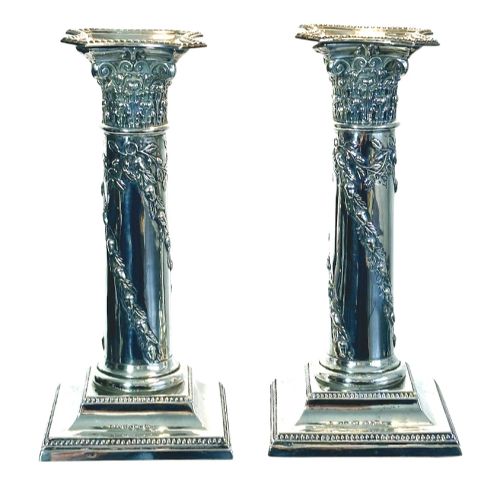
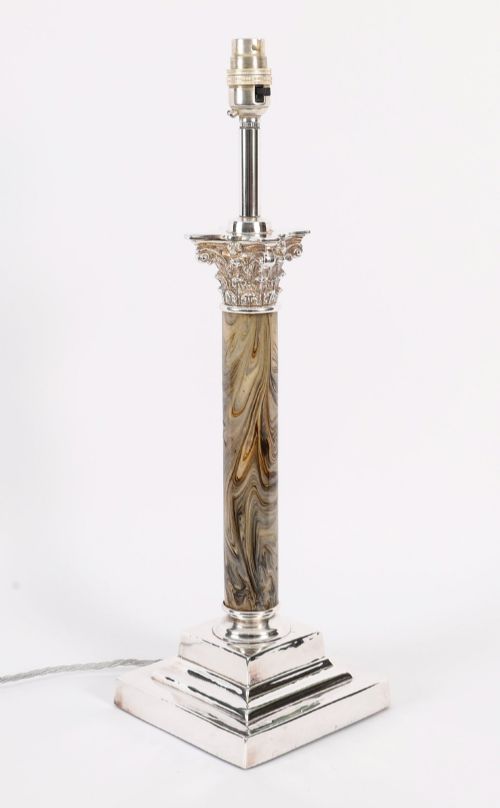
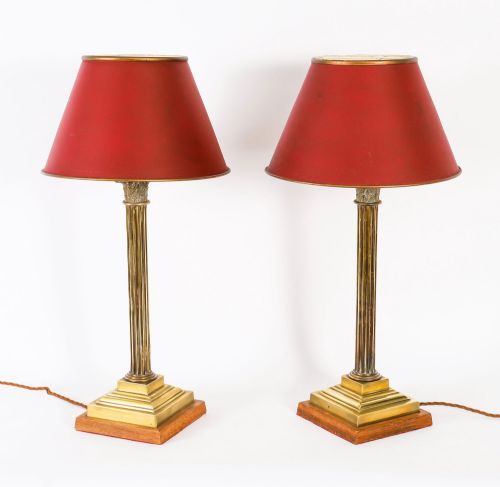
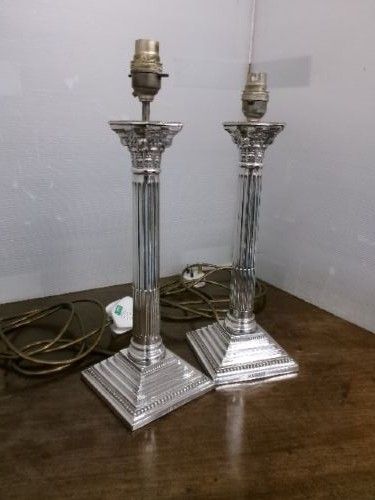
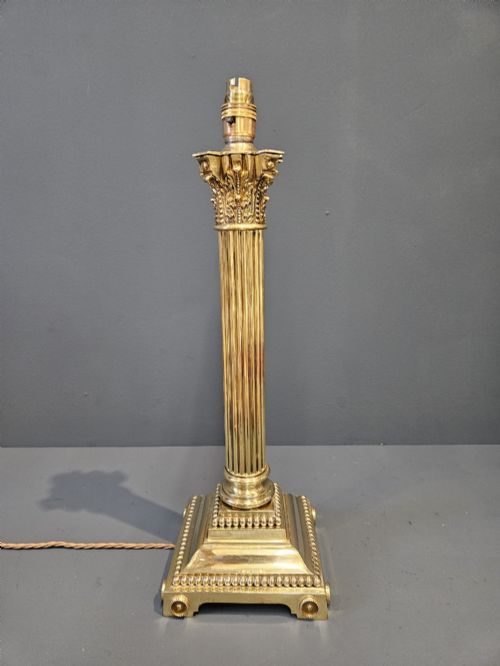
Victorian corinthian column lighting brings classical proportion to domestic spaces through tall, fluted brass and silver-plated standards.
Victorian Corinthian Column Lighting
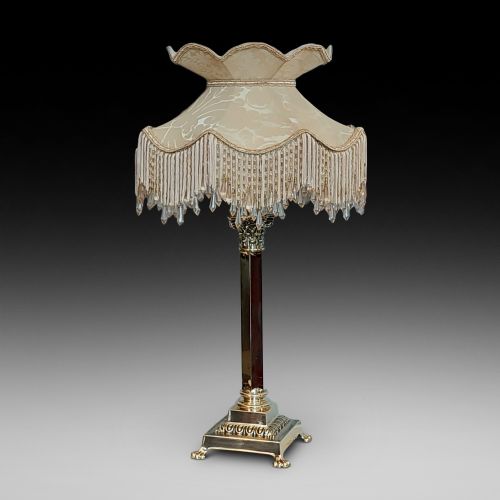
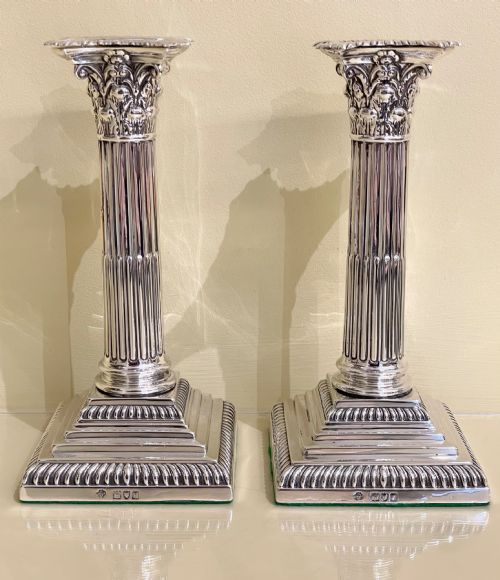
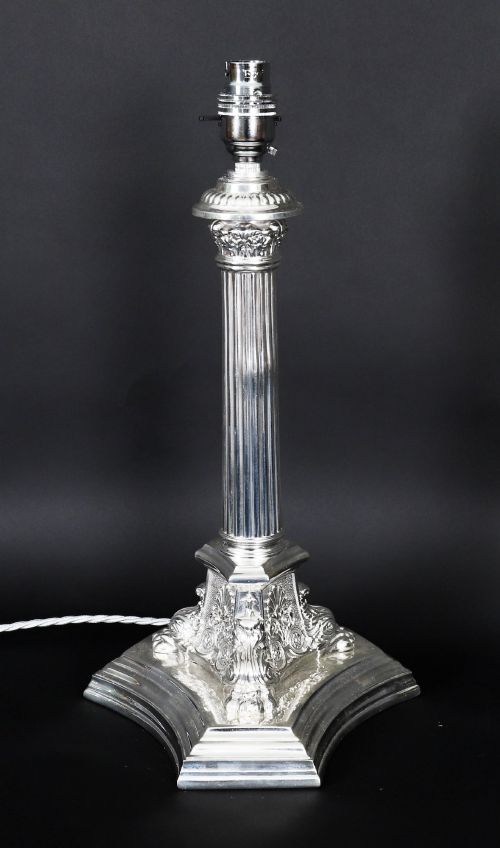
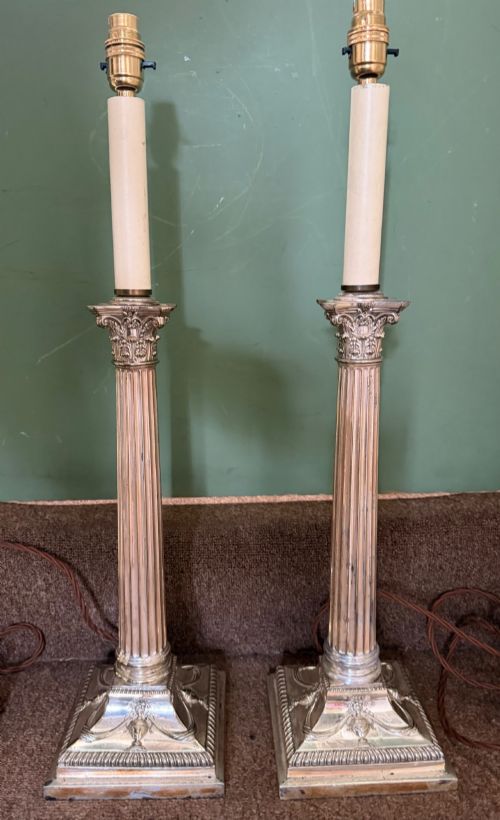
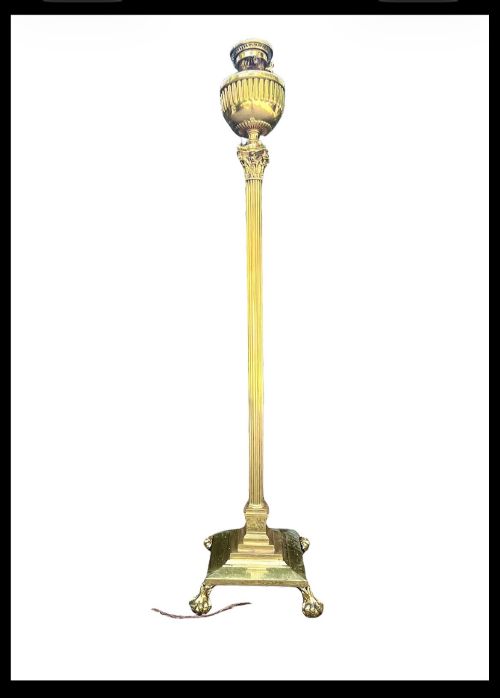
Victorian corinthian column lighting encompasses tall standard lamps, table-top oil lamps, and candlesticks drawn from classical revival designs. These pieces translate ancient architectural orders into functional household illumination for nineteenth-century interiors.
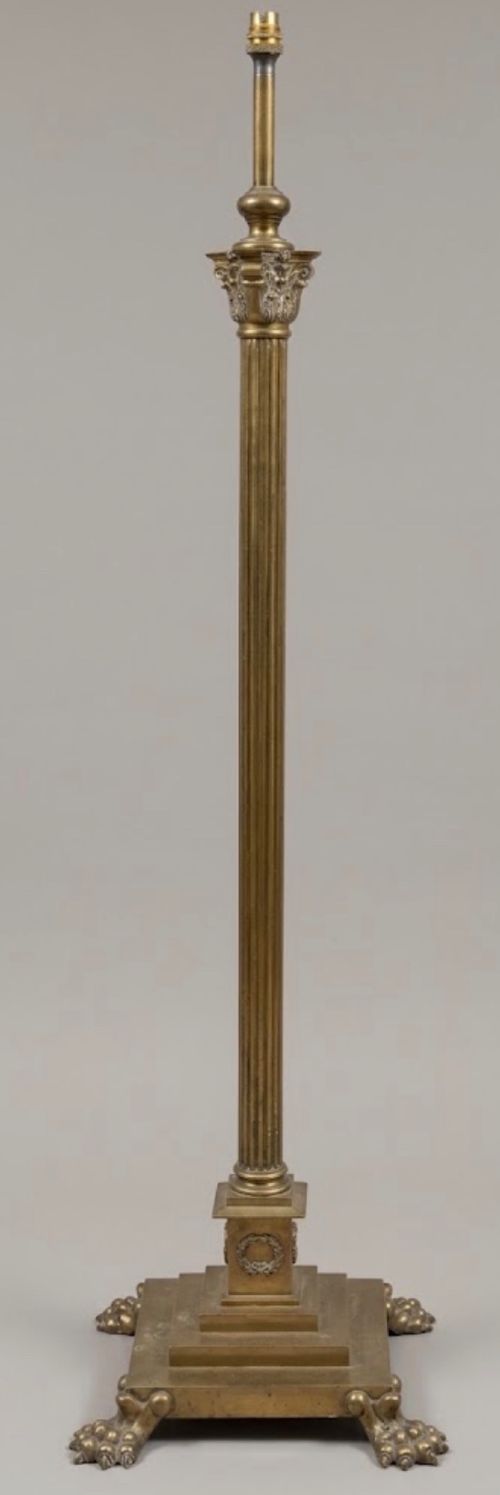
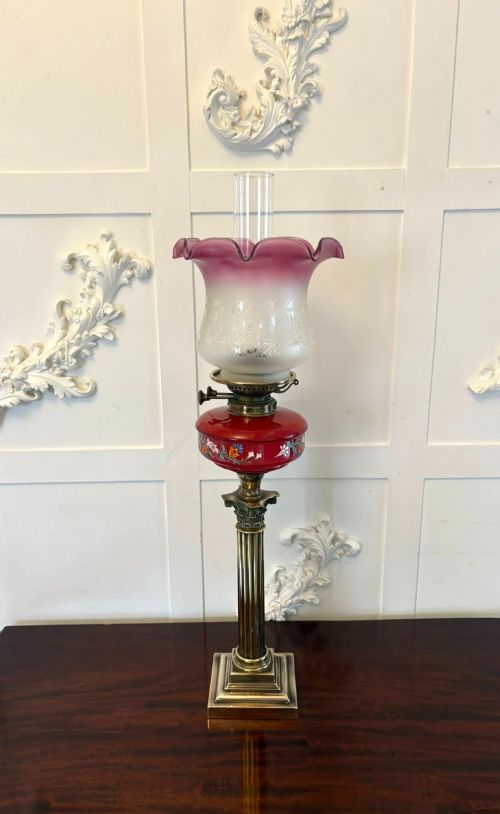
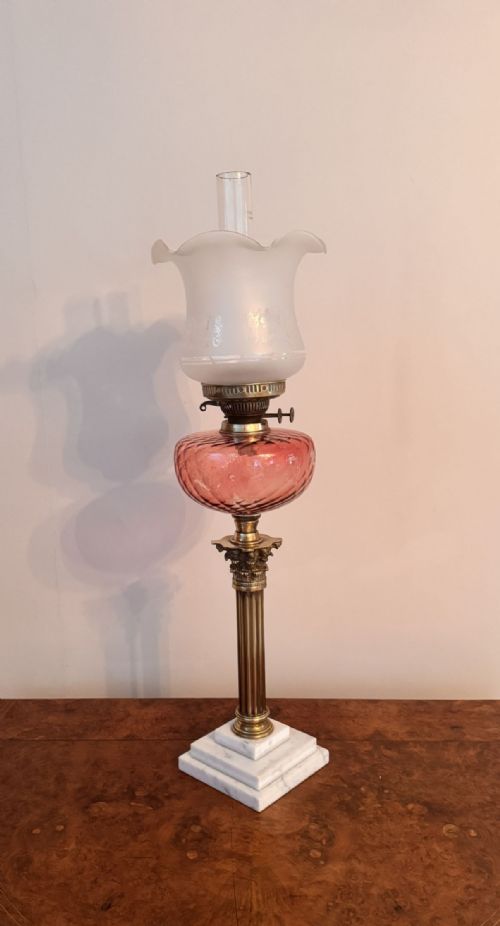
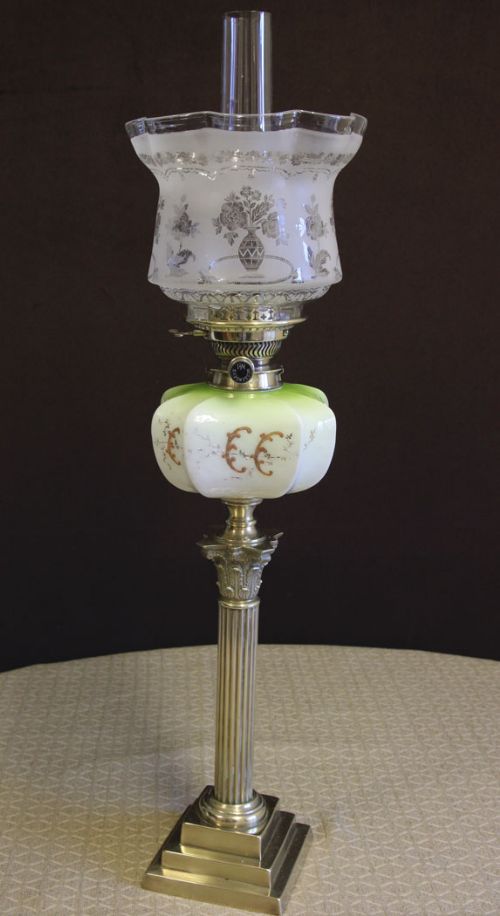
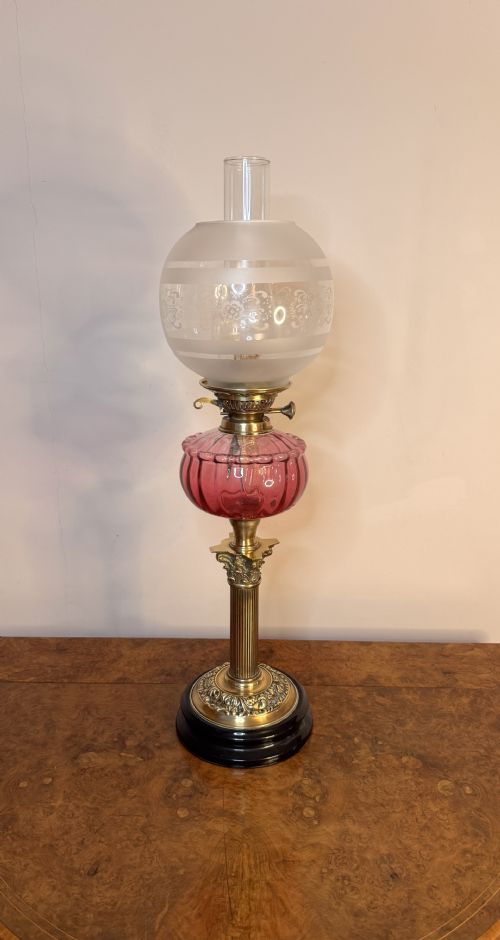
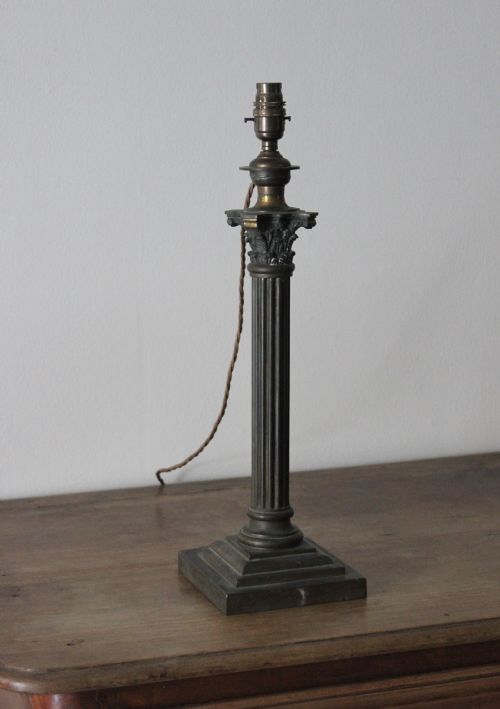
The version most commonly met on this page is the brass table lamp or oil lamp featuring a stepped plinth, fluted shaft, and ornate acanthus-leaf capital. Such lighting spans the mid-nineteenth century through to the early twentieth century, incorporating later Edwardian iterations.
Makers often paired these metallic columns with contrasting font materials, most notably vibrant cranberry glass, cut glass, or white glass tulip shades. Others integrated marble plinths or lion's paw feet to heighten the neoclassical aesthetic.
Materials and construction
Foundry workers cast brass components in sections, turning shafts on lathes and chiselling capitals by hand to achieve crisp botanical detail on the acanthus leaves. Silver-plated examples received a durable coating over base metals, while heavier floor lamps utilised weighted iron bases for stability.
Glass fonts and shades were blown into moulds or free-blown before undergoing etching, cutting, or casing techniques to create coloured layers. Makers then combined these fragile glass reservoirs with metal collars, burners, and ceramic components using threaded fittings and plaster cores.
Victorian Corinthian Column Lighting Retail Price Guide 2026
Typical asking prices for victorian corinthian column lighting among the pieces listed under this phrase on Sellingantiques today, from the lower quarter to the upper quarter. They describe what is for sale here now, not the wider market.
Some Victorian oil lamp fonts feature painted winter scenes of snow-covered cottages beneath glowing glass skies.
Judging quality
The finest examples distinguish themselves through the crispness of the bronze or brass casting, where capital details remain sharp and deep rather than soft or smoothed by repeated polishing. Heavier gauge metalwork and substantial marble plinths denote superior manufacturing standards.
Proportion and scale dictate desirability, particularly in floor-standing standards where a slender, well-balanced column commands presence without clumsiness. The retention of original period burners, matching etched shades, and maker stamps add considerable merit.
Hinks of Birmingham·Goldsmiths and Silversmiths Company
The Victorian Corinthian Column Lighting Glossary
- Capital
- The decorative uppermost member of a column, typically carved or cast with acanthus leaves in the Corinthian order. It forms the transition between the vertical shaft and the lamp font.
- Duplex burner
- A double-wick mechanism popular on late nineteenth-century oil lamps for producing a brighter flame. These brass fittings often bear manufacturer names and adjustable thumbwheels.
- Standard lamp
- A tall floor-standing lighting fixture designed to illuminate a room from standing height rather than a tabletop. They frequently incorporate heavy weighted bases to support the long column.
- Plinth
- The square or stepped base block supporting the column, occasionally featuring decorative feet or marble inserts. It provides necessary stability for the vertical weight above.
Victorian Corinthian Column Lighting: Frequently Asked Questions
How do I convert an oil lamp?
Most table lamps retain their original burners, which can be discreetly adapted for electricity by running a cord through the internal fuel channel without altering the exterior metalwork.
Retaining the original burner collar ensures the conversion remains reversible and preserves the structural integrity of the antique.
What periods do these lamps cover?
The lighting spans the Victorian era through the Edwardian period, primarily clustering between eighteen-sixty and nineteen-twenty. Neoclassical revival designs remained popular across these decades.
Stylistic shifts appear mainly in the transition from heavy oil lamp reservoirs to simpler electrical fittings in later twentieth-century pieces.
How should I clean brass columns?
Gentle dusting with a soft cloth protects the patinated brass surface from accumulating dirt and corrosive residues. Avoid harsh chemical polishes that strip away age-acquired patination.
Silver-plated variants require specialised non-abrasive silver care to maintain the thin metallic layer over the underlying base metal.
Were these originally candlesticks?
Some tall brass and silver-plated examples began life as candlesticks before conversion into lamps during subsequent electrification eras. Hallmarks on silver items help determine their original domestic purpose.
Checking the base reveals whether weight has been added or if internal threading was introduced later for electrical wiring.