
Victorian Column Light
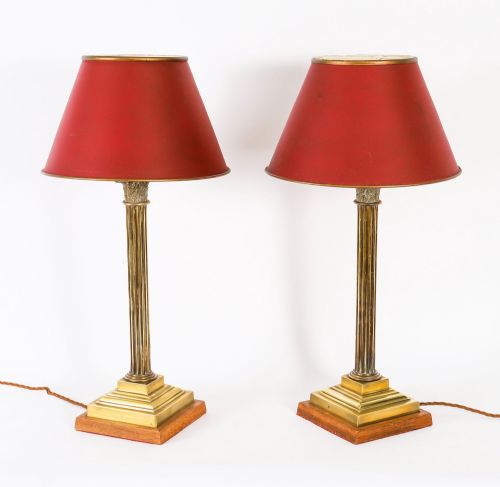
A victorian column light brings architectural dignity and warm illumination into a room, offering a solid brass or silver-plated structure built to last.
Victorian Column Light
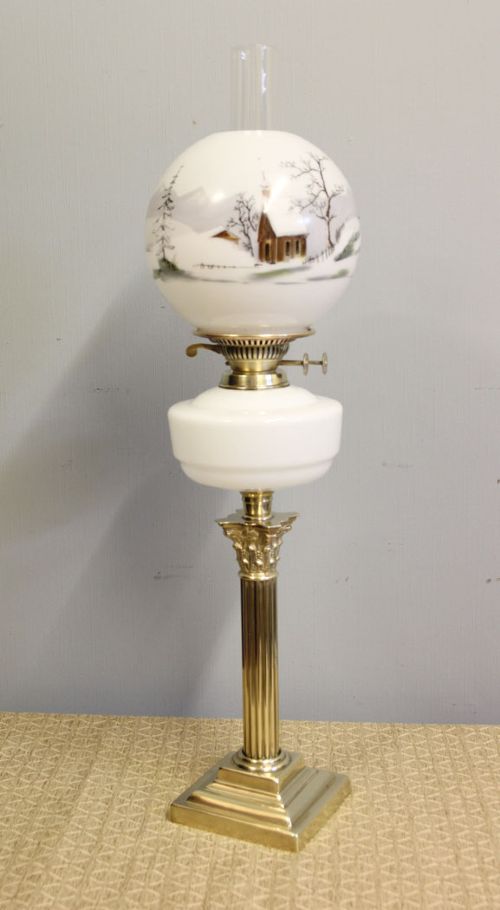
When you search for a victorian column light, you encounter tall, stately fixtures inspired by classical architecture, often adapted from earlier oil lamps into electric table or floor lamps. These pieces primarily date from the nineteenth century through the early twentieth century, spanning periods from eighteen fifty to nineteen twenty.
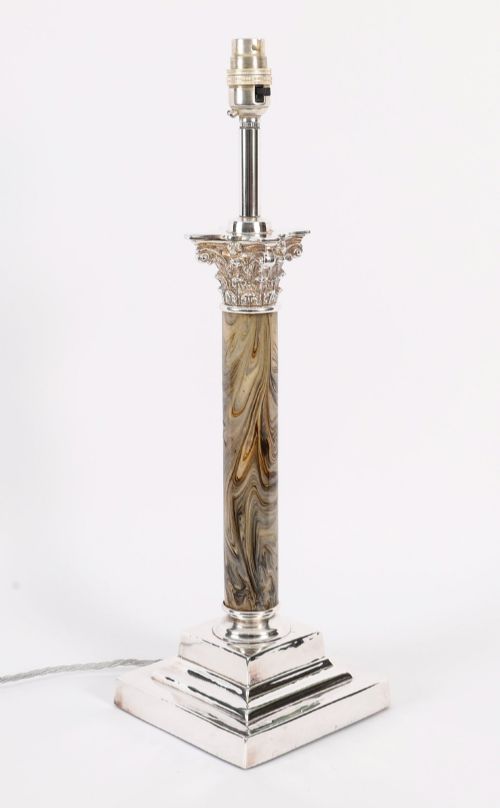
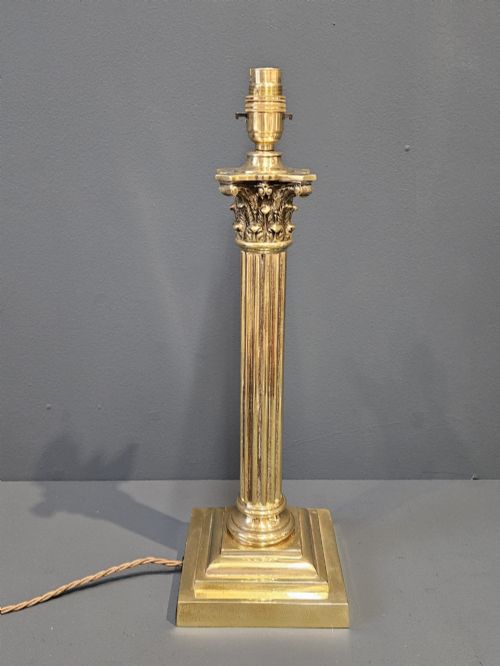
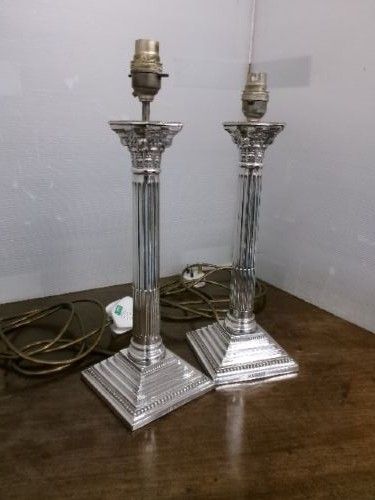
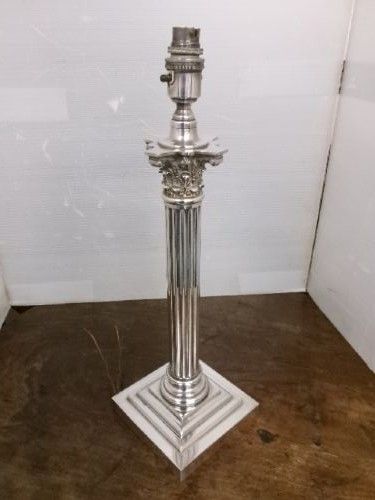
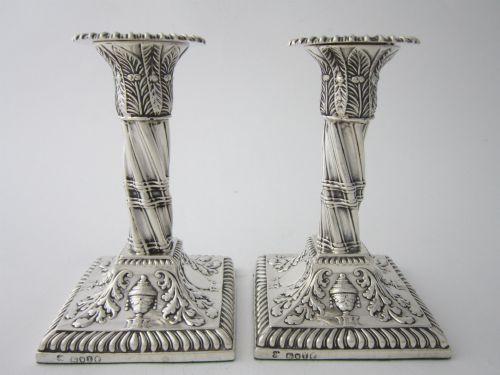
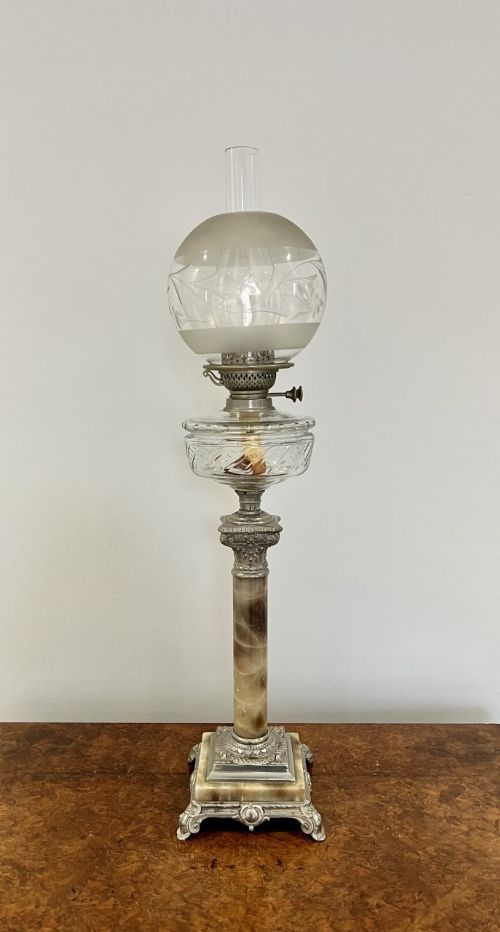
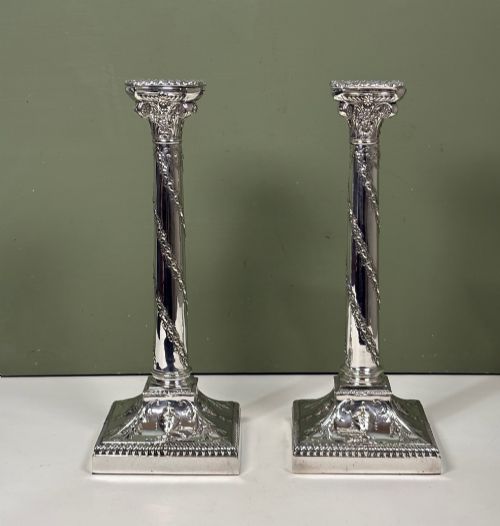
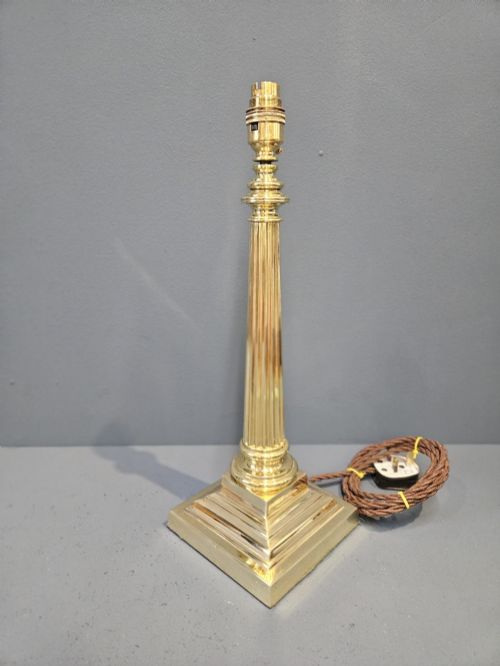
The most common forms on this page include brass table lamps and silver-plated standards featuring classical orders such as Corinthian capitals. Alongside these metal designs, examples appear in ceramic, onyx, marble, and wood, frequently paired with glass shades or fabric elements.
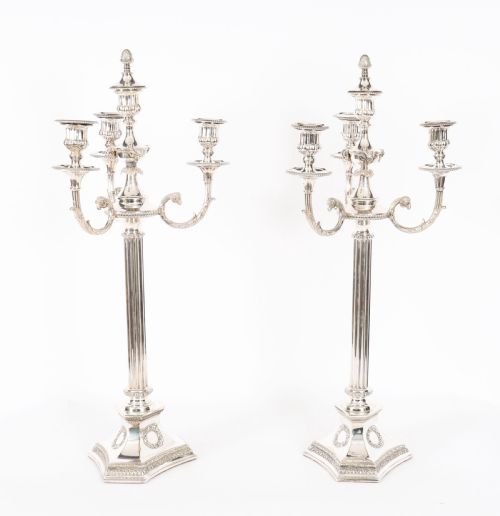
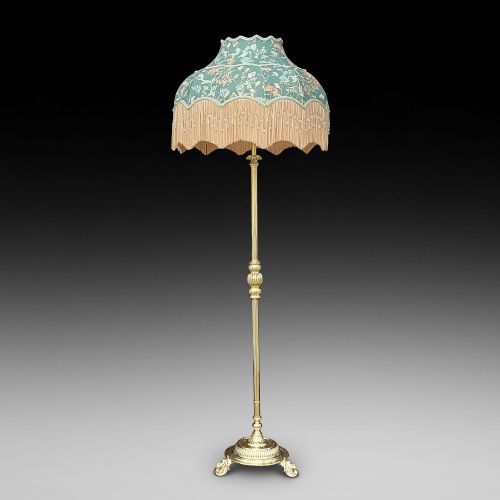
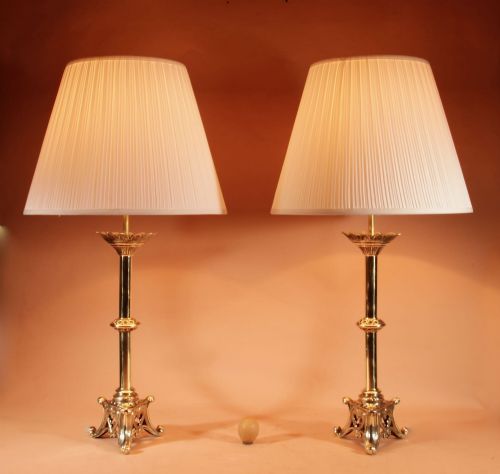
Beyond standard table lamps, the selection includes candelabra, floor lamps, and oil lamps that demonstrate how interior lighting evolved during the Victorian and Edwardian eras. These upright light fixtures served both functional and decorative roles in period homes, anchoring sitting rooms and libraries with vertical presence.
Materials and Construction
These columns rely heavily on cast brass, silver plate on base metals, and sterling silver, providing a sturdy metallic core that supports intricate capital detailing and weighted bases. Makers utilised turning, casting, and reeding techniques to shape the metal shafts into fluted or plain cylindrical columns.
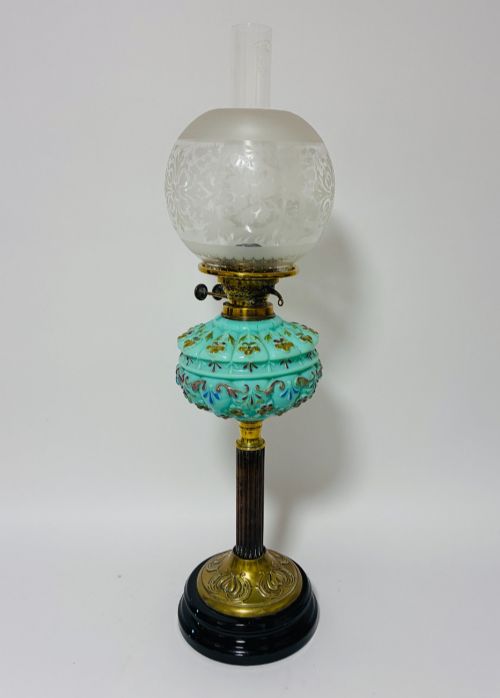
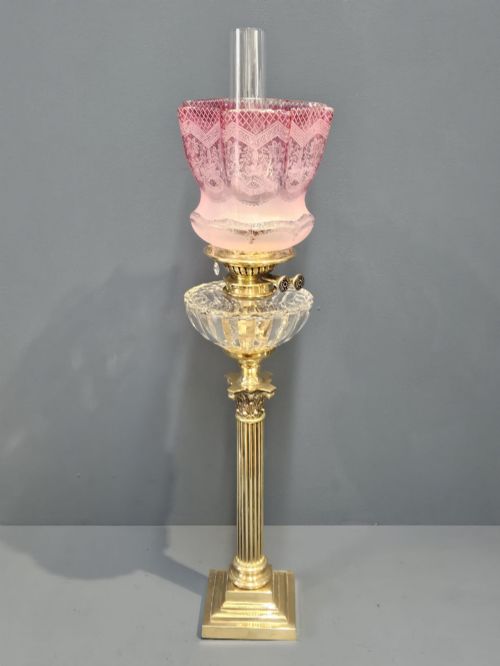
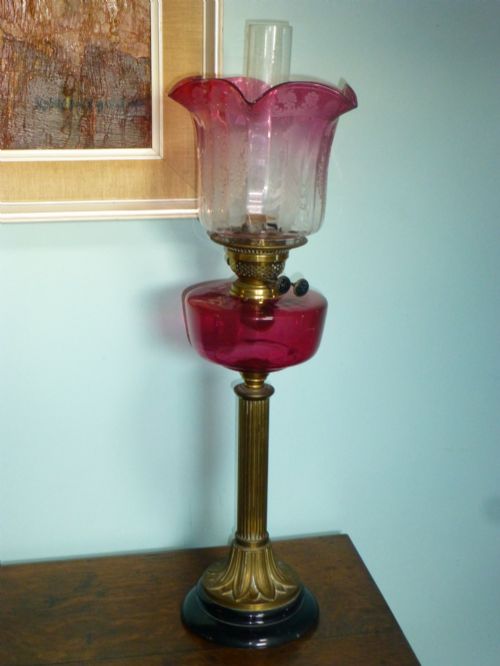
Many examples incorporate contrasting materials, combining brass or silver with onyx, marble, opaline glass, and lignum vitae to add colour and texture to the shaft. Oil lamp variants frequently feature blown or hand-painted glass shades in cranberry or patterned glass, secured by brass burners.
Listings feature materials including brass, glass, silver plate, fabric, metal, ceramic, opaline glass, and onyx across various nineteenth and early twentieth century dates.
Measures of Quality
Distinctions in quality rest upon the crispness of the casting in the capital and the overall weight and stability of the base. Finer examples display deeply carved or cast acanthus leaves on Corinthian capitals and substantial metal thickness rather than hollow lightweight construction.
The integration of materials also dictates standard, where pieces utilising solid sterling silver, fine cast brass, or high-grade onyx exhibit superior craftsmanship compared to simpler plated variants. Furthermore, original components such as marked burners or matched glass shades elevate the integrity of the piece.
Hinks Ionic Column·Mc Garys Patent
The Victorian Column Light Glossary
- Corinthian Column
- An architectural order featuring an ornate capital decorated with rows of acanthus leaves. This motif is frequently cast in brass or silver plate on Victorian lamp standards.
- Duplex Burner
- A double-wick mechanism found on nineteenth-century oil lamps designed to produce a brighter flame. These brass burners often bear maker stamps from the period.
- Opaline Glass
- A pale, semi-translucent glass developed in the nineteenth century, often tinted in white or pastel shades. It appears frequently in period lamp bases and shades.
- Silver Plate
- A thin layer of silver fused to a base metal such as copper or brass. Many Victorian lighting pieces utilise this technique to achieve the look of solid silver at a different scale.
- Reeded Column
- A decorative architectural feature consisting of parallel convex mouldings running vertically up the shaft. This technique adds texture and visual length to table and floor lamps.
Victorian Column Light: Frequently Asked Questions
What is a Corinthian column lamp?
A Corinthian column lamp is a lighting fixture designed to resemble a classical Greek or Roman pillar, topped with ornate acanthus leaf carvings. These pieces were produced extensively during the Victorian period in brass and silver plate.
Many of these items started as oil lamps before being converted to electricity later in their lifespans. They remain popular for adding formal architectural structure to traditional interiors.
How do I identify a Victorian oil lamp?
Victorian oil lamps typically feature a heavy metal or ceramic base, a central fuel reservoir, and a brass burner mechanism at the top. They often retain coloured or patterned glass shades, such as cranberry glass.
Examining the burner mechanism for maker marks and checking the weight of the metal can help confirm the nineteenth-century origin.
Are these lamps converted to electricity?
Most of the oil lamps and candelabra listed on this page have been safely wired for modern electrical use. Conversions often allow the original burner or stem to remain intact without destroying the antique structure.
Buyers can use standard modern bulbs and shades while retaining the original nineteenth-century metalwork and proportions in the room.
What materials were used for Victorian floor lamps?
Victorian floor lamps and standard lamps were constructed primarily from cast brass, silver plate, turned wood like lignum vitae, and occasionally wrought iron. Some examples incorporate marble or onyx sections in the upright shaft for added weight and decoration.
These heavier materials ensured the tall standards remained stable when supporting heavy glass shades or multi-light fixtures.