




Victorian Coloured Glassware
Victorian coloured glassware brings rich hues and hand-blown forms to the table, offering a vibrant charm that collectors and hosts seek out.
Victorian Coloured Glassware
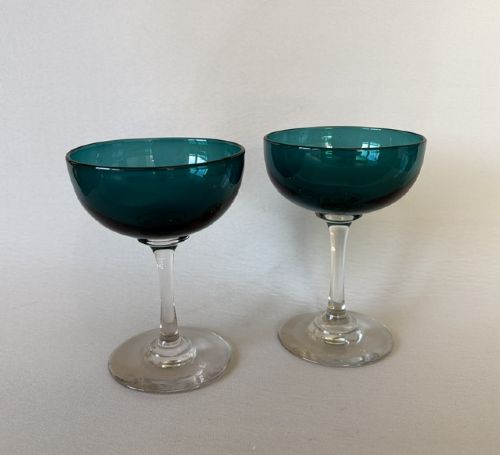
Victorian coloured glassware comprises drinking vessels and stemware produced across the nineteenth century, encompassing distinct periods from the Georgian overlap through to the turn of the twentieth century. These pieces primarily take the form of wine glasses, dessert wine glasses, and liquor glasses designed for dining and display.
Materials and Techniques
These items are shaped from lead glass and coloured glass, frequently finished using hand-blown glass techniques that impart individual character to each vessel. Artisans introduced metallic oxides into the molten batch to achieve deep tones such as cranberry, emerald, and amethyst.
Particular production methods include the formation of specialised components like bobbin stems and tulip-shaped bowls. The interaction of heat and manual manipulation results in the varied silhouettes seen across English and Venetian workshops.
Victorian Coloured Glassware Retail Price Guide 2026
Typical asking prices for victorian coloured glassware among the pieces listed under this phrase on Sellingantiques today, from the lower quarter to the upper quarter. They describe what is for sale here now, not the wider market.
Some Victorian drinkers preferred deeply tinted vessels so guests could not easily inspect the sediment swirling at the bottom of their wine.
Assessing Quality
Quality in these objects rests upon the depth and evenness of the hue running through the glass, alongside the crispness of hand-formed details such as stem profiles and bowl symmetry. Consistency across a larger set elevates the standing of the glassware.
The refinement of the initial blowing process and the purity of the lead glass influence the clarity and resonance of the piece. Subtle variations in weight and proportion distinguish standard utilitarian wares from finer decorative stemware.
The Victorian Coloured Glassware Glossary
- Cranberry Glass
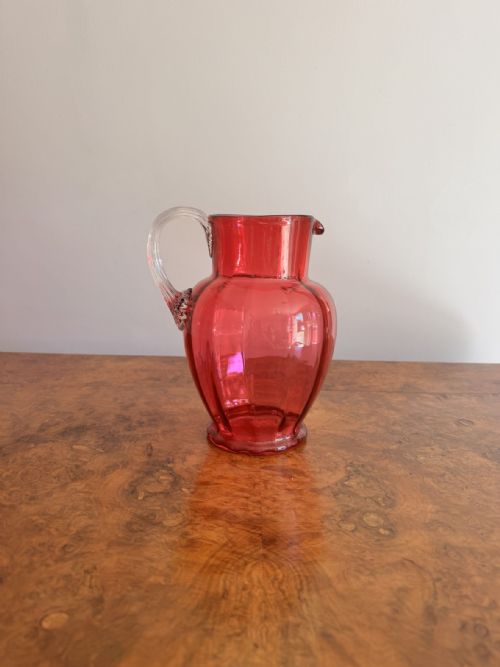
- A transparent pinkish-red glass coloured with gold chloride. It remains a defining aesthetic of nineteenth-century dining tables.
- Lead Glass
- Heavy glass containing lead oxide, offering increased brilliance and weight. This material allows for smoother manipulation during blowing.
- Bobbin Stem
- A stem turned or formed with rounded, bead-like segments resembling a textile bobbin. It provides a tactile grip on nineteenth-century stemware.
- Hand-Blown Glass
- Glass shaped by inflating molten metal on the end of a blowpipe. This method leaves subtle individual marks of craftsmanship on every vessel.
Victorian Coloured Glassware: Frequently Asked Questions
How do I clean antique coloured glassware?
Wash these items gently by hand using lukewarm water and a mild detergent. Avoid sudden temperature changes to protect the historic material.
Dry each piece immediately with a soft lint-free cloth to maintain the clarity and brilliance of the coloured surface.
Are these wine glasses safe for daily use?
While these vessels were originally made for dining, their age and delicate hand-blown nature make careful handling essential.
Many collectors prefer to reserve them for special occasions or display them to prevent accidental knocks and modern dishwasher damage.
How can I tell the period of coloured glassware?
Dating relies on observing manufacturing characteristics, colour saturation, and specific stylistic traits recorded in nineteenth-century examples.
Matching the form, such as tulip bowls or bobbin stems, with known regional production helps narrow down the decade of origin.
What makes cranberry glass distinct?
Cranberry glass is distinguished by its characteristic pinkish-red tone achieved through the introduction of gold into the molten batch.
This specific coloration reacts to light with a distinct warmth that separates it from surface-flashed or painted alternatives.