





Victorian Chinoiserie Wall Mirror
A victorian chinoiserie wall mirror brings eccentric Far Eastern motifs and rich black lacquer or giltwood into a room with striking visual authority.
Victorian Chinoiserie Wall Mirror
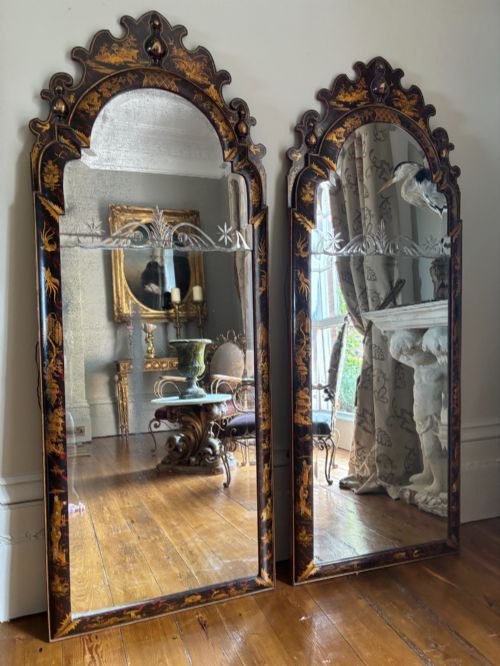
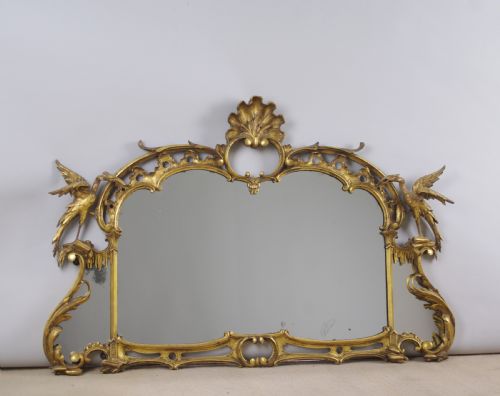
A victorian chinoiserie wall mirror is a decorative looking glass defined by ornate frames styled after oriental themes, Chinese Chippendale revival designs, and aesthetic movement taste. These pieces bring distinct exoticism into domestic interiors through motifs derived from East Asian art interpreted by nineteenth-century European makers.
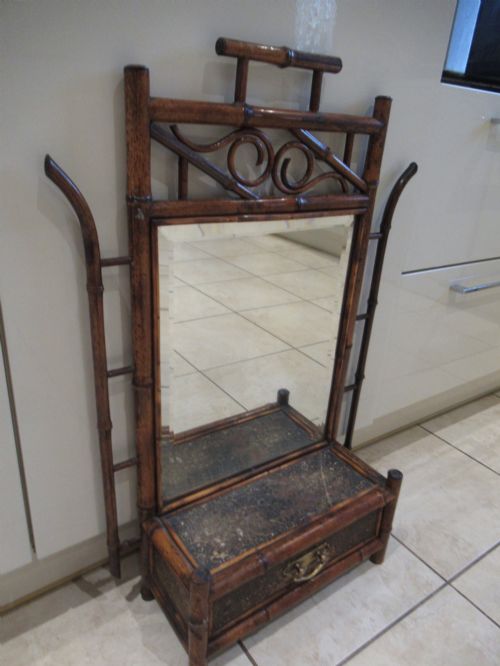
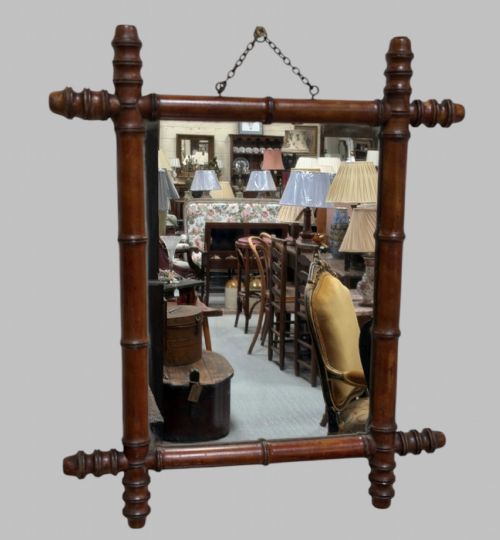
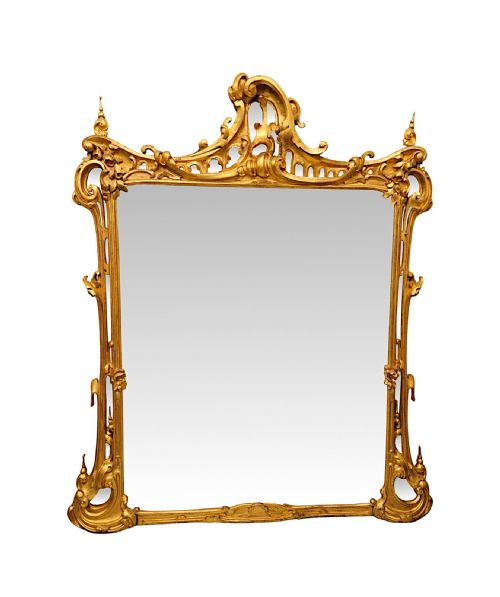
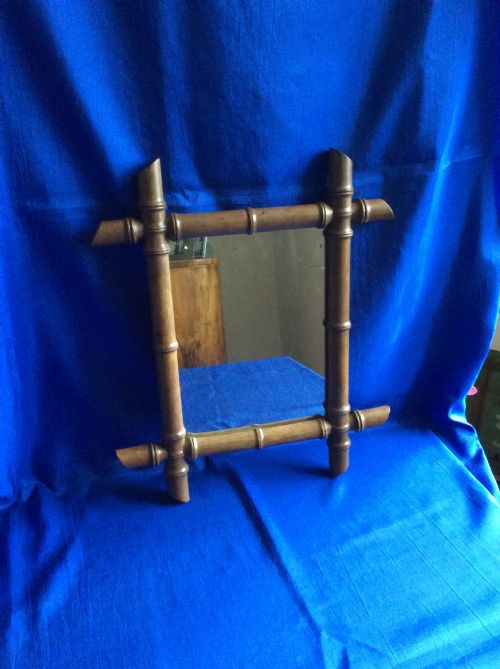
The versions most commonly met on this page span the late nineteenth century into the Edwardian era, taking the form of overmantel mirrors, pier glasses, and smaller wall-hanging formats. Frames frequently utilise carved wood, giltwood, or black lacquer, often incorporating faux bamboo or intricate fretwork panels.
Makers of the period drew heavily on eighteenth-century Chinese Chippendale patterns while blending them with contemporary Victorian tastes for eclectic interior decoration. Surviving examples range from large overmantel installations intended for principal reception rooms down to more intimate wall or shelf mirrors.
How they were made
Makers constructed these frames predominantly from wood, employing carved wood and applied mouldings to achieve the intricate fretwork and pagoda silhouettes typical of the style. Giltwood surfaces received thin layers of gold leaf applied over gesso preparations, while other examples featured dark lacquer finishes.
The period also saw considerable use of turned wood to create faux bamboo effects, reflecting a broader nineteenth-century fascination with Japanese and Chinese flora. Mirror glass was typically bevelled by hand or set into multi-plate overmantel configurations, held within rebated wooden frames behind secure backing boards.
Victorian Chinoiserie Wall Mirror Retail Price Guide 2026
Typical asking prices for victorian chinoiserie wall mirror among the pieces listed under this phrase on Sellingantiques today, from the lower quarter to the upper quarter. They describe what is for sale here now, not the wider market.
Listings feature items spanning the nineteenth century up to the 1930s, incorporating materials such as carved wood, giltwood, brass, and lacquer.
What varies in quality
The distinction between ordinary and superior pieces rests on the depth and crispness of the carving, particularly within complex fretwork and pagoda crestings. Finer mirrors display hand-carved detailing that maintains sharp contours, whereas lesser examples rely on cast composition ornament applied to simpler wooden carcasses.
The quality of the finish marks another clear separation, with deep hand-applied lacquer and well-preserved burnished gilding indicating superior workshop production. Original mirror glass with authentic foxing holds greater appeal for collectors than later replacement plates, retaining the genuine visual depth of the period.
Gabriel Viardot
The Victorian Chinoiserie Wall Mirror Glossary
- Chinoiserie
- European artistic interpretation of Chinese and East Asian decorative styles, popular during the eighteenth and nineteenth centuries. This aesthetic manifests in motifs of pagodas, exotic figures, and asymmetric landscapes.
- Giltwood
- Timber, most commonly pine or gesso-coated wood, covered with a thin layer of gold leaf or metal leaf. It provides the brilliant reflective surfaces seen on formal Victorian overmantel mirrors.
- Faux bamboo
- Wood turned and carved to imitate the segmented stems of real bamboo, widely utilised during the aesthetic movement and late nineteenth century. It satisfied Victorian demand for exotic botanical forms.
- Overmantel mirror
- A large looking glass designed specifically to hang on the wall directly above a fireplace mantelpiece. These pieces frequently anchor the decorative scheme of a Victorian reception room.
- Chinese Chippendale
- An eighteenth-century English furniture style revived with enthusiasm during the Victorian era, characterised by intricate fretwork, lattice patterns, and pagoda pediments.
Victorian Chinoiserie Wall Mirror: Frequently Asked Questions
How do I date a chinoiserie mirror?
Dating relies on examining the construction methods of the wooden frame, the composition of the backing boards, and the characteristics of the mirror glass itself. Nineteenth-century examples often exhibit hand-bebevelled plates and specific joinery techniques distinct from later reproductions.
Style indicators such as aesthetic movement faux bamboo turnings or Victorian rococo revival asymmetry also help narrow the period of manufacture between the mid-nineteenth and early twentieth centuries.
Where were these mirrors hung originally?
Large overmantel versions were positioned directly above drawing room fireplaces to reflect candlelight and firelight around the room, doubling the perceived space. Smaller wall mirrors and shelf mirrors found places in hallways, boudoirs, and over smaller parlor tables.
The inclusion of shelves or brackets on certain wall mirrors allowed them to display small collections of blue and white porcelain or other decorative oriental objects.
How do I care for antique lacquer?
Antique black lacquer surfaces require gentle dusting with a soft, dry microfiber cloth to prevent surface scratching from abrasive particles. Avoid commercial liquid polishes, silicone sprays, and excessive moisture, which can degrade the aged finish.
Keep the mirror away from direct sunlight and strong heat sources to prevent the wood beneath from expanding and causing the lacquer or gesso to crack.