
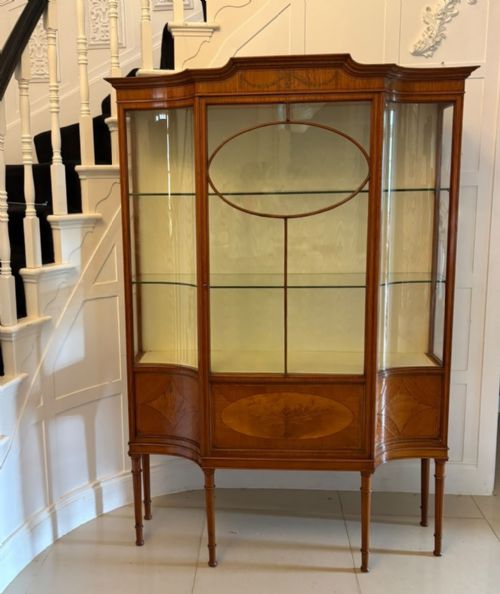
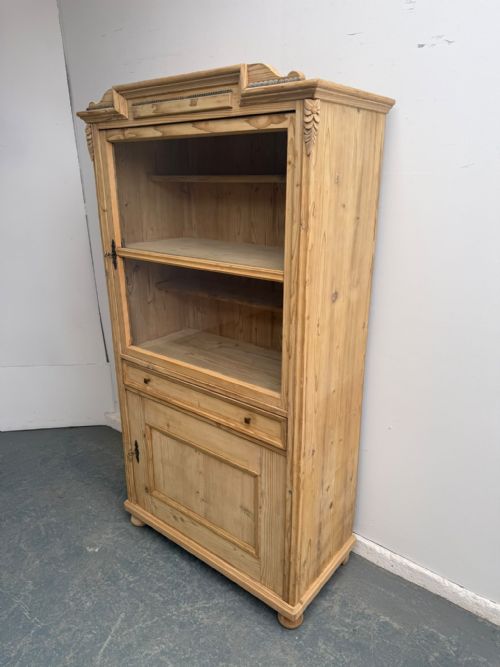
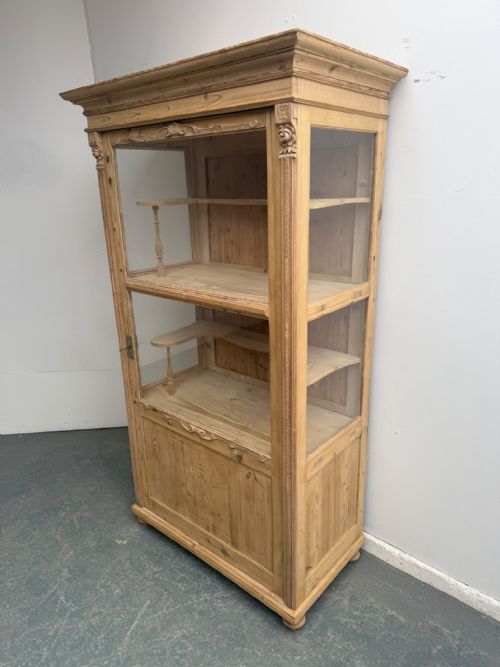
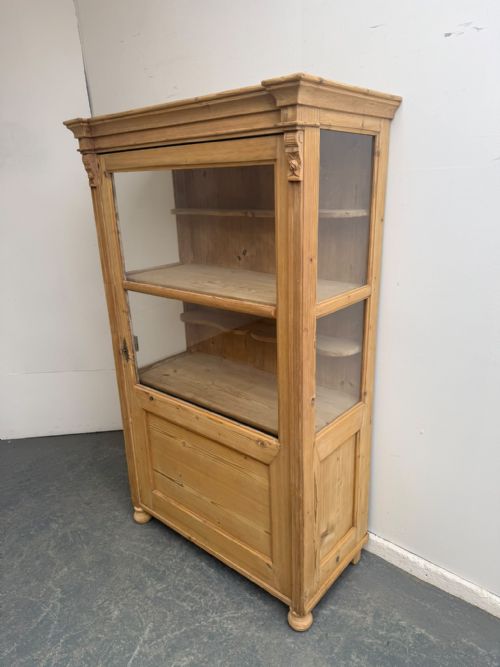
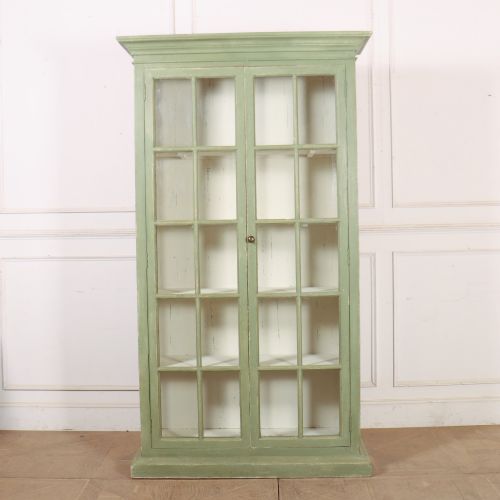


Victorian China Display Case
A victorian china display case holds treasured ceramics behind glass, bringing nineteenth-century craftsmanship directly into a modern room.
Victorian China Display Case
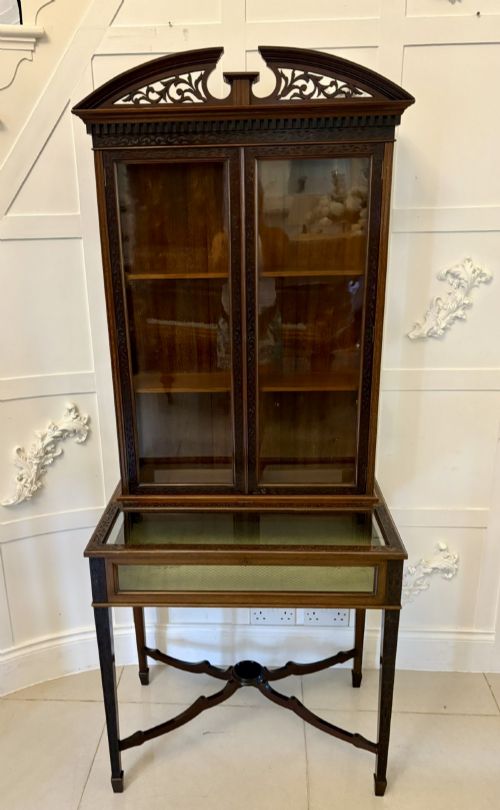
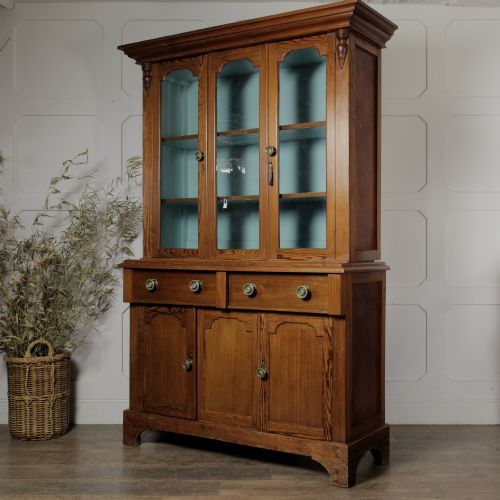
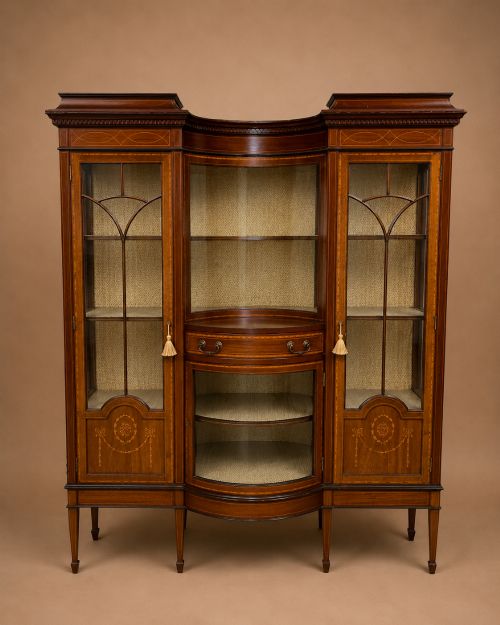
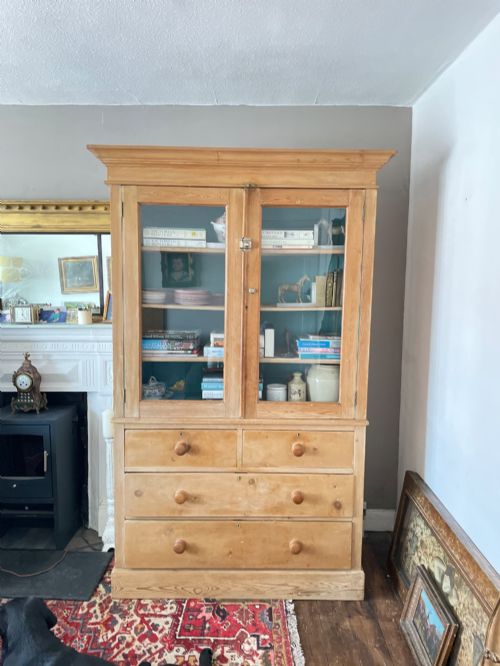
When you search for a victorian china display case, you encounter an array of glazed cabinets, pier cabinets, and vitrines designed to showcase precious porcelain. These pieces emerge from the nineteenth century, spanning decades from early pine cupboards to late satinwood and walnut creations.
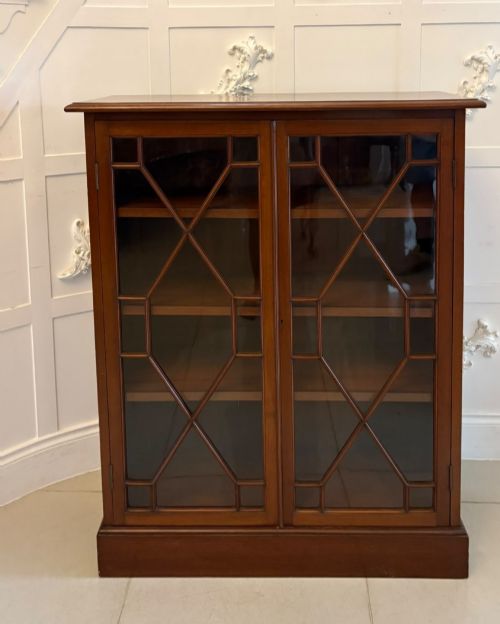
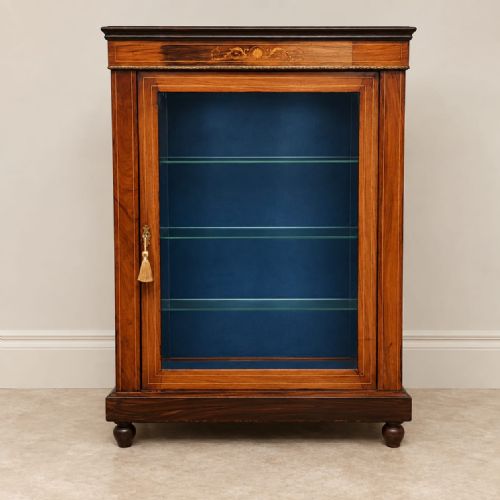
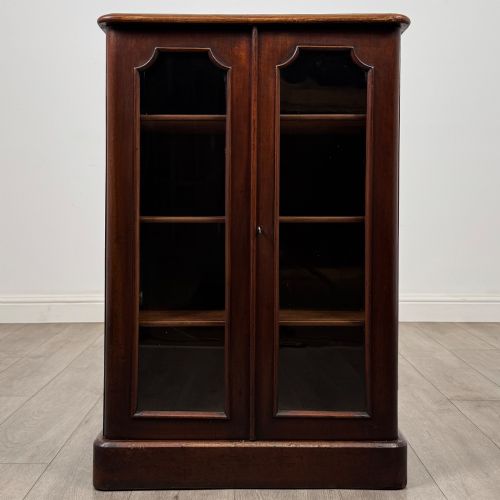
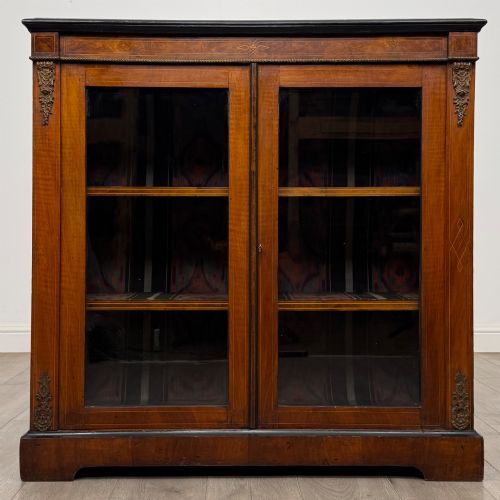
The most common forms on this page include mahogany bookcase cabinets and walnut pier cabinets fitted with glass doors. Makers of the period engineered these pieces for domestic drawing rooms and parlours, balancing utility with refined aesthetics.
Styles range widely across the selection, encompassing Sheraton revival, Gothic revival, and Chippendale revival alongside simpler country pine iterations. Each piece reflects the evolving domestic tastes of the Victorian era, offering enclosed shelving tailored for delicate ceramics.
Materials and construction
Cabinet makers utilised a palette of timbers including mahogany, walnut, satinwood, and pine, often enhancing surfaces with intricate inlay, crossbanding, or burr veneers. Structural integrity relied on traditional joinery techniques, while secondary woods provided stability to the carcass and shelving.
Glazing involved fitting glass panels into timber frames or astral bars, occasionally complemented by brass trim, ormolu mounts, and fabric-lined interiors. Ebonised finishes and parcel-gilding also appear across the selection, demonstrating diverse surface treatments employed by nineteenth-century artisans.
Listings feature mahogany, walnut, satinwood, and pine alongside glass, brass, and ormolu across Victorian, Sheraton revival, and Gothic revival styles.
What separates the finest examples
Quality in these cabinets rests upon the selection of timber and the precision of decorative details like stringing, marquetry inlay, and cast brass mounts. Finer examples display carefully matched veneers, such as burr walnut or figured mahogany, which require considerable skill to apply evenly across curved or serpentine surfaces.
Construction methods also dictate standing, with superior pieces showing meticulous attention to internal shelving, lock mechanisms, and the clarity of the original glass. The harmony of proportions and the restraint or ambition of revival styles ultimately distinguish everyday utility cabinets from exceptional exhibition pieces.
The Victorian China Display Case Glossary
- Pier cabinet
- A low cabinet designed specifically to fit the wall space, or pier, between windows in a Victorian room. These upright pieces typically feature a single glazed door and often display marquetry or ormolu mounts.
- Vitrine
- A glass-sided display cabinet intended primarily for the exhibition of fragile objects and porcelain. The term denotes a glazed showcase where light enters from multiple angles.
- Astral glazed
- A method of dividing glass panes within a door using thin timber framing bars known as astrals. This technique creates geometric patterns across the viewing area.
- Crossbanding
- A decorative border technique where veneer strips are applied so the grain runs perpendicular to the surrounding wood. It frames the central panel of a door or top.
- Ebonised
- Timber treated with a dark finish to imitate expensive ebony wood. This treatment frequently appears alongside gilt highlights on nineteenth-century furniture.
Victorian China Display Case: Frequently Asked Questions
What is a pier cabinet?
A pier cabinet is a narrow, upright piece built to stand against the wall space between windows in a Victorian interior. They typically feature a single glazed door designed to protect and display collections of porcelain.
These cabinets often incorporate inlaid satinwood or burr walnut veneers, making them both decorative and functional furnishings for formal reception rooms.
How do I clean the interior?
Cleaning the interior requires soft, dry cloths to remove dust from timber surfaces and glass cleaner applied sparingly to panes. Avoid harsh chemical polishes that might damage historic wax finishes or nineteenth-century fabrics lining the cabinet.
Take care around delicate ormolu mounts and inlaid stringing when wiping down shelves and interior corners.
Are these cabinets sturdy enough for heavy items?
Most of these pieces were constructed to hold fine porcelain, glassware, and decorative ceramics rather than heavy books or dense objects. The internal timber shelves rest on fixed supports or adjustable racks designed for standard domestic display weights.
Distributing weight evenly across the shelves ensures the historic timber and glass remain secure during daily use.
How do I identify a revival style?
Revival styles draw inspiration from earlier periods like the eighteenth century, incorporating specific motifs such as carved mahogany details or classical satinwood proportions. Makers during the Victorian era reinterpreted these historical designs to suit contemporary domestic tastes.
Examining the construction methods, secondary woods, and secondary decorative cues helps distinguish nineteenth-century revival work from genuine earlier pieces.