
Victorian Ceramic Vessel
When you search for a victorian ceramic vessel, you are looking at jugs, vases, and jars shaped from clay and fired during the nineteenth century.
Victorian Ceramic Vessel
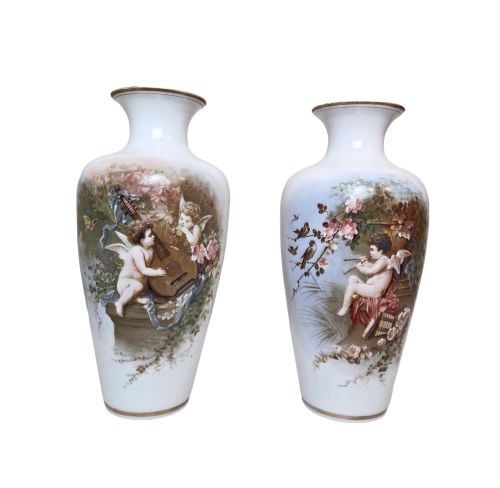
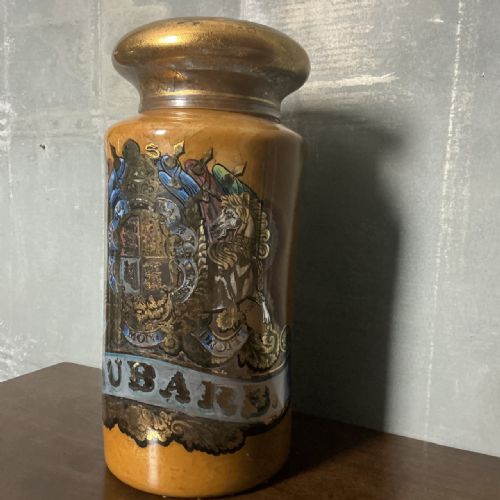
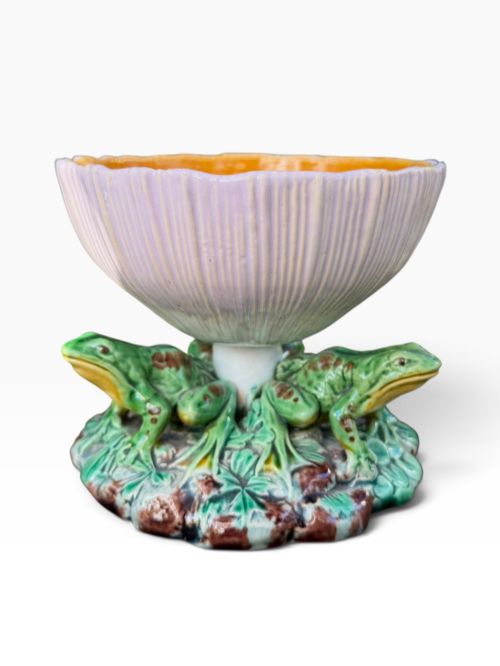
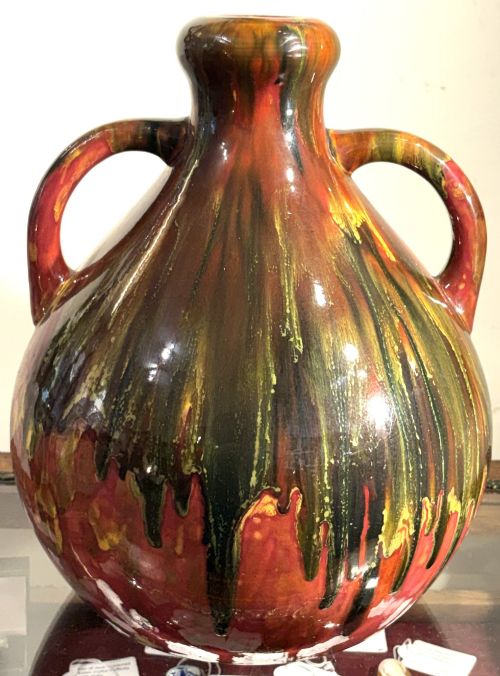
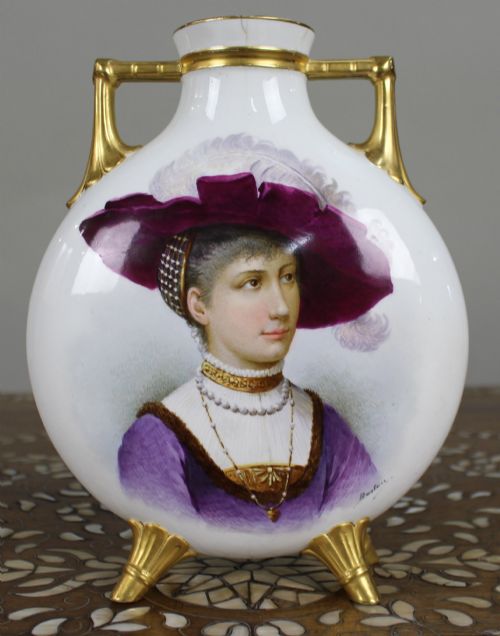
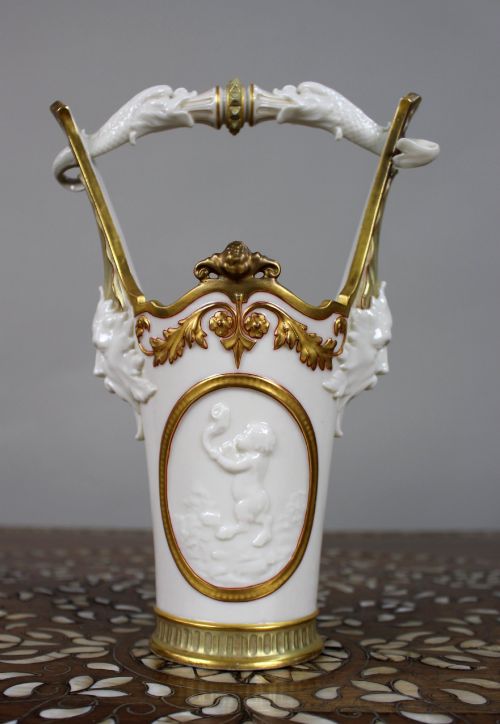
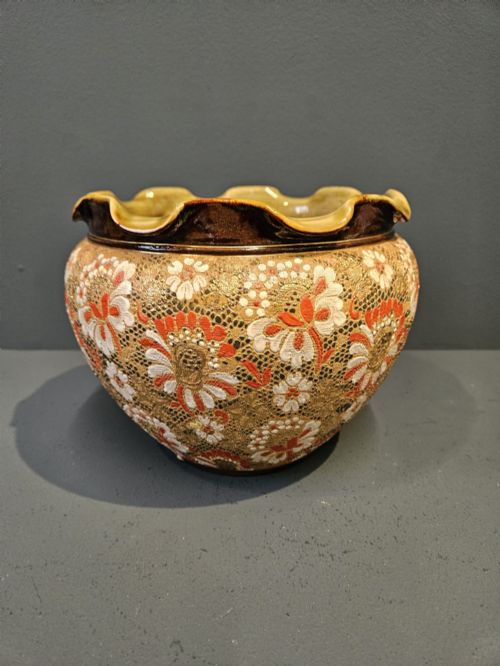
A victorian ceramic vessel encompasses a wide range of utility and decorative objects produced across the nineteenth century and into the early twentieth century. These items include domestic storage pieces such as dairy crocks, salters, and butter dishes alongside ornamental vases, ewers, and jardinieres. Most examples found on this page originate from British potteries and continental workshops, reflecting both everyday domestic utility and high-art studio pottery production.
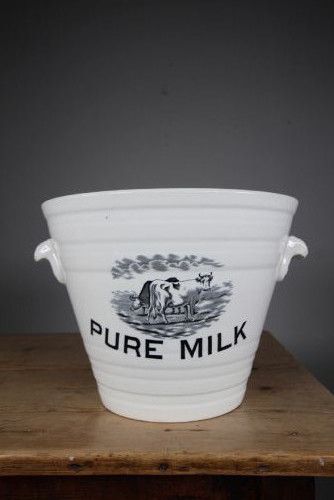
The domestic category covers utilitarian earthenware and stoneware containers designed for dairies and pantries, including heavy milk pails and water filters. Decorative pieces span diverse styles from the Aesthetic Movement and Arts and Crafts to Arts and Pottery traditions and classical revival forms. Buyers will encounter both utilitarian utility salt-glazed items and intricately painted porcelain exhibition pieces.
How they were made
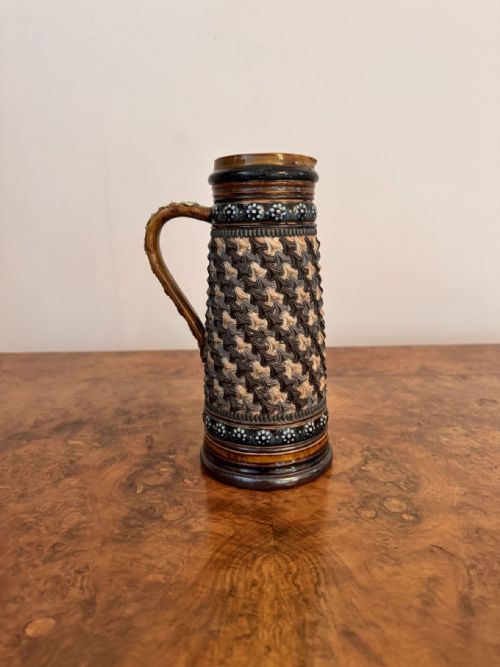
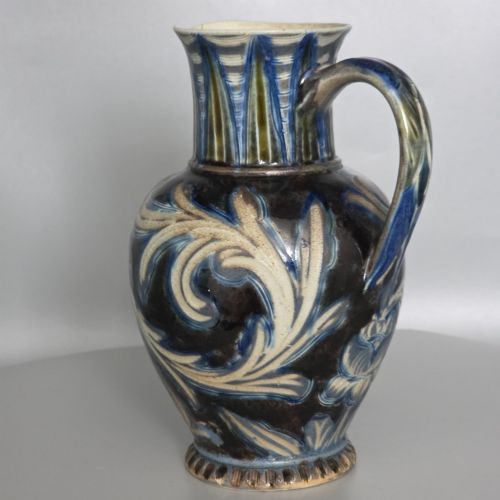
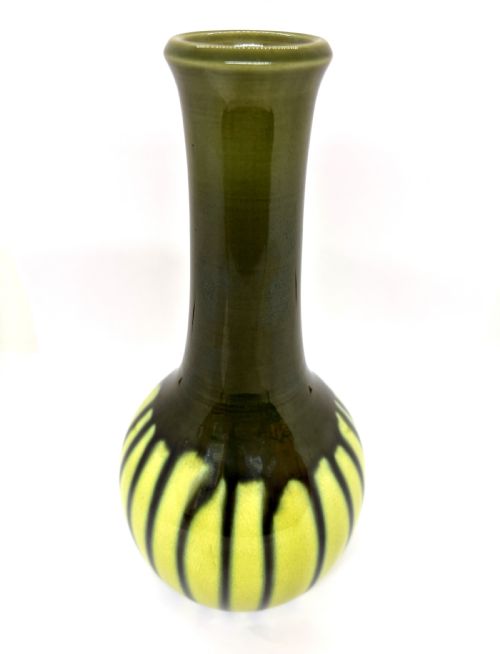
Makers utilised various clay bodies including dense stoneware, porous earthenware, terracotta, and refined porcelain depending on the intended function of the object. Stoneware pieces often received salt glazing applied during the firing process to create a durable, textured surface, while earthenwares were commonly finished with a smooth lead or tin glaze.
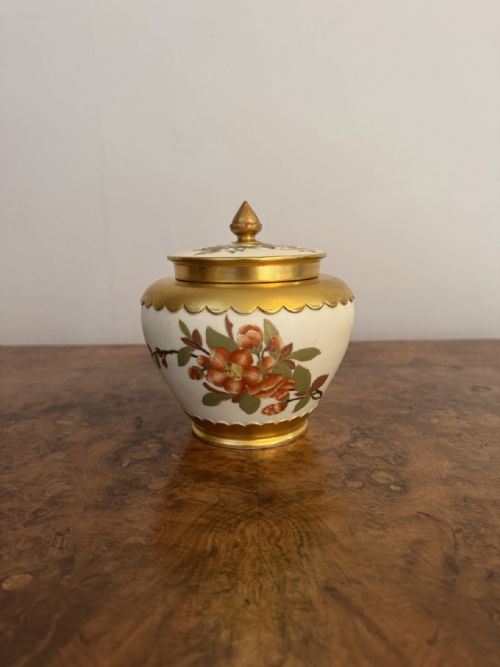
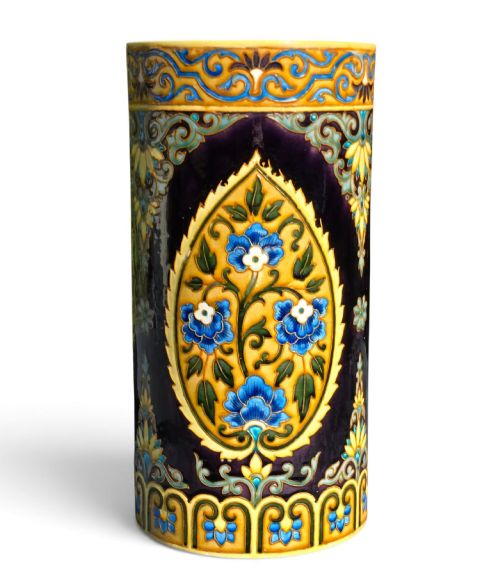
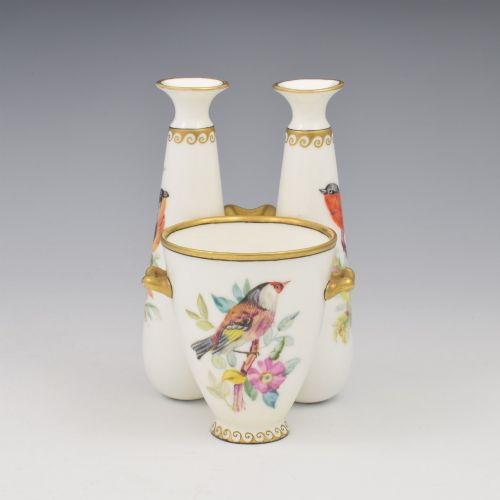
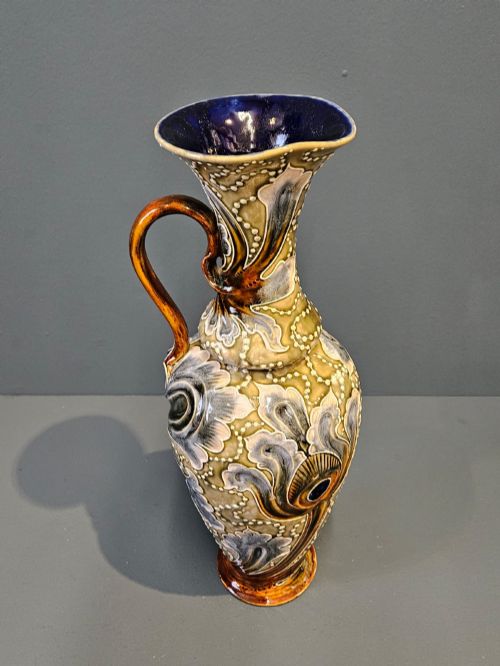
Decoration relied heavily on hand painting, gilding with gold leaf, incised slip work, and applied enamel detailing. Many studio pieces feature slip-trailing or pâte-sur-pâte techniques where contrasting layers of liquid clay build up tactile relief patterns across the body.
Listings feature stoneware, earthenware, terracotta, and porcelain across the nineteenth century, including utilitarian dairy wares and fine studio art pottery.
What varies in quality
The distinction between standard commercial output and superior quality rests upon the complexity of the design and the reputation of the decorator or pottery. Pieces executed by named artists or major factories display precise brushwork, carefully balanced proportions, and sophisticated glaze chemistry that sets them apart from basic factory wares.
Artistry in the studio traditions is demonstrated by the depth and clarity of incised ornamentation and the successful execution of challenging firing techniques. Superior examples often bear artist ciphers or factory stamps that confirm individual studio involvement rather than mass production.
Doulton Lambeth·Royal Worcester·Samuel Alcock and Co·Minton·Burmantoft's Pottery
The Victorian Ceramic Vessel Glossary
- Stoneware
- A heavy, impermeable ceramic fired at high temperatures until the clay body vitrifies. It is exceptionally durable and frequently salt-glazed.
- Earthenware
- A porous pottery body fired at lower temperatures which requires a vitreous glaze to hold liquids securely. It forms the basis of many traditional dairy and utility vessels.
- Ewer
- A large jug with a wide spout and a curved handle, traditionally used for holding water. In nineteenth-century ceramics, these often served decorative display purposes.
- Tyg
- A large drinking vessel featuring multiple handles designed to be passed around a company. They frequently appear in traditional earthenware and stoneware forms.
Victorian Ceramic Vessel: Frequently Asked Questions
How were nineteenth-century dairy vessels used?
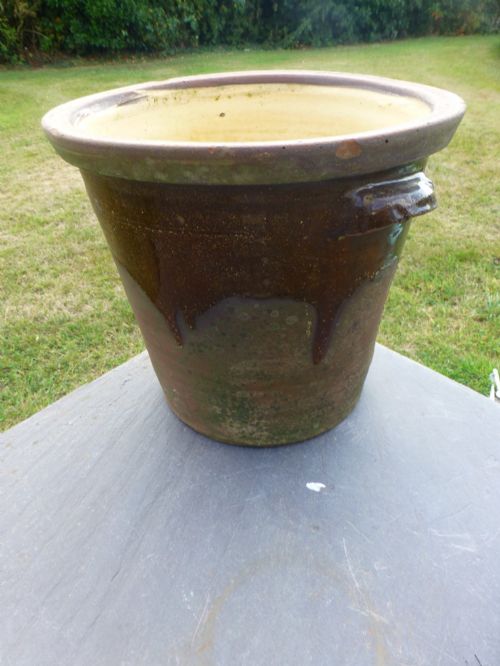
Heavy terracotta bowls, salters, and glazed pails were utilised in farm dairies for setting milk, separating cream, and storing butter or salt. Their thick ceramic walls helped regulate temperature to keep perishable goods cool.
These utilitarian pieces were built for robust daily labour rather than display. Over time, exposure to moisture and agricultural use left distinct patinas that collectors now prize.
What is the difference between stoneware and earthenware?
Stoneware is fired at significantly higher temperatures, causing the clay to vitrify and become completely waterproof without requiring an interior glaze. Earthenware remains porous after initial firing and relies on an applied glaze layer to seal the surface.
Because of these properties, stoneware was preferred for heavy-duty liquid storage and kitchen salt containers. Earthenware allowed for brighter surface colours and detailed overglaze painting.
How do I identify studio pottery marks?
Potteries and independent decorators stamped, impressed, or hand-painted their ciphers directly into the soft clay before firing or onto the dried glaze base. Monograms can often be matched to specific artists who worked within larger manufactories.
Reference guides cataloguing factory stamps and individual monograms help date pieces accurately. Unmarked items require stylistic analysis of the glaze, body weight, and ornamental technique.
Where should I place a large jardiniere?
Large ceramic jardinieres make strong floor-standing or pedestal-mounted focal points in entrance halls, conservatories, and reception rooms. Their substantial weight provides stability for large indoor palms and ferns.
When displaying antique planters, placing a protective saucer or liner inside prevents moisture from reaching the historic ceramic body and base.