



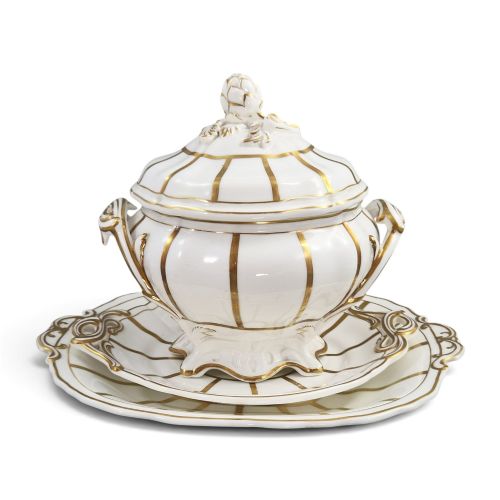
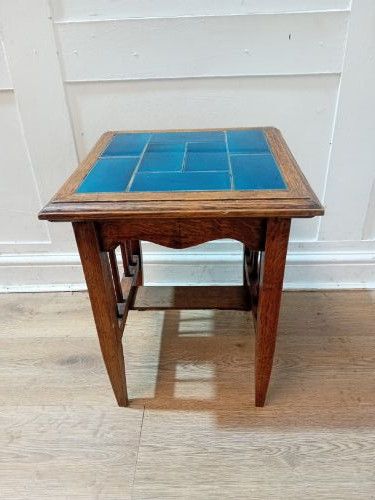
Victorian Ceramic Stand
A victorian ceramic stand is a functional household piece of earthenware or porcelain, bringing period character to hallway and parlour.
Victorian Ceramic Stand
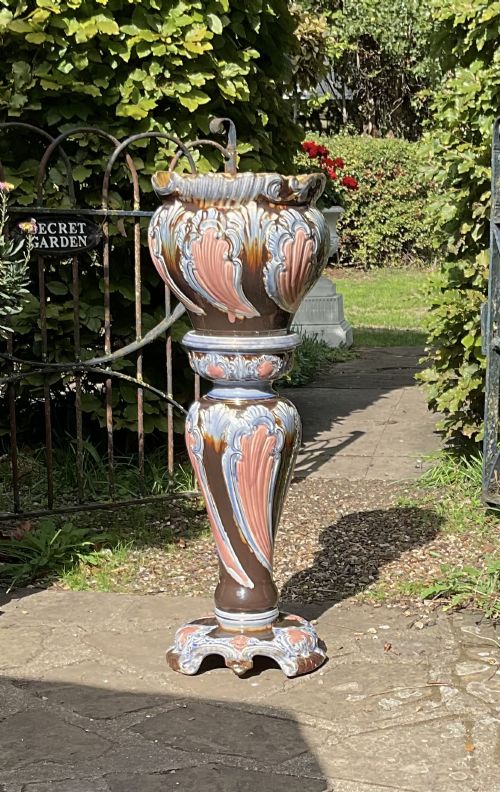
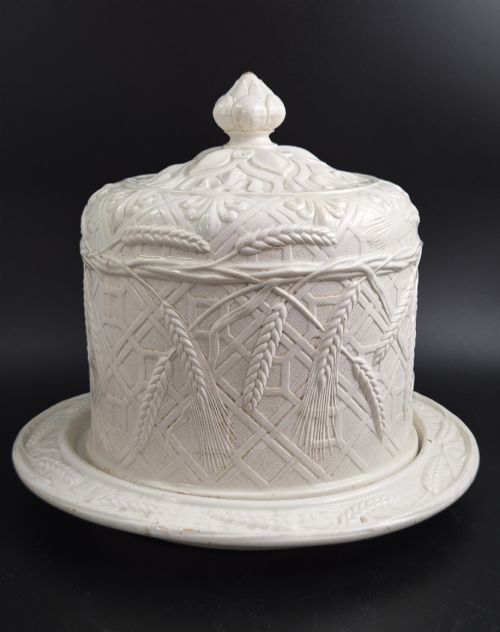
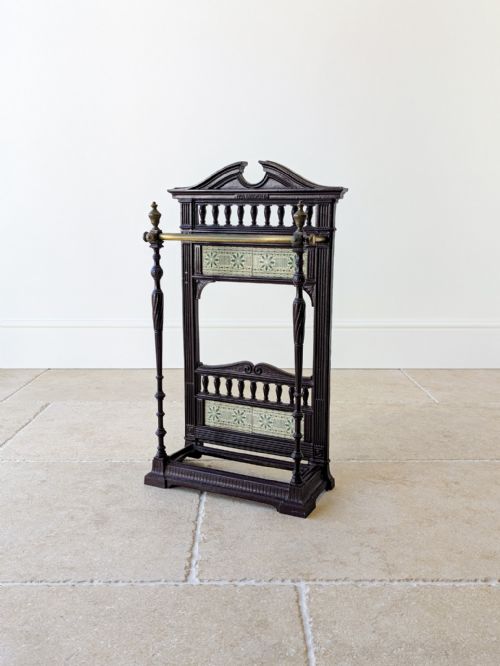
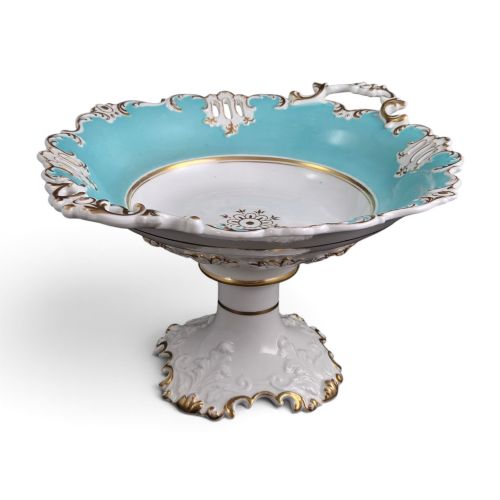
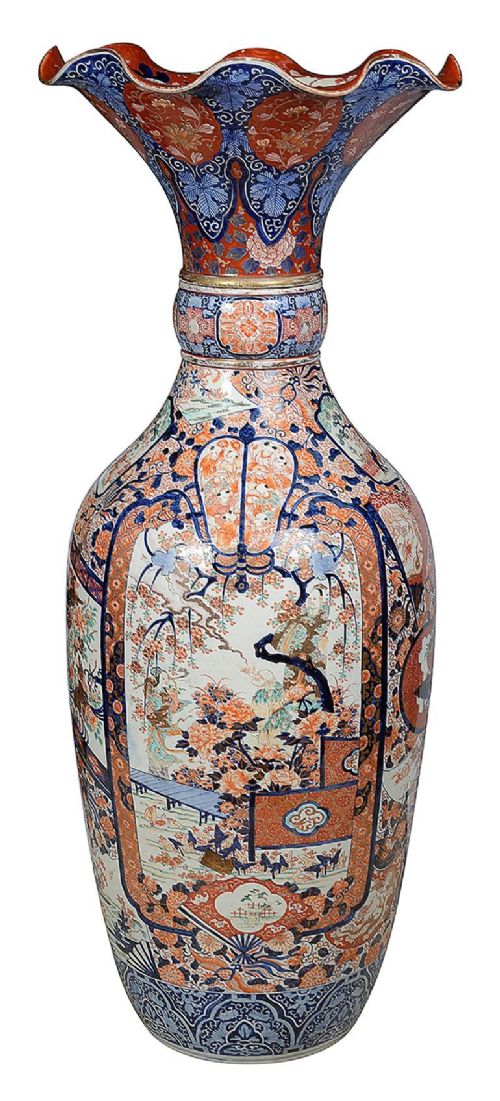
When someone searches for a victorian ceramic stand, they encounter practical furnishings spanning stick stands, umbrella stands, jardinieres on pedestals, and cheese domes with matching bases. These items emerge primarily from nineteenth-century British potteries, alongside continental European works and Japanese imports.
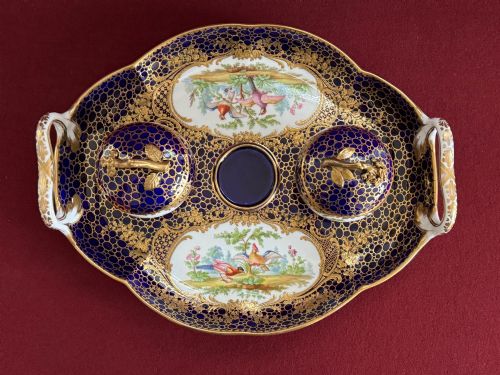
The domestic interior of the era required dedicated holders for wet umbrellas in hallways and heavy ceramic domes for cheese on dining tables. Washstands and inkstands also appear, uniting ceramics with timber or brass structures.
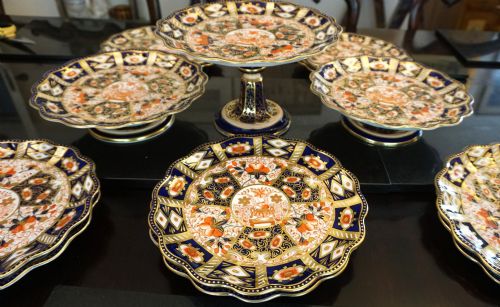
Makers ranged from large Staffordshire potteries to specialist faience works, producing lead-glazed earthenware, majolica, and bone china for daily household utility.
Materials and Technique
Potters shaped earthenware, porcelain, and stoneware using press-moulding or throwing techniques, then applied coloured glazes or hand-painted details before high-temperature firing. Majolica pieces rely on opaque tin glazes painted with metallic oxides to achieve vivid green, brown, and turquoise surfaces.
Larger floor-standing umbrella stands and pedestals utilise thick earthenware bodies designed to bear weight and resist moisture. Ironstone and bone china serve for table items like cheese domes, offering dense, durable surfaces.
Metal components such as brass bases or cast iron frames occasionally combine with the ceramic bodies, particularly in inkstands and umbrella holders.
Victorian Ceramic Stand Retail Price Guide 2026
Typical asking prices for victorian ceramic stand among the pieces listed under this phrase on Sellingantiques today, from the lower quarter to the upper quarter. They describe what is for sale here now, not the wider market.
Materials include majolica glazes, gold leaf, and brass hardware applied to decorative stands.
Standards of Execution
The distinction between ordinary utility wares and finer examples lies in the crispness of the moulded relief and the depth of the glaze. Hand-painted decoration on porcelain shows greater precision in superior pieces, with controlled brushwork rather than stencilled transfers.
Larger objects like jardiniere stands depend on structural stability and even glaze distribution across vertical surfaces. Finer items maintain trueness in form without excessive warping from the kiln firing.
Royal Doulton·Daventport porcelain·Minton Porcelain·WEDGWOOD·Burmantofts Faience·Coalbrookdale·Coalport·James Dudson·Royal Worcester Hadley
The Victorian Ceramic Stand Glossary
- Majolica
- A type of earthenware coated with an opaque tin glaze and decorated with coloured metallic oxide pigments. It was widely used in Victorian jardinières and cheese domes for its vibrant palette.
- Ironstone
- A dense, durable ceramic developed in the nineteenth century as a tougher alternative to porcelain. It often forms the base of heavy cheese domes and kitchenwares.
- Faience
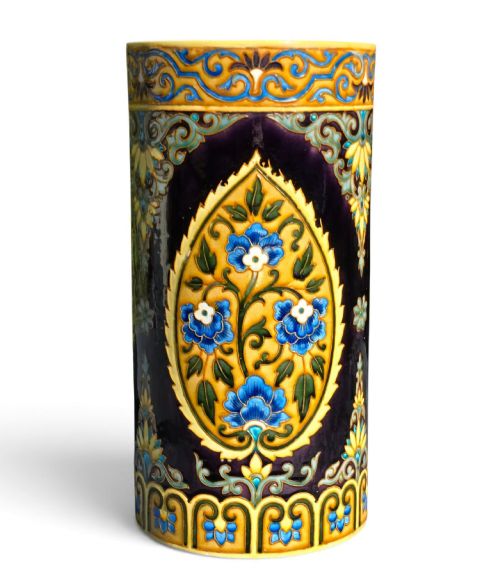
- Tin-glazed earthenware produced by various European and British factories. Pieces often display colourful glazes typical of the aesthetic movement.
- Jardinier
- A large decorative pot or container for plants, frequently paired with a matching ceramic pedestal stand. These items anchored Victorian conservatory and hallway decoration.
- Jasperware
- A fine-grained, unglazed stoneware developed by Wedgwood, typically featuring white neoclassical reliefs against a coloured ground. It appears on Victorian cheese bells and desk accessories.
Victorian Ceramic Stand: Frequently Asked Questions
What is a ceramic umbrella stand?
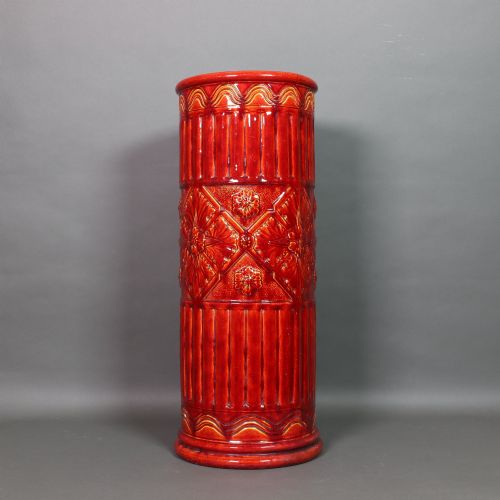
A heavy vertical holder made from earthenware or stoneware, placed in hallways to contain wet walking sticks and umbrellas.
These functional vessels protect floors from moisture and provide a decorative structural element near the front door.
How were majolica stands used?
Majolica stands served as pedestals for large potted plants and palms in Victorian parlours and conservatories.
The brightly glazed surfaces resisted water damage and added saturated colour to interior spaces.
How do I clean a ceramic stand?
Dust gently with a soft cloth and avoid abrasive scouring pads that can damage historic glazes.
Keep unglazed or porous areas dry to prevent moisture absorption and staining.
Are cheese domes and stands matching?
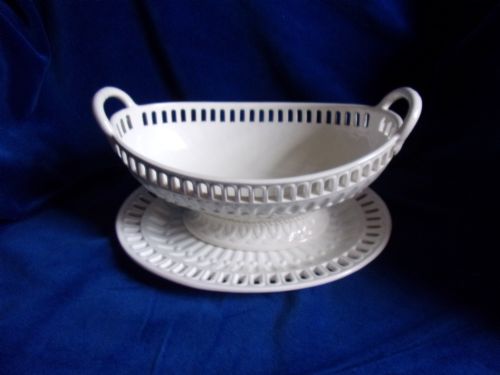
Period cheese domes and their underplates were produced as coordinated sets by the same pottery.
Checking the ceramic body, glaze colour, and pattern helps confirm that the cover and base belong together.