

Victorian Ceramic Light
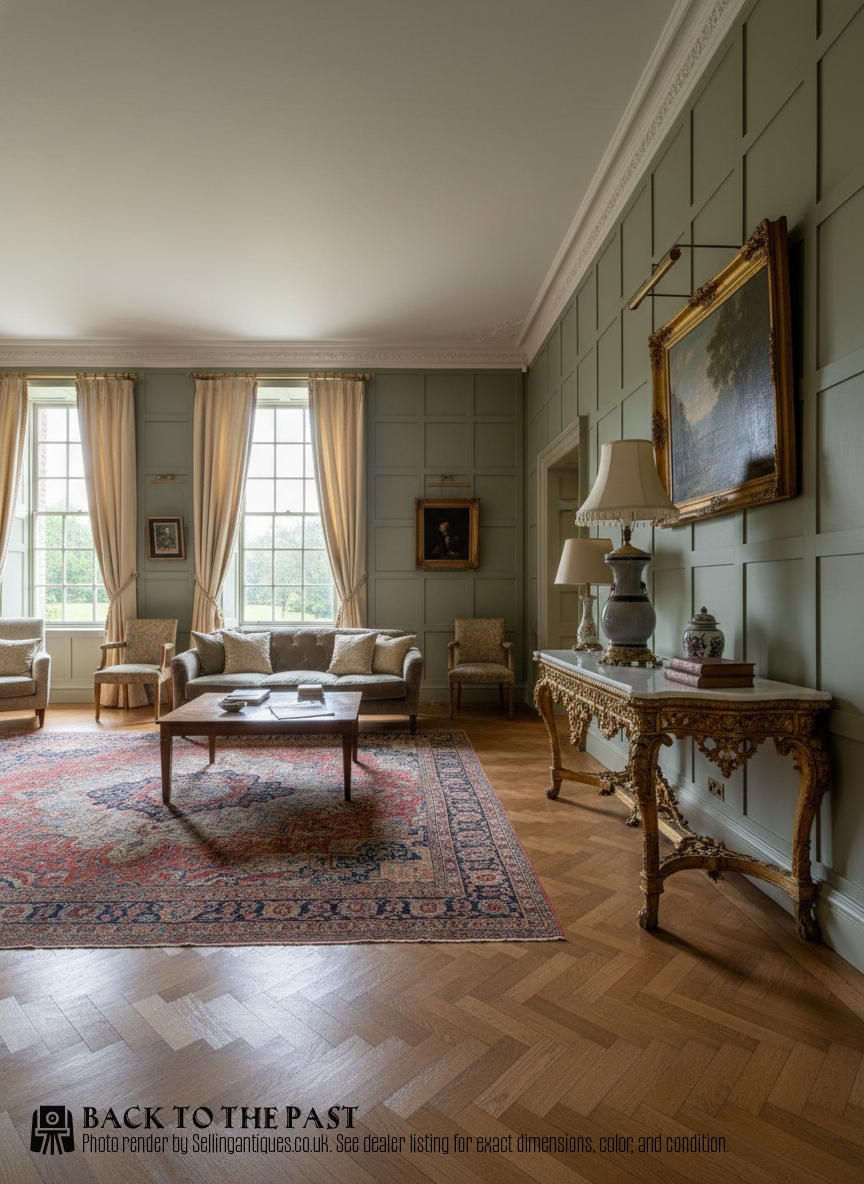
These Victorian ceramic light fixtures bring period character and functional warmth to a room, combining tactile pottery bases with polished metal fittings.
Victorian Ceramic Light
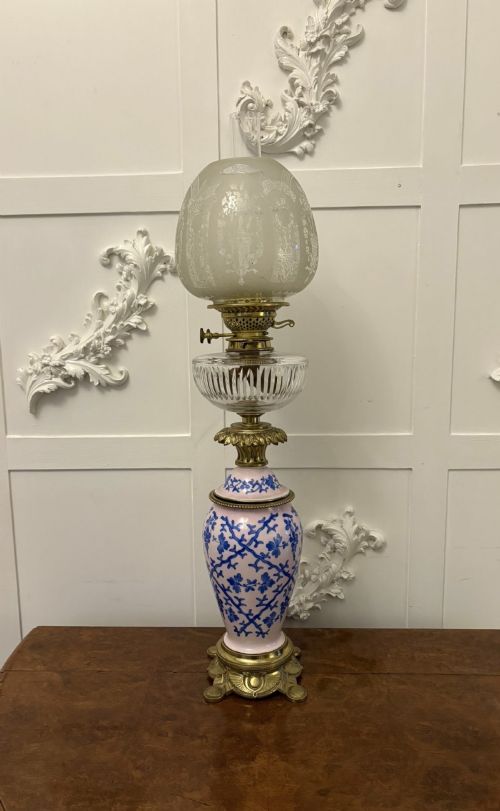
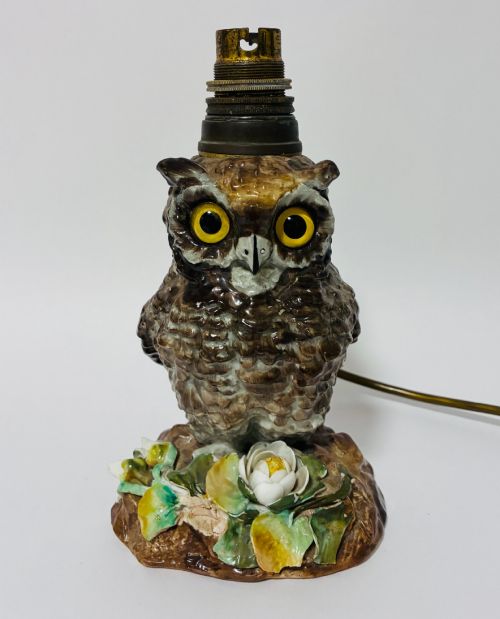
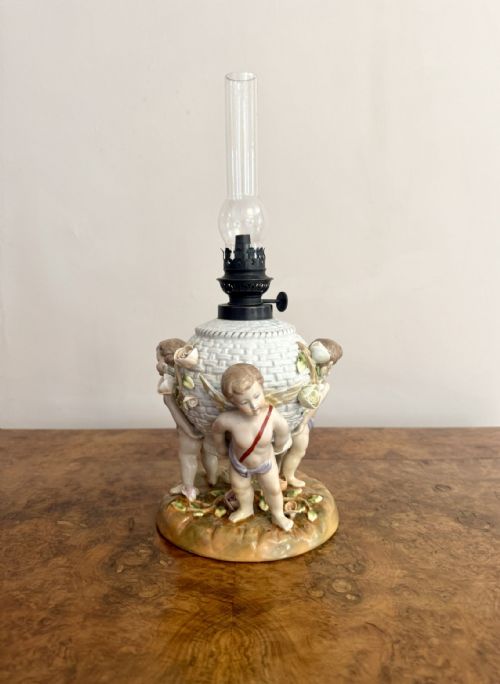
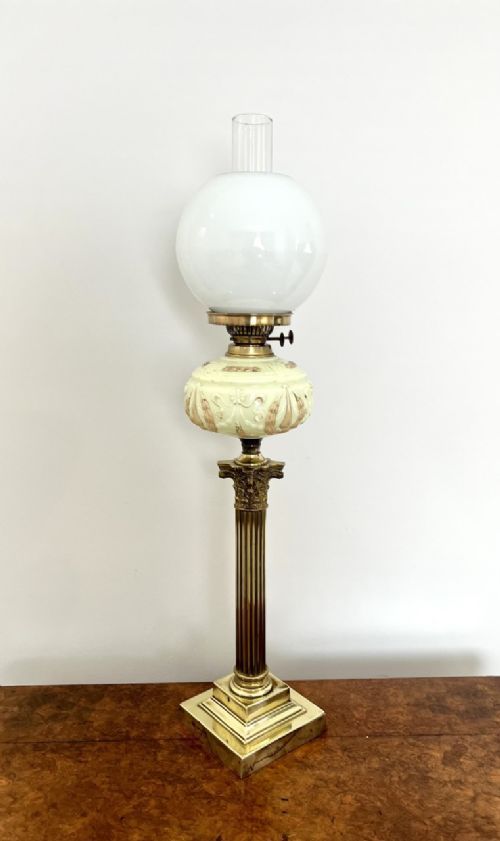
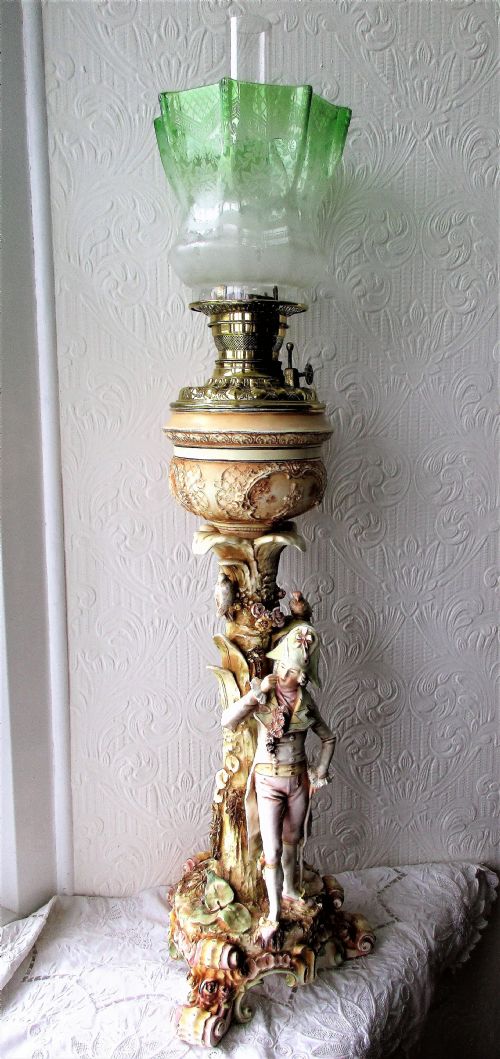
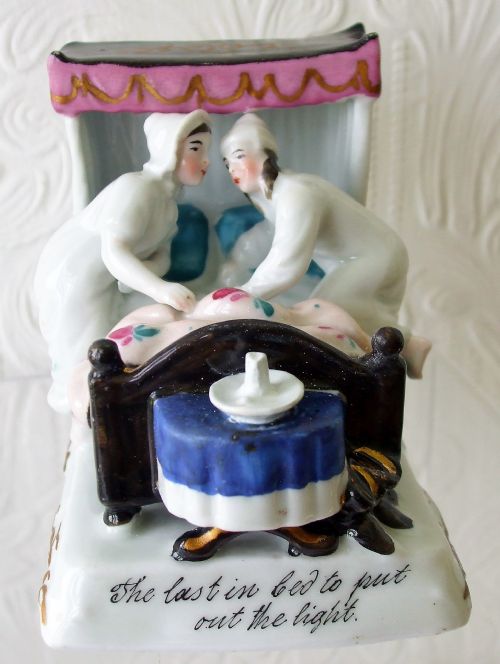
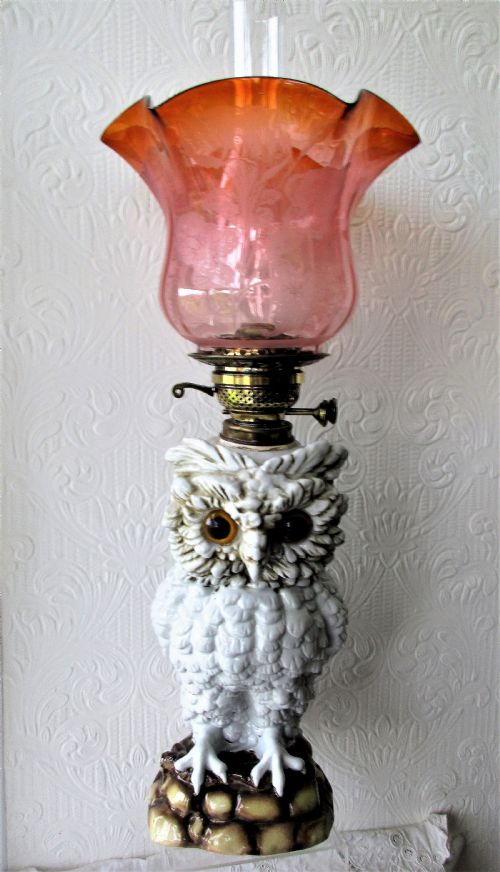
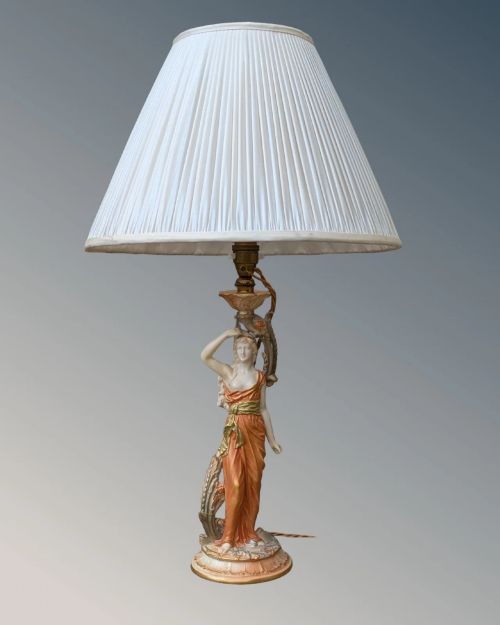
When searching for a Victorian ceramic light, buyers encounter a diverse array of nineteenth-century domestic lighting forms, predominantly oil lamps and table lamps adapted from earlier ceramic vessels. The selection frequently includes figural bases modelled as animals, owls, and dogs, alongside classical vase shapes sourced from English, French, and German kilns.
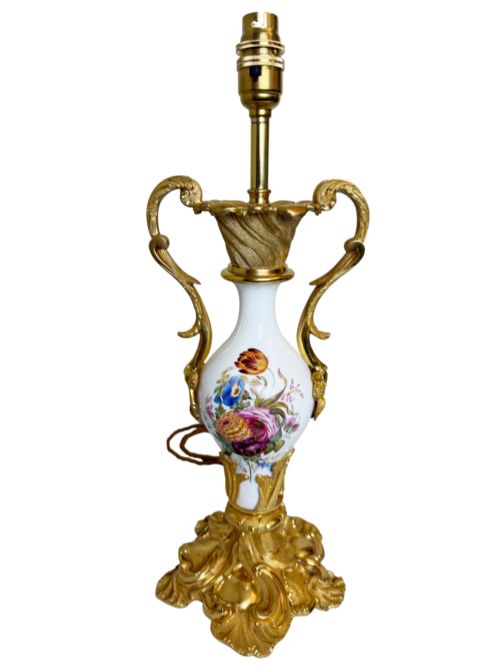
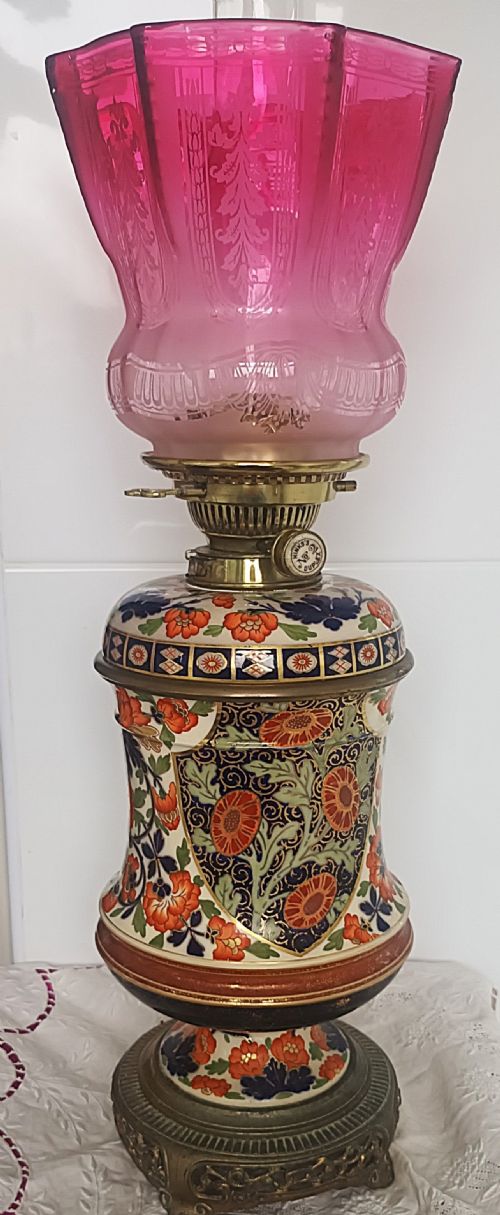
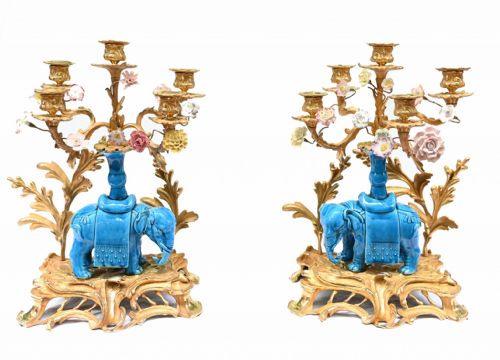
Many examples merge utilitarian brass or gilt bronze burner mechanisms with decorated porcelain or earthenware bodies, spanning styles from Rococo Revival and Chinoiserie to Art Nouveau. Candlesticks and candelabras also appear within this category, sometimes converted from earlier porcelain figures or apothecary jars to hold modern electrical fittings.
Materials and Construction
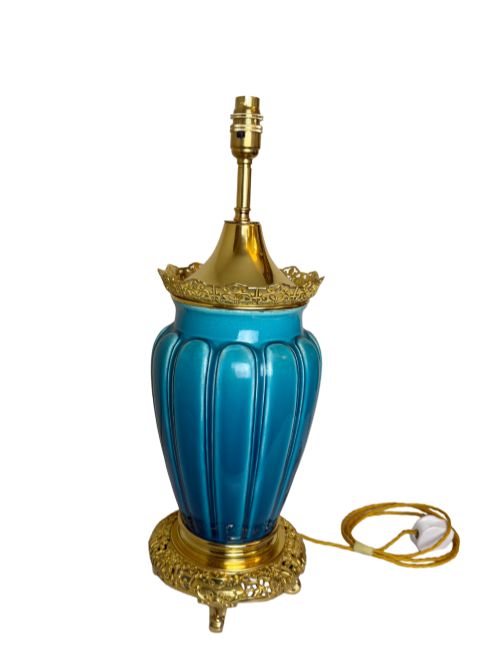
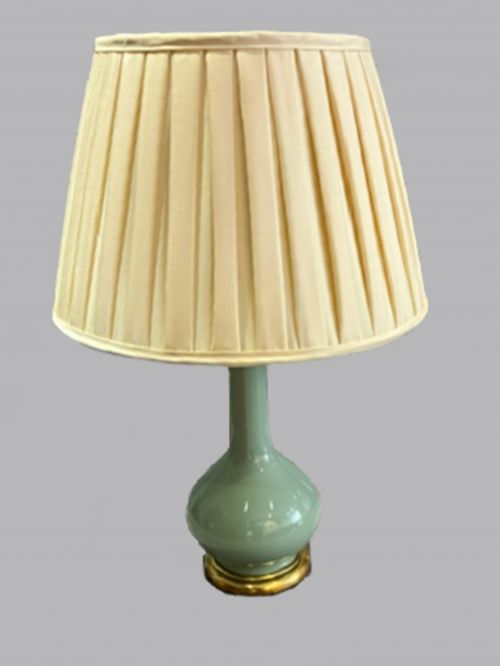
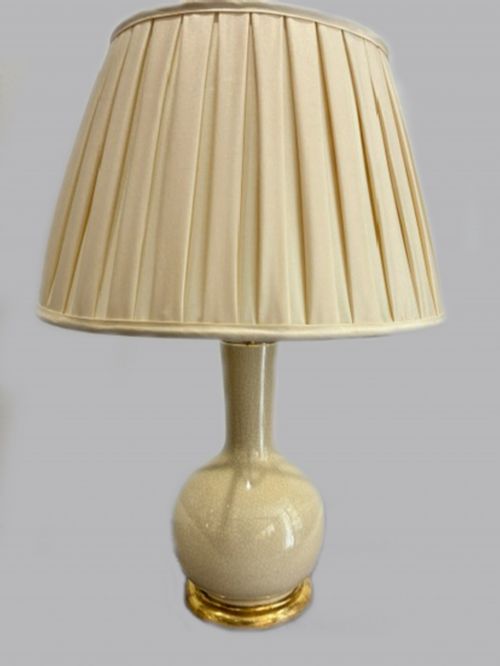
Makers constructed these lighting pieces by combining hand-thrown or moulded ceramic and porcelain bodies with structural metal components such as brass, gilt bronze, and ormolu. Potters utilised glazes ranging from celadon and crackle ware to polychrome enamel and gold leaf, frequently decorating surfaces with hand-painted floral or figural motifs.
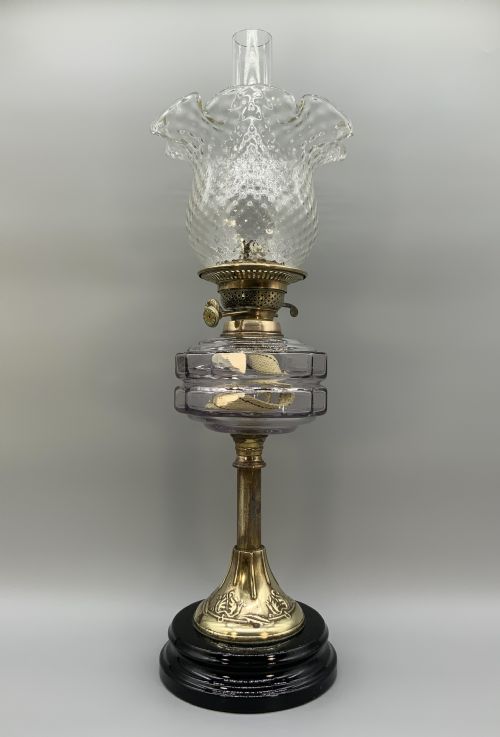
Workshops integrated fuel reservoirs and burners into the ceramic vessels, mounting them securely onto glass, brass, or ceramic bases to provide stability for tall oil lamps and candelabras.
The listings feature nineteenth-century and Edwardian lighting spanning materials including porcelain, ceramic, brass, glass, and gilt bronze.
Assessing Craftsmanship and Detail
The integration of the ceramic body with its metal mounts also dictates standard; finer pieces utilise heavy cast brass or gilt bronze trim that fits the pottery contours precisely, rather than generic or loose hardware.
Sitzendorf·Royal Worcester·Doulton Lambeth·Hinks·Taylor Tunnicliff·Royal Doulton·Meissen·James Hadley
The Victorian Ceramic Light Glossary
- Oil lamp
- A lighting device that burns liquid fuel via a wick, commonly featuring a ceramic or porcelain reservoir fitted with a brass burner. These pieces form a large proportion of nineteenth-century lighting survivals.
- Ormolu
- Finely chopped high-karat gold applied to a bronze base, used extensively as decorative trim on nineteenth-century French and English lamp mountings. This technique adds a bright metallic contrast to matte porcelain bodies.
- Majolica
- A type of earthenware coated with an opaque tin-glaze and painted with metallic oxide colours, popular for Victorian decorative wares. It provides rich, vibrant hues on table lamp bases.
- Candelabra
- A branched candlestick holding multiple lights, often produced in pairs and formed from porcelain figures combined with metal arms. These decorative items frequently underwent later conversion into electric lamps.
- Celadon
- A pale grey-green jade-like ceramic glaze originating in East Asia and emulated by European potteries. It provides a subdued, uniform colour field on nineteenth-century lamp bases.
Victorian Ceramic Light: Frequently Asked Questions
How do I wire an old lamp?
Rewiring requires threading modern electrical flex through the central channel of the lamp body and connecting it to a certified safety-compliant lampholder. Professional electricians should perform this task to ensure the antique metal and ceramic components remain undamaged.
Historic burners and reservoirs can often be adapted without drilling the original ceramic body by utilising existing aperture routes. This preserves the structural integrity of the nineteenth-century piece while allowing safe daily use.
Are these lamps safe to use?
Most surviving oil lamps and candlesticks have been converted to electricity over the decades, utilising modern cords and plugs. Checking the internal wiring ensures the piece meets current domestic safety standards before plugging it in.
Stable bases and balanced proportions help prevent tipping, particularly on tall telescopic or figural models. Placing them on level surfaces protects both the ceramic body and the surrounding furniture.
How do I clean ceramic lamp bases?
Dusting ceramic surfaces regularly with a soft, dry cloth prevents grime accumulation in the recesses of painted or moulded details. Avoid harsh chemical cleaners that might strip historic glazes or damage gilt bronze mounts.
Metal components like brass and ormolu require specialised non-abrasive polishes applied sparingly with a cotton bud. Keeping polish away from porous ceramic bodies prevents staining.
How can I tell the period?
Stylistic cues such as Rococo curves, Chinoiserie motifs, or Art Nouveau fluid lines indicate the design era of the ceramic body and metal mounts. Factory marks stamped or painted on the underside of the pottery provide definitive manufacturing origins.
Burner mechanisms and thread patterns also offer chronological clues, as patent dates on brass fittings often narrow down the manufacturing decade. Comparing the style of the porcelain painting to known factory patterns confirms the dating.