




Victorian Ceramic Containers
These Victorian ceramic containers are practical vessels designed for biscuits, tobacco, and plants, bringing nineteenth-century utility and craftsmanship straight into a modern interior.
Victorian Ceramic Containers
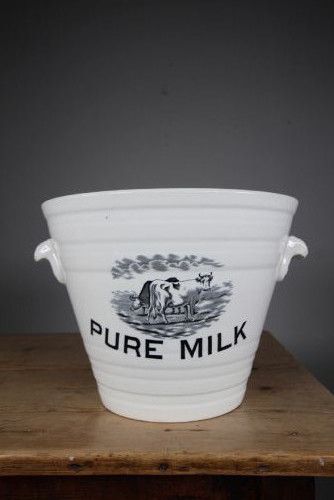
Victorian ceramic containers encompass a wide variety of functional domestic vessels, ranging from biscuit barrels and tobacco jars to large jardinieres and footbaths. Makers produced these pieces in earthenware, stoneware, and porcelain, frequently mounting them with silver plate or brass for everyday household use.
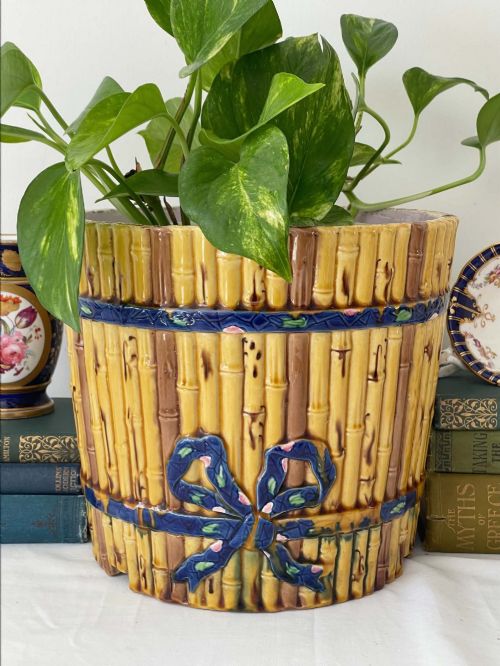
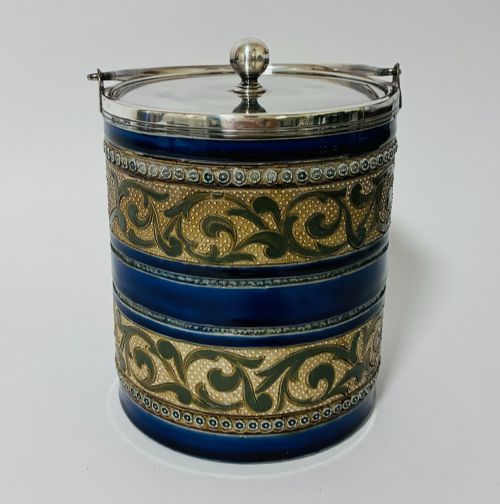
On this page, you are most likely to encounter biscuit barrels fitted with hinged metal covers alongside decorative jardinieres and plant stands. These utilitarian objects served dining rooms, drawing rooms, and hallways across the nineteenth century.
The assortment draws upon diverse decorative movements, featuring classical influences, naturalistic motifs, and revivalist styles. Domestic spaces relied upon these durable vessels for food storage, display, and organisation.
Materials and Manufacture
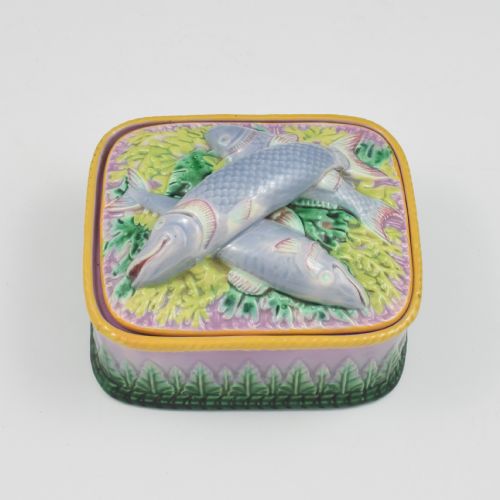
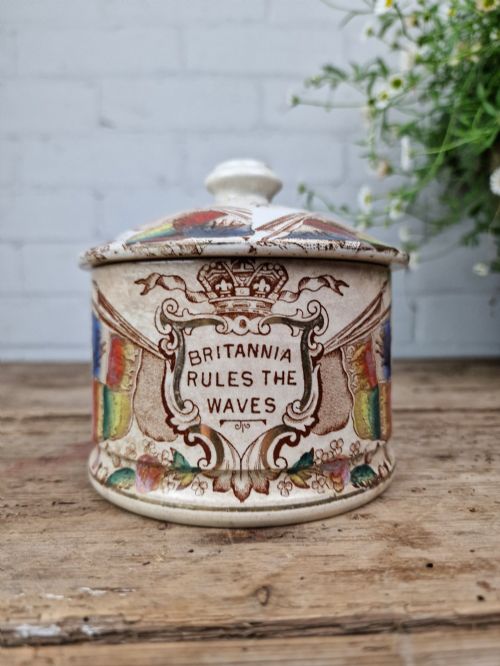
Potters shaped earthenware, ironstone, and stoneware bodies on the wheel or pressed them into moulds before applying coloured glazes or hand-painted details. Majolica and transfer-printing techniques created richly hued surfaces that withstood daily domestic handling.
Metal mounts in silver plate and brass were engineered to fit securely around ceramic rims, lids, and handles. These mixed-media constructions combined ceramic bodies with sturdy hardware to ensure longevity.
Victorian Ceramic Containers Retail Price Guide 2026
Typical asking prices for victorian ceramic containers among the pieces listed under this phrase on Sellingantiques today, from the lower quarter to the upper quarter. They describe what is for sale here now, not the wider market.
Listings feature nineteenth-century materials including earthenware, stoneware, porcelain, and silver plate.
Assessing Quality
Quality rests upon the crispness of the moulding and the depth of the glaze, where finer examples display precise hand-painting and well-defined relief work. Mass-produced items often exhibit softer details and simpler, uniform surfaces.
The integration of metal mounts reveals the maker's standard of production, with superior pieces featuring heavy silver plating and tight, secure hinges. The weight, balance, and finish of both ceramic and hardware distinguish standard utility wares from exhibition pieces.
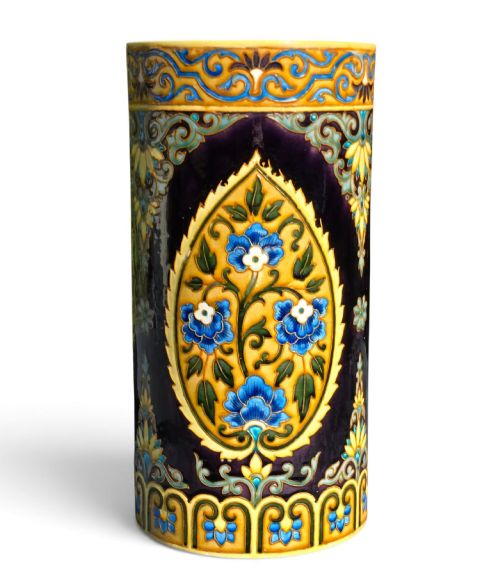
Théodore Deck·Minton·Edme Samson Of Paris·Doulton Lambeth·George Jones·Royal Doulton·Spode·Wedgwood·Royal Worcester
The Victorian Ceramic Containers Glossary
- Biscuit Barrel
- A covered ceramic vessel designed to store dry biscuits or crackers for the dining table. These pieces frequently feature silver-plated rims, handles, and lids.
- Jardiniere
- An ornamental ceramic pot or stand used to hold growing plants or flower arrangements. They appear in styles ranging from naturalistic bamboo motifs to classical revivals.
- Majolica
- A type of earthenware coated with an opaque tin-lead glaze and painted with bright metallic oxide colours. This technique produced vivid, glossy surfaces popular throughout the Victorian period.
- Jasperware
- A fine-grained, unglazed stoneware developed by Wedgwood, typically featuring white neoclassical reliefs applied against a contrasting coloured background.
- Salt Glazed Stoneware
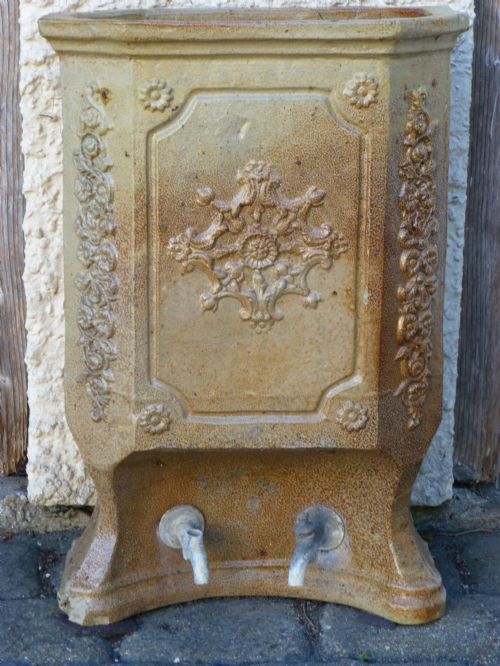
- Pottery fired at high temperatures with common salt introduced into the kiln, producing a durable, slightly pitted surface resembling orange peel.
Victorian Ceramic Containers: Frequently Asked Questions
What were biscuit barrels used for?
Victorian households utilised biscuit barrels to keep dry biscuits and dry goods fresh on the dining or drawing room table. The fitted metal lids helped protect the contents from moisture.
Guests would help themselves during afternoon tea or after-dinner gatherings, making these containers both functional and decorative centrepieces.
How do I clean a ceramic container?
Dust gently with a dry, soft cloth to remove everyday surface particles without disturbing older glazes. Avoid submerging metal-mounted pieces in water to protect the silver plate and internal fixings.
Harsh chemical cleaners will strip nineteenth-century glazes and damage delicate hand-painted surfaces. Mild soap and warm water should be used sparingly only when absolutely necessary.
Are these containers waterproof?
Stonerware and porcelain vessels generally hold water securely, making them suitable for fresh cut flowers and living plants. Earthenware pieces, particularly older majolica, may develop hairline crazing that allows moisture to seep through over time.
Using a small liner inside antique planters prevents water damage to the porous ceramic body. Checking the interior glaze will help determine if the vessel is suitable for direct planting.
How can I tell the period?
Makers' marks stamped into the ceramic base provide the most reliable indication of date and origin. Style descriptors such as aesthetic movement patterns or registered design numbers narrow down the manufacturing decade.
Weight, glaze characteristics, and the style of metal mounts offer further clues to nineteenth-century production methods. Comparing the piece to dated examples helps confirm its era.