

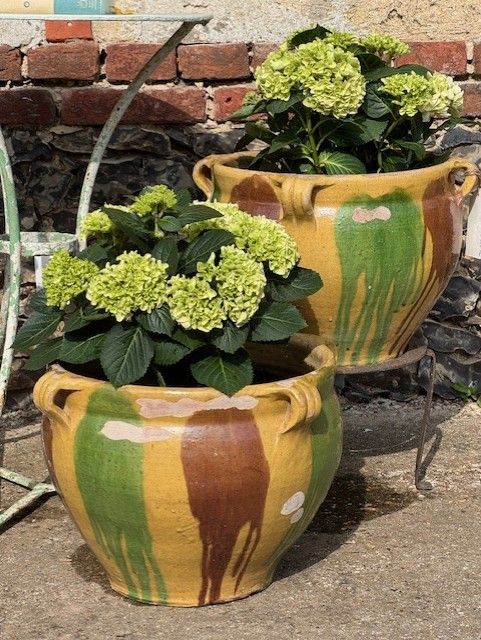


Terracotta Ceramic Jars
Terracotta ceramic jars are utilitarian and decorative vessels shaped from clay, offering earthy texture and enduring form to interiors and gardens alike.
Terracotta Ceramic Jars
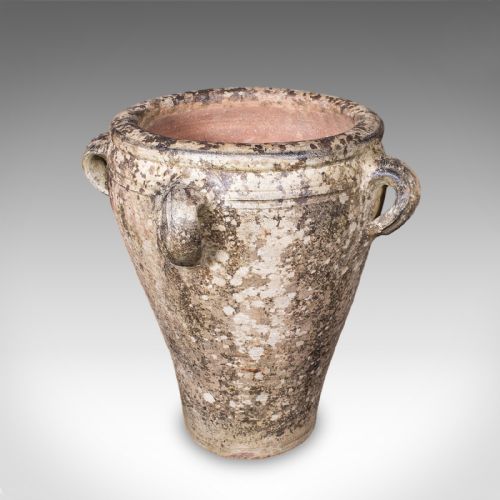
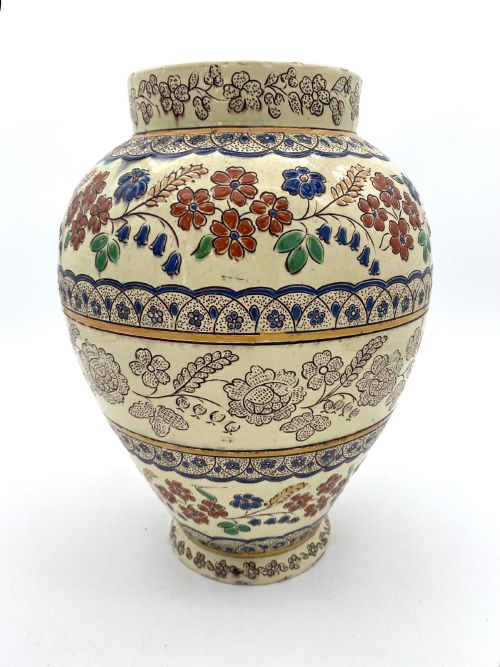
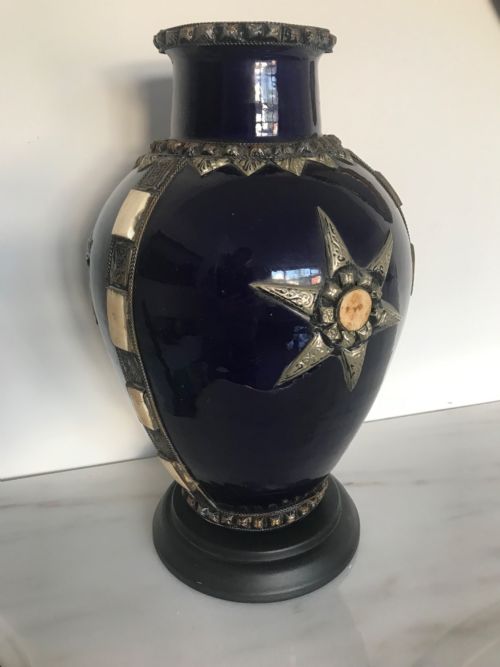
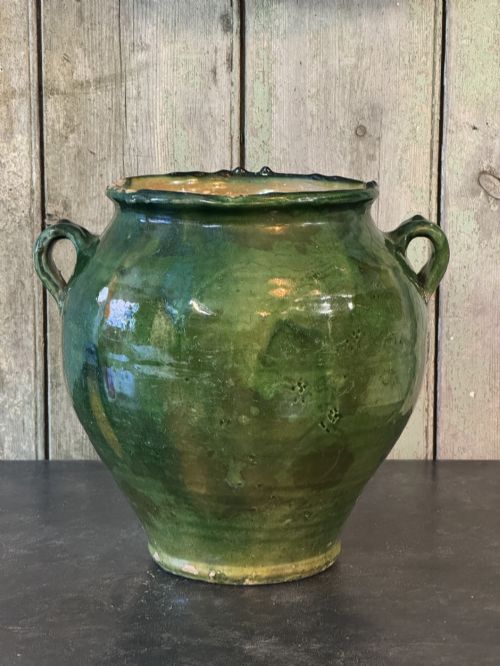
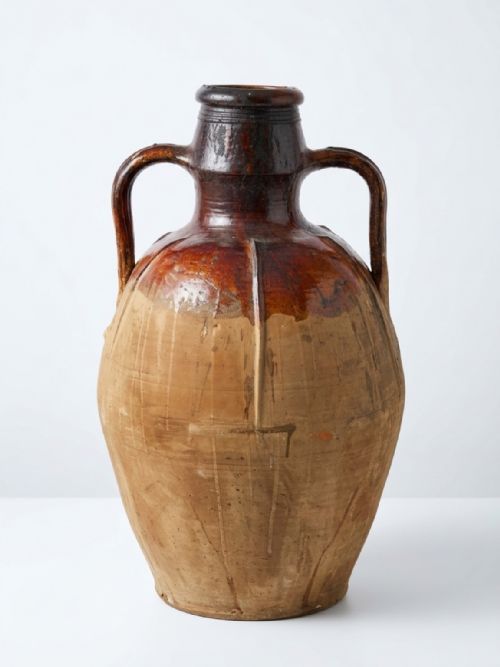
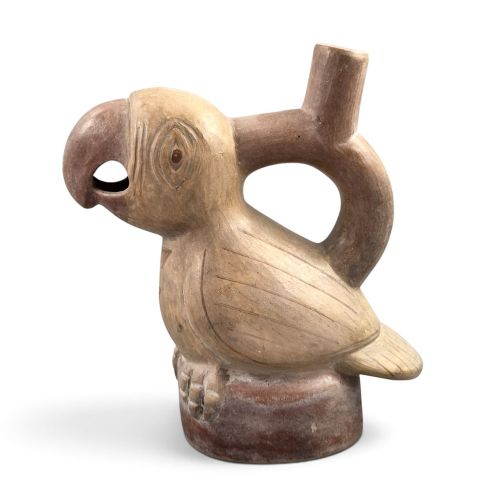
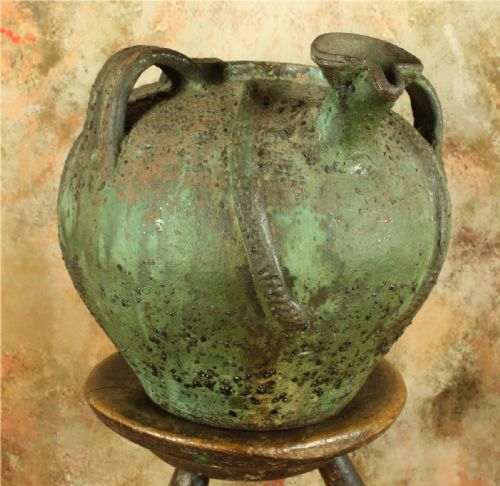
Terracotta ceramic jars comprise a diverse group of earthenware vessels originating from various historical periods, ranging from ancient artefacts to nineteenth-century domestic storage. Buyers seeking these pieces encounter robust utility items such as French confit pots, olive jars, and large garden planters alongside more decorative Mediterranean amphorae.
Forms vary from tall, slender amphorae designed for liquids to wide-mouthed jars intended for food preservation or estate gardening. Many pieces show the marks of heavy functional use, displaying aged surfaces that appeal to collectors of rustic and provincial wares.
Materials and construction
Construction relies primarily on natural clay and terracotta, shaped by hand or on the potter's wheel to create thick-walled vessels suited for storing oils, wine, and dry goods. Earthenware bodies are fired at lower temperatures, leaving the porous clay capable of absorbing moisture unless treated.
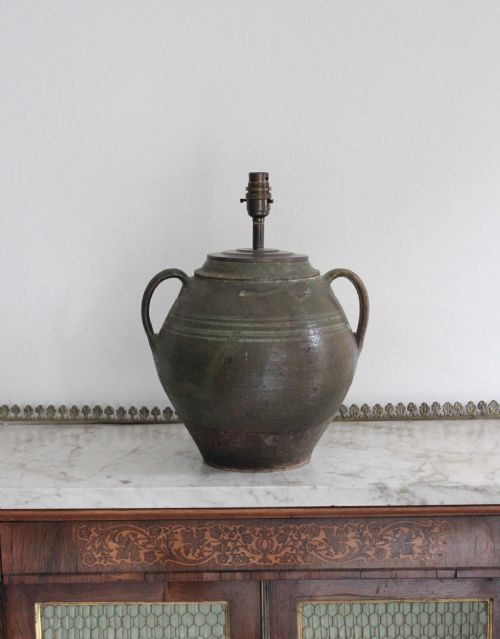
Many of the French and Mediterranean pots feature partial or full green and yellow lead glazes applied to the interior or upper exterior surfaces to seal the porous earthenware. Dribble glazes and aged patinas develop naturally through centuries of exposure to contents and environmental conditions.
Terracotta Ceramic Jars Retail Price Guide 2026
Typical asking prices for terracotta ceramic jars among the pieces listed under this phrase on Sellingantiques today, from the lower quarter to the upper quarter. They describe what is for sale here now, not the wider market.
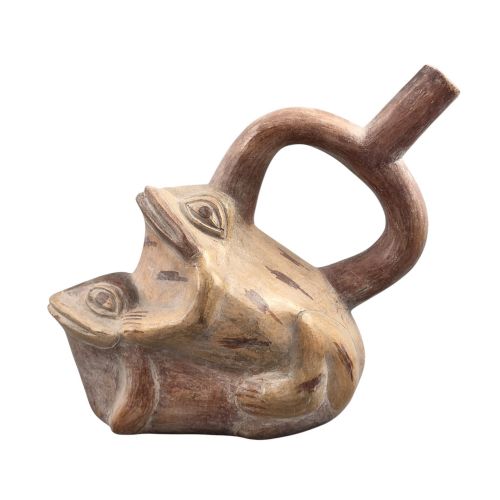
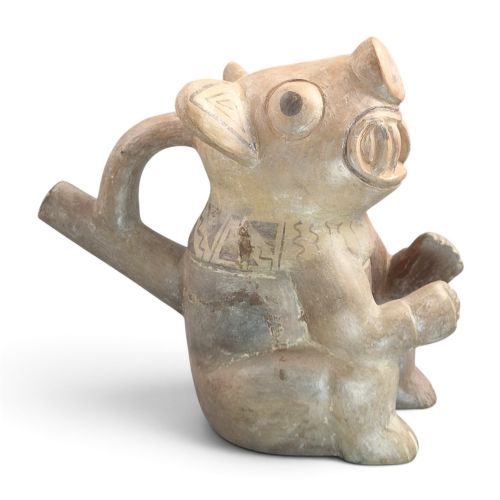
Listings feature 19th-century French confit pots, Mediterranean terracotta olive jars, and ancient Pre-Columbian earthenware vessels.
Assessing quality and character
Quality in these utilitarian pots rests upon the integrity of the thrown form, the balance of the handles, and the richness of the natural surface patina. Examples with intact historical glazes and original operational wear command greater appreciation from collectors than heavily restored pieces.
The distinction between standard utility vessels and superior examples often lies in the harmony of proportions and the depth of the firing marks. Provenance and clear regional attribution, such as specific French provincial potteries or Mediterranean workshops, elevate the standing of individual jars.
The Terracotta Ceramic Jars Glossary
- Terracotta
- Unglazed or fired brownish-red earthenware clay used for pots, bricks, and sculptures. The porous material hardens significantly in the kiln.
- Confit pot
- A traditional French earthenware jar featuring handles, typically glazed on the upper half. These vessels served originally for preserving meats.
- Amphora
- A tall ancient container with two handles and a narrow neck used for storing and transporting oil or wine. Many feature pointed bases designed to stand upright in sand.
- Earthenware
- Pottery fired at relatively low temperatures that remains porous unless glazed. It represents one of the oldest forms of ceramic manufacturing.
- Patina
- The surface sheen and weathering developed on pottery over decades or centuries of use. It provides visual evidence of age and history.
Terracotta Ceramic Jars: Frequently Asked Questions
What were terracotta ceramic jars used for?
These vessels served primarily as functional storage containers for agricultural goods like olive oil, wine, grain, and confit meats. Their thick clay walls helped maintain stable internal temperatures for perishable contents.
Over time, many of these utilitarian jars transitioned into garden planters and decorative display items within European courtyards and homes.
How do I care for antique terracotta?
Antique earthenware requires gentle handling due to the porous nature of the historic clay and potential fragility in older glazes. Keep pieces away from freezing moisture if placed outdoors to prevent the body from cracking.
Clean surfaces with a soft, dry cloth rather than harsh detergents, which can penetrate unsealed clay and alter the historic patina.
How can I tell the age of a jar?
Dating relies on examining tool marks, glaze consistency, clay composition, and the specific potting style characteristic of known periods. Nineteenth-century French confit pots display distinct throwing rings and local glaze variations compared to older examples.
Wear patterns around the rim and base also indicate the duration and type of historical use the vessel endured.
Can these jars stay outside?
Many larger terracotta and earthenware jars function well in gardens or orangeries, mirroring their original outdoor utility. However, severe frost poses a risk to porous unglazed clay containing trapped moisture.
Bringing sensitive historic pieces indoors during freezing winter months ensures the structural integrity of the ceramic body remains preserved.