


Victorian Center Table
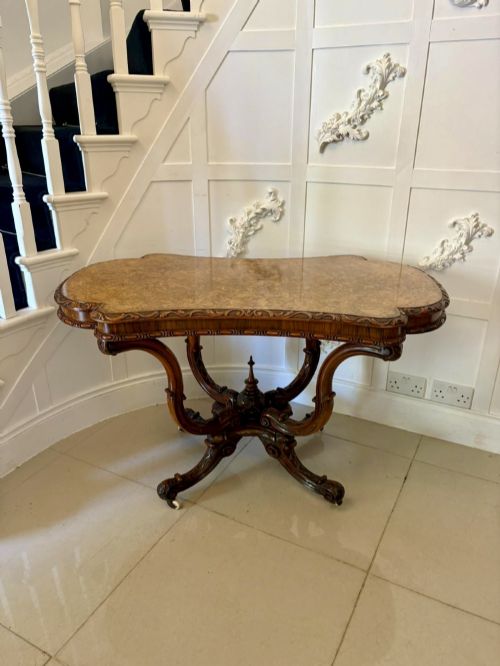
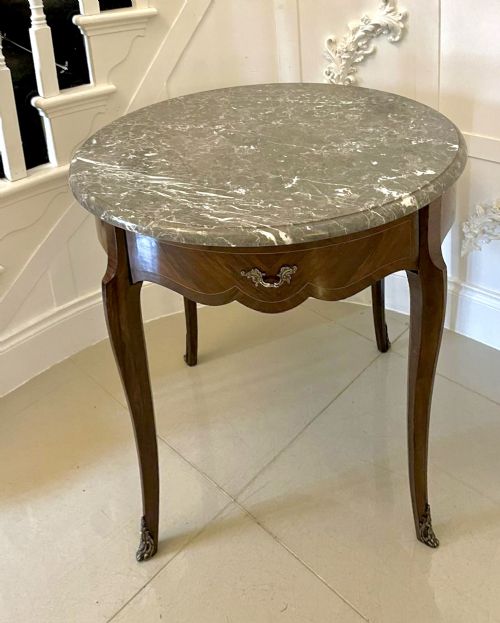
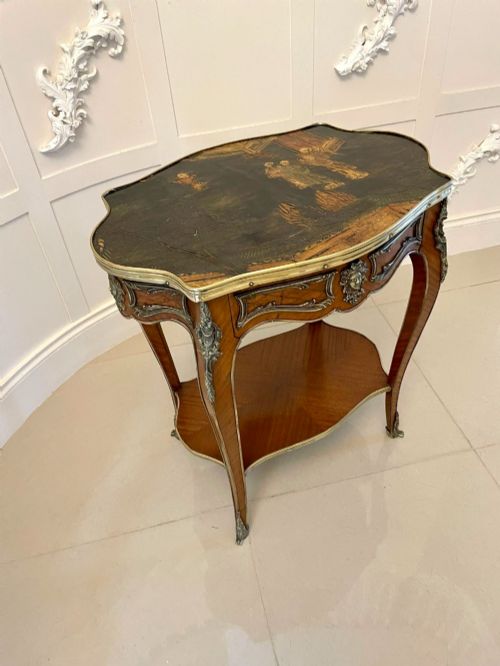
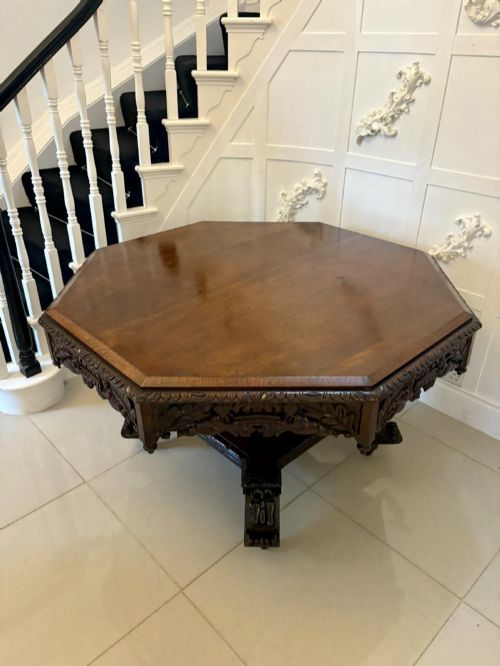
These pieces are a victorian centre table, designed to anchor a room and display objects or serve as a gathering point.
Victorian Center Table
A victorian centre table stands independently in a room rather than against a wall, finished on all sides for 360-degree viewing. These pieces originate primarily from the nineteenth century, spanning decades from the eighteen-fifties through the eighteen-nineties.
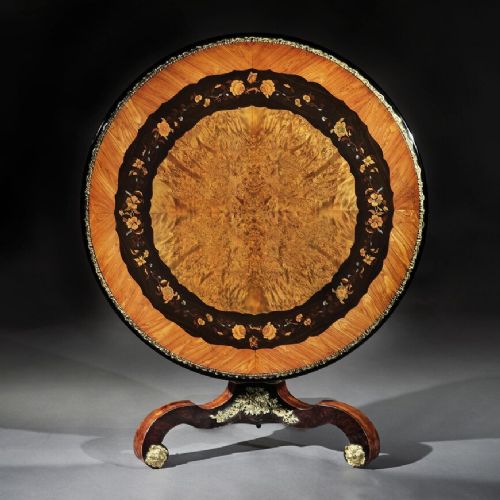
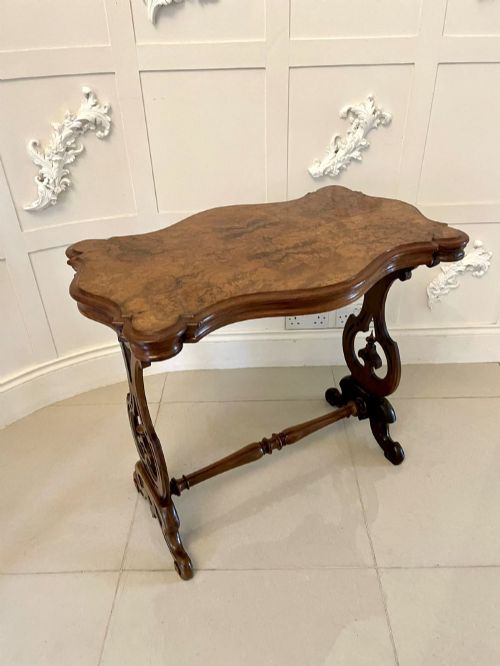
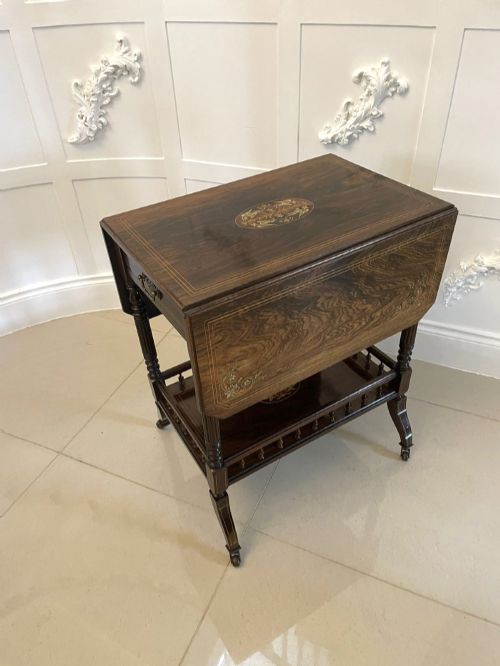
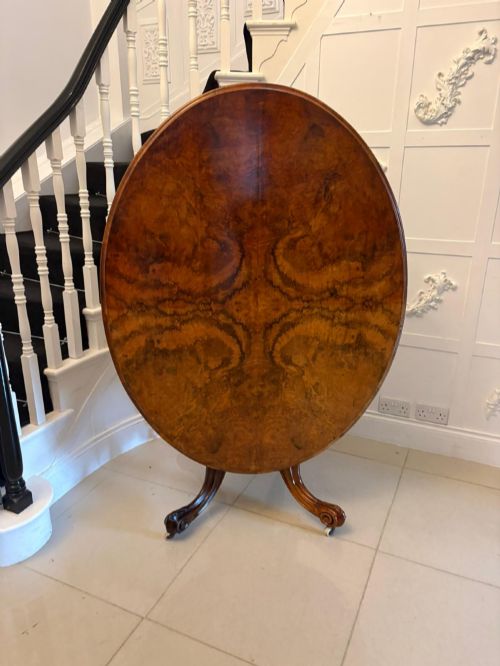
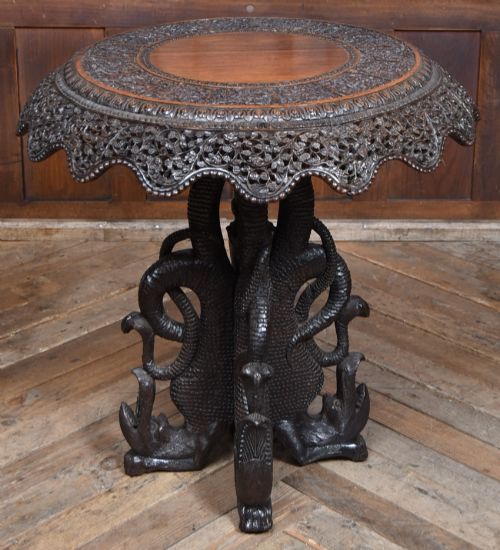
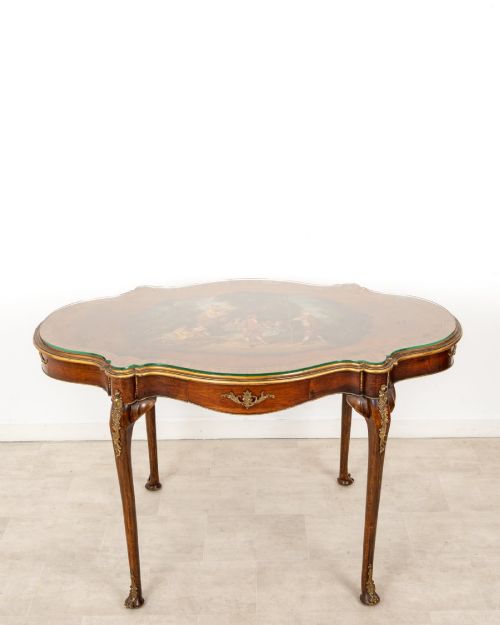
The form varies widely across the listings, taking shape as circular dining tables, oval loo tables, occasional lamp tables, and rectangular library tables. Burr walnut and rich rosewood dominate the domestic examples, while French revival models introduce exotic timbers and metal mounts.
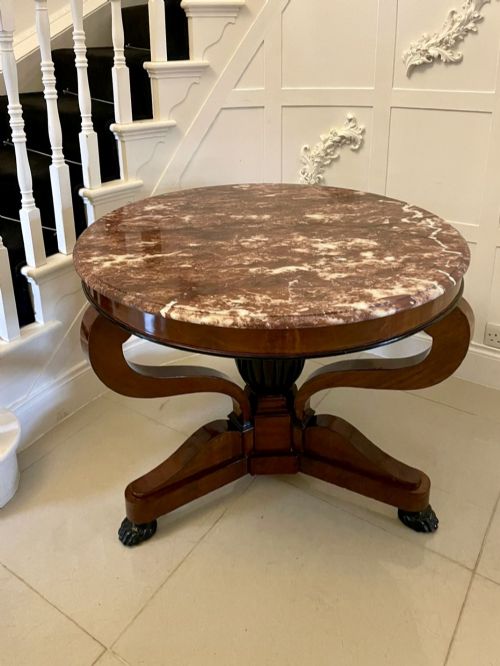
Makers adapted the form for varied domestic tasks, including writing, dining, and casual display. Many examples feature tilt-top mechanisms or sturdy pedestal bases designed to support heavy timber tops.
How they were made
Cabinet makers utilised dense native and imported timbers, pairing mahogany, oak, and pine carcasses with decorative veneers of burr walnut, kingwood, and satinwood. Marquetry inlays and fine stringing provide geometric or floral ornamentation across the tops.
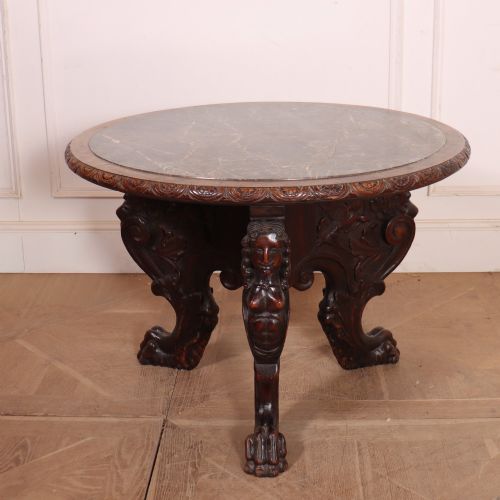
Foundry work contributes brass or ormolu mounts to French revival pieces, while solid rosewood and walnut form the carved pedestals and turned legs. Joinery relies on traditional framing and tilting mechanisms to join the top securely to the base.
Scissors-action tables fold flat like an accordion, proving that nineteenth-century designers loved a clever mechanical puzzle just as much as we do.
What varies in quality
The distinction between standard examples and the finest pieces rests on the choice of timber veneer and the precision of the marquetry. Figured burr walnut with matching grain symmetry commands attention, alongside crispness in hand-carved mouldings.
Structural stability in pedestal bases and smooth operation in tilt-top mechanisms separate superior work from simpler utilitarian tables. Secondary woods hidden beneath veneers and the integration of ormolu or brass fittings reflect the original workshop's investment in materials.
Edward Holmes Baldock·Gillows
The Victorian Center Table Glossary
- Burr walnut
- A highly figured timber taken from the wart or burl growths of the walnut tree. It produces intricate, swirling grain patterns prized by nineteenth-century cabinet makers.
- Loo table
- A large round or oval Victorian table designed for card games like loo. They commonly feature tilt-top mechanisms so the table could be stored flat against a wall.
- Marquetry
- The art of applying small pieces of veneer to a structure to form decorative patterns. Craftsmen utilised varied woods and tinted materials to create floral or pictorial scenes.
- Ormolu
- Gilded bronze ornamentation applied to furniture mounts and feet. This technique gained popularity through French revival styles.
- Tilt-top
- A hinged tabletop mechanism that allows the surface to rotate into a vertical position. This saved floor space when the table was not in use.
Victorian Center Table: Frequently Asked Questions
Where do you put a centre table?
These tables are built to stand free in the middle of a room rather than pushed against a wall. They function well beneath a central ceiling rose or chandelier.
Because the finish extends to all sides, they allow circulation around them while serving as a surface for lamps, books, or floral arrangements.
How do I care for burr walnut?
Burr walnut requires stable indoor humidity and protection from direct sunlight to prevent the delicate veneers from drying or fading. Regular dusting with a soft, dry cloth preserves the polished surface.
Avoid placing damp items or unpadded ceramics directly onto the wood to protect the historic polish from water rings.
How do I identify a Victorian table?
Nineteenth-century tables reveal their era through timber choices, construction methods, and characteristic revival styles like French Rococo or Gothic. Heavier pedestals, deep rosewood or walnut skirts, and hand-cut joinery are common indicators.
Examining the underside often exposes secondary woods like oak or mahogany that support the primary decorative veneers.