


Victorian Cellarette Cabinet
These robust victorian cellarette cabinet pieces store wine and spirits securely, offering period craftsmanship and rich timber character for the modern dining room.
Victorian Cellarette Cabinet
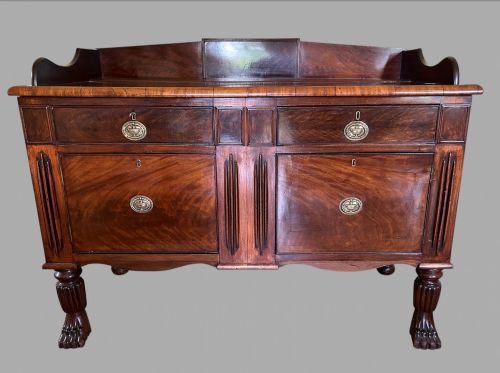
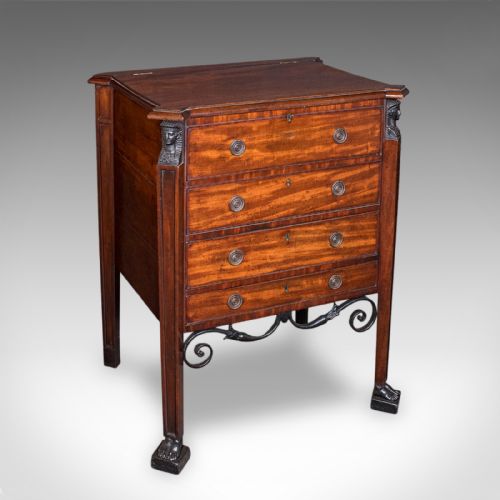
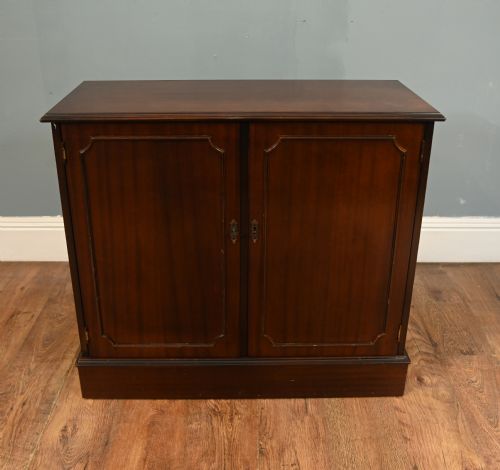
Buyers will most frequently encounter mahogany and oak constructions configured as side cabinets, wine chests, or drop front dry bars. Formats range from oval brass bound cellarettes to elaborate cocktail cabinets reflecting Egyptian Revival and Gothic styles.
The selection includes specialised variations such as table coolers and whatnot combinations incorporating cellarette compartments. These forms illustrate the diverse domestic storage solutions demanded by nineteenth century households.
Materials and construction methods
Cabinet makers utilised dense hardwoods such as mahogany, flame mahogany, oak, and satinwood to build these robust storage vessels. Structural integrity was often reinforced with brass banding, iron fittings, and intricate carving.
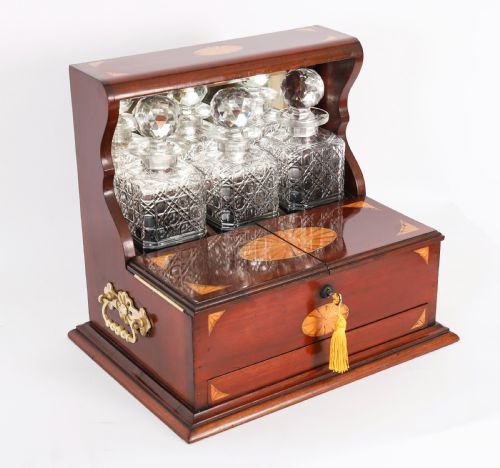
Interior fitments frequently incorporated lead crystal decanters and specialised glass storage alongside lead lined compartments designed to hold ice and bottles. Surface finishes relied on traditional polishing techniques that highlighted the natural grain of the timber.
Current listings feature nineteenth century pieces constructed from mahogany, oak, and satinwood in Victorian and Georgian styles.
Distinguishing quality across examples
The standard of a victorian cellarette cabinet depends upon the selection of timber veneers, such as flame mahogany or satinwood inlay, and the precision of the joinery. Superior examples display careful attention to internal compartmentalisation and hardware integration.
The presence of original lead crystal decanters, functional locking mechanisms, and intact brass binding elevates the integrity of the piece. Stylistic execution, ranging from plain functional oak to detailed Gothic revival carving, dictates the refinement of the item.
The Victorian Cellarette Cabinet Glossary
- Cellarette
- A lockable container or cabinet specifically designed for storing bottles of wine or spirits near the dining table. They frequently include internal dividers or lead linings for temperature control.
- Tantalus
- A locking drink stand that secures decanters within a frame while leaving the contents visible, preventing unauthorized access to the spirits. These often incorporate games compendiums or box storage.
- Flame mahogany
- A decorative wood veneer showing a distinct light reflecting pattern resembling flickering flames. Cabinet makers selected this cut for prominent exterior surfaces.
- Demi lune
- A half moon shape utilised in the design of tables and small cabinets. This profile allowed furniture to sit flush against dining room walls.
- Gothic revival
- An architectural and decorative style drawing inspiration from medieval design. Pieces in this mode display pointed arches, tracery, and heavy carved oak.
Victorian Cellarette Cabinet: Frequently Asked Questions
What is a cellarette cabinet?
A cellarette cabinet is a dedicated piece of furniture designed to store wine bottles and spirits securely within the dining room or drawing room. These items range from simple timber chests to elaborate sideboards and cocktail units.
Historically, they kept expensive vintages locked away from domestic staff while remaining close at hand for hosts during formal meals.
How were nineteenth century wine coolers lined?
Many traditional wine coolers and cellarettes feature lead linings designed to hold ice and chill bottles directly. Over time, some linings have been removed or replaced during restoration work.
When evaluating a piece, examining the interior construction reveals whether it served as a wet cooler or dry bottle storage.
What is a tantalus drinks box?
A tantalus is a locking wooden frame that holds several decanters securely in place while displaying the contents. The mechanism prevents the removal of the decanters without a key.
These units often form part of a broader dry bar or games compendium dating from the later nineteenth century.
How do I identify a Victorian cabinet?
Victorian cabinets are identified through timber selection, construction methods, and stylistic indicators such as Gothic revival carving or Egyptian taste motifs. The presence of period brass hardware and hand cut dovetails helps confirm the era.
Makers of the period utilised dense hardwoods like mahogany and oak to build durable furniture for domestic entertaining.