


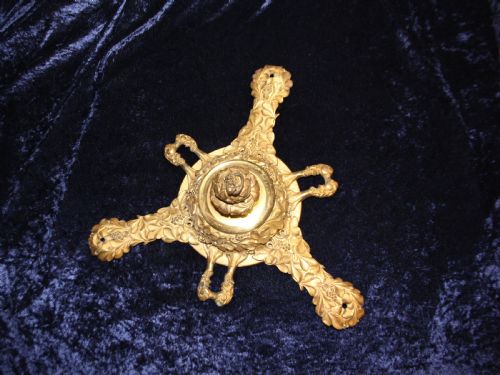


Victorian Ceiling Rose
These original victorian ceiling rose pieces anchor heavy light fittings and ornament plasterwork with metal or wood.
Victorian Ceiling Rose
A victorian ceiling rose provides a decorative centrepiece for overhead lighting in period rooms. These architectural salvage items protect the ceiling surface while anchoring pendants and chandeliers.
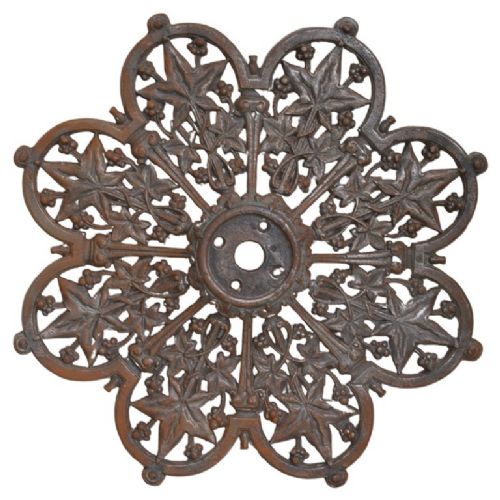
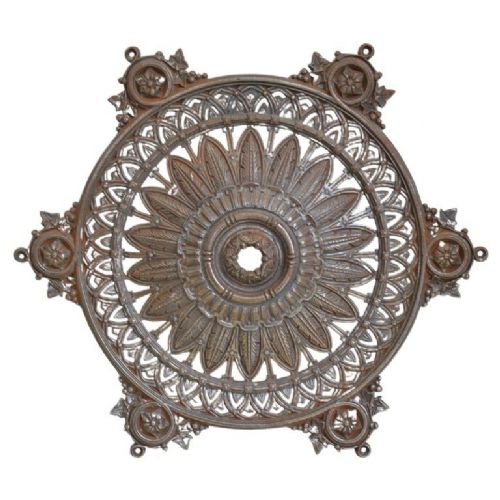
The selections range from robust cast iron and brass mountings to carved oak panels and unusual glass formations. Metal castings featuring ivy leaf or feather designs appear alongside simpler geometric and Tudor rose configurations.
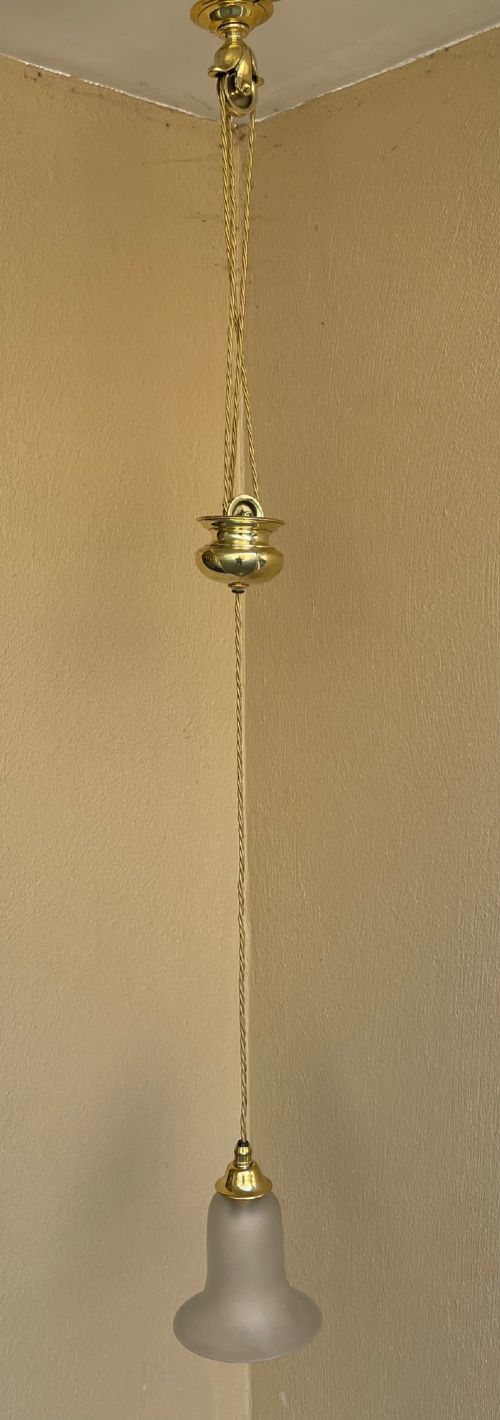
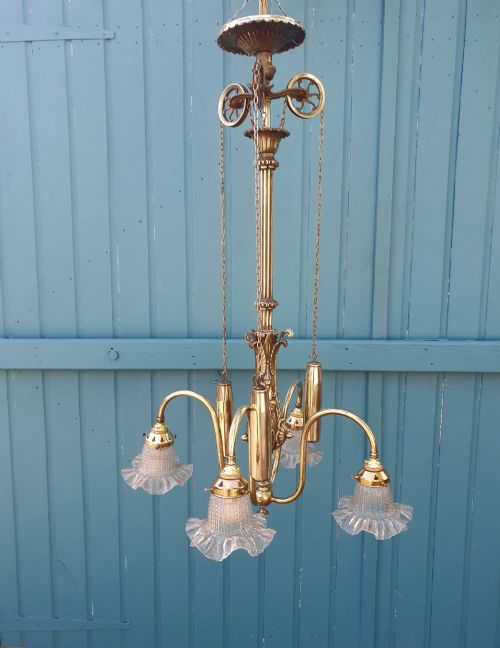
Pieces span the nineteenth century into the Edwardian era, showing both standard domestic forms and industrial variations. Buyers will find individual ceiling roses as well as complete rise and fall pendant lights and chandeliers incorporating them.
How they were made
Foundry work dominates the metal items, utilising cast iron, cast brass, and polished or gilt bronze. Moulds captured fine botanical details such as ivy leaves and feathers directly into the metal.
Carved timber pieces utilise oak shaped into traditional Tudor rose patterns by hand. Plaster versions were also cast to ornament domestic ceilings with painted finishes.
Materials span cast iron, brass, polished bronze, oak, and glass across nineteenth century and Edwardian dates.
What varies in quality
The crispness of the casting defines the visual strength of metal roses, where deep relief work on foliage and geometric borders holds its form under low ceiling light. Softer definition in cheaper or worn moulds loses the sharpness of the original designer's intent.
Material choice shifts the character and weight of the fitting completely, from heavy cast iron to polished bronze and gilt brass. Original painted surfaces or patination accumulated over time also distinguish untouched examples from stripped metalwork.
Osler
The Victorian Ceiling Rose Glossary
- Ceiling Rose
- A decorative moulding or plate fixed to the ceiling around the point where a pendant light emerges. It distributes the weight of the fitting and hides the electrical connection.
- Cast Iron
- An iron-carbon alloy poured into moulds to create rigid components with high compressive strength. It allows for intricate surface textures like ivy leaves and stars.
- Rise and Fall
- A mechanical lighting mechanism using weights and pulleys to allow the pendant height to be adjusted. These fittings often incorporate decorative brass roses and counterweights.
- Gilt Brass
- Brass treated with a gold-coloured finish or thin layer of gold leaf. This technique enhances the decorative appeal of architectural hardware.
Victorian Ceiling Rose: Frequently Asked Questions
How do I fix a heavy ceiling rose safely?
Heavy cast iron or bronze pieces require proper timber noggins or joist support behind the plaster ceiling. Standard wall plugs will not bear the weight safely.
Fixing screws should pass through designated holes directly into structural framing. Consult an electrician to ensure the central wiring hole accommodates your pendant cable.
How do I clean old brass and iron?
Dust accumulated in recessed botanical carvings is best removed with a soft dry brush. Aggressive cleaning agents will strip desirable historical patination from the metal.
Cast iron benefits from light oiling if rust appears on exposed surfaces. Polished bronze and brass maintain their character best with minimal intervention.
What is the difference between cast iron and brass roses?
Cast iron offers a heavy, industrial appearance with dark patination or original paint finishes. It was frequently utilised for robust architectural hardware in Victorian interiors.
Brass provides a brighter metallic tone that could be polished, gilt, or left to age naturally. Brass and bronze pieces often appeared in more formal reception rooms.