




Antique Ceiling Rose
An antique ceiling rose anchors a room with historic architectural character, offering intricate cast metal, carved timber or glass detail.
Antique Ceiling Rose
When you search for an antique ceiling rose, you encounter architectural salvage and decorative fittings spanning the eighteenth century through to the 1930s. The selection ranges from robust Victorian cast iron and brass pieces to earlier carved oak panels and ceiling bosses.
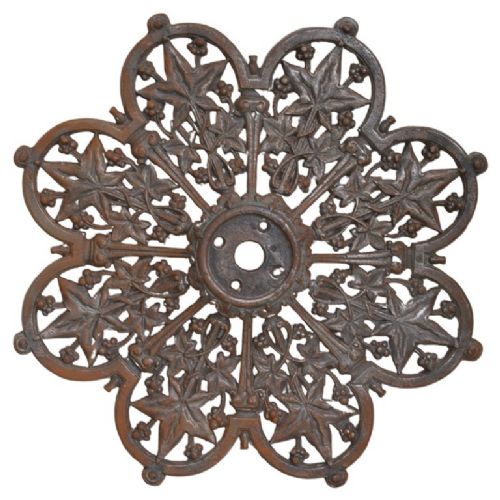
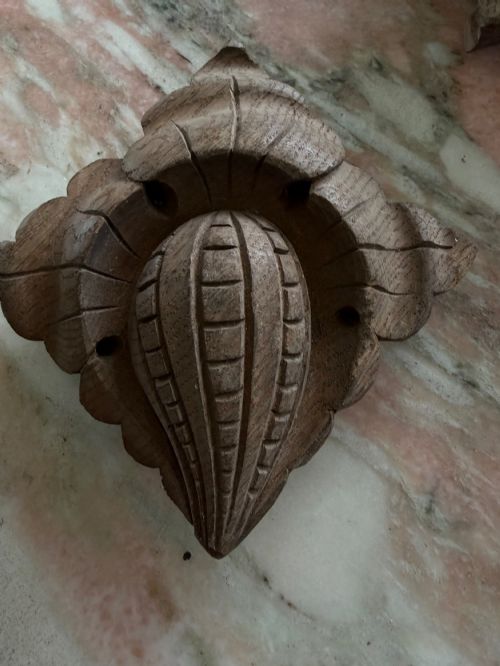
You are most likely to meet cast iron and brass examples from the nineteenth and early twentieth centuries, frequently featuring botanical motifs such as ivy leaves and feathers. Wooden versions from the eighteenth century appear as carved oak panels or Tudor rose bosses.
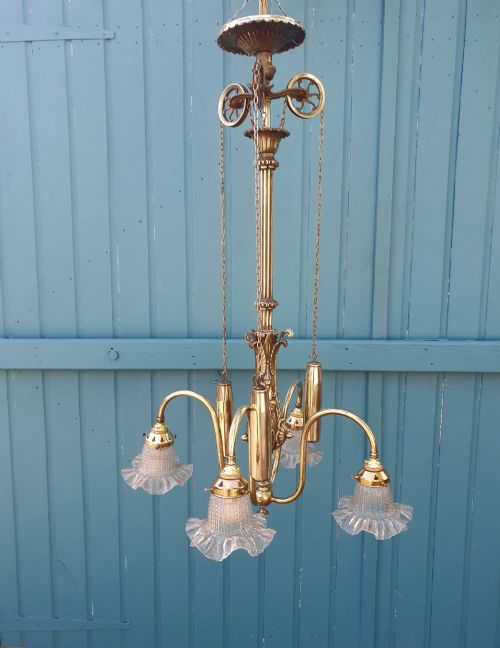
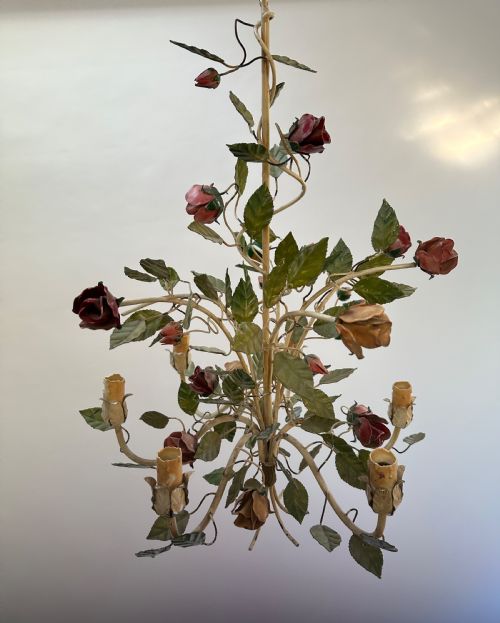
The category extends beyond simple plaster or metal rosettes to encompass functional hardware, lighting fixtures, and converted elements like mirrors. Pieces take various forms, from flat decorative plates designed to anchor a light fitting to substantial architectural bosses.
How they were made
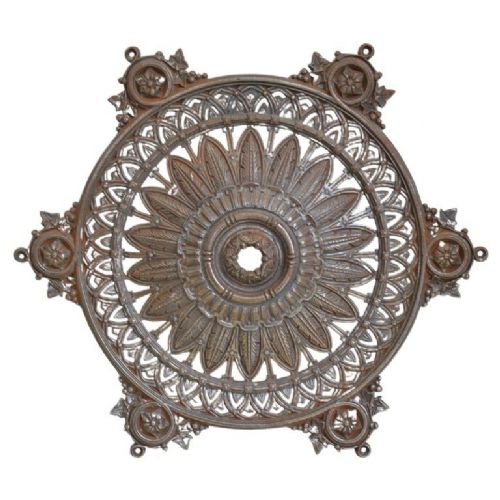
Makers utilised traditional foundry and woodworking methods, casting metals such as iron, brass, and bronze in sand moulds to achieve crisp botanical and geometric reliefs. Carved wooden examples demonstrate hand-tool work on solid oak, shaping dense timber into complex Tudor rose and boss panels.
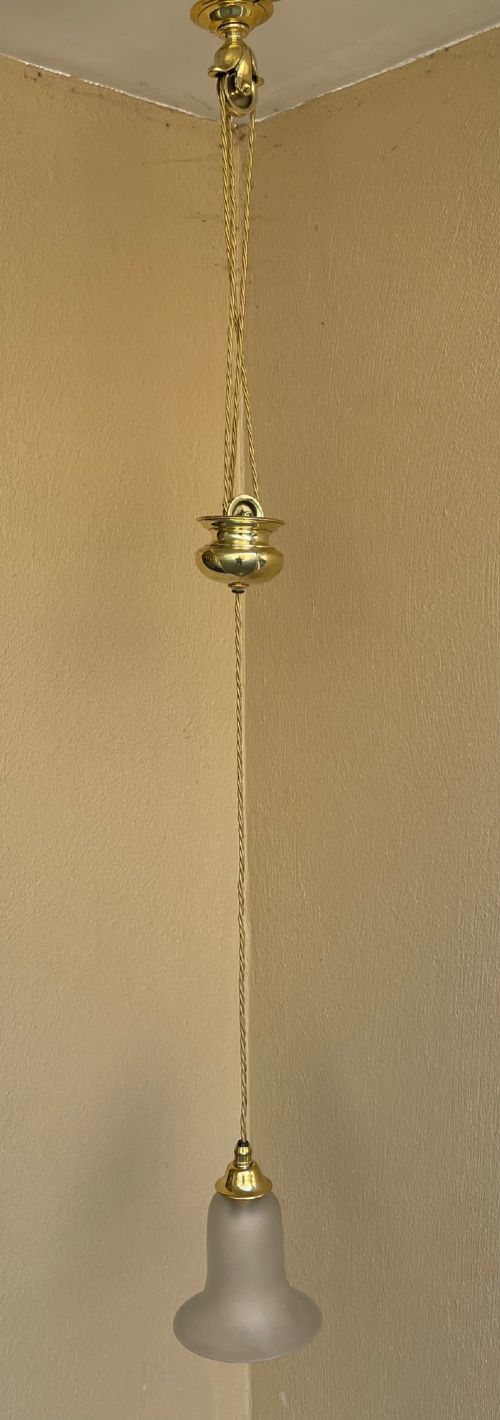
Glass components rely on pressing and frosting techniques, seen in satin glass and cut glass shades paired with metal frames. Assembly often involved integrated brass or iron fittings, sometimes later adapted to accommodate fabric cables and modern electrical elements.
One unexpected survivor crossed the threshold straight from a butcher's shop, converted entirely into a circular wall mirror.
What varies in quality
Quality rests primarily on the depth and crispness of the casting or carving, where sharply defined foliage and clean edges distinguish superior work from softer, worn examples. The choice of material also dictates distinction, moving from standard utility iron to finely finished gilt brass, polished bronze, or dense carved oak.
Scale and complexity further differentiate pieces, with unusually large diameters and intricate multi-tiered botanical decoration demanding greater skill from the original maker. The integrity of the material surface, whether retained old patination on cast metal or untouched carved grain on timber, marks the finer survivals.
Osler·Verrerie Des Vosges
The Antique Ceiling Rose Glossary
- Ceiling Rose
- A decorative plate fixed to the ceiling around the point where a pendant light descends. They protect the ceiling surface and provide a decorative focal point.
- Ceiling Boss
- A projecting block or pendant ornament set at the intersection of ceiling ribs or in the centre of a panel. These are frequently carved from solid oak in earlier architectural contexts.
- Cast Iron
- An iron-carbon alloy poured into a mould to shape complex ornamentation. It provides heavy, durable structural and decorative elements particularly common in the Victorian period.
- Rise and Fall
- A mechanical lighting suspension system using weights and pulleys to allow the height of the pendant light to be adjusted. This mechanism is frequently housed in or paired with brass ceiling fittings.
- Pressed Satin Glass
- Glass shaped in a mould with an acid-treated or sandblasted surface finish giving a velvety texture. It gains popularity in Art Deco and later twentieth-century lighting.
Antique Ceiling Rose: Frequently Asked Questions
How do I install an antique ceiling rose?
Many cast metal and wooden examples can be adapted as pattresses or decorative surrounds for modern pendant light fixtures. A qualified electrician should handle the wiring integration to ensure safe attachment to ceiling joists.
Heavier cast iron or bronze pieces require secure fixings directly into solid backing to support the weight safely. Lighter glass and brass configurations may permit simpler surface mounting depending on the specific hardware provided.
What is the difference between a ceiling rose and a ceiling boss?
A ceiling rose is typically a broader, flatter plate designed to sit flush against the plaster around a light fitting. They often feature repetitive surface decoration like leaves or petals radiating from the centre.
A ceiling boss is a thicker, more sculptural architectural element that projects substantially from the ceiling plane. These frequently originate from earlier timber-framed buildings as structural or decorative junction points.
How do I date a cast iron ceiling rose?
Victorian examples frequently display naturalistic botanical motifs such as ivy leaves and fern fronds cast with high definition. The presence of standard threaded fixing holes and specific foundry characteristics helps distinguish nineteenth-century production from later reproductions.
Earlier pieces in iron or brass often correlate with specific architectural revivals like the Gothic or Regency styles. Examining the reverse side for hand-finished marks or mounting lugs provides further clues to the period of manufacture.
Can I use these with modern electrical fittings?
Most metal and glass ceiling elements accommodate modern electrical cable and lamp holders with minor adaptation by a specialist. Central apertures can often be drilled or enlarged to pass standard wiring safely through the centre.
Care must be taken not to compromise the structural integrity or historic surface of the piece during any conversion process. Consulting a restorer ensures the original aesthetic remains intact while meeting contemporary safety standards.