

Edwardian Light Plate
These pieces illuminate rooms with period grace, bringing Edwardian light plate and related silver-plated metalwork into domestic spaces.
Edwardian Light Plate
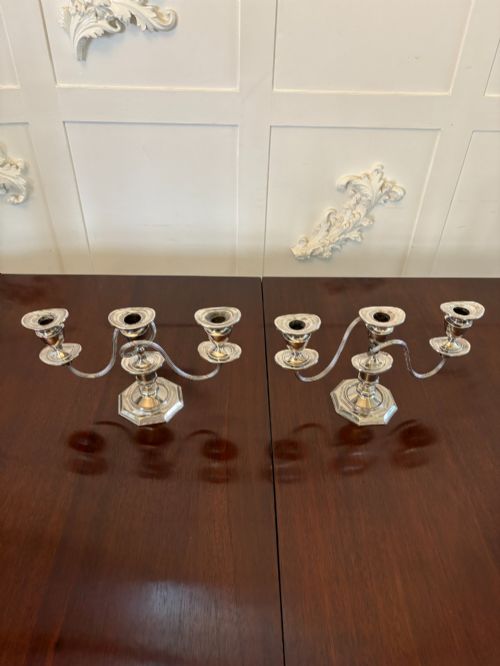
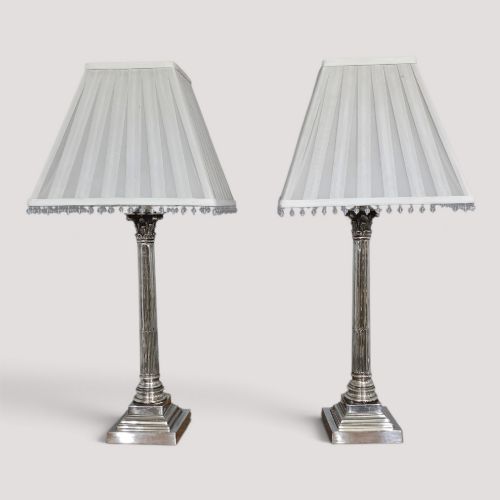
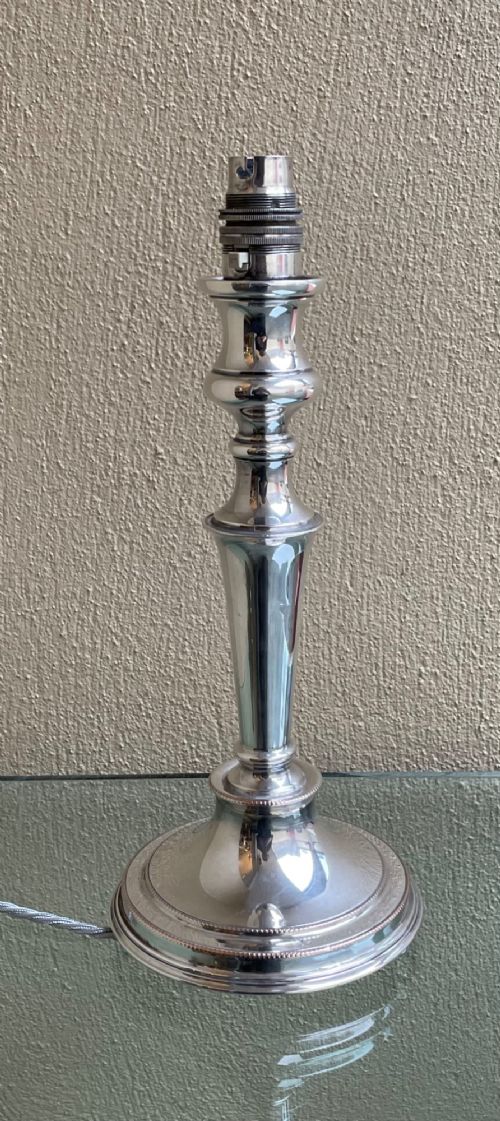
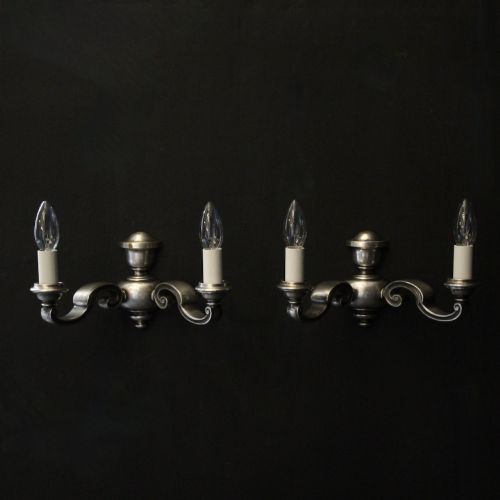
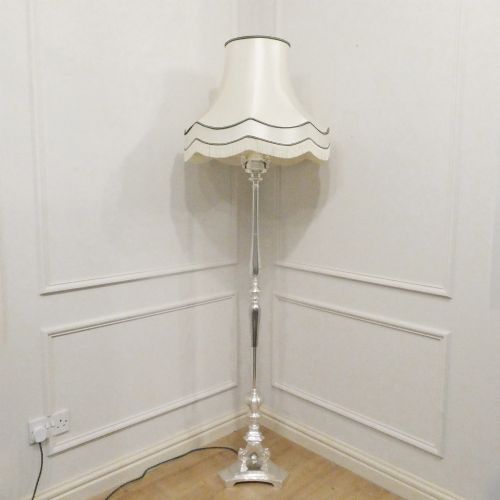
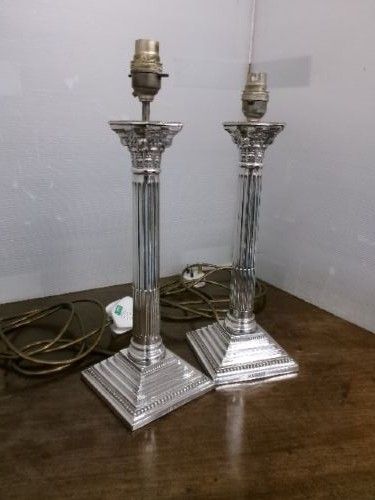
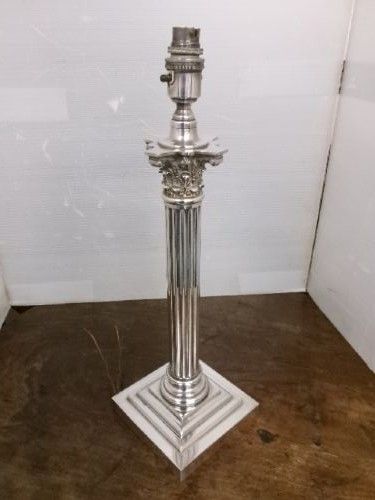
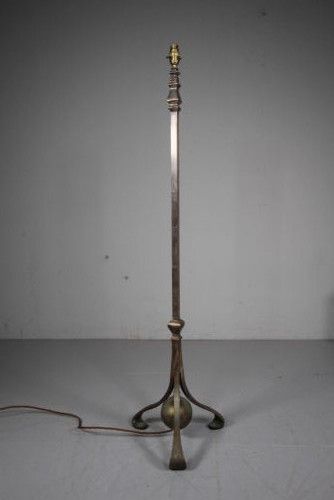
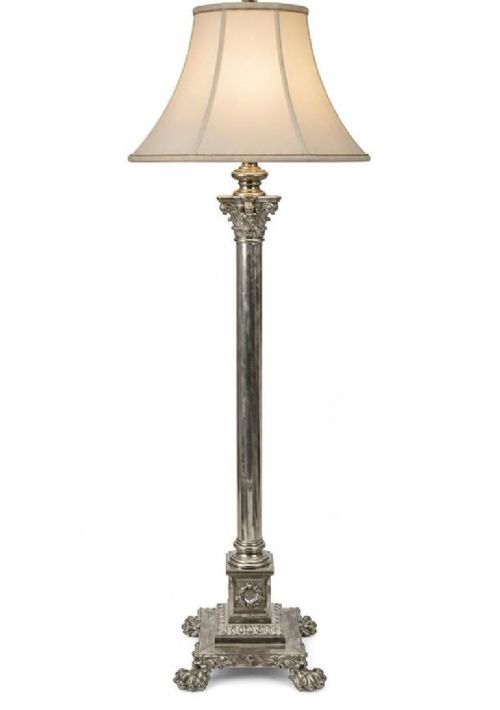
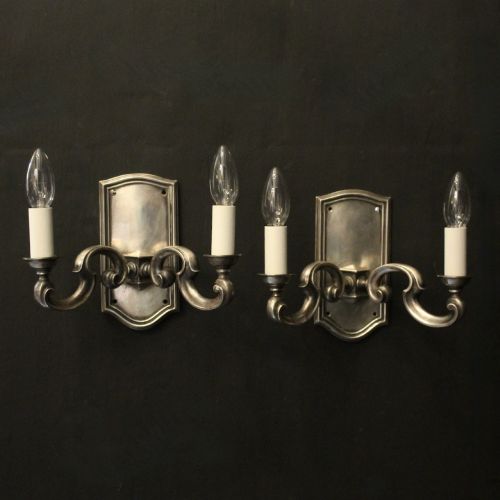
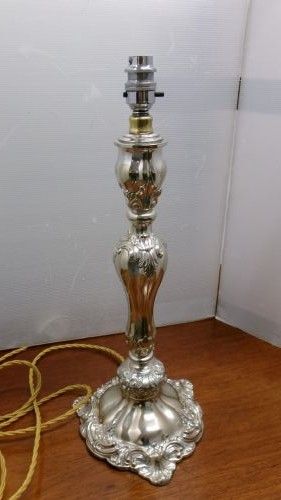
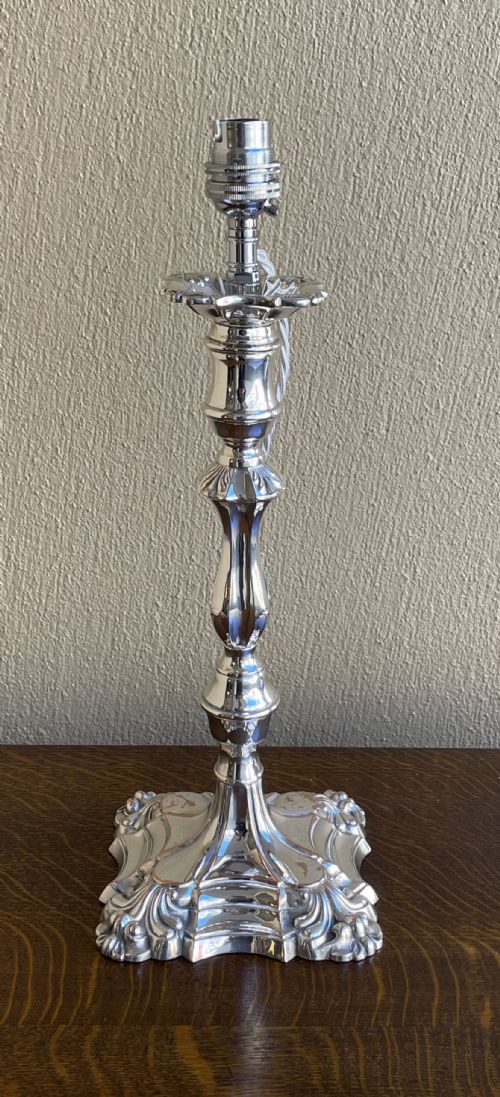
When you search for edwardian light plate, you encounter lighting fixtures designed to hold candles or electric bulbs, spanning wall lights, chandeliers, floor lamps, and table lamps. The most common form met on this page is the silver-plated table lamp or wall light, frequently incorporating column designs.
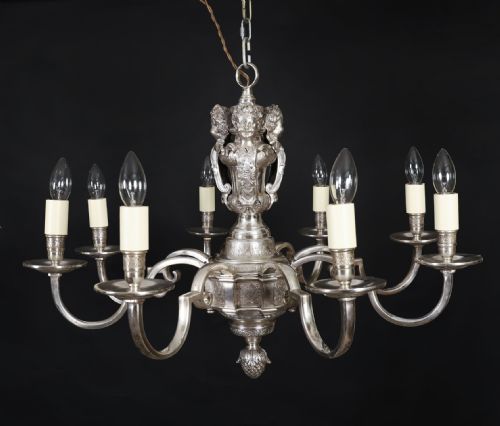
The selection encompasses objects originating from the Edwardian era alongside late Victorian and early twentieth-century pieces. Makers utilised silver plate, nickel plate, brass, and glass to construct candelabras, standard lamps, and candle lamps for domestic interiors.
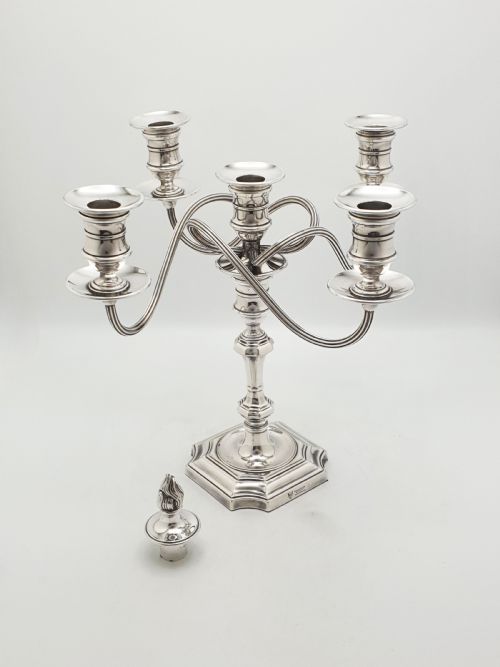
Styles range from straightforward utilitarian lighting to ornate neoclassical revivals, including Corinthian column table lamps and multi-armed chandeliers. Pieces extend from single candle lamps to grand five-light candelabras.
How they were made
Manufacture relied upon base metals such as brass, pewter, or nickel, coated via electroplating to provide a durable silver finish. Electroplated nickel silver and standard silver plate formed the primary metallic surfaces for columns, arms, and bases.
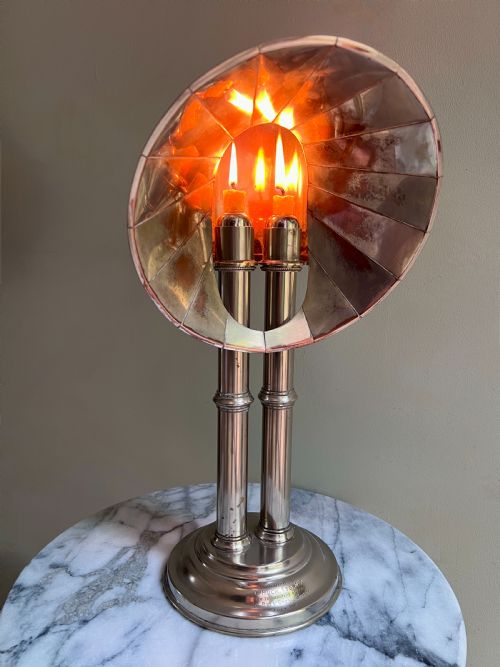
Glass components, including shades and reflectors, accompanied metal structures in chandeliers and candle lamps, while fabric featured in related domestic lighting. Assembly combined cast sections with tubular elements, screw threads, and weighted bases for stability.
Listings feature items spanning the 1880s through the 1920s, dominated by silver plate, brass, and nickel.
What varies in quality
The distinction between tiers rests upon the weight of the metal blank, the crispness of cast details such as acanthus leaves or fluting, and the preservation of the original plating layer. Heavier castings with deep relief ornament indicate superior workshop standards.
Proportion and architectural balance define the upper range, where Corinthian capitals align correctly with fluted shafts and stepped bases. Inferior examples exhibit simplified casting, thinner plating that wears down to the base metal, and less rigorous structural joins.
Mappin & Webb·Veritas Lamp Works·WMF
The Edwardian Light Plate Glossary
- Silver Plate
- A thin layer of silver bonded to a base metal substrate, commonly utilising copper, brass, or nickel alloys. This technique allowed domestic items to achieve the appearance of solid silver at a reduced cost.
- EPNS
- Electroplated nickel silver, a durable metallic base composed of copper, nickel, and zinc coated with pure silver through an electrolytic process. It provided an exceptionally hardwearing surface for frequently handled lighting fixtures.
- Corinthian Column
- An architectural support featuring an ornate capital decorated with acanthus leaves, frequently adopted for the shafts of heavy table lamps. Victorian and Edwardian makers reproduced these classic forms in plated metal.
- Candelabra
- A branched lighting fixture designed to hold multiple candles simultaneously upon separate arms. Examples range from travelling reading lamps to substantial five-light dining table centerpieces.
- Gimbal
- A pivoted ring mounting that allows a lamp to remain level despite the motion of a ship or carriage. These utilitarian fittings were typically executed in robust nickel plate.
Edwardian Light Plate: Frequently Asked Questions
What is an edwardian light plate?
An edwardian light plate typically refers to silver-plated lighting hardware, table lamps, and wall brackets produced during the early twentieth century. These objects utilise electroplated finishes over base metals to create a bright reflective surface for candles or electricity.
Such fixtures reflect the interior taste of the period, favouring neoclassical revival motifs and robust metal construction for domestic illumination.
How do you clean silver-plated lamps?
Cleaning requires a soft cloth and a gentle silver polish formulated specifically for plated items to avoid removing the thin outer layer. Aggressive scrubbing strips the silver coating from the underlying brass or nickel.
Preserving the finish involves dusting regularly with a dry microfibre cloth and minimising exposure to moisture.
Are these lamps wired for modern electricity?
Many antique lamps have been rewired for contemporary use, though older installations may require professional inspection or updating to meet current safety standards. Rewiring preserves the original metal body while ensuring safe domestic operation.
Check the cord and plug condition before connecting any vintage fixture to a power source.
How do I identify an Edwardian piece?
Edwardian items often display cleaner lines than their Victorian predecessors, leaning towards restrained neoclassical revivals or early art nouveau curves. Hallmarks, registration numbers, or manufacturer stamps on the base frequently confirm the period of production.
Stylistic cues include Corinthian columns, stepped square bases, and lighter structural proportions compared to nineteenth-century designs.