



Antique Pendant Light Rose
These antique pendant light rose fixtures combine period brass and glass to anchor a room with genuine historic character.
Antique Pendant Light Rose
An antique pendant light rose brings together functional ceiling hardware and decorative glass or metalwork from the Victorian, Edwardian, and Art Nouveau periods. When searching for an antique pendant light rose, you encounter ceiling roses, rise and fall mechanisms, and hanging chandeliers constructed from brass, bronze, and cut glass.
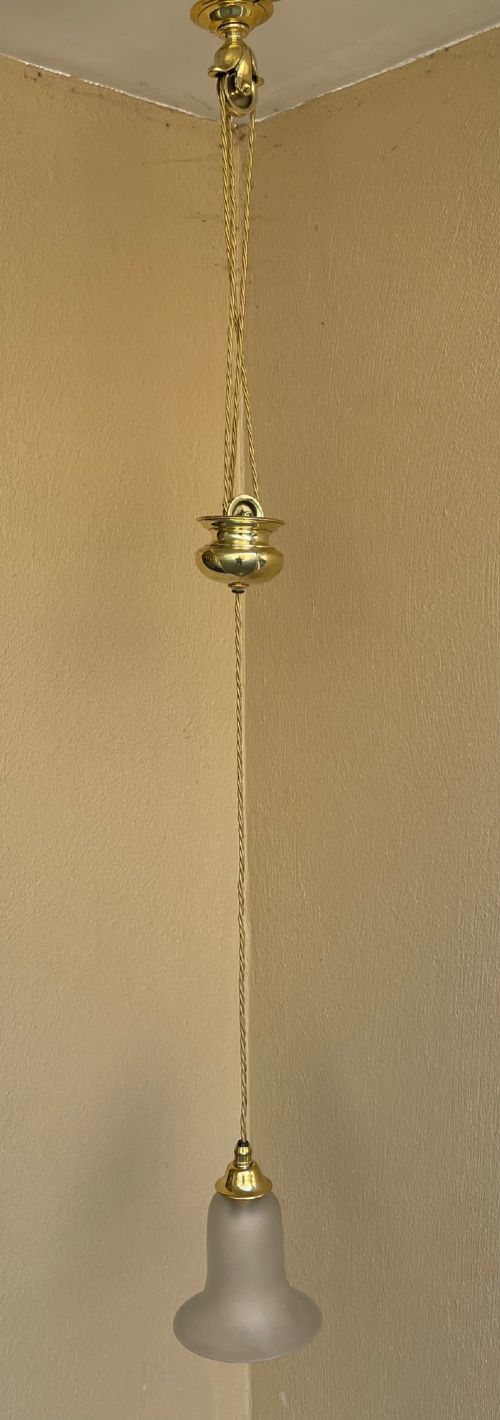
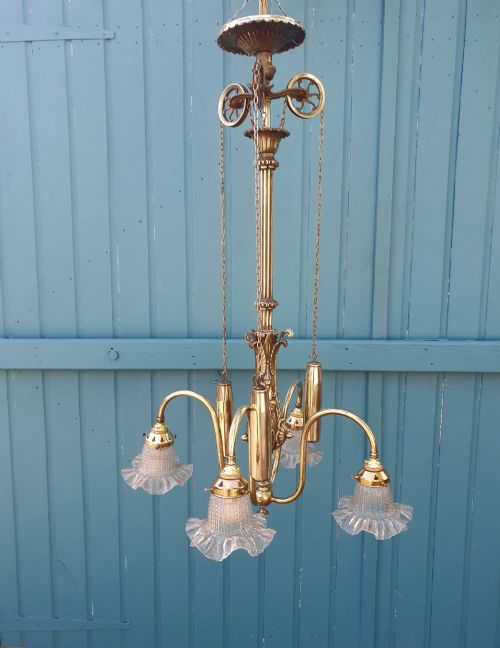
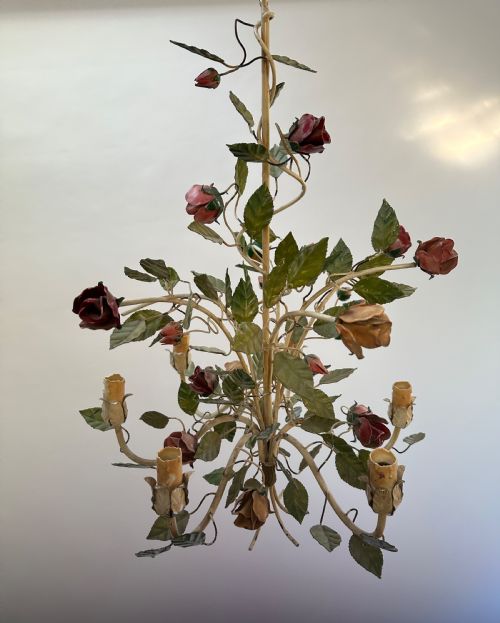
The selection ranges from heavy cast brass ceiling roses to elaborate Art Nouveau glass and metal chandeliers. Edwardian examples often feature rise and fall mechanics, while Victorian pieces lean towards robust cast brass constructions designed to support substantial weight.
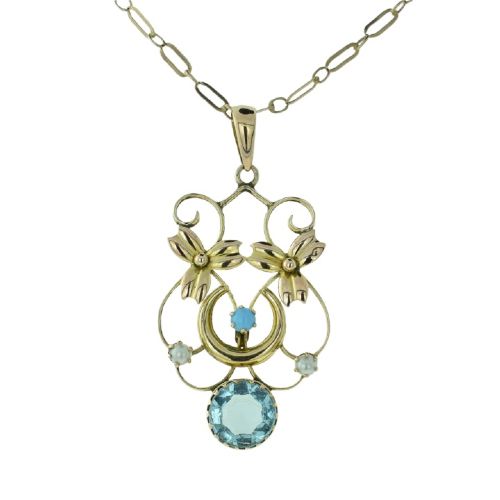
You also find smaller pendant iterations and related gold and gemstone jewellery items sharing the rose designation. The core offerings remain the ceiling fixtures and decorative roses that originally finished domestic lighting points.
How they were made
Metal components rely on traditional foundry techniques, utilising cast brass and polished bronze to form the structural bodies and decorative ceiling plates. These metals provide the necessary strength for hanging hardware while accepting intricate surface detailing.
Glass elements combine cut, frosted, and moulded techniques to diffuse light and catch the eye. Makers such as Verrerie Des Vosges and Osler integrated these glass shades with metal frames to create cohesive lighting installations.
Some rise and fall fittings still harbour decades of ceiling dust in their pulleys, whispering tales of long-forgotten Edwardian parlours.
What varies in quality
Quality rests in the crispness of the metal casting and the depth of hand-finishing on the brass or bronze surfaces. Superior examples display sharp relief work on ceiling roses and robust mechanical action in rise and fall fittings.
Glass quality distinguishes standard production from exceptional pieces through clarity, weight, and precision of cut. Maker attribution to firms like Osler or Verrerie Des Vosges further elevates the standing of an individual light.
Osler·Verrerie Des Vosge
The Antique Pendant Light Rose Glossary
- Ceiling rose
- A decorative plaster or metal moulding fixed to the ceiling from which a pendant light hangs. It protects the ceiling and hides wiring connections while adding architectural detail.
- Rise and fall
- A mechanical pulley system allowing the pendant light to be pulled down or pushed up easily. This mechanism uses counterweights or internal springs.
- Cast brass
- An alloy of copper and zinc poured into a mould to create solid decorative hardware. It offers durability and a warm metallic tone.
- Cut glass
- Glass decorated by grinding facets into the surface using a wheel. This technique creates sparkling light refraction.
Antique Pendant Light Rose: Frequently Asked Questions
What is a ceiling rose?
A ceiling rose is the ornamental plate affixed to the ceiling where the light fitting emerges. It provides a finished architectural transition between the wiring and the room.
Historical examples utilise heavy cast brass or bronze to anchor the weight of chandeliers and pendant fixtures securely.
How do rise and fall lights work?
Rise and fall fixtures incorporate a weighted pulley system that allows you to adjust the height of the pendant lamp smoothly. This practical design was popular in Edwardian interiors for changing illumination levels.
Operating the mechanism requires guiding the pendant up or down without straining the electrical flex inside the cord.
What periods do these lights come from?
The listings span the Victorian, Edwardian, and Art Nouveau eras, alongside nineteenth-century and nineteen-thirty pieces. Each era brings distinct decorative motifs, from gothic brass casting to flowing glass forms.
Recognising the period involves examining the stylistic cues in the metalwork and the manufacturing methods of the glass.
Are these lights ready to install?
Antiques frequently require rewiring to meet modern safety standards before installation in a contemporary home. A qualified electrician should check the internal components and brass fittings.
Preserving the original aesthetic while updating the electrical infrastructure ensures both safety and historic integrity.