




Antique Cast Iron Surround
An antique cast iron surround anchors a room with heavy metalwork and industrial strength, forged to last through generations of hearth fires.
Antique Cast Iron Surround
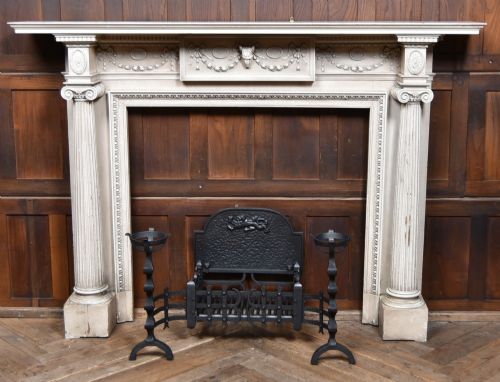
When you search for an antique cast iron surround, you find robust metal frameworks designed to frame a fireplace opening with architectural weight. The pieces meeting this description span Victorian and Georgian periods, alongside earlier examples and French influences.
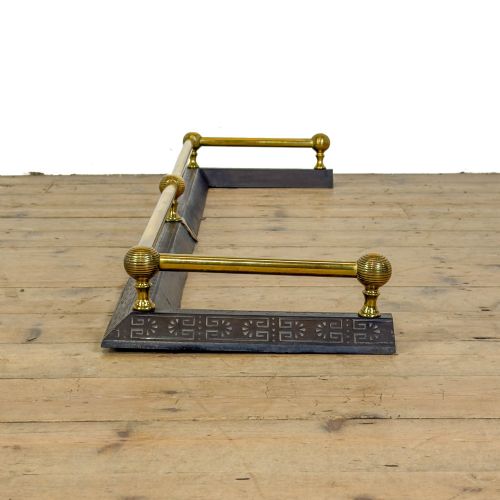
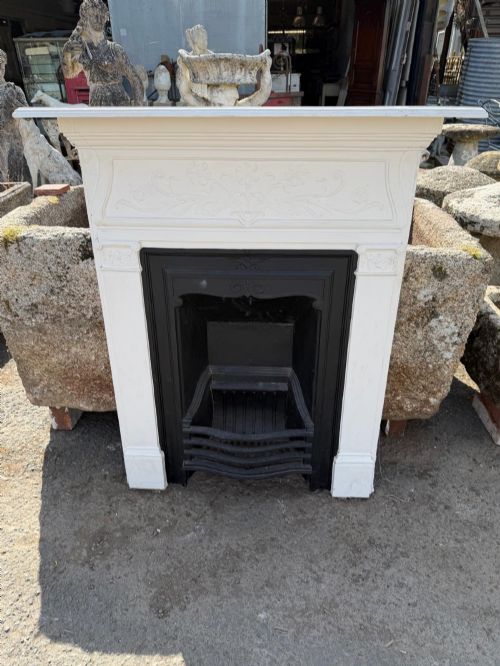
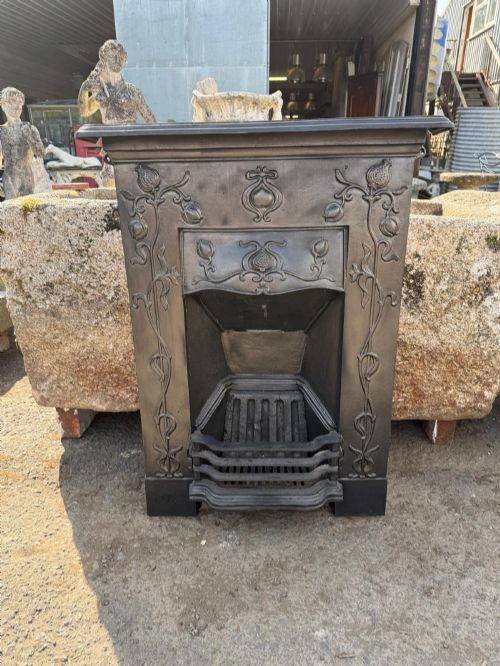
Most items you encounter on this page take the form of fire fenders, fireplace surrounds, and complete combination fireplaces. Materials typically combine cast iron with brass, steel, and occasionally timber or bronze details.
Makers recorded in past archives include Thomas Elsley and Liberty London, alongside designs associated with Jekyl. These workshops produced durable hearth furniture that defined domestic interiors across the nineteenth century.
How they were made
Foundries utilised sand casting techniques to pour molten iron into moulds, creating crisp relief patterns, feather motifs, and armorial details. Skilled metalworkers then finished the raw castings by hand filing and fitting brass, steel, or gilt bronze components.
Surrounds and fenders often incorporated adjustable bars, pierced grilles, and applied decorative elements riveted or screwed to the main iron body. Timber and slate components were occasionally integrated into the broader fireplace structures to add contrast and colour.
A fifteenth-century armorial fireplace inscribed with Dieu Et Mon Droit proves that medieval hearths took their national mottoes very seriously indeed.
What varies in quality
The distinction between standard production and superior craftsmanship lies in the crispness of the casting and the refinement of the chased or applied metal details. Heavier gauge ironwork and sophisticated decorative motifs, such as intricate foliage or heraldic engraving, elevate a piece above utilitarian foundry work.
Makers' marks and signed foundry stamps provide clear indicators of origin, separating anonymous architectural salvage from documented workshop production. The integration of secondary materials like brass, bronze, and polished steel also demonstrates a higher tier of period manufacture.
Thomas Elsley·Liberty London·Jekyl
The Antique Cast Iron Surround Glossary
- Cast iron
- An iron-carbon alloy poured into moulds to create rigid architectural and decorative objects. It forms the primary structural material for these heavy hearth surrounds and fenders.
- Fire fender
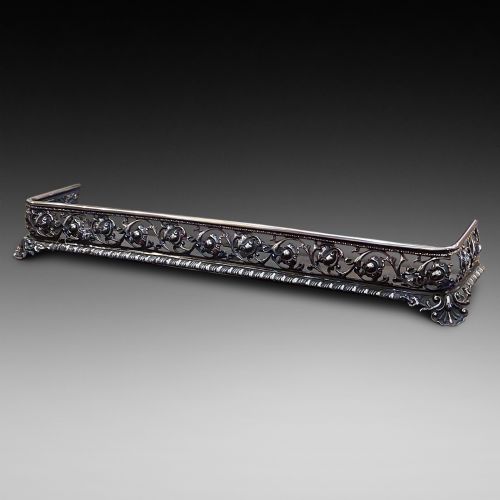
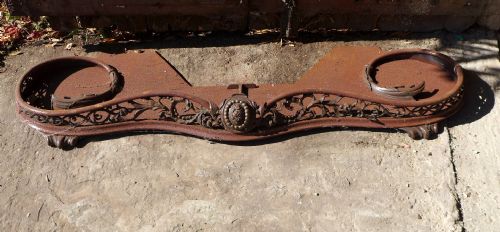
- A low metal barrier placed on the hearth around a fireplace to contain sparks and rolling embers. These guards often incorporate adjustable lengths and decorative brass rails.
- Combination fireplace
- A single-unit metal fireplace where the mantel, surround, and grate are cast together as one integrated assembly. They became popular during the Victorian period for domestic heating.
- Armorial
- Relating to heraldry and family coats of arms displayed upon metalwork or stonework. Such decoration denotes high status and specific lineage on early architectural pieces.
- Gilt-brass
- Brass coated with a thin layer of gold or gold-coloured alloy to enhance brightness and prevent tarnishing. This finish appears frequently on nineteenth-century French and English fender mounts.
Antique Cast Iron Surround: Frequently Asked Questions
How do I clean cast iron?
Dust the surface regularly with a dry, soft brush to prevent the accumulation of soot and grime. Avoid using water or harsh chemical cleaners, which can cause oxidation and rust.
Apply a light microcrystalline wax or specialist grate polish with a cloth to protect the metal finish. Buff gently to maintain a soft, traditional sheen without creating an overly glossy appearance.
Are these surrounds safe for open fires?
Cast iron handles high temperatures exceptionally well, making these surrounds and grates structurally suitable for traditional coal or wood fires. However, older metal can develop unseen stress fractures over centuries of thermal expansion.
Have a qualified chimney sweep or fireplace specialist inspect the internal ironwork before lighting any active fire. Modern safety standards may also require clearance tests around combustible materials.
How do I measure for a surround?
Measure the opening height and width of your brick fireplace cavity accurately before selecting any iron frame or fender. Account for hearth depth and the clearance needed for protruding decorative feet or adjustable rails.
Compare these dimensions against the inner and outer measurements listed for each architectural salvage piece. Minor discrepancies can sometimes be adjusted during professional installation.
What is a salesman's sample?
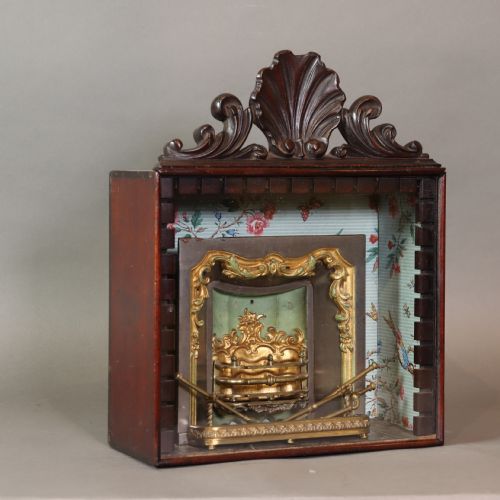
A salesman's sample is a miniature version of a full-scale fireplace or fender, manufactured by a foundry to demonstrate products to prospective clients. These portable pieces allowed representatives to show detail and design without carrying heavy stock.
Collectors prize these scaled-down items for their exceptional craftsmanship and fidelity to full-sized nineteenth-century engineering. They display the exact same materials, such as cast iron and brass, on a diminutive scale.