


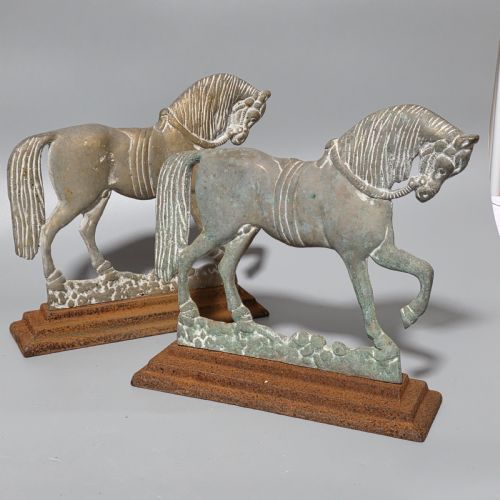


Victorian Cast Iron Weight
These heavy victorian cast iron weight pieces anchor doors, papers, and counters with solid nineteenth-century utility and figurative charm.
Victorian Cast Iron Weight
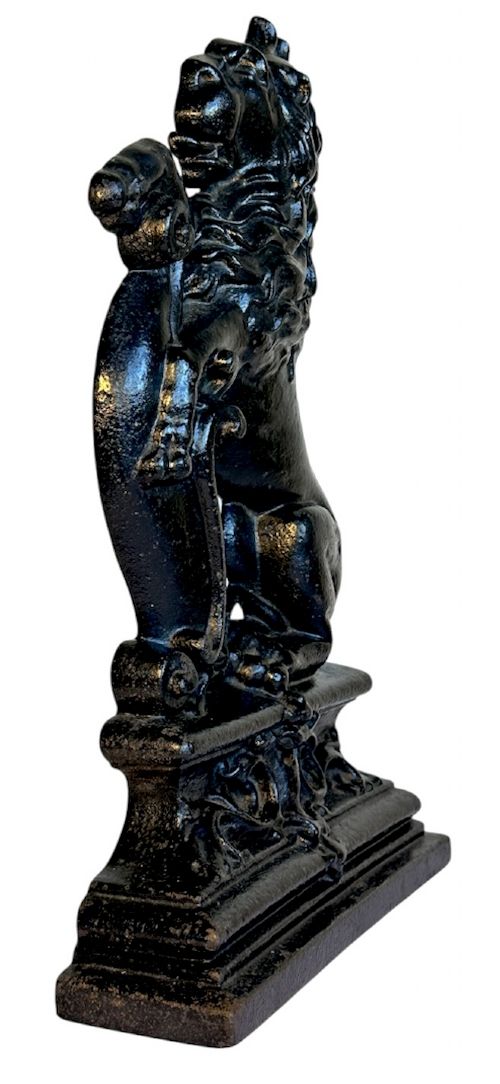
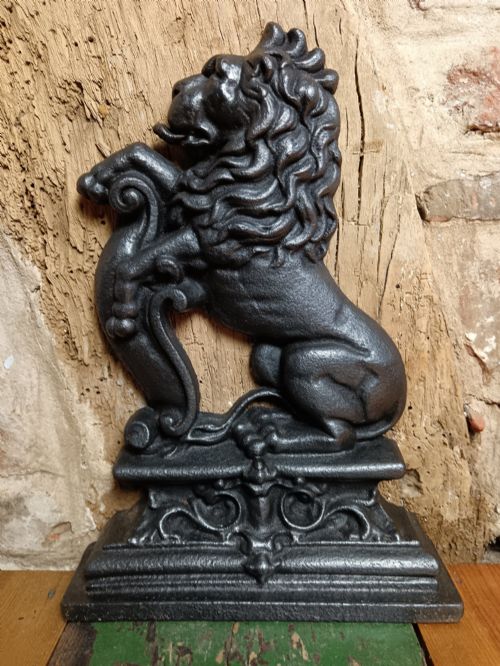
When you search for a victorian cast iron weight, you encounter utilitarian scales alongside figurative doorstops and desktop paperweights. The domestic doorstop forms the largest group on this page, cast in recognisable animal and character shapes.
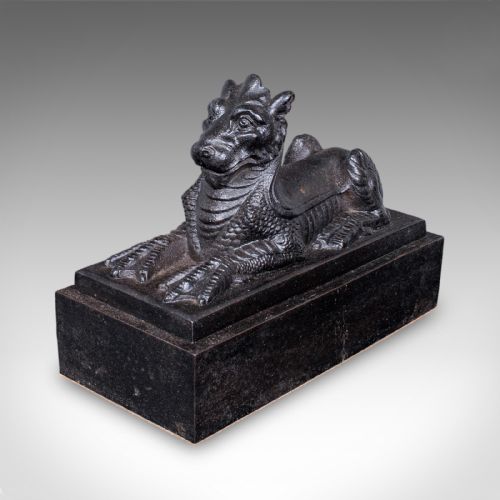
Makers produced these functional objects from the mid nineteenth century into the early twentieth century, spanning Georgian roots to late Victorian production. Pieces take the form of lions, dogs, horses, and figures such as Mr Punch and Lord Nelson.
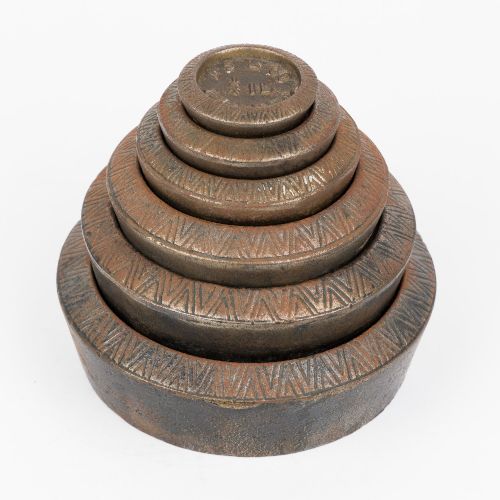
Smaller desk items include stackable imperial weight sets and heavy iron paperweights designed to hold bills. English country house pieces sit alongside commemorative subjects linked to the Great Exhibition.
Casting and Finish
The weight of the metal itself provided the practical function for holding doors open or measuring goods on balance scales. Manufacturers integrated cast handles and mounting loops directly into the primary iron form during the casting process.
Mr Punch shares shelf space with Lord Nelson and a deceased goose.
Quality and Detail
Original painted surfaces with natural wear distinguish superior pieces from later surface treatments. The weight distribution and stability of figurative doorstops determine their effectiveness in daily use.
The Victorian Cast Iron Weight Glossary
- Doorstop
- A heavy object designed to keep a door open against drafts. These items frequently take figurative animal or human shapes.
- Door porter
- An alternative term for a tall, heavy doorstop featuring a top handle for lifting. They were standard in English country houses.
- Imperial weight
- A standard measurement unit used in nineteenth-century British trade. Sets often stack together for balance scales.
- Paperweight
- A small, heavy desktop object placed upon loose documents. Iron examples sometimes feature portrait busts or specific inscriptions.
- Cast iron
- An iron-carbon alloy poured into moulds while molten. It provides the dense mass required for functional door and scale weights.
Victorian Cast Iron Weight: Frequently Asked Questions
What were doorstops used for?
These heavy items kept interior doors stationary in draughty nineteenth-century hallways and rooms. Their substantial mass prevented doors from swinging shut unexpectedly.
Households placed them in entrance halls and parlours where regular foot traffic required doors to remain propped open during the day.
How do I identify a Victorian piece?
Examine the casting quality, surface wear, and subject matter for nineteenth-century conventions. Common motifs include Victorian literary figures, military leaders, and heraldic animals.
Many examples reflect the decorative tastes of the Great Exhibition era through figurative design and sturdy iron construction.
Are scale weights accurate?
Imperial stacking weights were calibrated for trade use on balance scales in shops and markets. Over time, heavy use and loss of material can affect their exact mass.
Collectors generally prize complete sets for their display value and historical association with Victorian commerce.
How should I clean cast iron?
Remove surface dust gently with a dry brush to preserve original paint layers and patinas. Avoid harsh chemical cleaners that strip historical finishes from the metal.
Applying a light coat of specialist wax can help protect exposed iron surfaces from moisture in modern interiors.