

Victorian Cast Iron Umbrella Rack
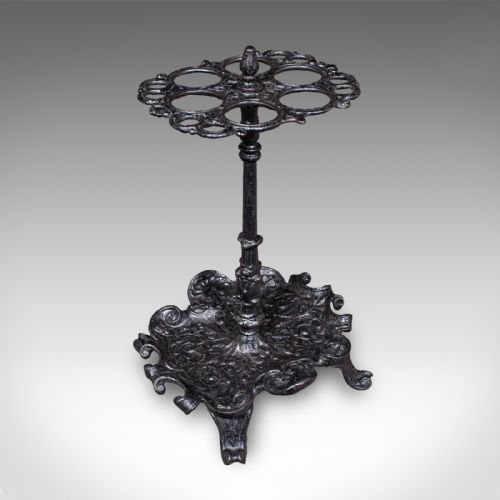
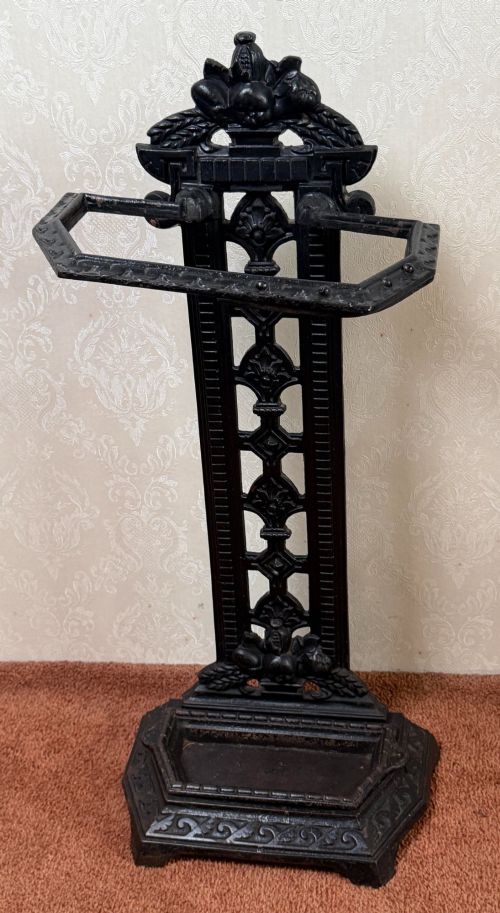
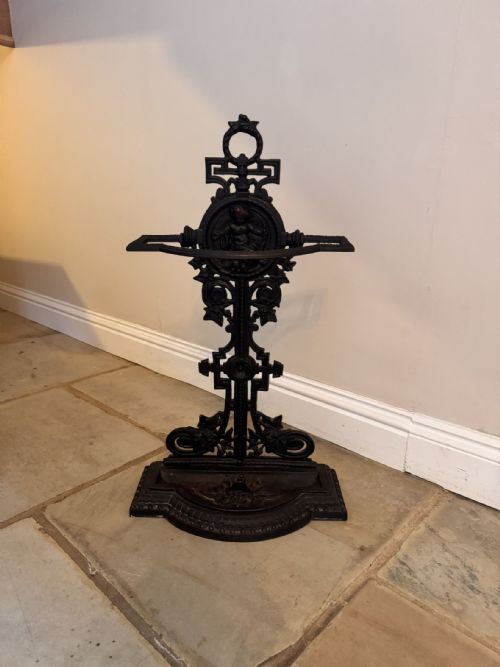
These Victorian cast iron umbrella racks are robust hall furnishings designed to hold wet walking sticks and umbrellas, combining industrial strength with intricate period ornamentation.
Victorian Cast Iron Umbrella Rack
When searching for a victorian cast iron umbrella rack, you encounter heavy hall furniture designed to receive wet walking sticks and umbrellas upon entering a house. These items occupy narrow entrance spaces, historically serving grand country houses and smaller town residences alike.
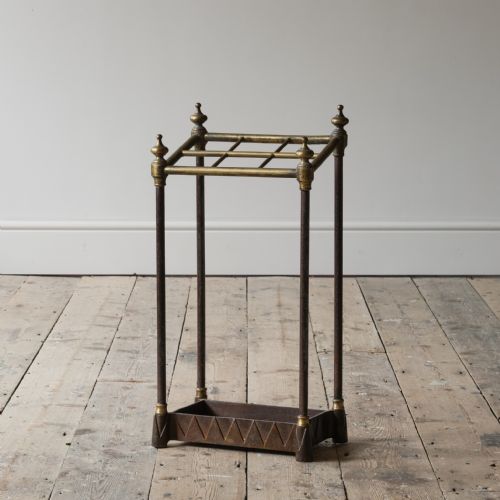
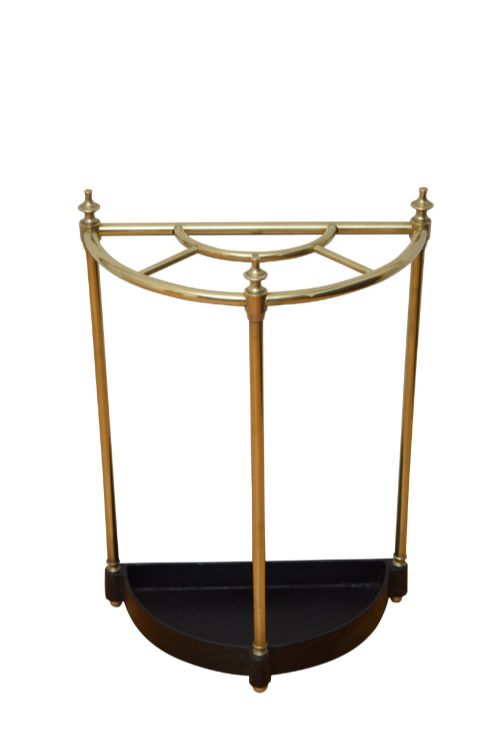
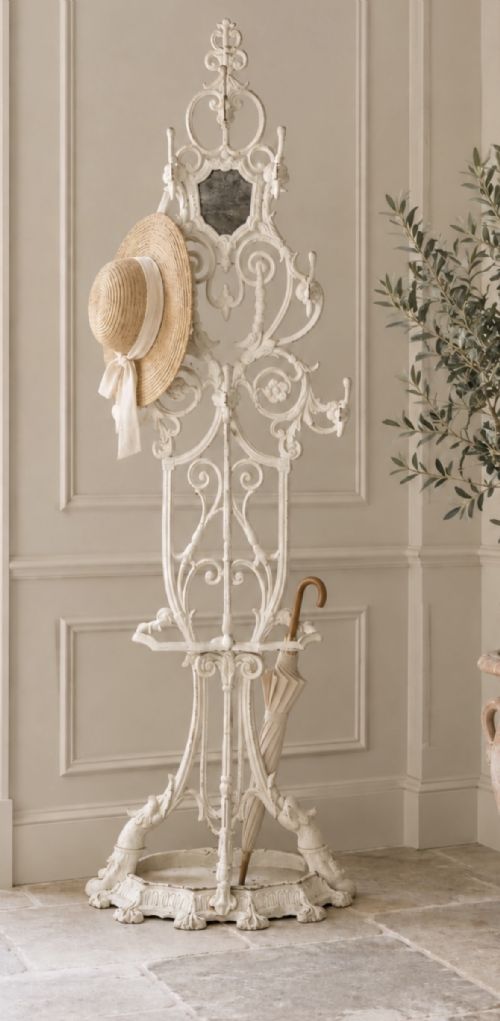
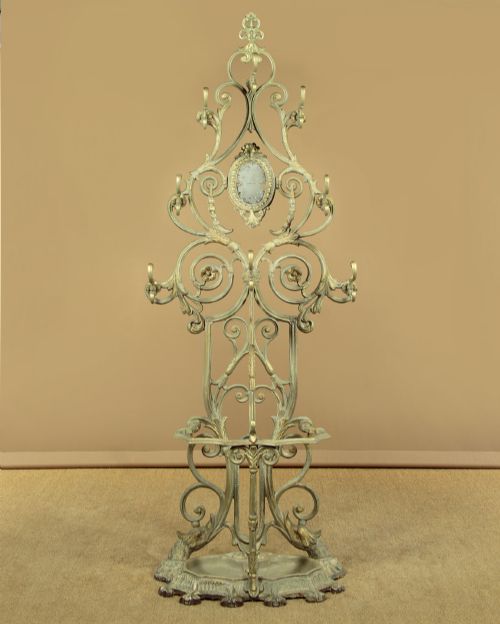
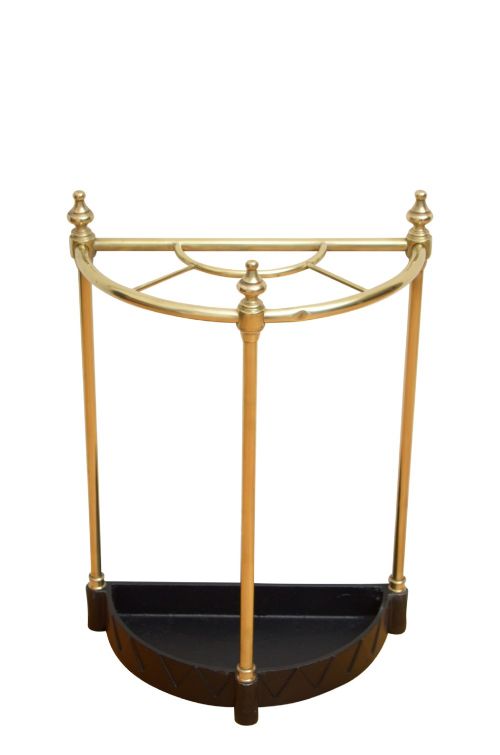
The objects appearing here span the Victorian era, the nineteenth century, and the Edwardian period, occasionally stretching into the early twentieth century. Forms include dedicated umbrella and stick stands, hall stands incorporating coat hooks, and demi lune shapes designed to sit flat against a wall.
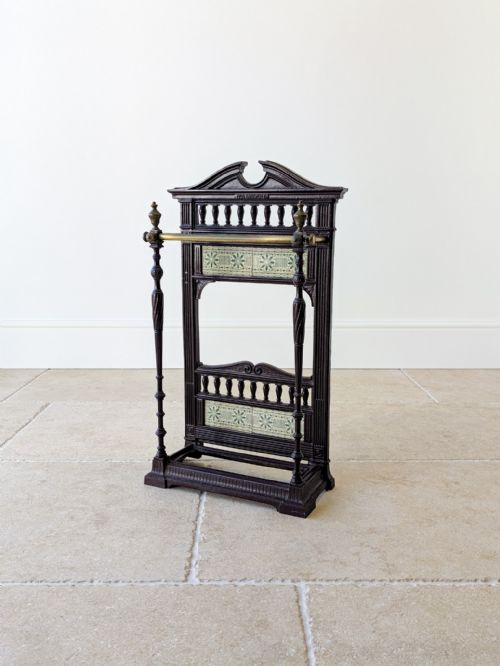
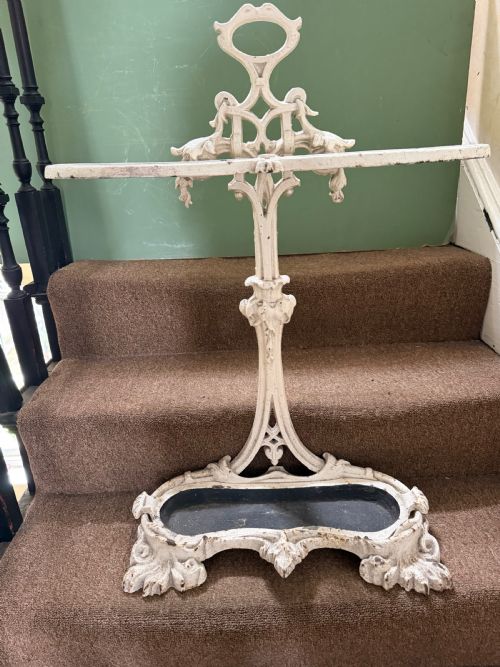
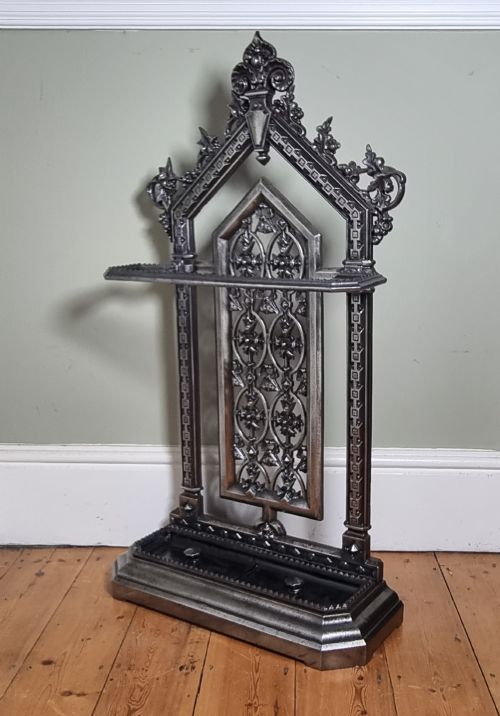
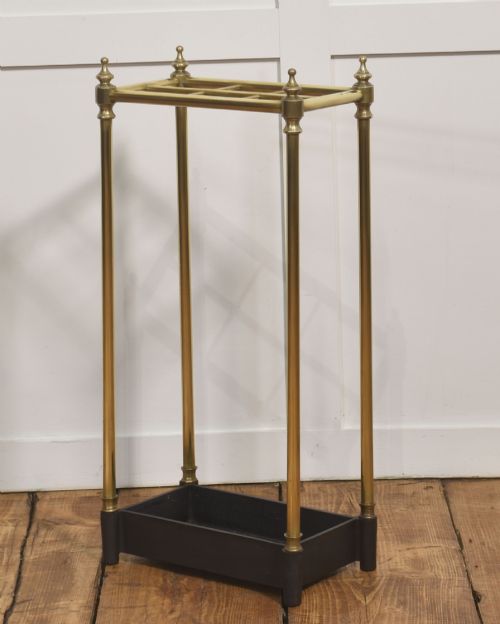
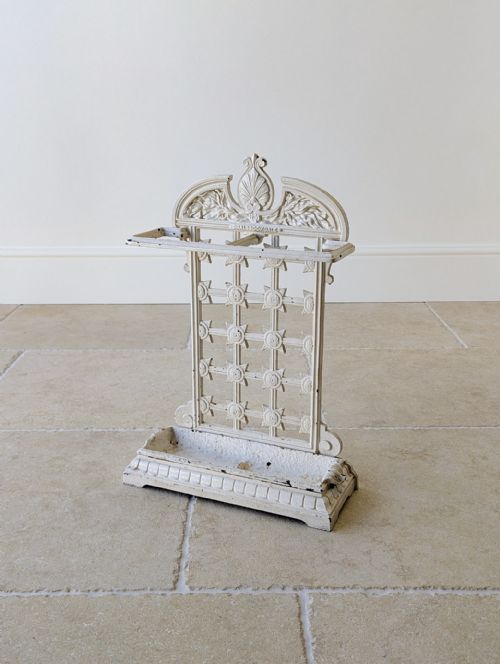
Cast iron forms the primary structural material, frequently paired with brass details, ceramic drip trays, and painted or enamelled surfaces. The designs range from simple geometric stick loops to elaborate Aesthetic Movement and Gothic Revival patterns.
How they were made
Foundries utilised sand casting techniques to pour molten iron into intricate moulds, producing crisp relief decoration, openwork patterns, and simulated natural forms such as faux bamboo. This method allowed mass production of ornate domestic ironmongery while retaining sharp architectural detail.
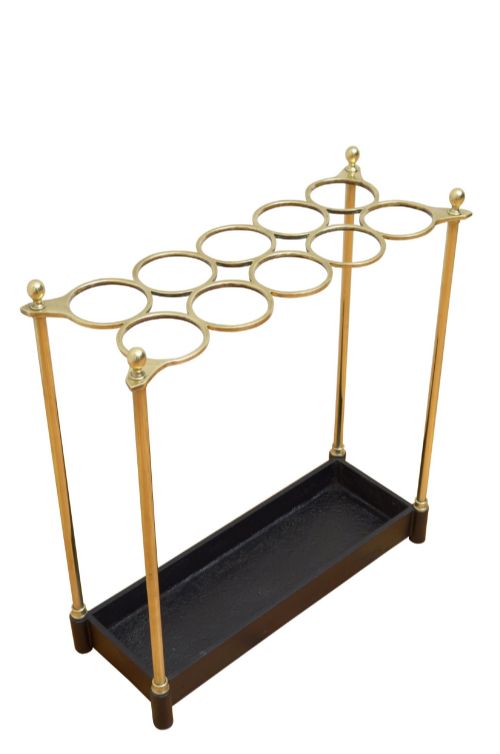
Makers integrated functional elements like removable metal or ceramic trays at the base to catch water dripping from umbrellas, protecting hallway floors from moisture. Brass finials, rails, and drip pans were often added to iron frames to provide contrast and utility.
Surface finishes applied to the metal included protective black paint, decorative enamel, and polychrome highlights to prevent rust and enhance the sculptural quality of the casting.
A cast iron footballer standing guard by the umbrella rack ensures muddy boots are not your only topic of conversation.
What varies in quality
The crispness of the casting defines the upper tier of these pieces, where sharp relief ornament and clean lines reflect high foundry skill. Softer details and blurred patterns indicate worn moulds or secondary production runs.
Proportion and structural complexity separate standard utility stands from ambitious designer pieces, such as those associated with Christopher Dresser or major foundries. The integration of auxiliary materials like ceramic trays and brass fittings adds to the sophistication of the construction.
Coalbrookdale·Falkirk Ironworks·A. Kenrick & Sons
The Victorian Cast Iron Umbrella Rack Glossary
- Demi lune
- A half moon shape that allows an umbrella stand to sit flush against a hallway wall. This profile saves floor space in narrow entrance halls.
- Stick loop
- Individual iron rings or loops designed to keep walking sticks and umbrellas upright and separated. They prevent the contents from leaning haphazardly.
- Aesthetic Movement
- A late nineteenth century design style emphasising visual beauty over narrative subject matter. Pieces from this movement often feature stylised natural motifs.
- Gothic Revival
- An architectural and decorative style drawing on medieval ecclesiastical forms. These umbrella stands display pointed arches, trefoils, and heavy structural framing.
- Faux bamboo
- Iron cast to imitate the segmented stalks of natural bamboo. This decorative treatment became popular during the late Victorian period under Asian design influences.
Victorian Cast Iron Umbrella Rack: Frequently Asked Questions
How do I care for cast iron?
Cast iron requires minimal maintenance, needing only a dry cloth to remove dust and occasional light cleaning. Keep the metal dry to prevent surface corrosion.
Ensure that internal drip trays are emptied and dried regularly to protect the base of the stand from standing water.
Were these used for walking sticks too?
These furnishings accommodated walking sticks alongside umbrellas as standard daily accessories for Victorians. Walking sticks and canes formed an essential part of outdoor attire for both men and women.
The vertical loops and dividers kept different types of walking aids organised and accessible near the front door.
How can I identify an older stand?
Older stands typically display heavier construction, maker marks or registration numbers cast into the iron, and sand cast textures. Foundry names or kite marks often appear on the reverse or base.
Stylistic cues such as Gothic Revival motifs or Aesthetic Movement designs also point toward nineteenth century production dates.