

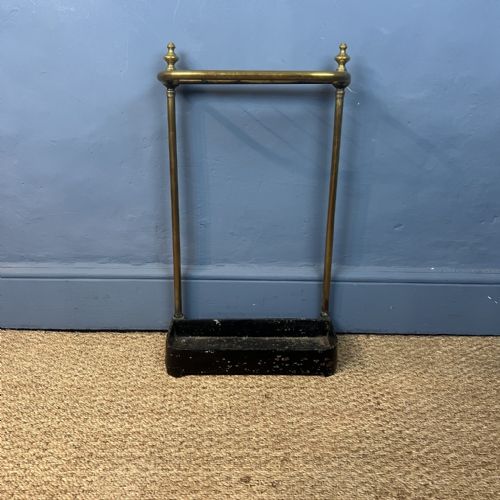
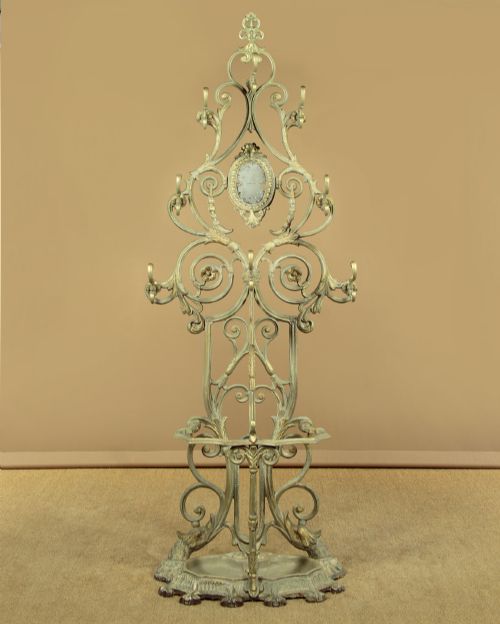
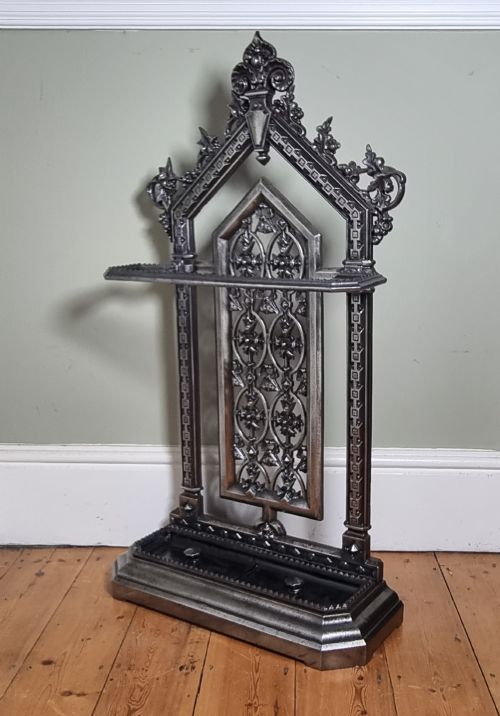
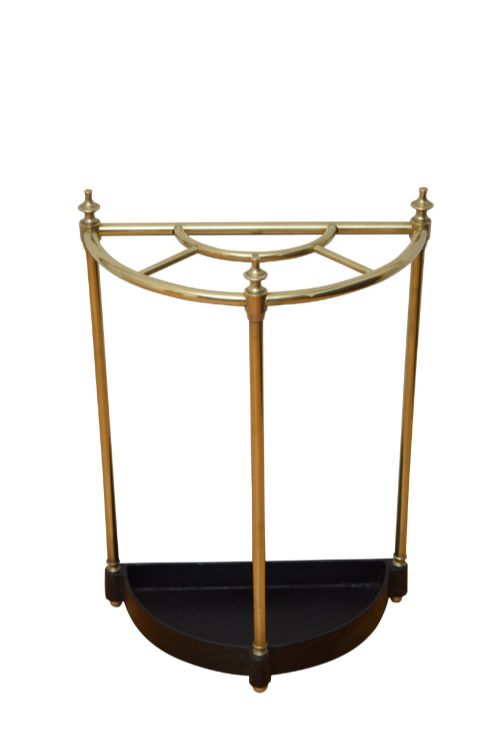
Victorian Cast Iron Stick Rack
These robust victorian cast iron stick rack designs keep hallways orderly by holding walking sticks and umbrellas in heavy metal frames.
Victorian Cast Iron Stick Rack
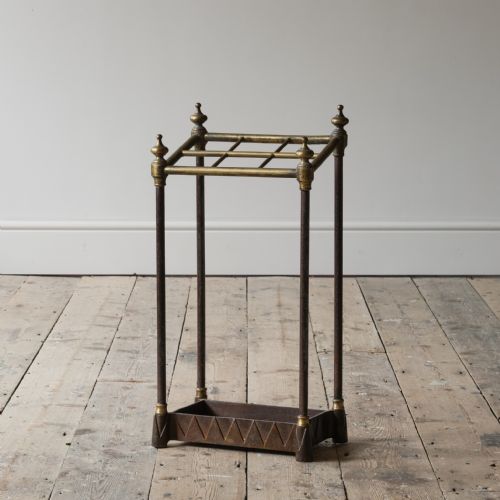
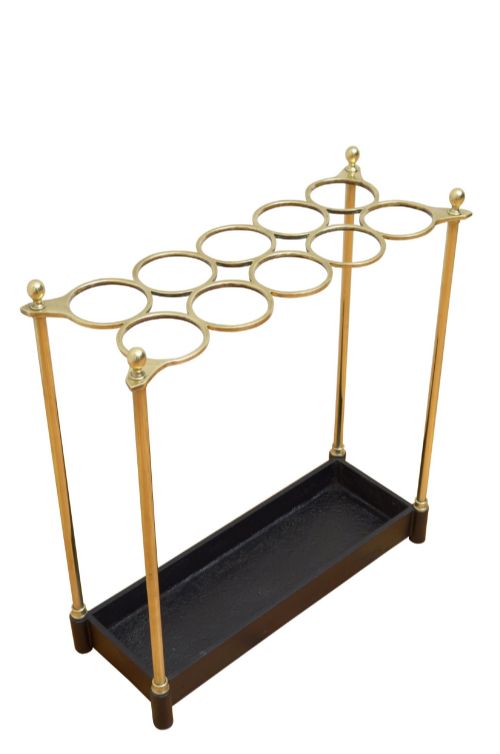
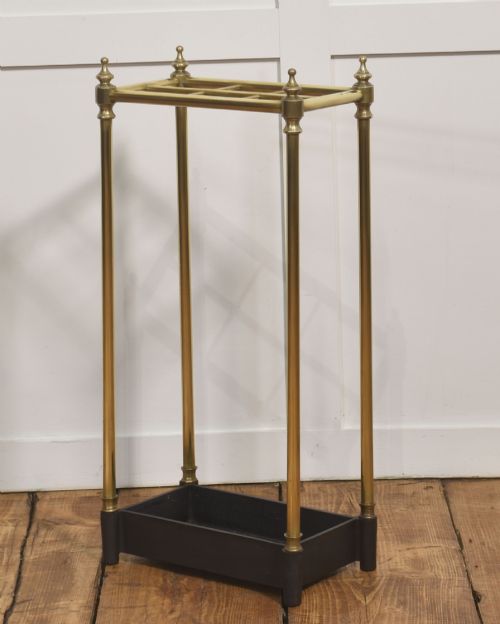
A victorian cast iron stick rack is a hall accessory designed to hold wet umbrellas and walking sticks upright in a heavy frame. The pieces on this page span the Victorian, Edwardian and late nineteenth-century periods, alongside related examples from around nineteen-hundred.
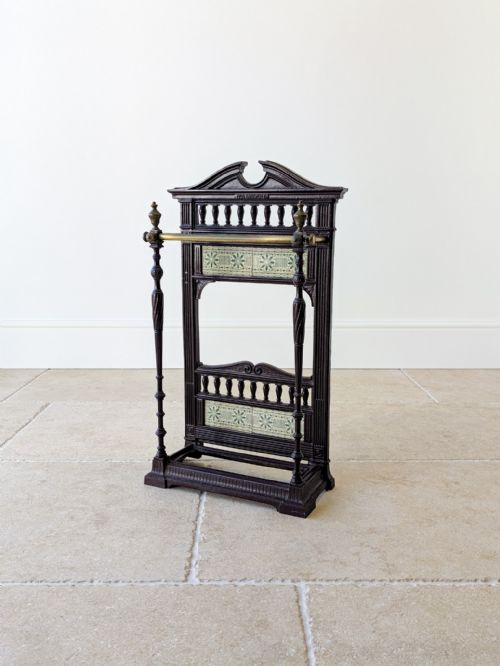
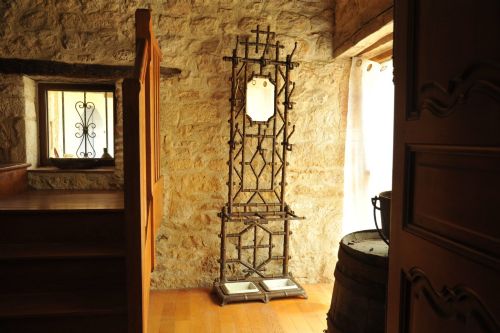
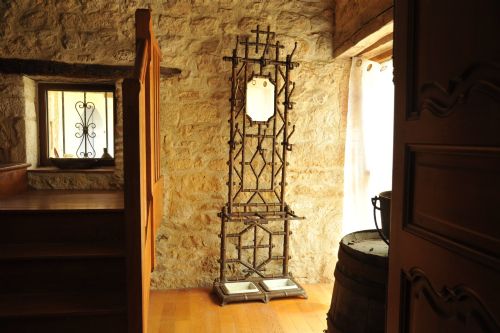
Forms vary from umbrella and stick stands to broader hall stands that incorporate hat and coat hooks. The construction typically pairs cast iron frames with removable drip trays to catch water from wet weather gear.
How they were made
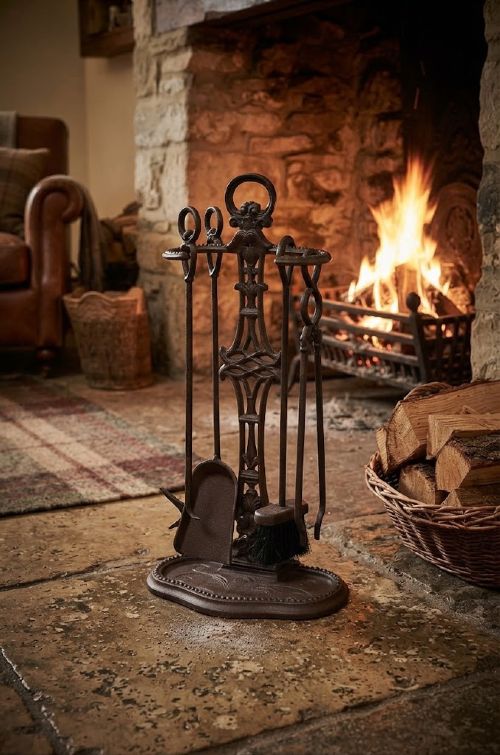
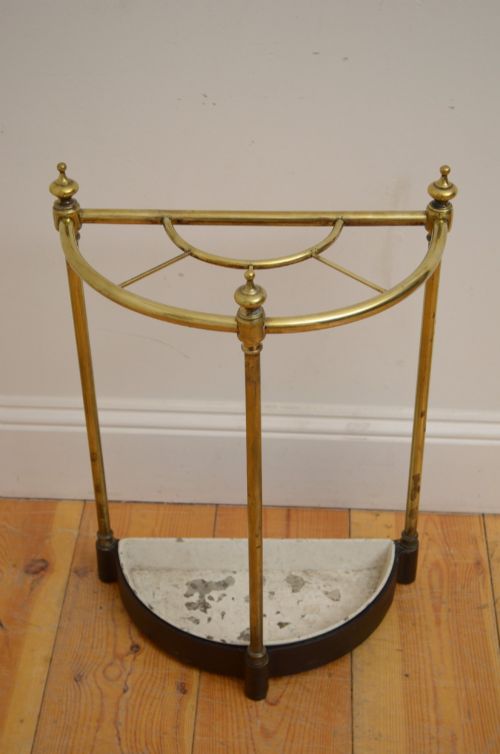
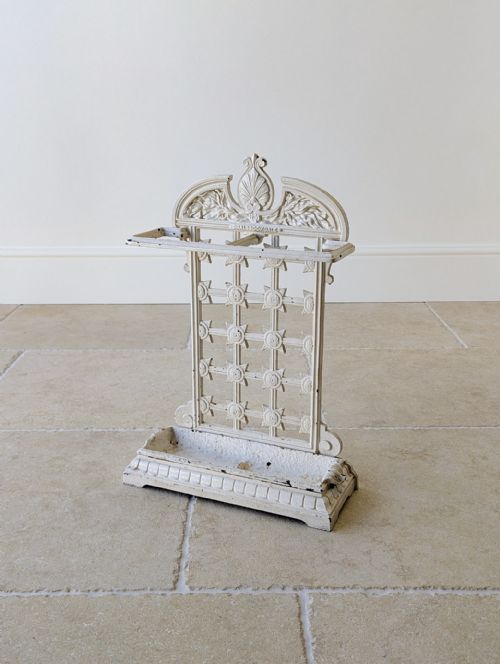
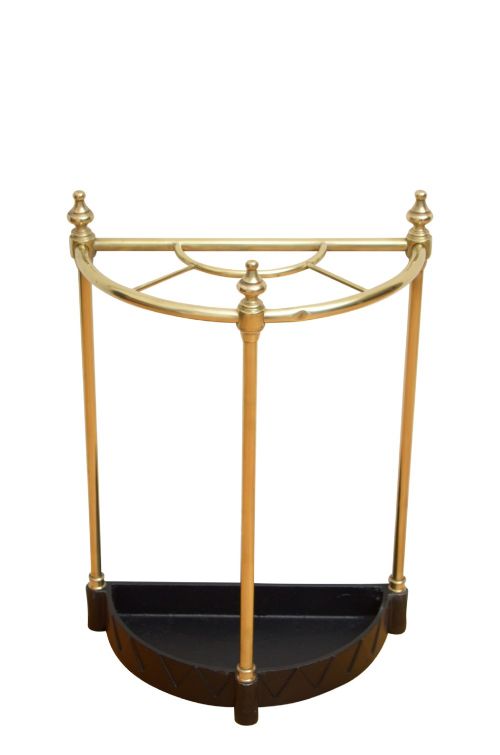
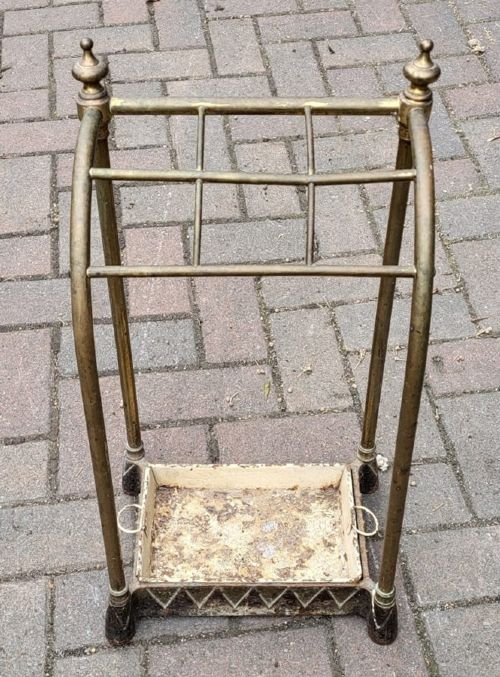
Foundries used molten iron poured into moulds to create intricate openwork patterns, structural panels and decorative figures. Many examples combine cast iron with brass elements, such as decorative ball finials or rails, while others feature painted or enamelled surfaces.
Makers often integrated ceramic or metal drip trays at the base to protect floors from moisture. Some advanced pieces utilised faux bamboo moulding or incorporated specific stylistic influences like the Aesthetic Movement and Victorian Gothic Revival.
Some Victorian ironmongers cast unlikely characters into hallways, including gun dogs, football players and even Jack and the Beanstalk.
What varies in quality
Quality in a victorian cast iron stick rack relates to the crispness of the casting detail and the complexity of the design. Simpler utility stands sit at one end of the scale, while sculptural models featuring figures, animals or specific foundry markings represent the upper tier.
The presence of original drip trays and the integrity of the painted or patinated surface also distinguish better examples. Heavier, more substantial castings generally indicate superior manufacture from established foundries.
Coalbrookdale·Falkirk Ironworks·A. Kenrick & Sons
The Victorian Cast Iron Stick Rack Glossary
- Demi-lune
- A half-moon shape used for stick stands designed to sit flat against a hallway wall. This profile saved floor space in narrow entrance halls.
- Drip tray
- A removable metal or ceramic tray placed at the base of the stand to catch water from umbrellas. These trays protected wooden floors from dampness.
- Faux bamboo
- A decorative moulding technique that shaped cast iron or other materials to resemble natural bamboo stalks. This finish was popular during the late nineteenth century.
- Aesthetic Movement
- A late Victorian design style that emphasised visual beauty over narrative meaning. Pieces from this movement often feature stylised natural forms.
- Gothic Revival
- An architectural and decorative style drawing on medieval motifs. Stick stands in this style often incorporate pointed arches and quatrefoil patterns.
Victorian Cast Iron Stick Rack: Frequently Asked Questions
Where were stick racks placed?
These stands sat in entrance halls and vestibules of houses to receive damp walking sticks and umbrellas immediately upon entry.
Their heavy construction provided stability so the weight of multiple umbrellas did not topple the frame.
How do I clean cast iron?
Maintenance involves dusting with a soft brush and wiping surfaces with a dry cloth to preserve the finish. Moisture should be kept away from unpainted metal areas to prevent surface rust.
Removable drip trays can be taken out separately for thorough washing and drying.
What is the difference between a hall stand and a stick stand?
A stick stand focuses specifically on holding umbrellas and walking sticks within a compact frame. Hall stands are larger pieces of furniture that combine stick holders with hooks for coats and hats, and occasionally a mirror.
Both items served the same entryways in period homes but occupied different amounts of floor space.
Are drip trays usually original?
Finding a stand with its matching original drip tray is common but not guaranteed due to the movable nature of the tray. Replacements are sometimes used where the original metal or ceramic tray has been lost over time.
Checking the fit and material helps determine whether the tray belongs to the piece.