


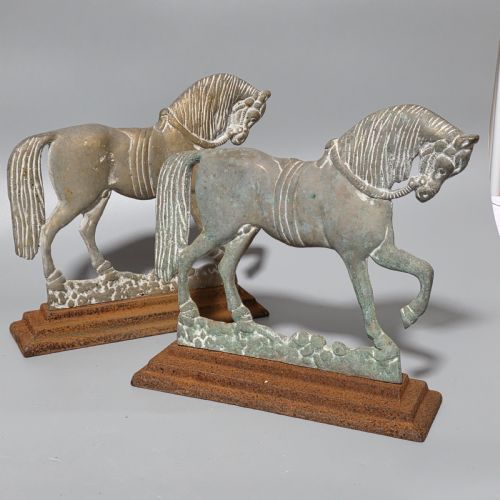


Victorian Cast Iron Porter
These heavy victorian cast iron porter pieces hold doors open with style and weight, bringing functional charm to any room.
Victorian Cast Iron Porter
A victorian cast iron porter serves as a heavy doorstop or door keeper, designed to keep interior doors firmly in place against draughts. When searching for a victorian cast iron porter, buyers encounter practical domestic items shaped into figurative or heraldic forms.
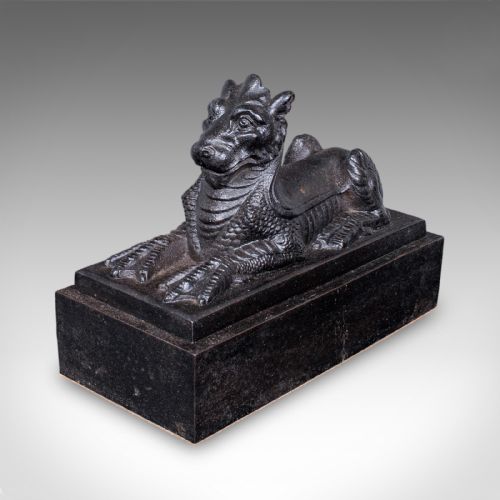
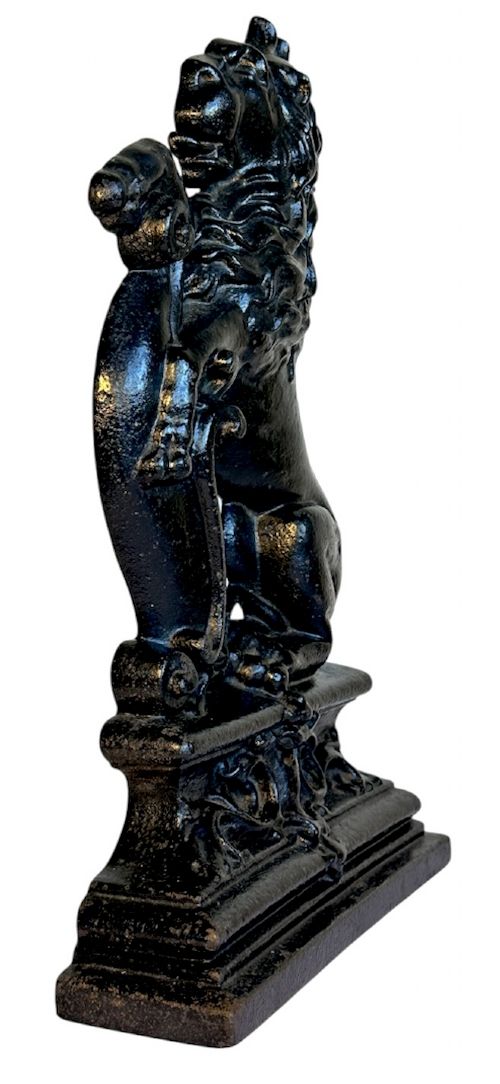
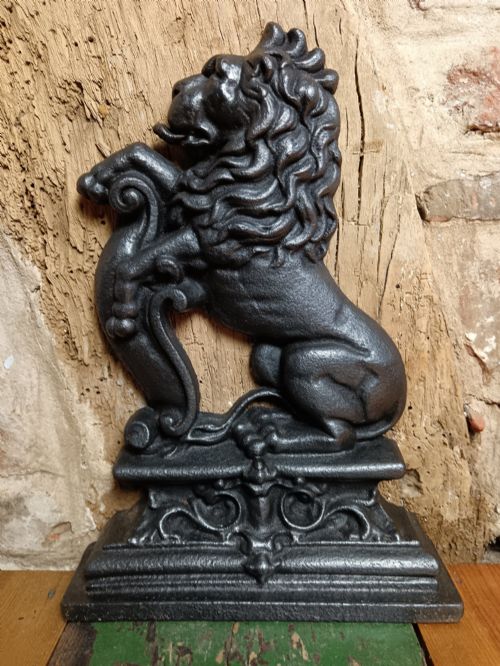
The pieces appearing on this page span the Victorian and Georgian periods, with frequent appearances of the 19th Century style. Common motifs include rampant lions, Mr Punch, dogs, and marine creatures like dolphins.
Most examples function primarily as doorstops or fireplace ornaments. English country house aesthetics heavily influence the selection, showcasing traditional domestic utility combined with decorative casting.
How they were made
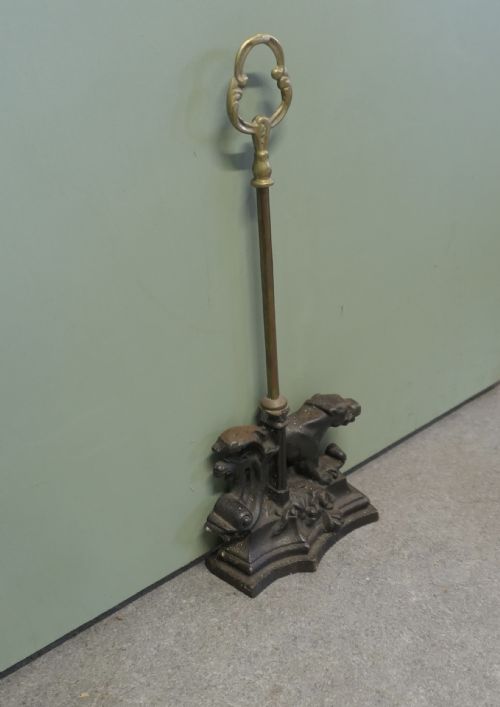
Foundries utilised durable cast iron poured into sand moulds to create these substantial door porters. Makers frequently combined the iron with brass elements or applied paint to highlight sculptural details on figures and animals.
Listings feature frequent animal motifs including lions, dogs, fish, and dolphins alongside human figures like Mr Punch.
What varies in quality
The clarity of the casting separates finer pieces from simpler work, visible in the sharpness of facial expressions on figures and the definition of animal manes. Crisp detailing indicates careful mould preparation and skilled pattern making.
Surface preservation also distinguishes examples, particularly the survival of original paint or the rich patination of the bare iron. Heavier gauge metal and balanced proportions contribute to a better finished object.
The Victorian Cast Iron Porter Glossary
- Door porter
- A heavy weight used to keep a door open, often interchangeable with the term doorstop. These portable items sit on the floor against the door base.
- Cast iron
- An iron-carbon alloy poured into moulds while molten to form complex shapes. This dense material provides the necessary mass for holding heavy doors.
- Heraldry
- The system of designing and displaying armorial bearings, which explains the frequent presence of rampant lions and mythical beasts in these pieces.
- Patina
- The surface appearance acquired by materials through age, handling and exposure. On iron and paint, this shows as subtle wear and oxidation.
- Relief
- Sculptural technique where the figures project from a flat background. Doorstops use high relief to create three-dimensional animal and character forms.
Victorian Cast Iron Porter: Frequently Asked Questions
What is a door porter?
A door porter is a heavy movable weight designed to prop doors open in large houses. They prevent doors from slamming shut in draughty hallways.
Most examples weigh several kilograms to ensure they stay firmly in position on wooden or stone floors.
How do I date these items?
Dating relies on stylistic clues, casting techniques, and surface wear consistent with nineteenth-century manufacturing methods. Lion rampant motifs and Mr Punch characters strongly point to the Victorian era.
Comparison with documented archive pieces helps narrow down the production decade between eighteen-fifty and nineteen-twenty.
Were they used outside?
These items were made for interior use in hallways, reception rooms, and grand entranceways. Placing them outdoors exposes the iron to moisture and rust.
Keep them inside on dry flooring to preserve any surviving original paint finishes and prevent metal degradation.
Why are lions so common?
Lions symbolise strength and authority, making them a popular motif for decorative ironware in nineteenth-century British homes. Heraldic designs reflected traditional status within domestic interiors.
Foundries repeated these successful patterns across many decades to meet steady buyer demand.