



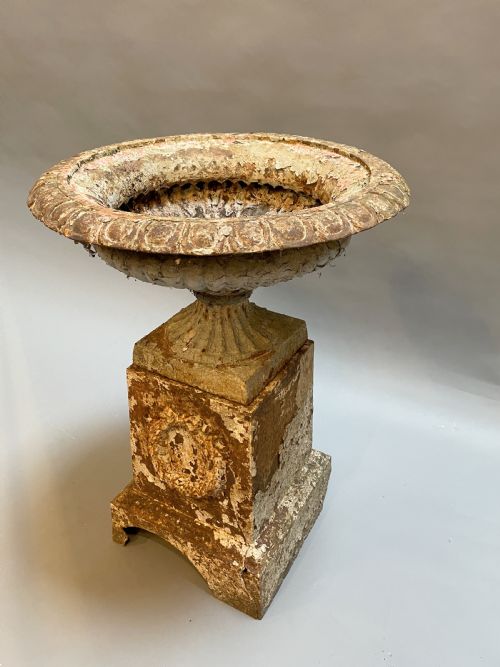
Victorian Cast Iron Garden Planters
Victorian cast iron garden planters are heavy, durable outdoor vessels designed to display plants with classical or industrial presence.
Victorian Cast Iron Garden Planters
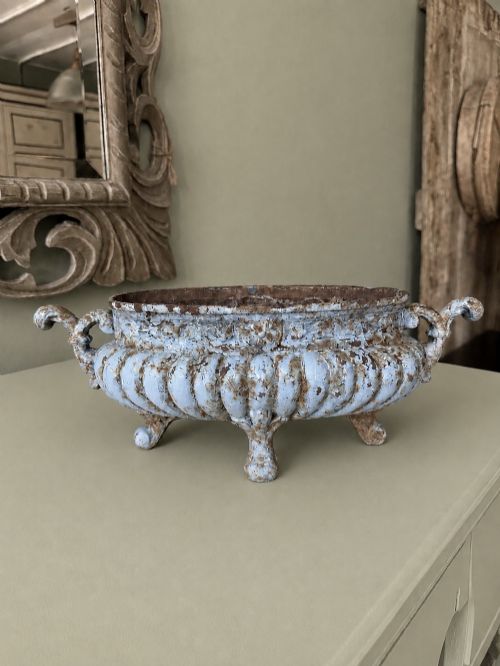
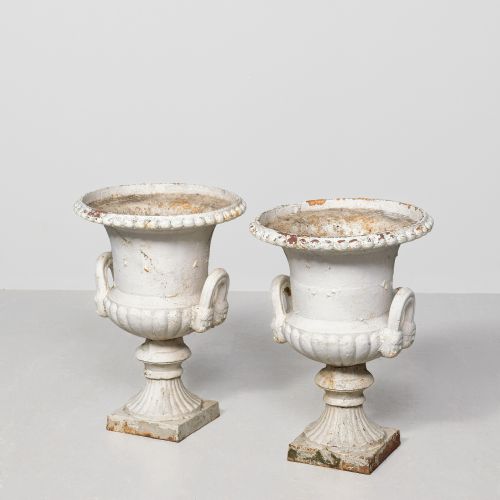
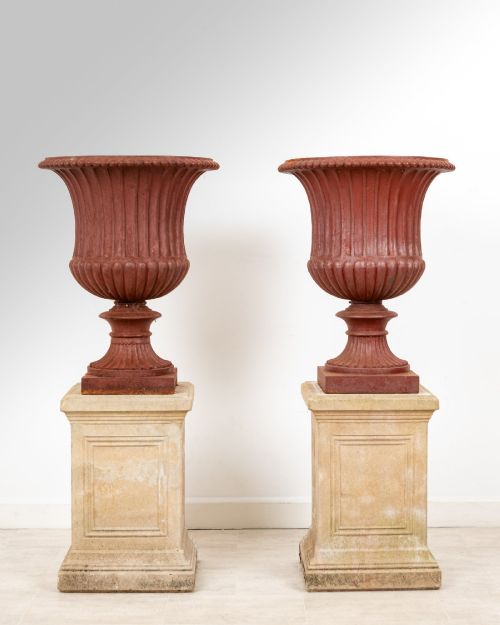
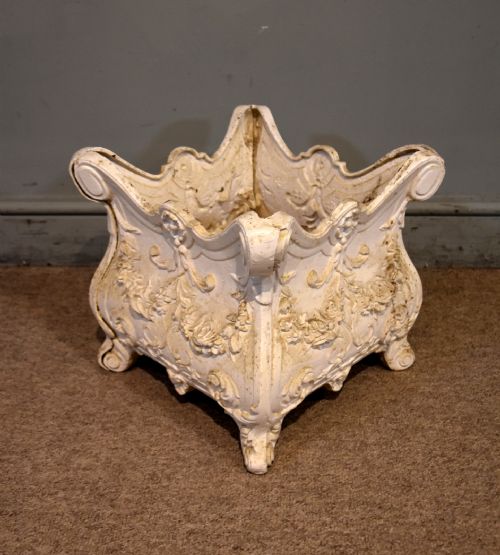
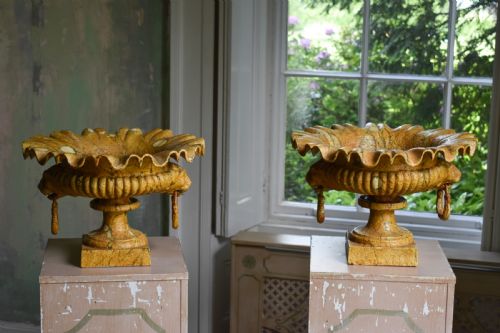
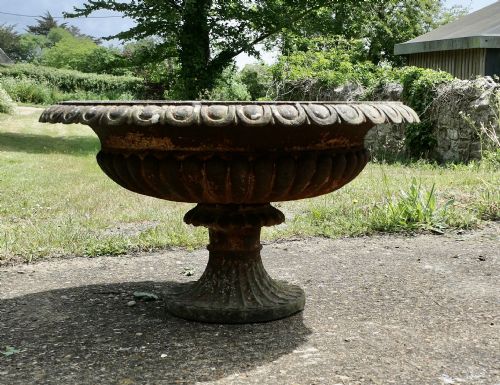
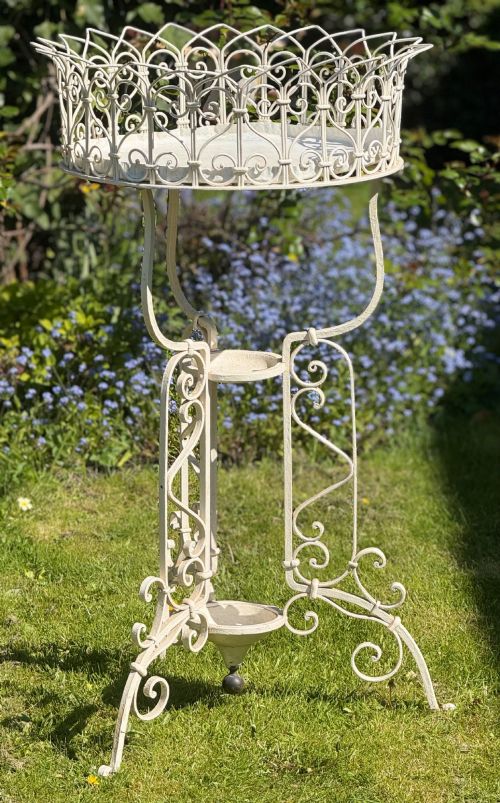
Victorian cast iron garden planters span traditional campana urns, multi-tiered plant stands and low jardinieres built for outdoor display. The pieces follow nineteenth-century forms rooted in neoclassical and classical revival styles, often mounted on matching stone or iron pedestals and plinths.
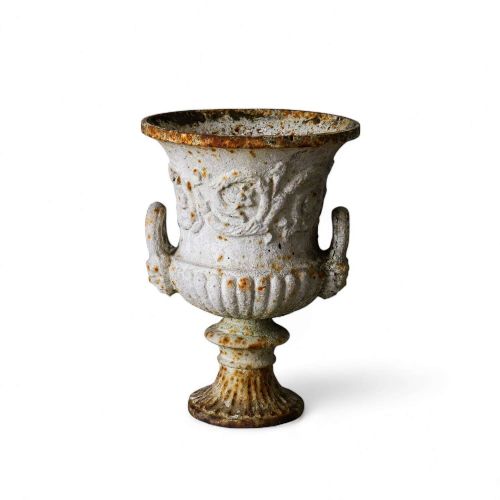
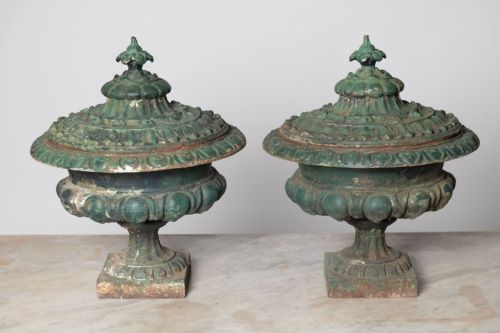
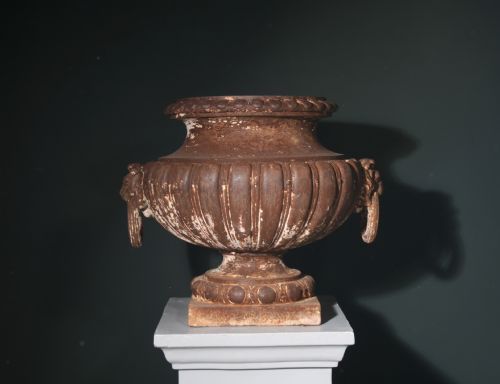
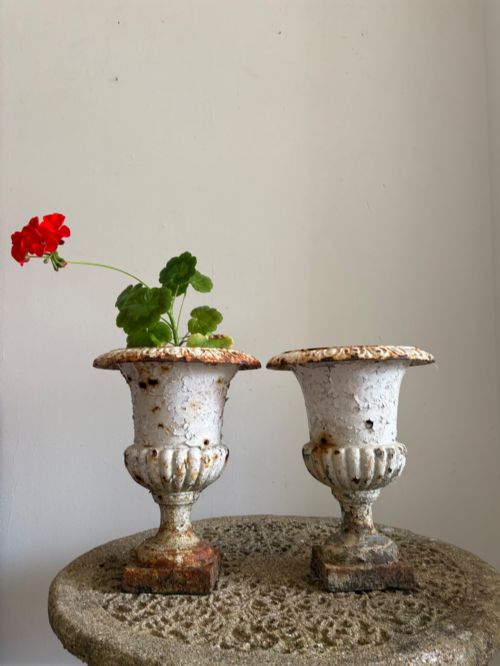
Makers such as Coalbrookdale, Andrew Handyside and the Val d'Osne foundry produced some of the most notable examples. You will frequently encounter pairs of urns featuring fluted bodies or acanthus leaf motifs dating from the nineteenth century.
How They Were Made
Foundries poured molten metal into sand moulds to achieve crisp surface relief, deep fluting and sharp botanical details like acanthus leaves. Artisans incorporated structural elements in wrought iron and wirework for specific stands and plant holders.
Surfaces received protective coats of paint or developed weathered patinas over decades of exposure to outdoor elements. Some examples retain original lids, plinths and distressed painted finishes from their period of manufacture.
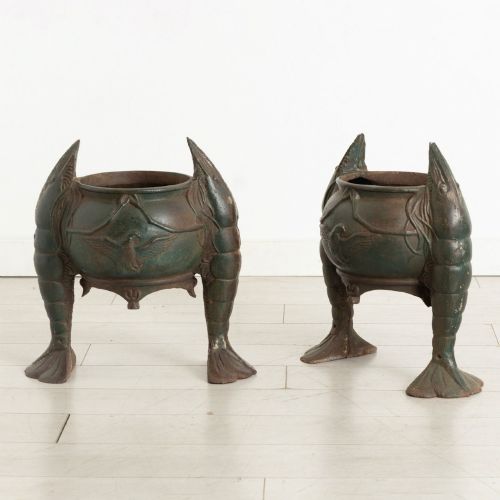
Unusual nineteenth-century iterations include botanical planters shaped specifically as marine shrimp.
What Varies in Quality
The clarity and depth of the cast ornamentation distinguish exceptional foundry work from simpler utilitarian production. Crisp rendering of classical motifs, such as acanthus foliage and fluting, points to skilled pattern-making.
Completeness of design also influences quality, particularly when pieces retain matching pedestals, plinths or original lids. The presence of documented foundry marks adds considerable distinction to an individual urn or planter.
Coalbrookdale·Andrew Handyside·Val D'Osne Foundry
The Victorian Cast Iron Garden Planters Glossary
- Campana
- A bell-shaped garden urn with a flared rim, frequently seen in nineteenth-century cast iron designs. This classical form stands on a pedestal or plinth.
- Jardiniere
- An ornamental pot or stand designed to hold growing plants or flowers. These vessels appear in both floor-standing and table formats.
- Tazza
- A shallow cup or urn set upon a stem and foot, used for garden display. The form derives from classical drinking vessels adapted for horticulture.
- Plinth
- A heavy base or pedestal that supports an urn or planter. Matching plinths elevate the vessel and complete the classical silhouette.
Victorian Cast Iron Garden Planters: Frequently Asked Questions
How do I care for cast iron planters outside?
Cast iron planters withstand outdoor conditions well, though monitoring moisture accumulation helps protect the metal. Applying protective coatings periodically prevents excessive rust formation.
Ensuring adequate drainage prevents water from freezing inside the vessel during colder months. Lifting the base slightly off the ground also protects the iron from prolonged dampness.
Were these urns always used in gardens?
Victorian cast iron urns and plant stands served both indoor conservatory spaces and formal outdoor garden settings. Their sturdy construction made them suitable for terraces, pathways and entranceways.
Smaller table versions and multi-tiered plant stands accommodated interior display needs. Paired arrangements frequently framed architectural focal points in nineteenth-century landscapes.
How can I identify a foundry mark?
Foundry names or registry numbers occasionally appear cast into the base, rim or interior lip of the iron vessel. Inspecting the underside and lower edge with a strong light helps reveal faint lettering.
Prominent firms like Coalbrookdale and Val d'Osne sometimes stamped their work with specific identifiers. Unmarked pieces remain common and rely on stylistic traits for attribution.
What is the difference between an urn and a jardiniere?
Urns typically feature a vertical, often bell-shaped profile elevated on a stem or pedestal base. Their formal classical derivation suits prominent architectural placement in gardens.
Jardinieres tend to be lower, wider vessels designed primarily to contain plant groupings. These pieces often incorporate decorative side handles or open wirework structures.