




Vintage Outdoor Garden Pots
These vintage outdoor garden pots bring classical form and enduring presence to terrace and lawn.
Vintage Outdoor Garden Pots
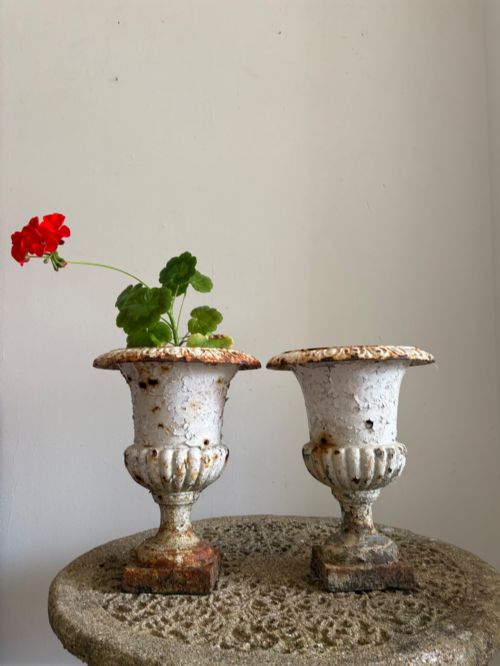
Vintage outdoor garden pots encompass a diverse array of vessels designed to hold plants, ranging from classical campana urns to sturdy troughs and pedestals. When searching for vintage outdoor garden pots, buyers encounter forms shaped by centuries of horticultural tradition, including substantial Victorian and nineteenth-century examples.
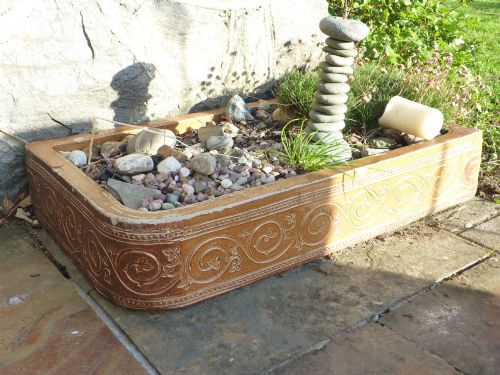
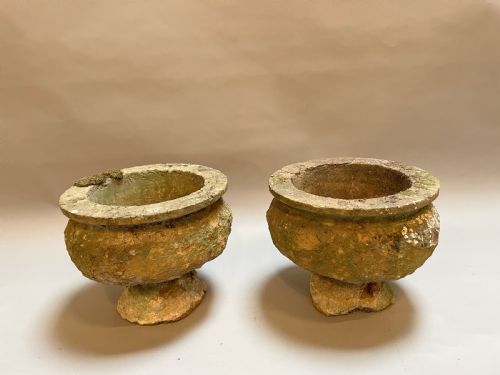
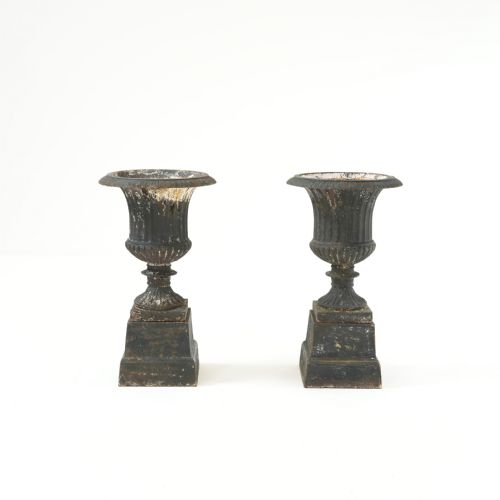
The objects take many physical shapes, appearing as round planters, deep troughs, and decorative urns elevated on plinths. Materials span durable metals and fired clays, creating distinct silhouettes suitable for different garden layouts.
Materials and construction methods
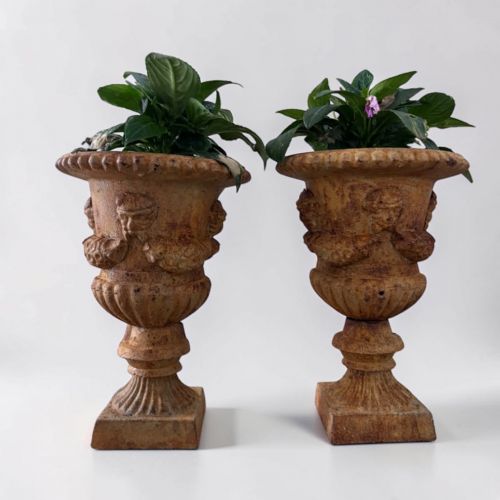
Foundries cast iron into elaborate classical shapes, often applying layers of paint or leaving surfaces to develop patination over decades of exposure. Terracotta and salt-glazed ceramics undergo high-temperature firing to achieve durable porous bodies capable of retaining moisture.
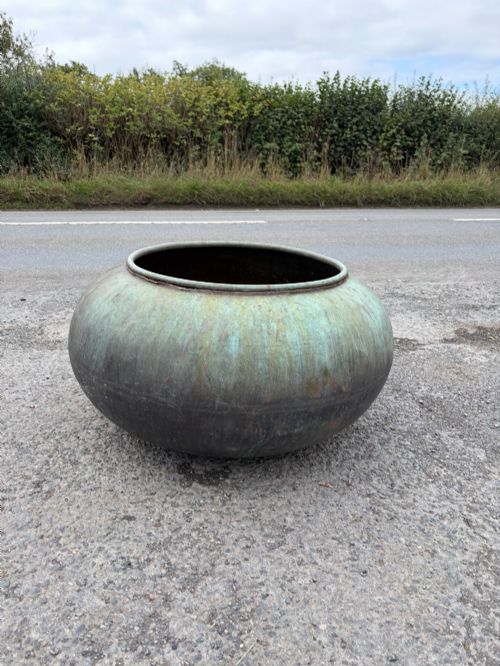
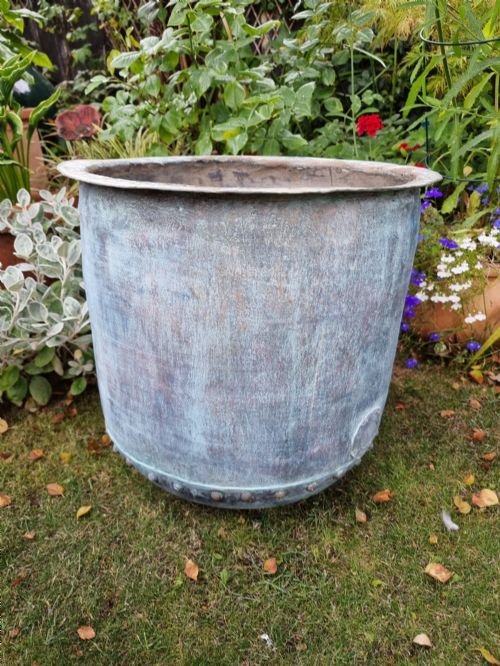
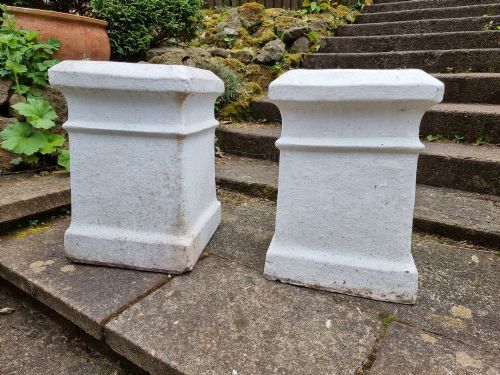
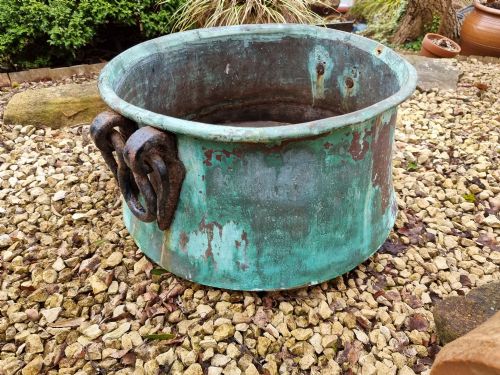
Workers shaped sheet copper and zinc by hand, hammering seams and soldering joints to form large display vessels and window troughs. Stone and reconstituted stone were carved or moulded into weighty pedestals and urns designed to withstand outdoor elements.
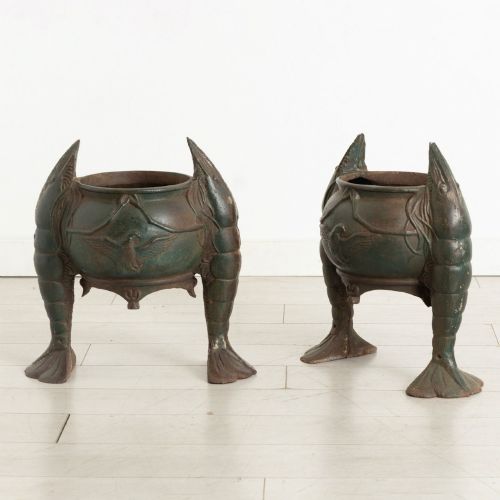
Shrimp-shaped iron planters and strawberry pots shaped like tree trunks prove that historic gardeners enjoyed a playful touch of whimsy.
Factors determining quality
Quality rests upon the crispness of cast detail in iron and the precision of modelling in terracotta or stone. Superior examples display balanced proportions, clean casting lines, and intentional decorative motifs such as gadrooning.
Surface weathering and original paint layers contribute significantly to character, where stable oxidation and natural verdigris enhance the visual depth of metalwork. The integrity of the material body, free from modern repairs, separates ordinary utility pieces from distinguished display vessels.
Andrew Handyside·Guichard Carriès·Compton Pottery
The Vintage Outdoor Garden Pots Glossary
- Campana urn
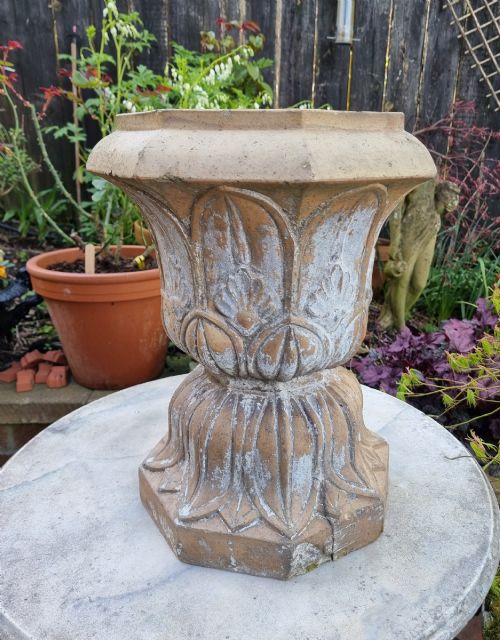
- A bell-shaped garden vessel with an everted rim, frequently mounted on a square plinth. This classical form became popular during the nineteenth century for formal garden placement.
- Gadrooning
- A decorative carved or cast motif consisting of convex curves or flutes moulding the lower body of an urn or bowl. It provides texture and visual weight to classical designs.
- Verdigris
- A green patina formed naturally on copper, brass, or bronze through atmospheric oxidation. This surface layer protects the underlying metal and indicates considerable age.
- Faux bois
- An artistic imitation of wood grain applied to ceramic, stone, or cement surfaces. In garden ware, this technique creates planters that mimic natural timber stumps or logs.
- Salt glaze
- A glassy, slightly textured finish achieved by throwing common salt into the kiln during high-temperature firing. This glaze produces a durable impervious coating on stoneware pots.
Vintage Outdoor Garden Pots: Frequently Asked Questions
How do I protect cast iron pots from winter frost?
Cast iron withstands cold temperatures well, but trapped water inside soil can freeze and expand to crack the metal or its contents. Elevating pots on small feet prevents water pooling at the base.
Ensuring adequate drainage holes remain clear allows excess moisture to escape safely during heavy winter rainfall.
Can antique terracotta planters stay outside all year?
Terracotta absorbs moisture, which makes older fired clay vulnerable to frost damage if temperatures drop rapidly while the material is saturated. Moving porous pots under shelter during freezing periods preserves the clay body.
Allowing the soil to dry slightly before cold weather sets in also reduces internal expansion pressures.
How is verdigris cleaned off antique copper pots?
Verdigris is a natural patina formed over decades of exposure, and many collectors prefer to leave this protective green layer intact. Scrubbing the surface removes the historical skin and exposes raw bright metal underneath.
Gentle dusting with a dry cloth removes surface debris without disturbing the underlying oxidation.
What is the difference between an urn and a planter?
Urns typically feature a footed base or pedestal supporting a distinct bowl with decorative handles or fluted rims. They prioritise sculptural presence in garden design.
Planters encompass a broader range of straight-sided troughs and round pots designed strictly for housing growing plants.