


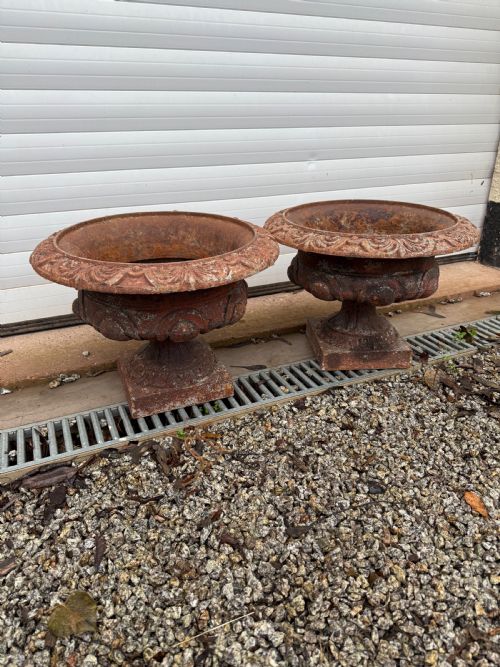


Antique Iron Plant Pots
Antique iron plant pots bring enduring character to garden spaces, spanning formal campana urns and playful novelty designs.
Antique Iron Plant Pots
Antique iron plant pots encompass a varied selection of garden urns, planters, and jardinieres designed for exterior and interior use. These vessels emerge from periods including the Victorian era, Edwardian years, and the late nineteenth century.
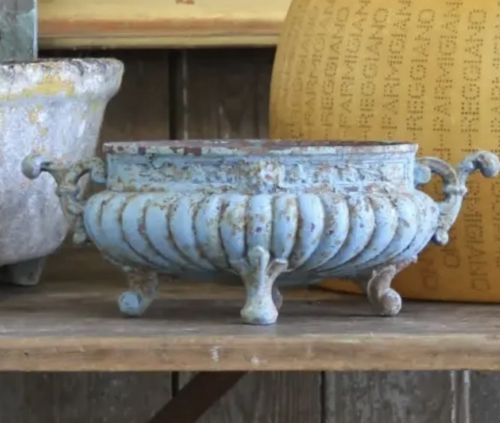
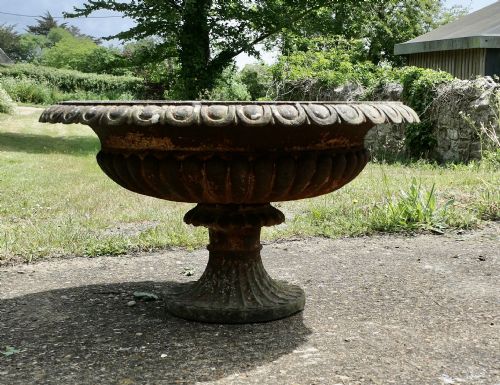
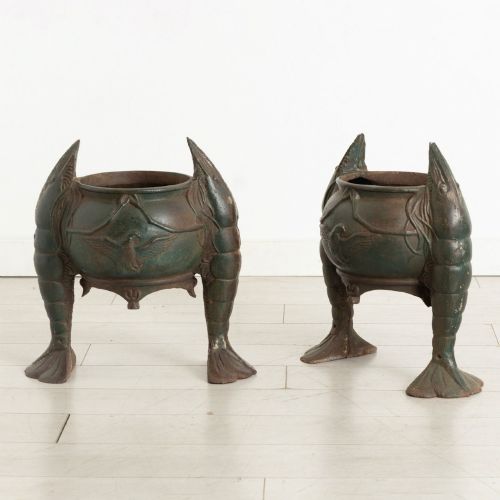
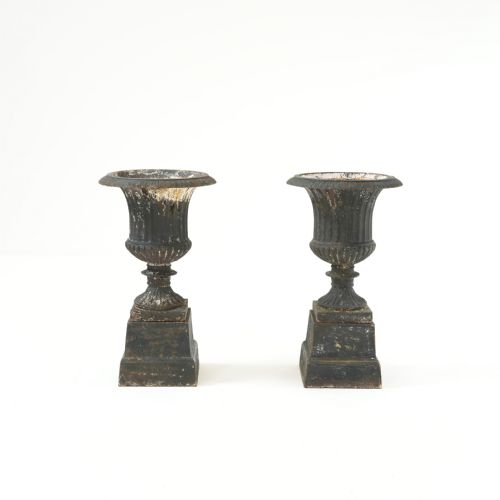
Buyers frequently encounter cast iron and wrought iron forms, ranging from classical campana shapes to intricate strapwork and novelty shrimp designs. Associated pieces such as pan stands and plant holders also appear alongside traditional urns.
Origins stretch across English, French, and Japanese aesthetics, incorporating styles from Gothic Revival and Neoclassical to Arts and Crafts. Such variety allows these vessels to anchor formal garden schemes or accent domestic interiors.
How they were made
Makers utilised cast iron and wrought iron as the primary structural materials, often shaping molten metal through traditional foundry methods. Secondary elements incorporate copper, enamel, porcelain, and hardwood to enrich the finished objects.
Surface treatments involve protective and decorative coats of paint, alongside exposed metal patinas developed through age and exposure. Wrought iron strapwork demonstrates skilled blacksmithing techniques, while cast pieces rely on detailed moulds.
Listings span the 19th century, Victorian period, and 1900, incorporating cast iron, wrought iron, copper, and porcelain.
What varies in quality
The sophistication of the casting work dictates the crispness of classical ornamentation and relief detail on urns and jardinieres. Superior examples display clean lines and well-proportioned architectural elements without surface distortion.
The integrity of the material and the character of the remaining painted or weathered surface define the visual presence of each piece. Integrated combinations of iron with copper or porcelain reflect higher ambition in design and construction.
The Antique Iron Plant Pots Glossary
- Campana urn
- A bell-shaped garden vessel with an everted rim, typically mounted on a pedestal base. This classical form frequently appears in nineteenth-century cast iron.
- Jardiniere
- An ornamental pot or stand designed to hold growing plants or flowers, often displayed indoors or in conservatories. These items incorporate materials such as iron, copper, and porcelain.
- Strapwork
- Ornamental work composed of flat, interlaced bands resembling leather straps, seen in nineteenth-century iron planters. This technique creates geometric openwork patterns across the body.
- Imari
- A style of Japanese ceramic decoration featuring rich iron-red, cobalt blue, and gilt details. Such porcelain bodies appear within iron plant containers from the Meiji period.
- Orangery
- A dedicated structure used for protecting tender plants during colder months, housing large planting tables and containers. These spaces call for substantial iron and timber furnishings.
Antique Iron Plant Pots: Frequently Asked Questions
How do I care for antique iron pots?
Keep the metal clean and dry when housed indoors, and apply appropriate protective coatings if exposed to seasonal weathering outside.
Inspect the surface periodically to manage any active oxidation and preserve the historic finish of the iron.
Are these pots suitable for outdoor planting?
Many cast and wrought iron vessels are built for garden use, enduring outdoor conditions across decades of exposure.
Ensure adequate drainage and protect more delicate or mixed-material pieces from severe winter frosts.
How do I date an iron planter?
Examine the casting quality, surface finish, and stylistic markers such as Gothic Revival or Arts and Crafts details.
Compare the construction methods and material combinations against documented examples from the nineteenth and early twentieth centuries.
What is the difference between an urn and a jardiniere?
Urns typically feature a raised foot or plinth with a deep bowl, often echoing classical architecture.
Jardinieres function primarily as decorative planters for housing flowering displays, frequently possessing broader profiles.