


Victorian Cast Iron Figure
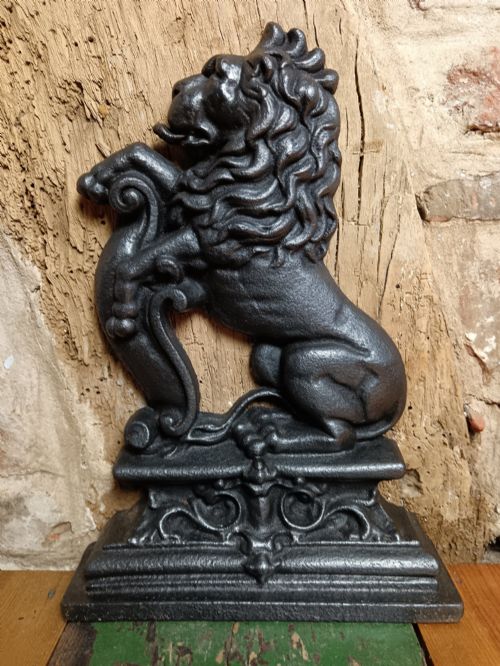
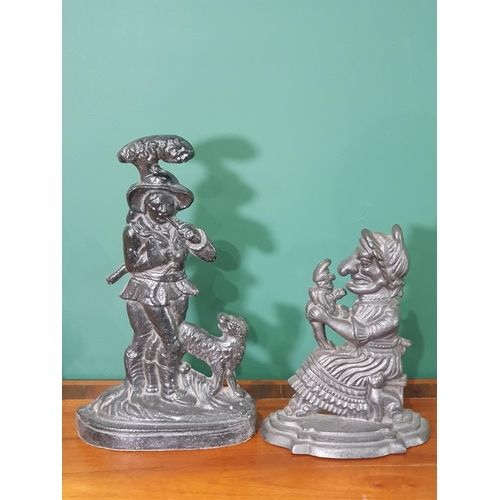
These robust victorian cast iron figure examples bring steady weight and character to a room, holding doors or standing as sculptural accents.
Victorian Cast Iron Figure
When searching for a victorian cast iron figure, collectors encounter practical domestic items and display sculptures shaped in durable metal during the nineteenth century. These heavy objects range from utilitarian doorstops and door porters to decorative animalier sculptures, window displays and garden planters.
The most common forms on this page include figural doorstops depicting lions, literary or historical figures like Lord Nelson and Mr Punch, alongside heavy paperweights and animal figures. Pieces span the Victorian era with occasional examples from related nineteenth and early twentieth century periods.
Materials and Construction
The primary material visible across these listings is cast iron, frequently enhanced with painted surfaces or combined with brass components. Molten iron was poured into moulds to capture intricate details of figures, animals and classical revival motifs.
Listings feature items from the 19th Century, Victorian period, and Georgian eras, fashioned from cast iron, paint, brass, and glass.
Distinctions in Quality
The survival of early painted decoration significantly influences the character of a piece. Original polychrome surfaces that remain intact and undisturbed elevate the visual appeal compared to later or heavily restored paint layers.
The Victorian Cast Iron Figure Glossary
- Cast iron
- An iron-carbon alloy poured into a mould to form solid objects. This heavy material provides the sturdy foundation for nineteenth century doorstops and decorative sculptures.
- Animalier
- A nineteenth century artistic style focusing on realistic depictions of animals. Sculptures in this category capture creatures such as lions, dogs and birds in natural poses.
- Doorstop
- A heavy weighted object used to keep a door open. Many nineteenth century examples take figural forms ranging from historical personalities to domestic animals.
- Neoclassical revival
- An architectural and decorative style drawing inspiration from classical antiquity. This aesthetic appears on fireplace accessories and architectural panels within the collection.
Victorian Cast Iron Figure: Frequently Asked Questions
What were victorian cast iron figure items used for?
These robust metal objects served practical household purposes alongside decorative functions.
Many functioned as doorstops to hold heavy interior doors open against draughts, while others acted as paperweights, fire backs or window displays.
How do I identify a period piece?
Examine the weight, casting clarity and surface wear to gauge authenticity.
Nineteenth century examples typically exhibit deep casting detail, honest surface oxidation beneath old paint layers, and substantial heft characteristic of early foundry work.
How should I clean painted cast iron?
Maintain the surface gently by dusting with a dry cloth.
Avoid harsh chemical solvents or abrasive pads that might remove fragile original paint layers and expose the bare metal underneath.
Where do animalier figures originate?
Animalier sculptures gained popularity across Europe during the nineteenth century.
Foundries produced realistic depictions of dogs, lions and birds to satisfy a growing domestic appetite for natural history subjects.