


Antique Iron Desk Ornament
An antique iron desk ornament brings weight and character to a workspace, offering a tangible piece of history designed to hold down papers or decorate a study.
Antique Iron Desk Ornament
An antique iron desk ornament encompasses heavy cast pieces meant for the study, ranging from practical desk accessories to decorative sculptures. When searching for an antique iron desk ornament, buyers most frequently encounter utilitarian paperweights and detailed metal models dating from the Victorian era to the 1920s.
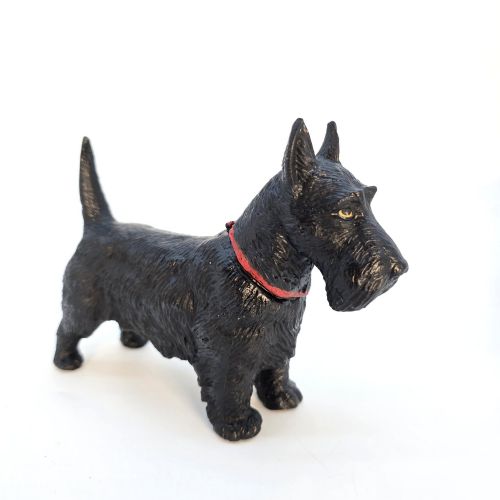
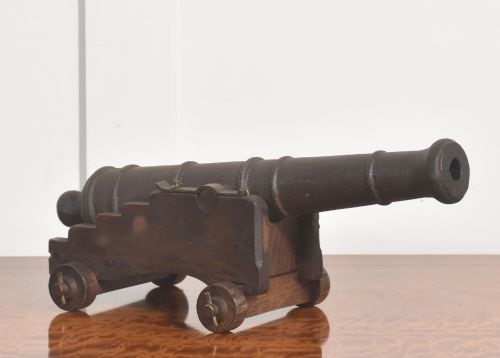
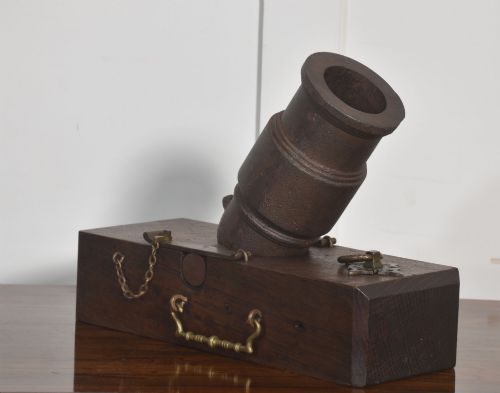
The selection includes practical paperweights, miniature artillery models on oak carriages, and figural sculptures depicting animals or historical figures. These items served functional roles on desks or functioned as small display pieces in studies and offices.
Pieces from this category span various periods including the nineteenth century, Victorian era, and early twentieth century. Makers utilised diverse subjects, from military ordnance and literary busts to dogs and horses, reflecting the varied tastes of past desk owners.
How they were made
Makers utilised cast iron, cast metal, and bronze, often combining metals with wooden elements such as oak carriages for miniature cannons. These materials provided the necessary heft for desk accessories and a durable base for sculptural details.
Surfaces were frequently finished with paint, hand-painted details, or a bronze finish patina to enhance the visual depth of the metal. Certain pieces integrated contrasting materials like black marble plinths to elevate the presentation of busts and figures.
Materials across these listings include cast iron, brass, bronze, oak, and paint, spanning the Victorian period to 1920.
What varies in quality
Original surface treatments, such as hand-painted enamel or patination, influence the integrity of a piece. Well-preserved finishes and robust construction of integrated wooden mounts distinguish superior desk objects from simpler productions.
The Antique Iron Desk Ornament Glossary
- Cast iron
- An iron-carbon alloy poured into a mould to create solid, heavy objects. It provides the primary weighty substance for many nineteenth-century desk accessories.
- Patina
- The surface appearance acquired by metals through age and use. A bronze finish patina simulates the look of aged bronze on iron substrates.
- Paperweight
- A small, heavy object placed on loose documents to prevent them from scattering. These form a major functional category within desk ornaments.
- Signal cannon
- A small ordnance piece fired to mark events or hours rather than for combat. Miniature versions serve as decorative desk models on wooden carriages.
- Animalier
- A nineteenth-century artistic style focusing on the realistic portrayal of animals. This style appears on desk sculptures and figures of dogs and horses.
Antique Iron Desk Ornament: Frequently Asked Questions
What is an antique iron desk ornament?
An antique iron desk ornament is a heavy metal object created for nineteenth or early twentieth-century workspaces. These items include paperweights, figural sculptures, and miniature cannons.
They combine utility and decorative appeal, serving as functional paper-holders or desk displays.
How were miniature cannons used on desks?
Miniature cannons mounted on wooden carriages functioned primarily as decorative desk ornaments or paperweights. Some specific models served as signalling devices.
Their presence reflected a Victorian fascination with military engineering and historical commemoration.
How do I date an iron desk ornament?
Dating relies on stylistic clues, manufacturing materials, and thematic context. Pieces often correspond to Victorian, Edwardian, or early twentieth-century design trends.
Subjects like military models or specific animal sculptures help place an object within its production era.
How should I care for cast iron desk items?
Cast iron and painted metal items require dry conditions to prevent oxidation. Gentle dusting preserves the original surface finishes and patinas.
Avoiding moisture protects both the metal components and any attached wooden bases or marble plinths.