

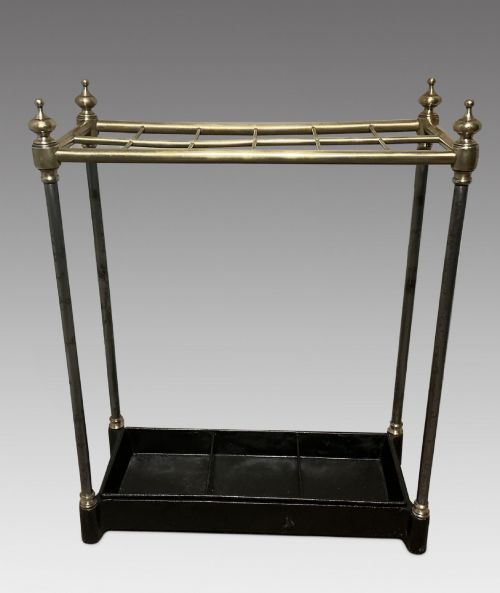
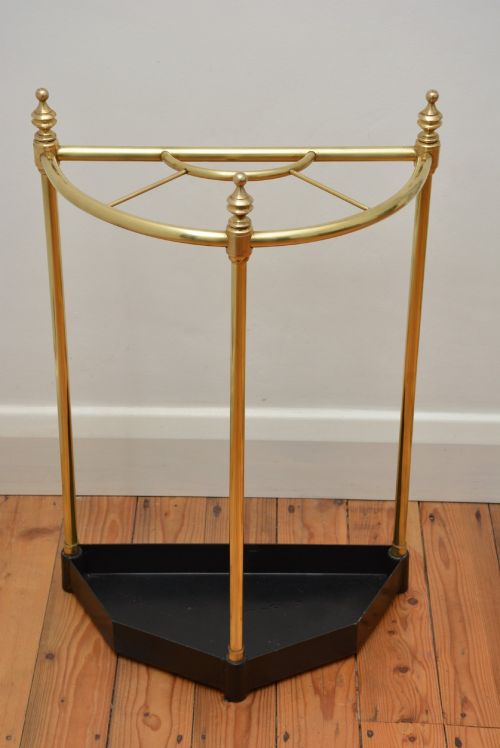

Victorian Cast Iron Cane Stand
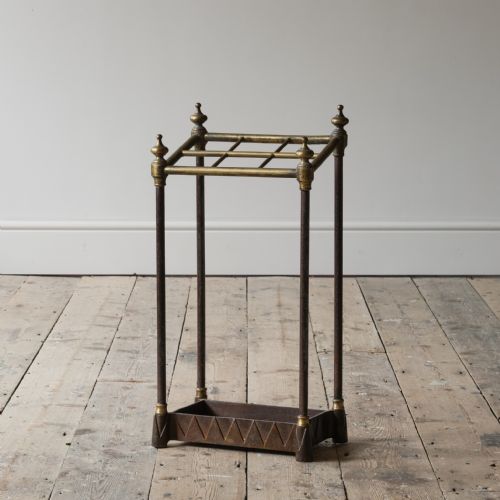
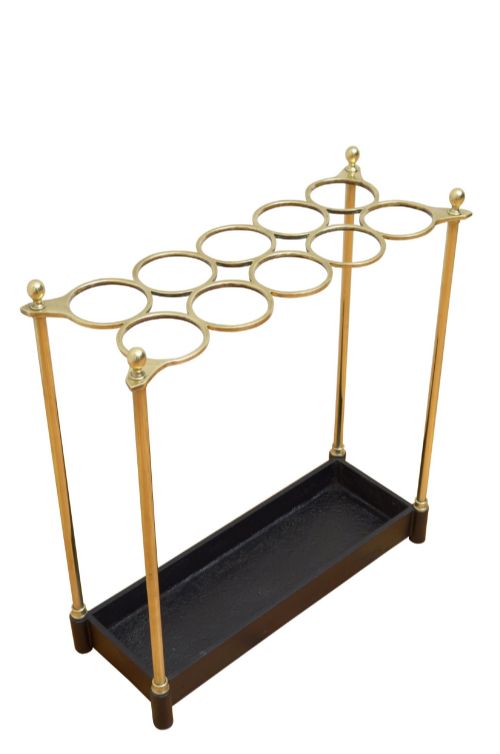
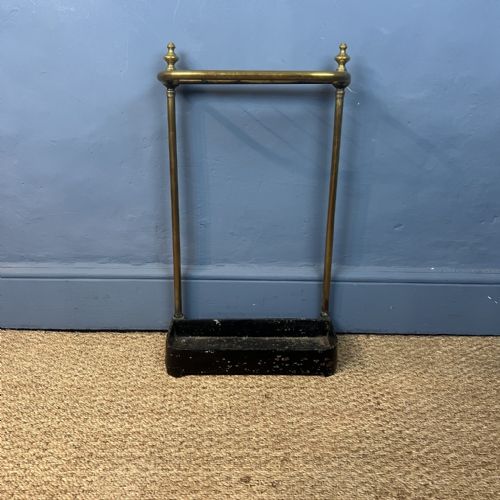
A victorian cast iron cane stand is a sturdy hall furnishing designed to hold umbrellas and walking sticks, combining utility with decorative metalwork.
Victorian Cast Iron Cane Stand
A victorian cast iron cane stand is a substantial piece of hallway furniture built to organise wet umbrellas and walking sticks. The pieces seen here span the nineteenth century and into the Edwardian period, often incorporating brass, steel, and painted finishes alongside the primary metal.
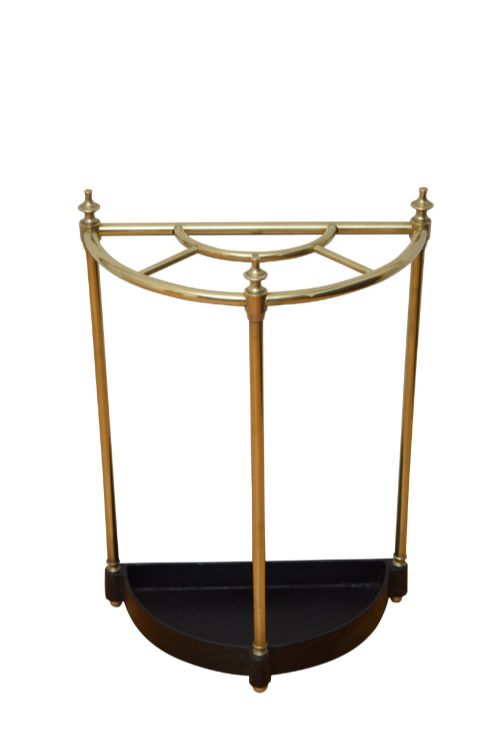
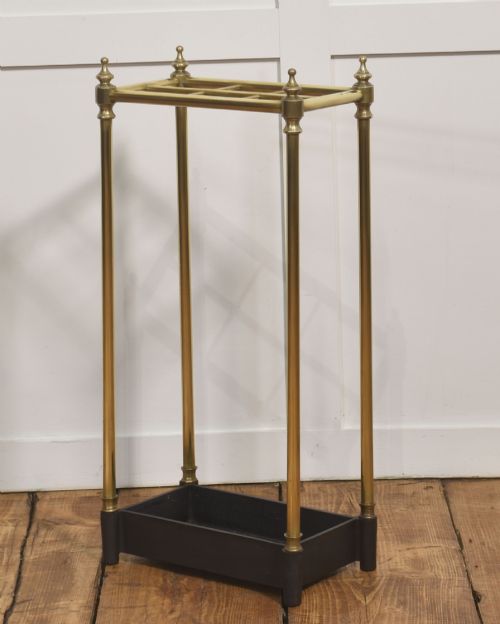
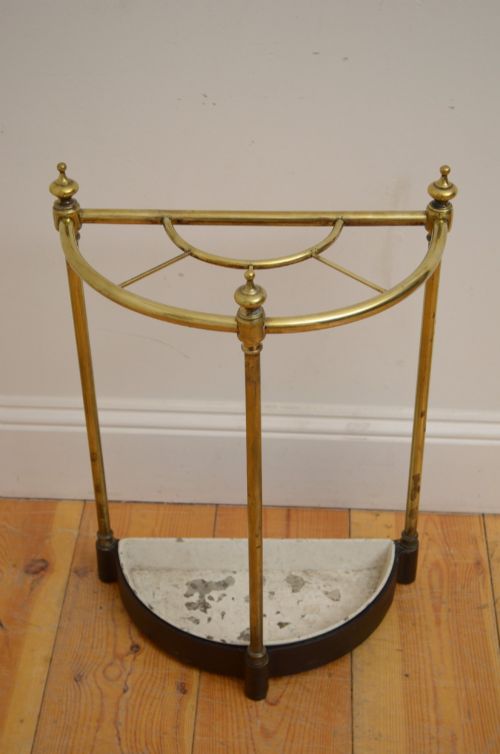
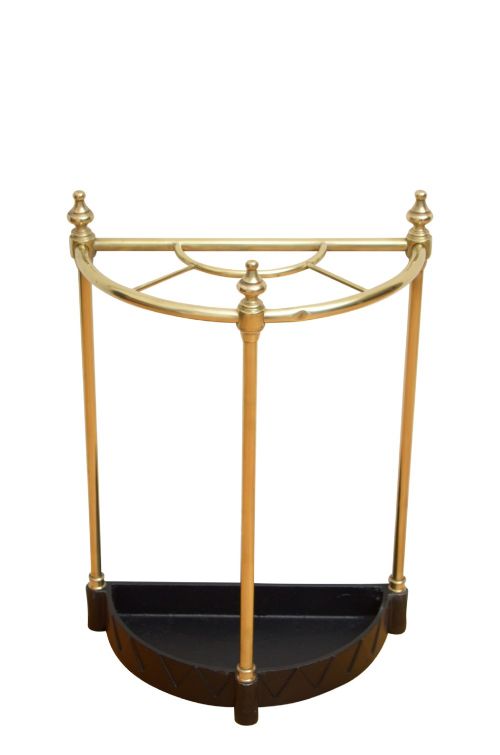
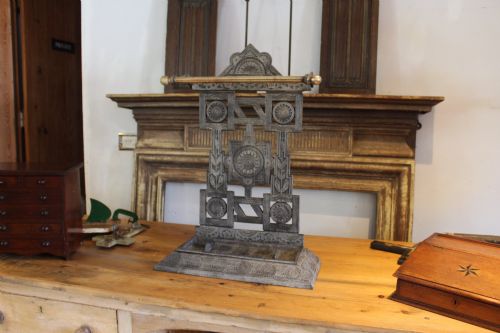
Most examples take forms described variously as stick stands, umbrella stands, or demi-lune designs intended to sit flush against a hallway wall. You will also encounter stylistic influences ranging from Gothic and Aesthetic Movement to Art Nouveau.
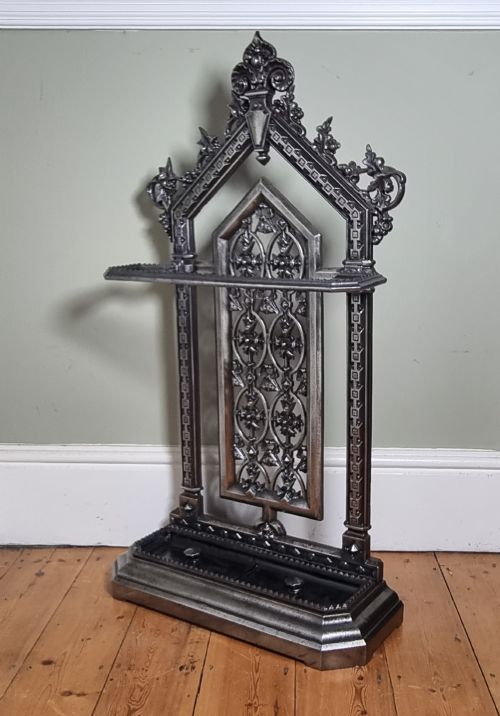
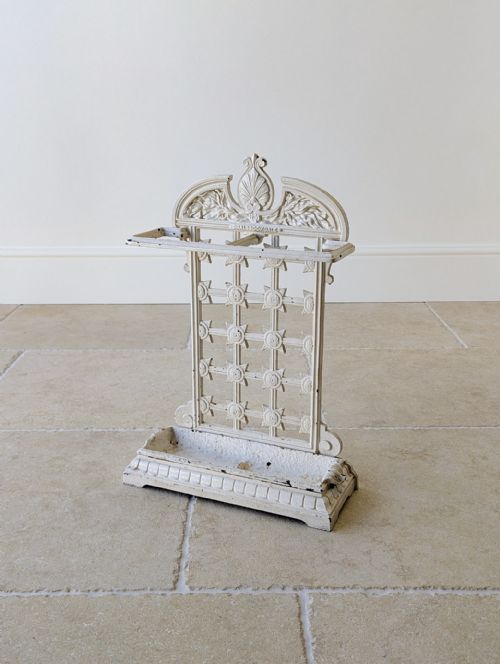
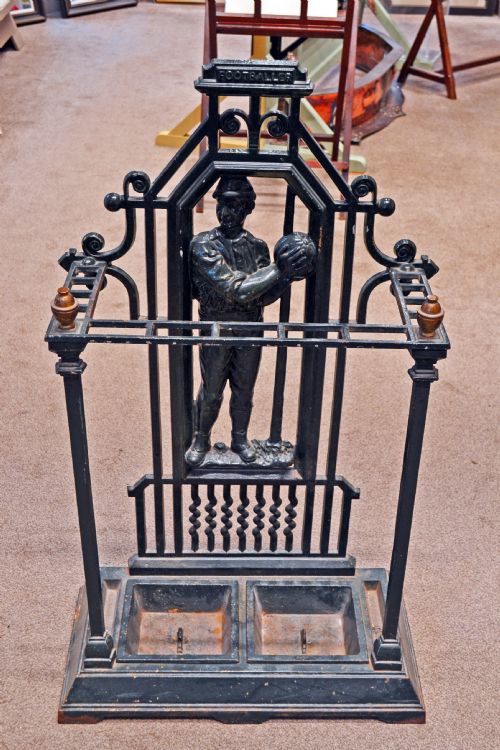
Foundries produced both plain utility models and heavily ornamented versions depicting figures or natural motifs. These objects served a daily purpose in period entrance halls while displaying the sculptural versatility of iron.
Materials and Construction
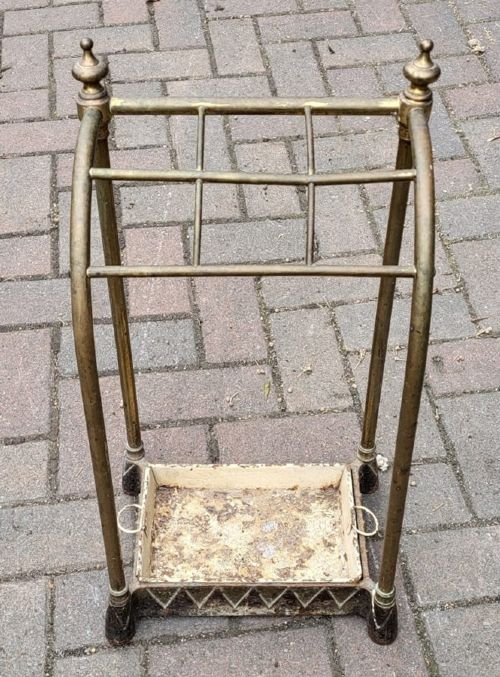
Makers utilised cast iron for the main framework and backplates, allowing for intricate openwork patterns and relief figures poured in foundry moulds. Many examples integrate brass rails, finials, or drip trays to contrast with the dark iron structure.
Surfaces were frequently finished with protective black paint or enamelling to prevent rust and provide a uniform appearance. Some designs incorporated steel components or faux bamboo detailing to emulate alternative materials popular in period design.
Foundry marks and registration numbers appear on the reverse of several cast iron backplates.
Evaluating Quality and Design
Quality in these pieces is dictated by the crispness of the casting and the ambition of the design, distinguishing standard commercial foundry output from signed artistic work. Well-defined relief figures and clean openwork demonstrate superior pattern-making.
Attribution to known foundries or designers elevates an example, as does the retention of original drip trays and matching components. The sophistication of the decorative scheme, whether botanical, figurative, or architectural, separates basic hall furniture from significant design objects.
Coalbrookdale·Thomas Jeckyll·Falkirk Ironworks·A. Kenrick and Sons·Shoolbred
The Victorian Cast Iron Cane Stand Glossary
- Demi-lune
- A half-moon shape designed to fit flat against a hallway wall. This profile allowed stands to occupy narrow corridors without blocking passage.
- Drip tray
- A removable metal basin positioned at the base to catch water from wet umbrellas. These trays are frequently made of brass or painted iron.
- Finial
- A decorative ornament topping the vertical posts or rails of the stand. They often take the form of brass balls or cast metal foliage.
- Aesthetic Movement
- A late nineteenth-century design style emphasising visual beauty over narrative content. Objects from this movement often feature stylised natural forms.
- Faux bamboo
- A decorative moulding technique carved or cast to resemble natural bamboo stalks. This finish was popular in nineteenth-century metalwork.
Victorian Cast Iron Cane Stand: Frequently Asked Questions
Where were these stands placed?
These stands were traditionally positioned in entrance halls and vestibules of period homes. They welcomed visitors while providing an immediate drop-off point for wet weather gear.
The demi-lune shapes were specifically chosen to save floor space in narrow Victorian hallways.
How do I care for cast iron?
Cast iron requires minimal maintenance beyond dusting and keeping the metal dry. Ensuring the base drip tray is emptied prevents moisture accumulation.
Avoid using harsh chemical cleaners on painted or enamelled surfaces to preserve the original finish.
Are drip trays usually original?
Drip trays are frequently replaced because they sustained the most moisture and wear over time. Finding an example with its matching original tray is notable.
Replacements are common in this category due to the utilitarian function of the pieces.
How do I distinguish periods?
Earlier nineteenth-century examples often lean towards Gothic or classical ornamentation. Later Victorian and Edwardian pieces frequently incorporate Aesthetic or Art Nouveau motifs.
Registration marks or foundry stamps on the iron can also help narrow down the date of manufacture.