

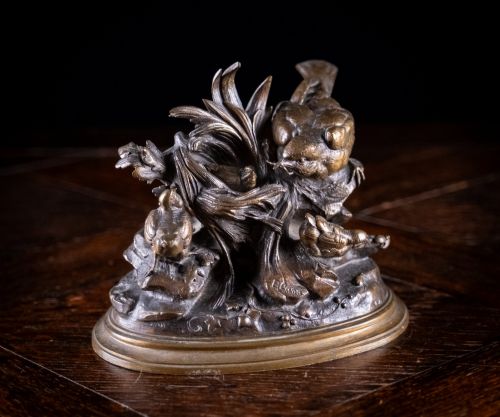

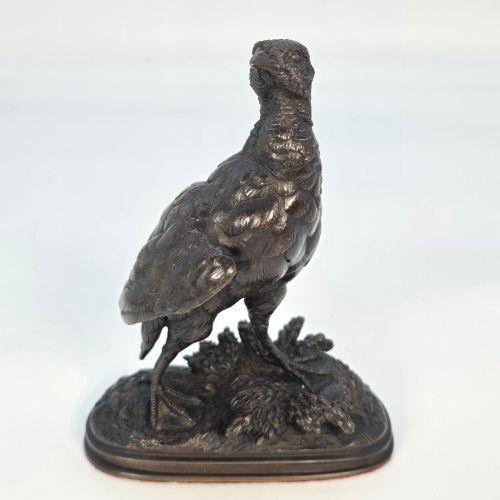
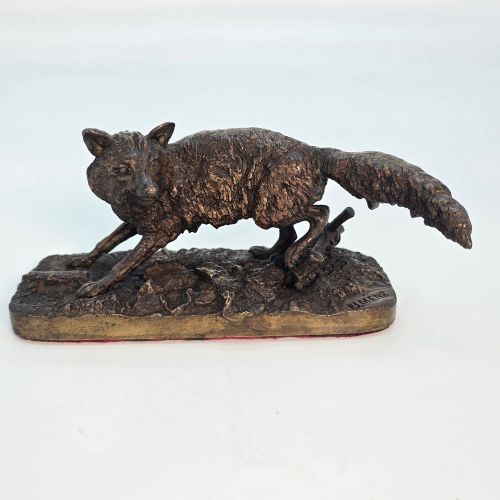
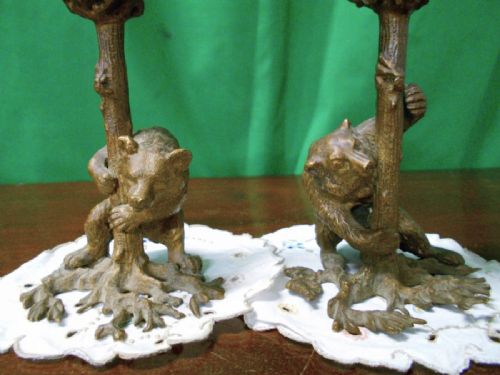



Victorian Cast Bronze Figure
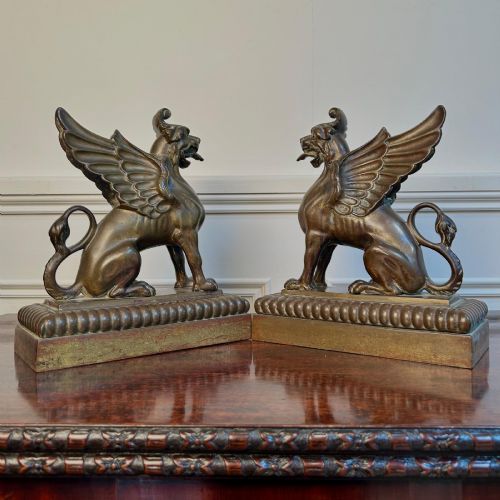
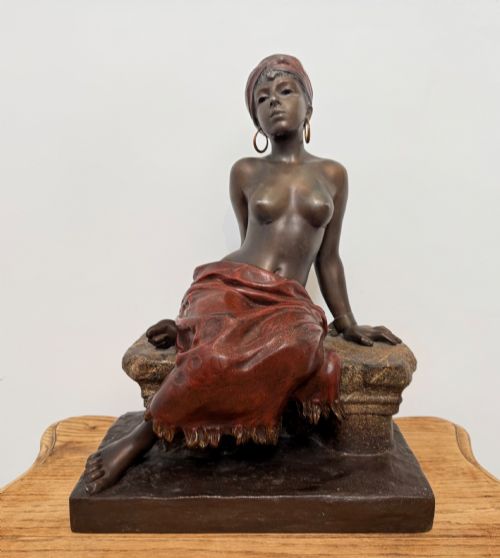
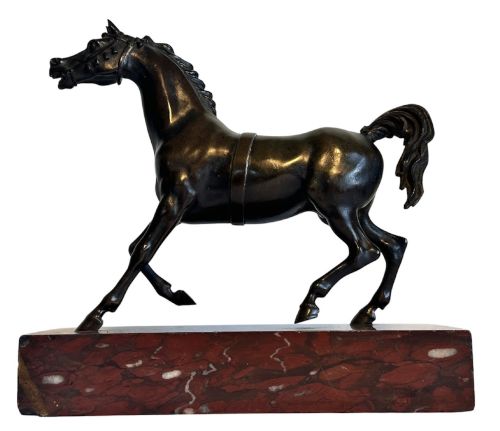
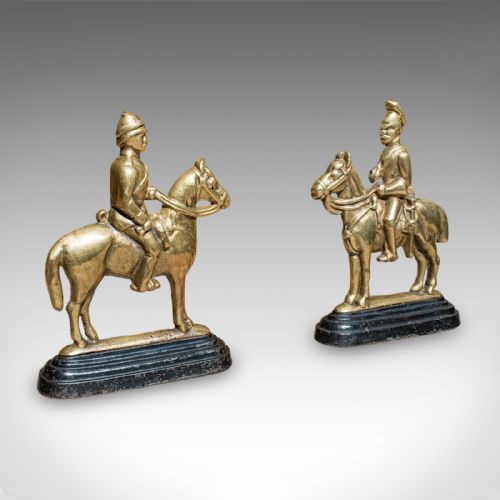
A victorian cast bronze figure brings the weight and detail of nineteenth-century foundry work straight into a room.
Victorian Cast Bronze Figure
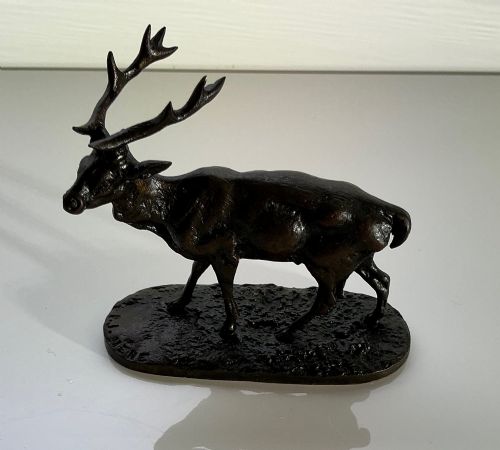
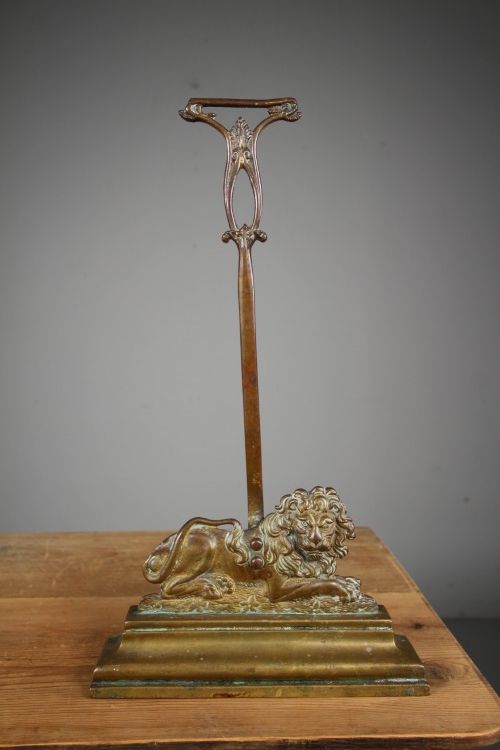
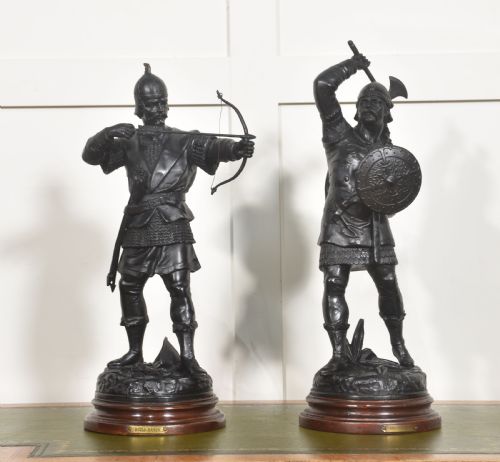
A victorian cast bronze figure encompasses a broad range of nineteenth-century decorative and sculptural objects, spanning animalier studies, historical figures and mythological subjects. Buyers encounter pieces cast in Britain, France and Austria, reflecting varied international foundry traditions from the period.
Most items date from the nineteenth century, with Victorian pieces forming the core of the selection alongside French animalier works and Grand Tour souvenirs. These objects served both decorative and functional roles in period interiors, utilising durable metal alloys to capture intricate details.
What varies in quality
The depth and consistency of the patination contribute significantly to the visual appeal of a sculpture. Skillful application creates subtle tonal variations across the surface, whereas inferior treatments appear flat or uniform.
The quality of the mount and the integration between the figure and its base also indicate the standard of manufacture. Well-mounted pieces display secure fixings and complementary materials like veined marble rather than plain timber.
Victorian Cast Bronze Figure Retail Price Guide 2026
Typical asking prices for victorian cast bronze figure among the pieces listed under this phrase on Sellingantiques today, from the lower quarter to the upper quarter. They describe what is for sale here now, not the wider market.
Listings feature nineteenth-century cast metal works utilising bronze, patinated bronze, and spelter alongside marble and wooden bases.
PJ Mene·E Villanis·Jules Moigniez·Isidore Jules Bonheur·Arthur Waagen·Alfred Dubucand
The Victorian Cast Bronze Figure Glossary
- Animalier
- A nineteenth-century sculptural style focused on the realistic depiction of animals, particularly horses, dogs and wild beasts. French foundries specialised heavily in this genre.
- Patinated bronze
- Metal treated with chemical solutions to produce a specific surface colour and finish, ranging from dark brown to verdigris. This layer protects the underlying alloy and defines the visual tone.
- Cold-painted bronze
- A technique where polychrome paint is applied to a finished bronze object without subsequent firing. This method allows for bright, lifelike coloration on small figures.
- Grand Tour
- Souvenirs purchased by wealthy travellers touring cultural sites in Italy and Europe during the nineteenth century. These often included miniature bronze figures of classical statues and architecture.
- Spelter
- A zinc-based alloy frequently used as a cheaper alternative to bronze for decorative figures. It is lighter in weight and often finished with a bronze-coloured coating.
Victorian Cast Bronze Figure: Frequently Asked Questions
What is an animalier bronze?
An animalier bronze is a nineteenth-century sculpture focused on accurate anatomical depictions of animals in natural poses. These works were particularly popular in France and Britain.
Artists studied live subjects in menageries to capture realistic movement, resulting in expressive studies of hounds, stags, and horses.
How do I clean antique bronze?
Antique bronze requires minimal intervention to preserve its original chemical patination and aged surface stability. Dusting gently with a soft, dry cloth is usually sufficient for regular maintenance.
Avoid using metal polishes, water, or abrasive cleaners, as these substances strip away the historic patina and damage the metal.
What is a Grand Tour bronze?
A Grand Tour bronze is a small-scale replica of a classical sculpture or monument purchased by travellers in Europe during the nineteenth century. These pieces served as educated mementos of cultural travel.
They often depict mythological figures, ancient ruins, or famous statues found in Italian museums and archaeological sites.
Are these figures solid bronze?
Many nineteenth-century sculptural figures are cast as hollow forms using the lost-wax or sand-casting methods to save metal and weight. Heavier base materials or internal weighting were sometimes added for stability.
Alternative alloys such as spelter were also utilised for domestic items, offering a similar appearance to bronze at a lower cost.