


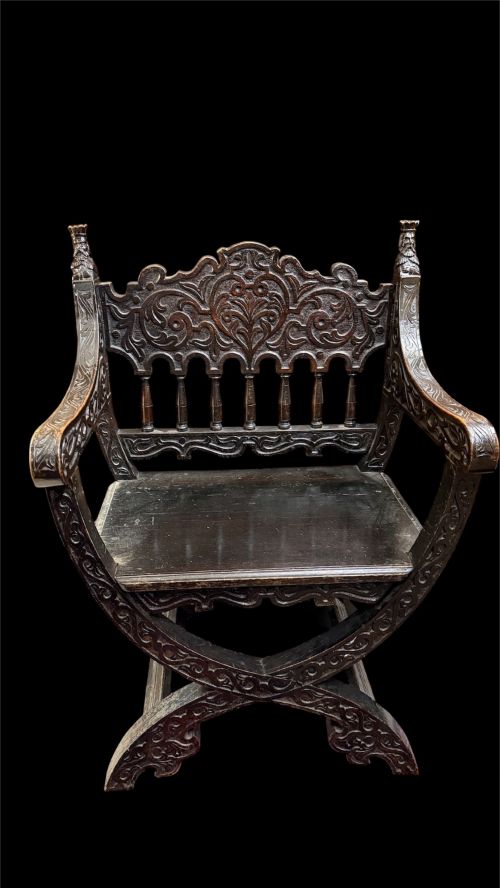
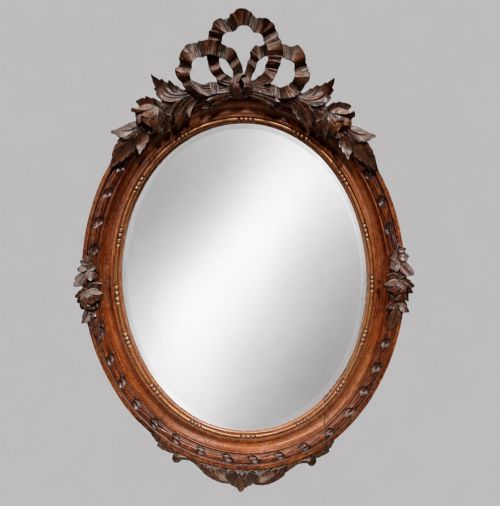
Victorian Carved Wooden Frame
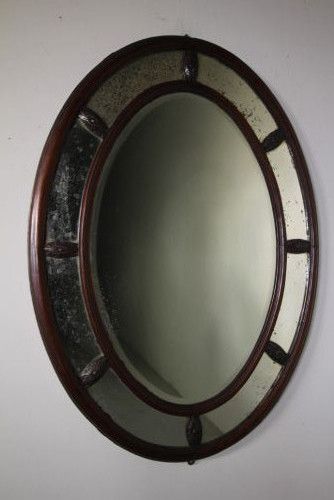
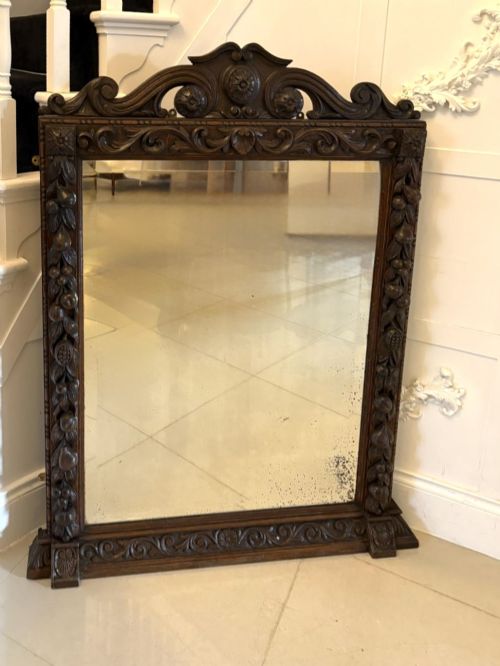
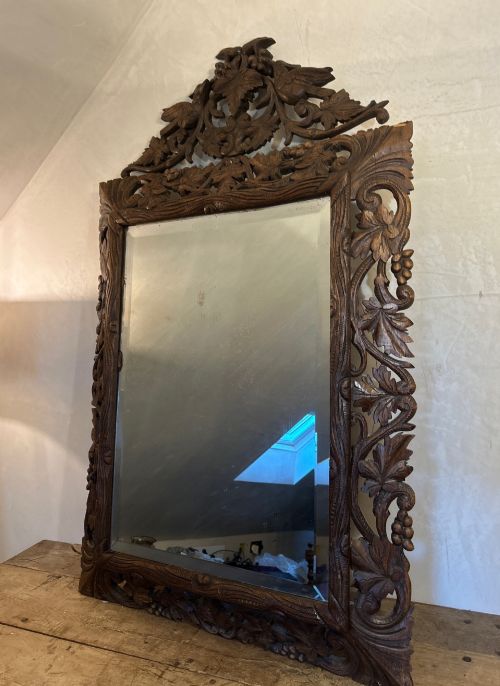
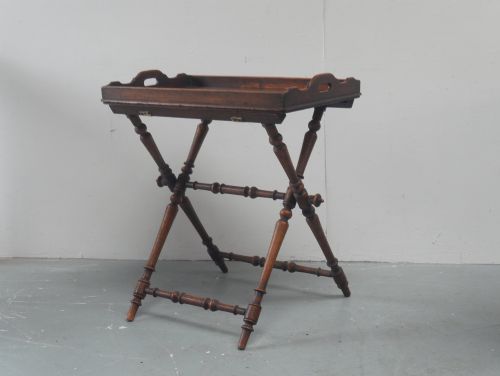
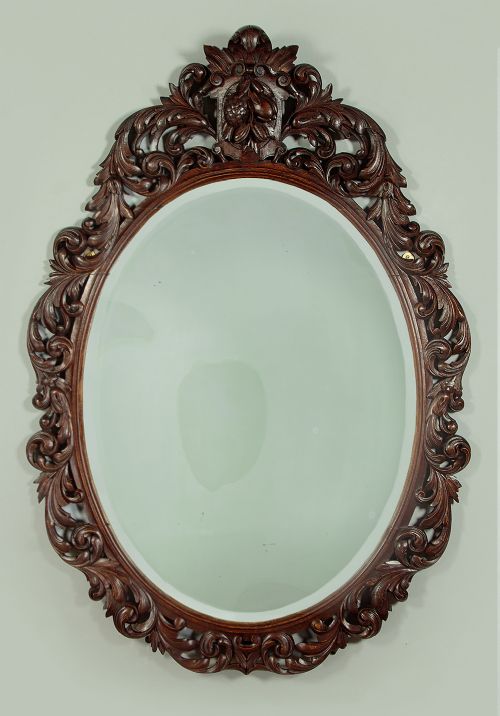
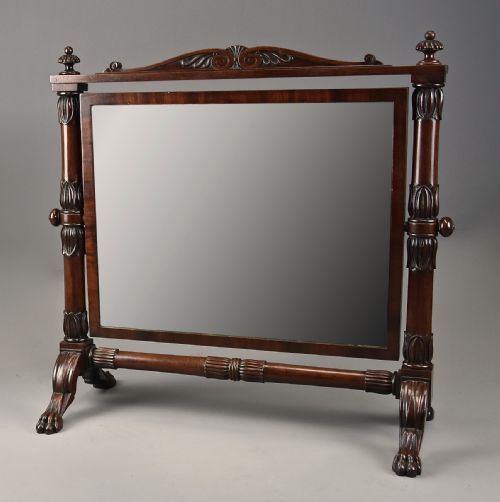
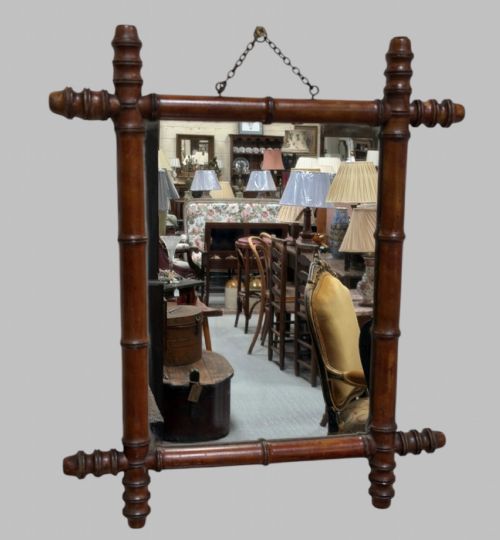
A victorian carved wooden frame brings tactile depth to an interior, housing mirrors and furnishings crafted across the nineteenth century.
How They Were Made
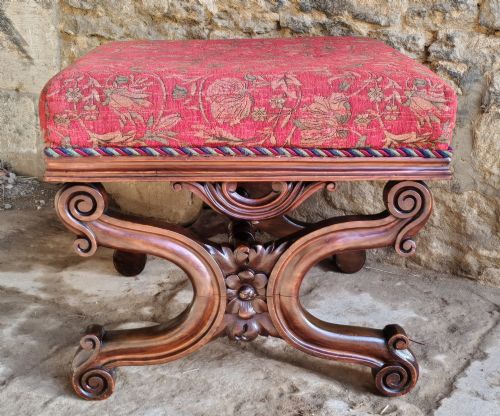
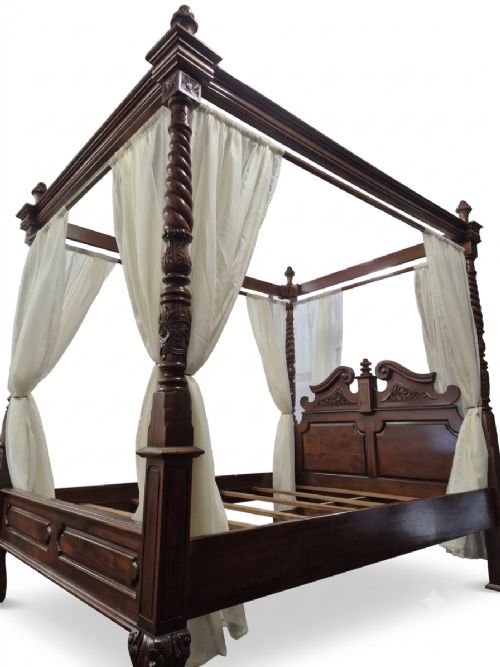
Craftsmen shaped these frames from solid hardwoods like oak, walnut, and mahogany, selecting timber for its grain and weight. Woodcarvers worked directly into the material to produce relief patterns, foliate scrolls, and architectural details.
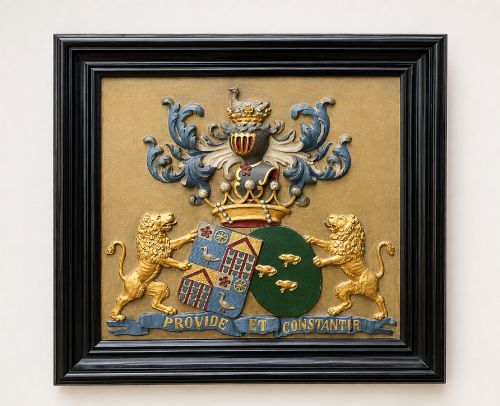
Many surfaces received applied gesso or gilding to catch the light, particularly on grand overmantel mirrors and picture frames. Joinery relied on traditional pegged and framed construction to support heavy glass plates and structural tension.
What Varies in Quality
The distinction between standard production and exceptional pieces lies in the crispness and depth of the woodcarving. Superior examples display undercut foliage and balanced proportions executed by skilled hands rather than mechanical duplication.
The choice of primary timber and secondary framing woods dictates the structural integrity of the piece over time. High-grade mirrors utilise clear glass and substantial backing boards that remain stable within the carved surround.
Listings feature oak, walnut, mahogany, and pitch pine across wall mirrors, armchairs, and bedframes.
P & MA Nicholson
The Victorian Carved Wooden Frame Glossary
- Gesso
- A plaster-like material applied to wood frames to create a smooth surface for gilding or painting. It allows carvers to achieve fine detail before applying gold leaf.
- Overmantel Mirror
- A large mirror designed to hang directly above a fireplace mantelpiece. These frames often reflect architectural styles of the nineteenth century.
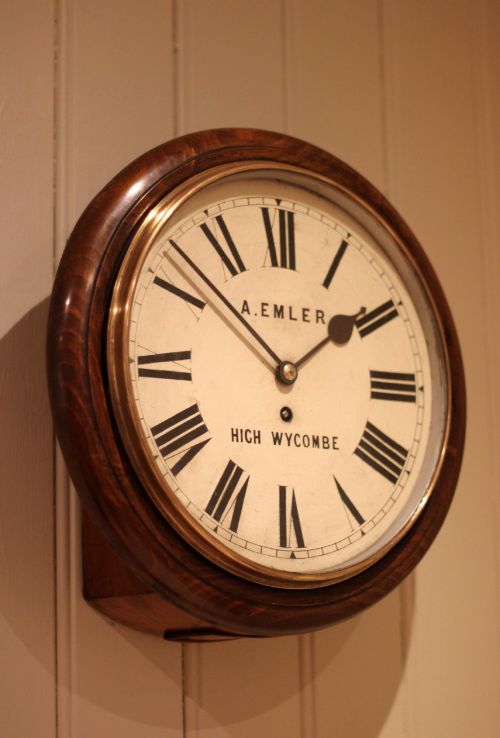
- Fusee Dial Clock
- A clock movement driven by a chain and conical pulley to maintain constant tension. The wooden frame houses the dial and mechanical components.
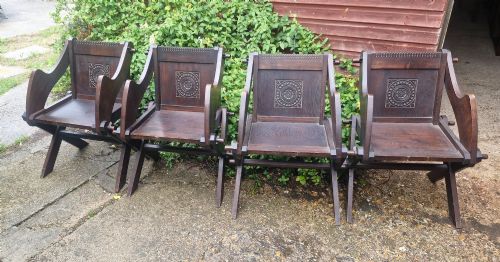
- Glastonbury Chair
- A distinct nineteenth-century armchair type with intersecting diagonal legs and a panelled back. They are typically constructed from oak or pitch pine.
Victorian Carved Wooden Frame: Frequently Asked Questions
Where should I hang a large carved wooden mirror?
These mirrors suit principal reception rooms or above a fireplace where the frame can anchor the room's proportions.
Ensure the wall structure supports the substantial weight of dense timbers like oak or walnut.
How do I care for nineteenth-century wood frames?
Dust the carved surfaces regularly with a soft, dry brush to prevent accumulation in the recesses of the relief work.
Avoid liquid polishes and keep the wood away from direct heat sources to prevent cracking.
Are these frames all from the Victorian period?
The listings encompass items created throughout the nineteenth century, including specific decades like eighteen-eighty and eighteen-ninety.
Stylistic influences range from Gothic Revival to French Renaissance variants.
What is the difference between a wall mirror and an overmantel mirror?
Wall mirrors are generally proportioned for standard wall hanging, whereas overmantel mirrors are wider and built to span fireplace surrounds.
Overmantel examples often feature more elaborate cresting and architectural detailing.