






Dark Wood Miniature Frame
A dark wood miniature frame is a small housing for intimate portraits or paintings that draws the eye straight to the concentrated detail within.
Dark Wood Miniature Frame
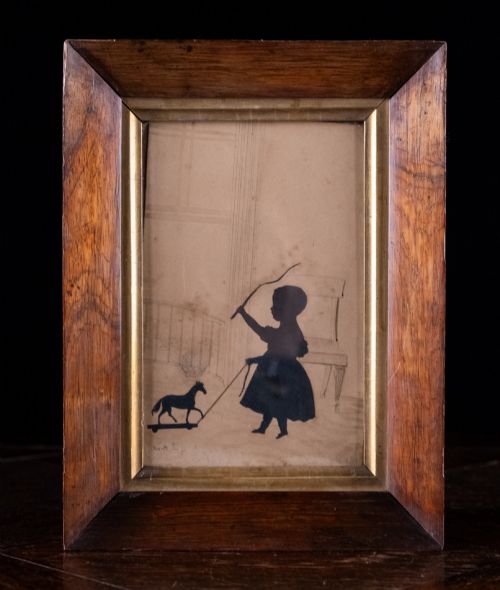
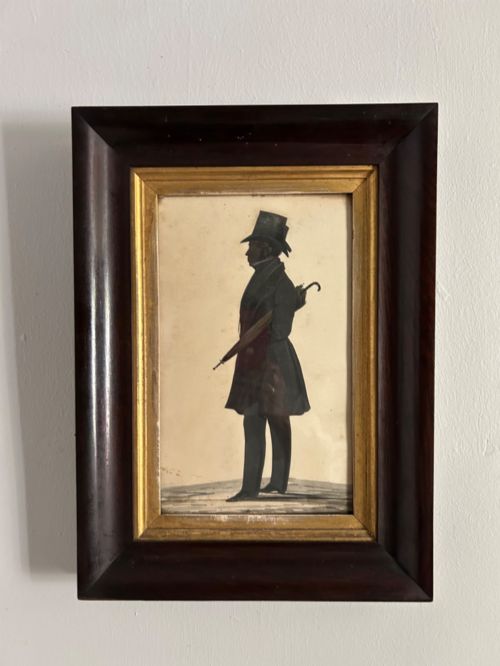
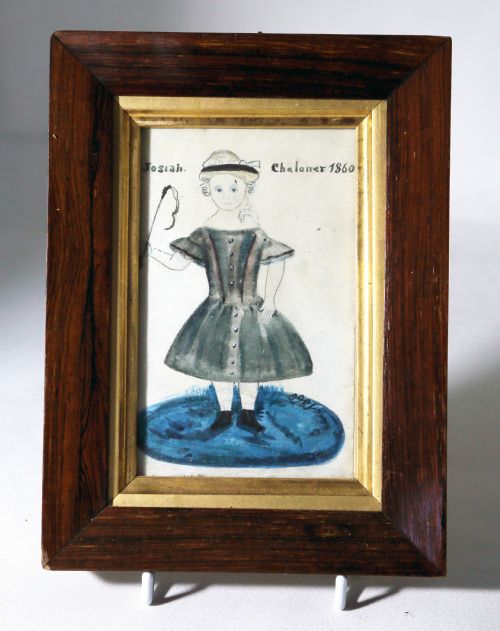
A dark wood miniature frame houses compact artworks such as silhouette portraits, miniature paintings, and small oil studies. When searching for a dark wood miniature frame, buyers encounter pieces enclosing cut paper silhouettes, gouache paintings, and delicate watercolours.
The selections span multiple eras, including the seventeenth century, Georgian period, and Victorian era, alongside specific regional forms like Mughal and Chinese works. These frames surround diverse subjects ranging from nineteenth century gentlemen to eighteenth century duchesses and still life flower studies.
Formats vary from simple rectangular housings to cruciform designs and intricately carved stands on table screens. Many pieces preserve historical records, with some items annotated on the rear with dates and the personal histories of the subjects.
Assessing quality and craftsmanship
Quality rests in the precision of the woodwork and the finesse of the enclosed artwork, whether an oil painted portrait or a meticulously cut silhouette. Superior examples combine harmonious proportions in the dark wood housing with accomplished execution in the painting or paperwork inside.
The presence of period documentation, such as rear annotations detailing the subject's history or attribution to recognised silhouette artists, elevates an item's historical interest. Sound preservation of both the frame's timber and the fragile media behind the glass distinguishes finer pieces from simpler decorative objects.
Current listings feature dark wood miniature frames enclosing eighteenth and nineteenth-century silhouettes, oil portraits, and botanical watercolours.
Augustin Edouart·Hubard Gallery·Skeolan
The Dark Wood Miniature Frame Glossary
- Silhouette
- A solid dark profile portrait, typically cut from black paper or painted in ink against a light background. This technique gained immense popularity during the eighteenth and nineteenth centuries.
- Gouache
- An opaque water-based paint that dries to a matte finish, allowing for rich colour application in small-scale paintings. It frequently appears in historical miniature portraits.
- Oil on copper
- A technique where the artist paints directly onto a prepared copper sheet, yielding a smooth surface that preserves fine detail. This method is often found in older portrait miniatures.
- Cruciform
- A cross-shaped architectural or decorative form adopted for certain specialised frames. It shapes the external outline of the housing to match specific artistic traditions.
Dark Wood Miniature Frame: Frequently Asked Questions
How should I display these frames at home?
Their compact size makes them suitable for grouping together on a wall or placing individually on mantelpieces and desks using small stands. Pairing multiple silhouettes or portraits creates a striking gallery effect in a small space.
Keep them away from direct sunlight to protect the fragile watercolours, inks, and paper inside from fading over time. Stable indoor humidity also helps preserve the integrity of the antique timber.
How do I tell an older frame from a newer one?
Examine the timber construction, the type of glass, and any backing materials used to secure the artwork within the housing. Older frames often display hand-finished wood surfaces and early joining methods.
Paper annotations, tax stamps, or handwritten historical notes on the reverse frequently provide clues to the age of the piece. Comparing the style of the enclosed portrait to known historical periods also aids dating.
Are silhouettes and portraits usually signed?
Many historical silhouettes and miniature paintings remain unsigned, as they were often produced by itinerant artists or commercial studios without personal branding. Some bear attribution to specific galleries or practitioners based on cutting style.
When signatures or rear annotations do appear, they frequently record the name of the subject and the date. This added documentation enhances the historical narrative of the object.