


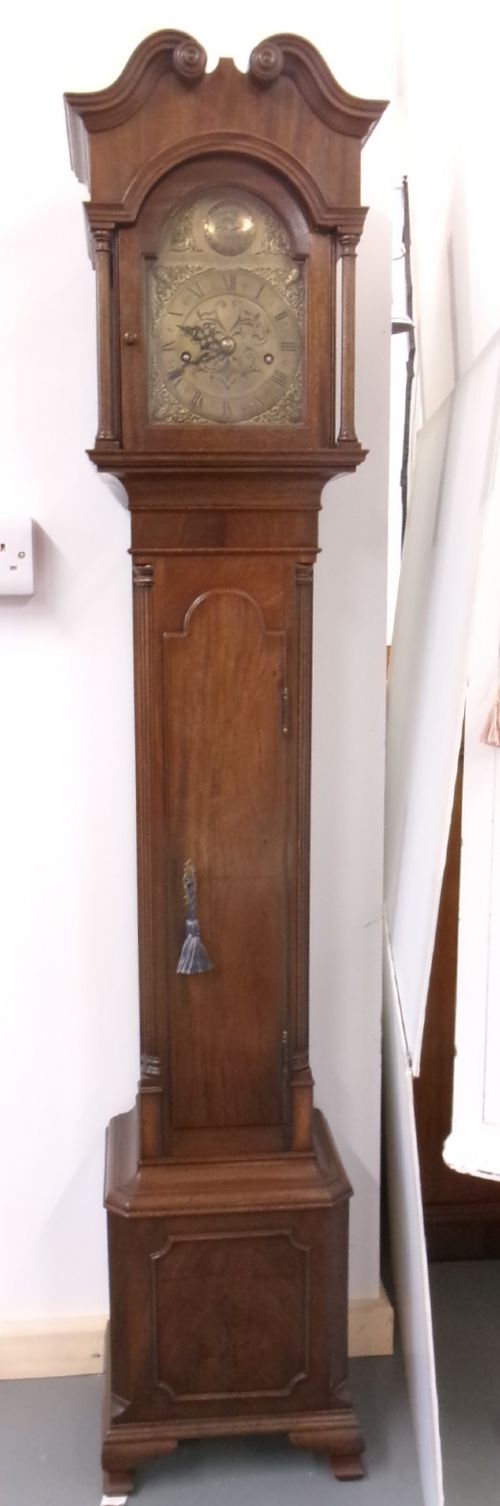

Victorian Carved Wooden Clock
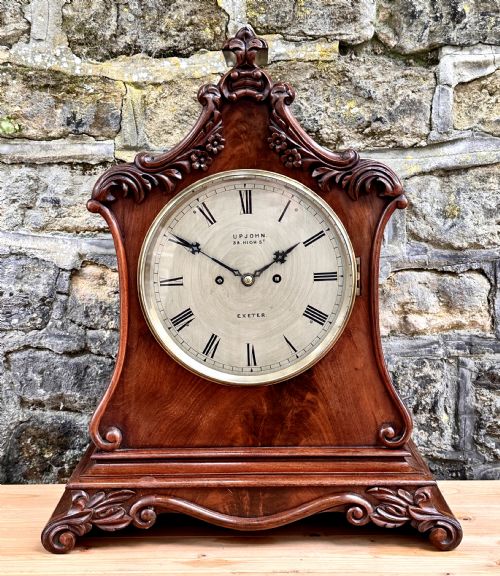
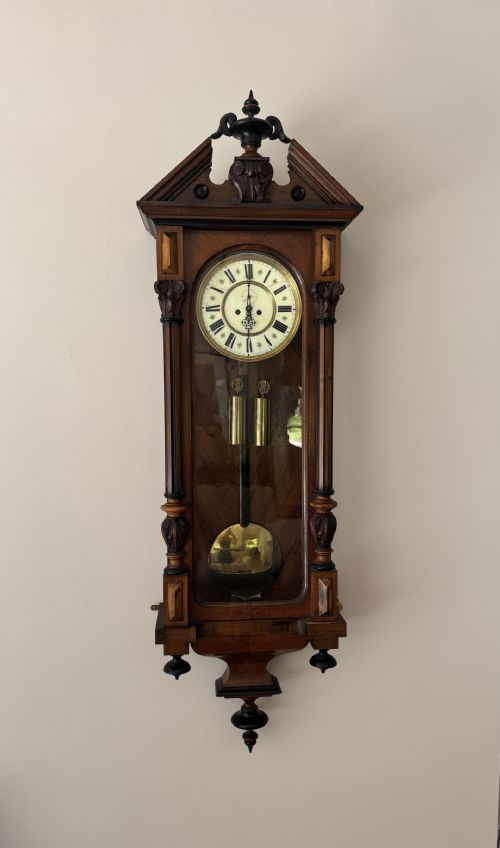
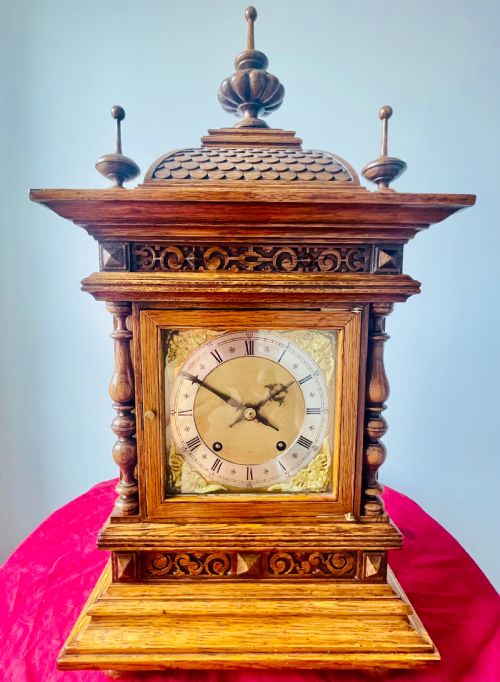
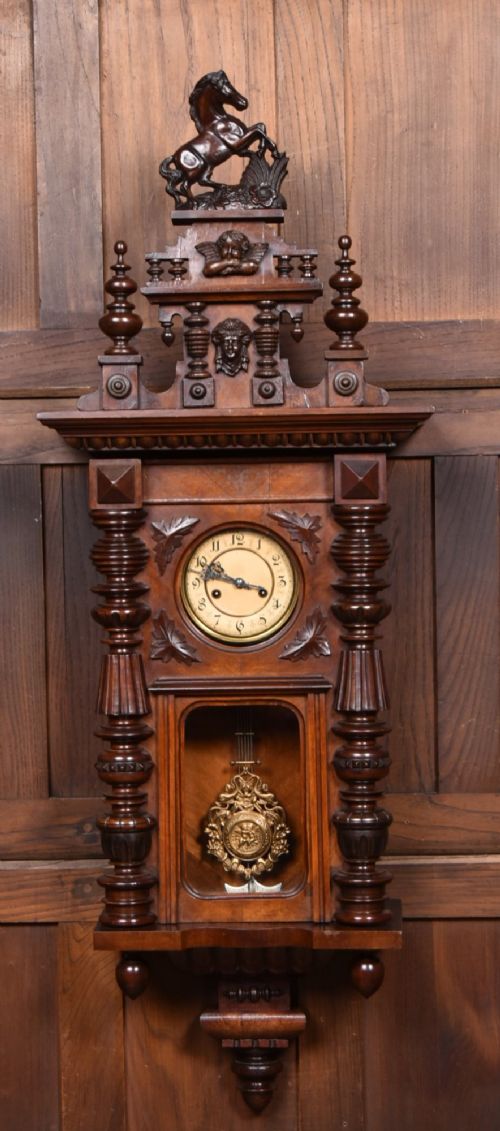
These pieces of a victorian carved wooden clock bring nineteenth-century craftsmanship into a modern interior.
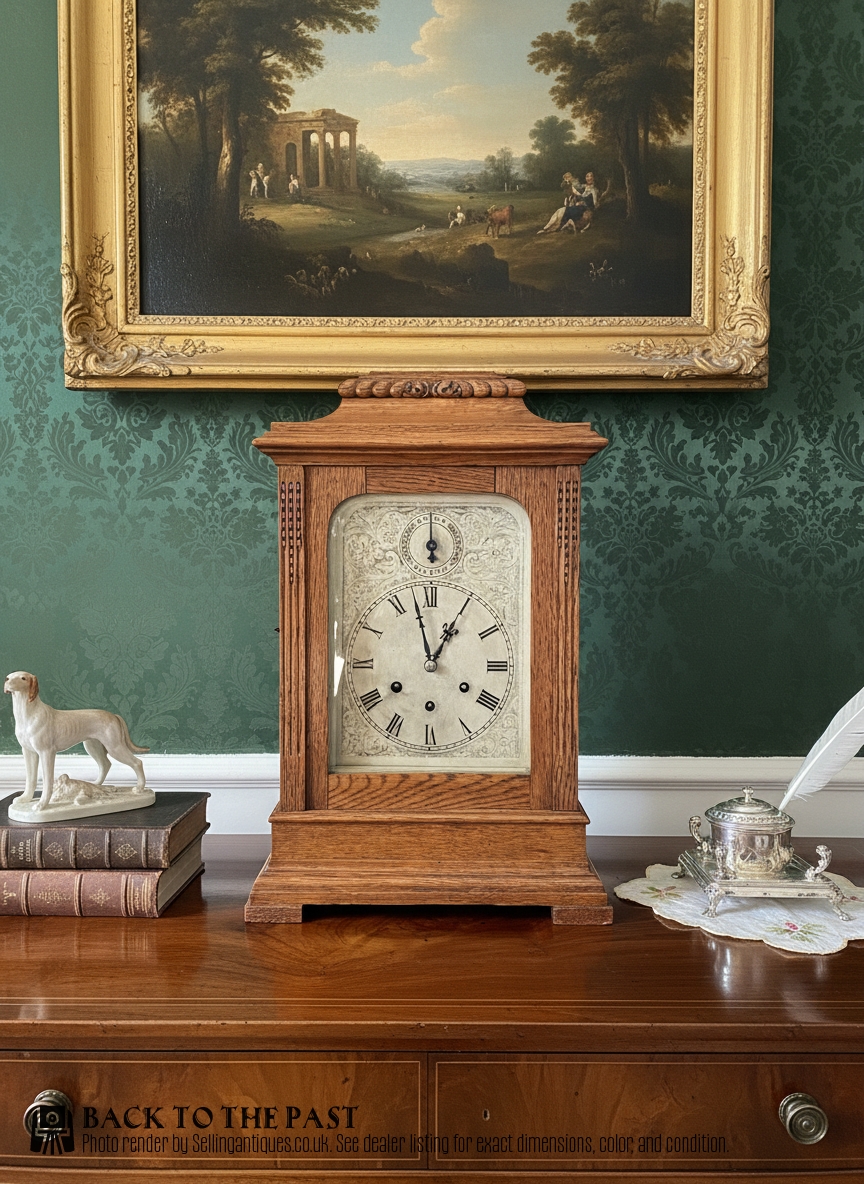
Victorian Carved Wooden Clock
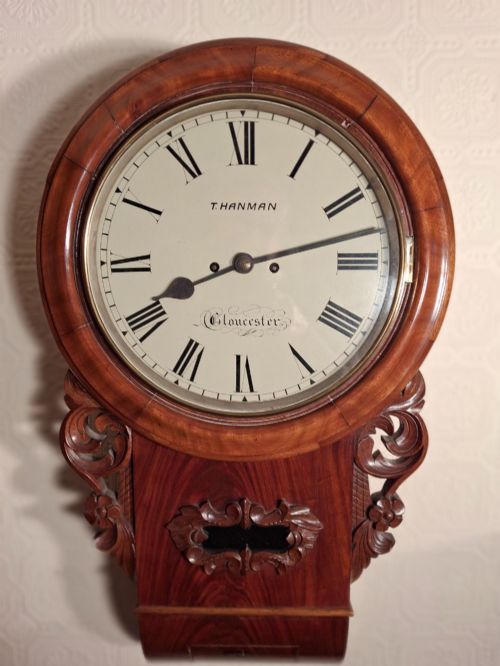
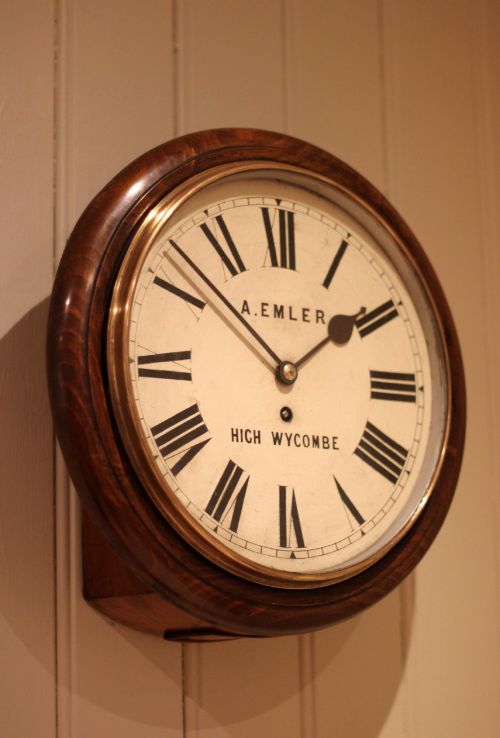
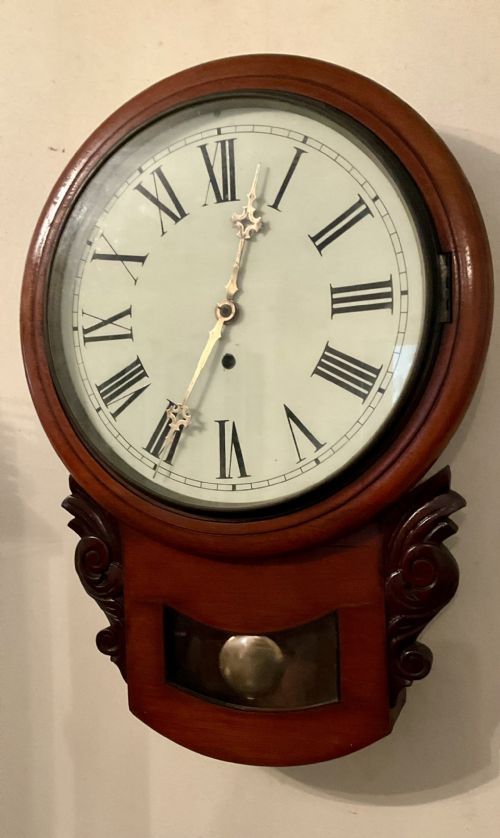
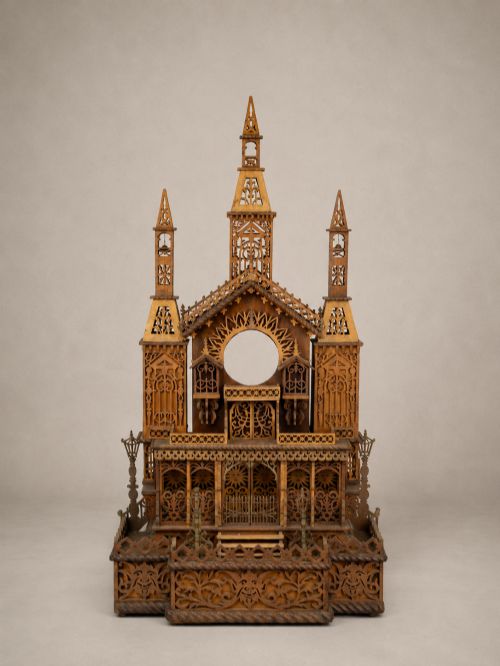
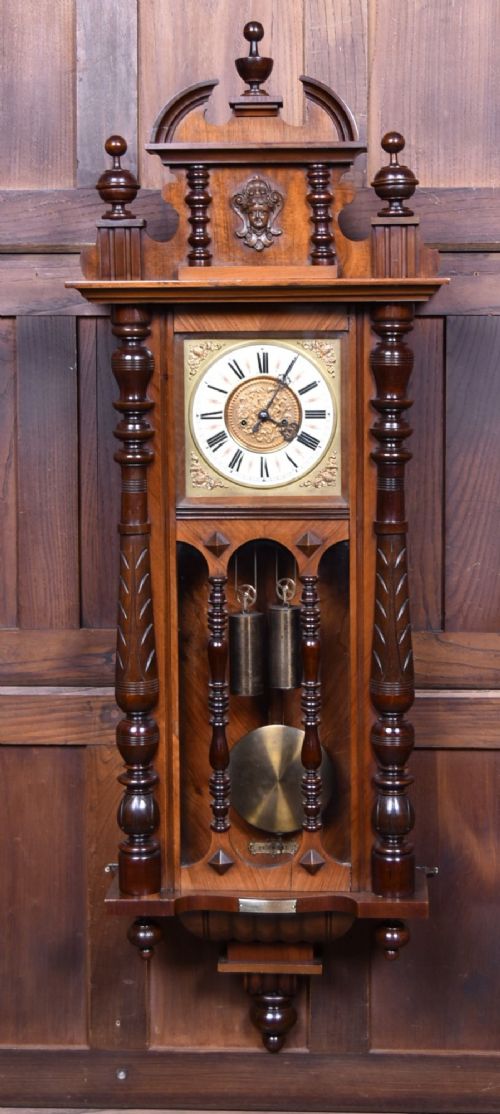
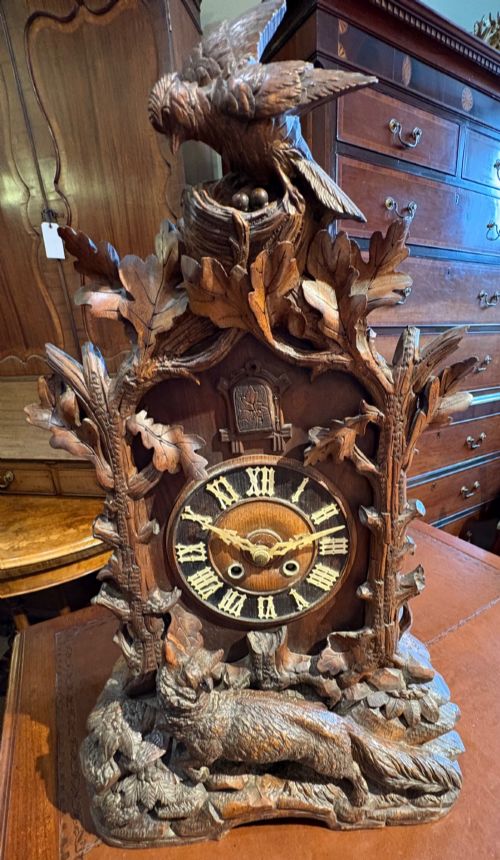
A victorian carved wooden clock comprises timepieces produced during the nineteenth century, spanning wall clocks, mantel clocks, and bracket clocks. The examples encountered on this page range from modest domestic timekeepers to architectural wall pieces and Black Forest carvings.
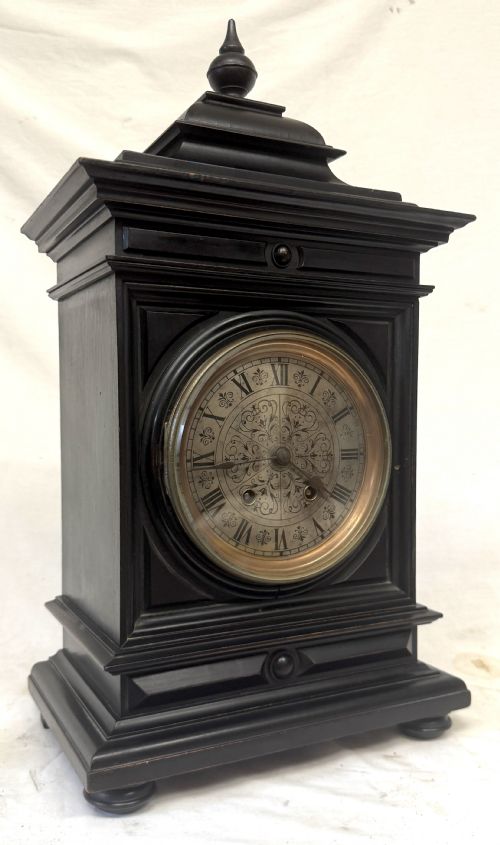
The materials recorded in these pieces include mahogany, walnut, oak, beech, and ebonised wood, often housing brass movements and enamel dials. Styles extend from straightforward Victorian designs to Gothic Revival and Swiss Black Forest variations.
Makers and origins noted in the evidence point to English, German, French, and Swiss workshops. A buyer searching for a victorian carved wooden clock encounters a mix of dial clocks, fusee movements, and striking mechanisms.
Materials and Construction
Makers constructed these clocks using dense hardwoods such as mahogany and walnut, alongside beech and linden wood for specialised carvings. Woodworkers shaped cases through hand-carving, fretwork, and ebonising techniques.
Movements relied on brass gear trains, enamel or silvered metal dials, and glass covers. Fusee movements and spring-driven or weight-driven systems powered the timekeeping, often paired with bells or gongs for striking hours.
Listings feature walnut, mahogany, and oak alongside specialised ebonised wood and brass components.
Evaluating Quality and Execution
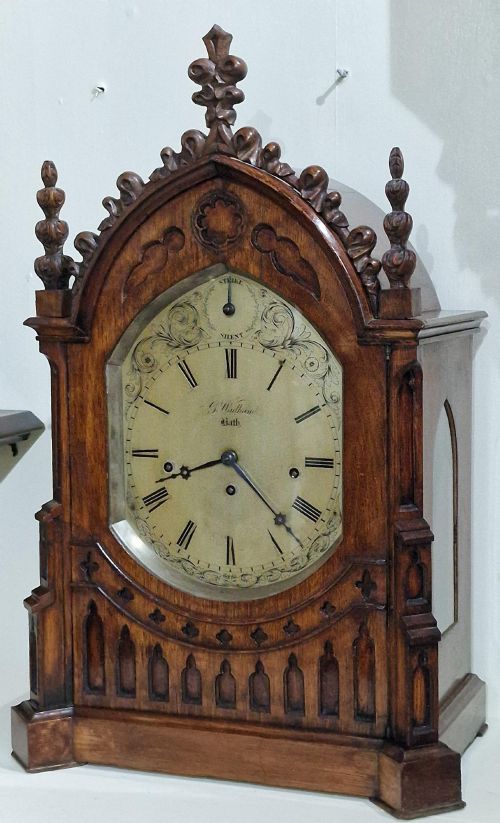
The distinction between standard and superior pieces rests upon the depth and crispness of the wood carving. Finely executed architectural mouldings and detailed foliage outclass plain, mass-produced cases.
Movement sophistication further separates examples. Twin fusee and triple fusee mechanisms, signed dials, and high-grade brass work represent superior workshop production compared to simpler movements.
George Wadham Bath·Winterhalder And Hofmeier·Webster Cornhill London·Mappin And Webb·Bergen And Co
The Victorian Carved Wooden Clock Glossary
- Fusee
- A conical pulley used in spring-driven clocks to maintain even power as the mainspring unwinds. This mechanism improves timekeeping accuracy across the duration of the wind.
- Bracket Clock
- A portable clock originally designed to sit on a wall bracket or table. These spring-driven pieces often feature intricate wooden cases and striking trains.
- Drop Dial
- A wall clock featuring a circular dial above an extended wooden trunk that houses the pendulum. This form became popular in public spaces and domestic halls during the nineteenth century.
- Ebonised Wood
- Timber treated with a dark finish to imitate ebony. Cabinet makers utilised this technique to create sharp contrast against lighter dial surrounds and brass fittings.
Victorian Carved Wooden Clock: Frequently Asked Questions
How do I wind a fusee clock?
Insert the key into the winding square on the dial and turn it gently in the direction indicated by the movement. Stop immediately when resistance increases to avoid damaging the spring.
Ensure you do not overwind the mechanism, as steady and deliberate turns preserve the brass teeth inside the case.
Where should I place a bracket clock?
Position your clock on a sturdy surface or a secure wall bracket away from direct sunlight and damp environments. Stable placement prevents vibrations that can disrupt the pendulum.
Keep the piece clear of temperature extremes from radiators to protect the wooden case and internal lubricants.
How do I identify a Black Forest clock?
Look for deep hand-carvings depicting foliage, animals, or rustic scenes executed in walnut or linden wood. These pieces often feature exposed wooden movement plates or distinctive cuckoo mechanisms.
Many originate from nineteenth-century Swiss and German workshops specialising in forest-themed woodwork.
What is the difference between a wall clock and a mantel clock?
Wall clocks are designed to hang securely from vertical surfaces and frequently incorporate drop dials or long pendulum trunks. Mantel clocks stand independently on flat surfaces like shelves or mantelpieces.
Both forms utilise wood cases but serve different spatial and decorative functions within a room.