


Vintage Oak Shelf Clock
These vintage oak shelf clock examples offer reliable timekeeping housed in handsome timber cases.
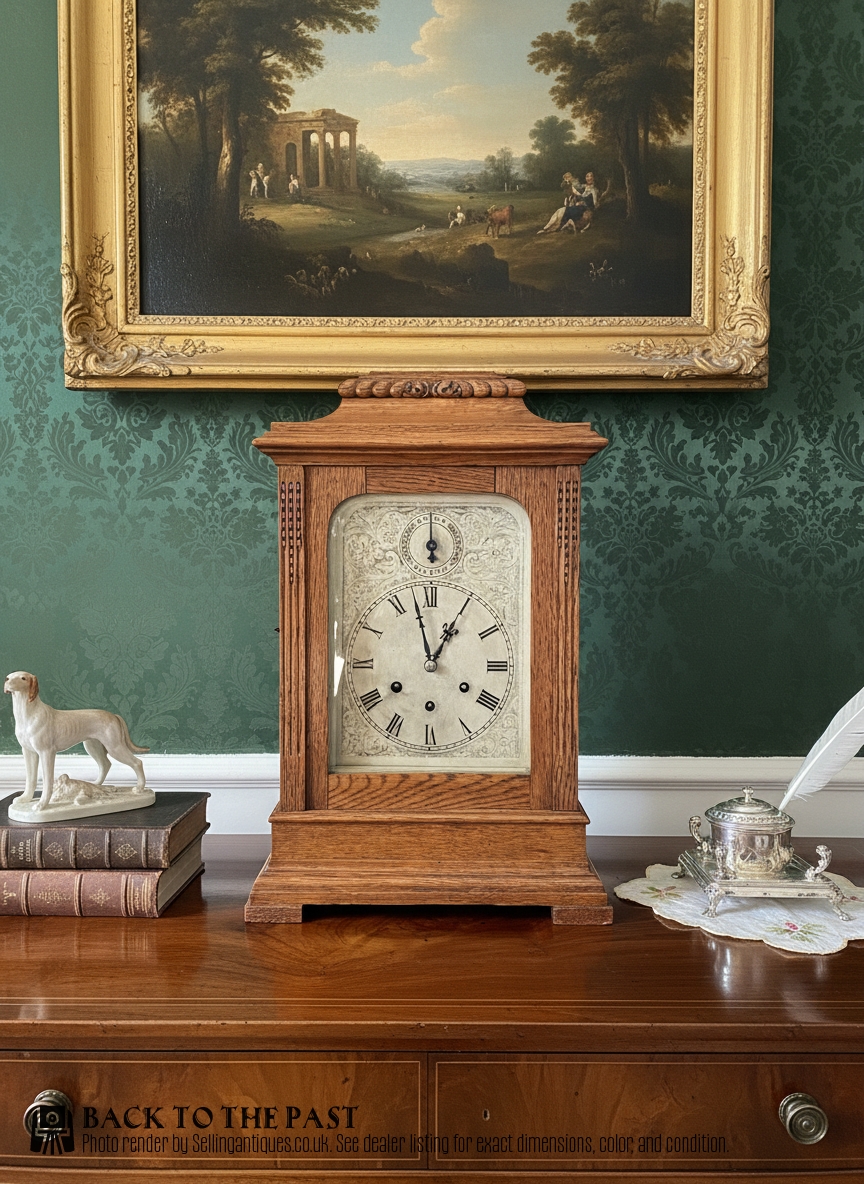
Vintage Oak Shelf Clock
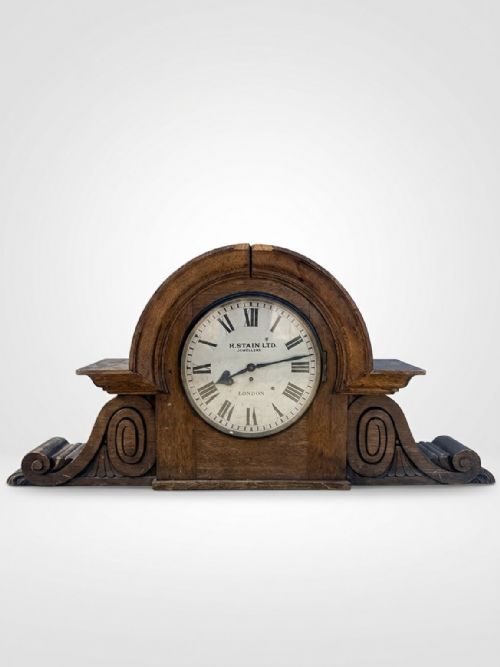
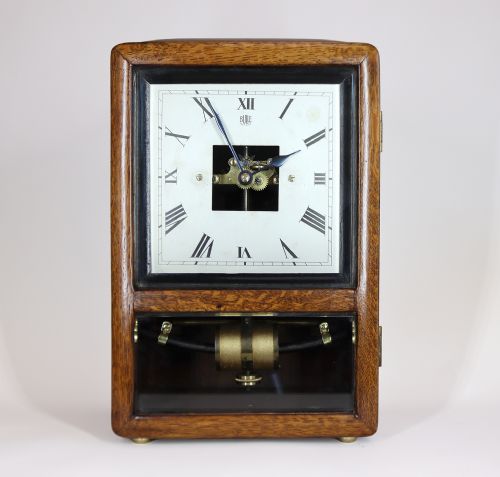
When you search for a vintage oak shelf clock, you encounter timepieces designed for domestic mantels and brackets, spanning periods from the nineteenth century through the mid-twentieth century.
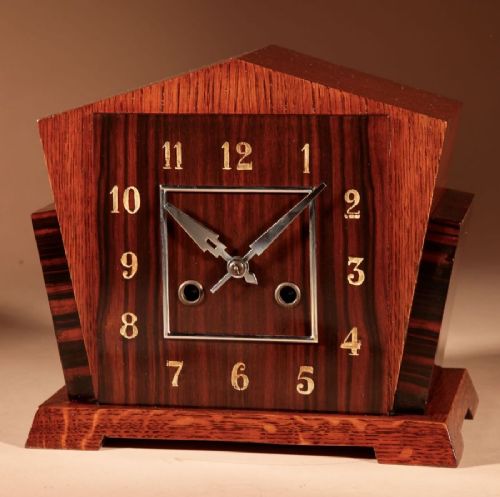
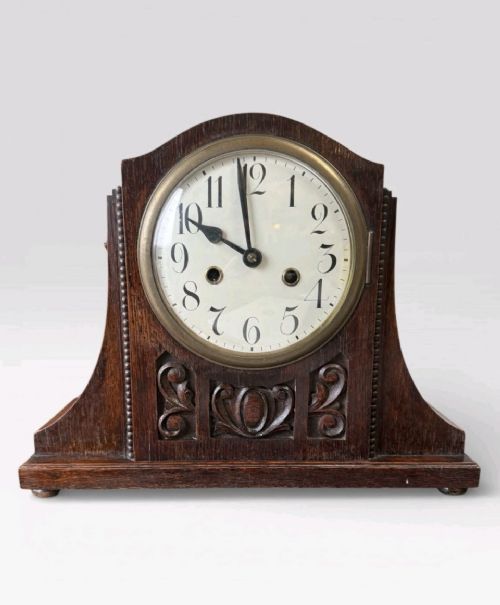
The selections on this page are predominantly mantel clocks and bracket clocks rendered in oak, reflecting styles such as Edwardian, Art Deco, and Amsterdam School.
You will most frequently meet pieces from the nineteen-twenties featuring mechanical movements, alongside Edwardian designs and earlier nineteenth-century examples.
How they were made
Casework relies on solid oak and pollard oak, frequently enhanced with contrasting timbers like macassar ebony and coromandel inlay, or subtle carving.
Dials incorporate brass, enamel, and glass components to protect the face, while mechanical movements drive the timekeeping and chime functions.
Listings span the nineteenth century, Edwardian era, and the nineteen-twenties and thirties, utilising oak alongside brass, glass, and enamel.
What varies in quality
Differentiation across the range rests on the complexity of the timberwork, such as geometric two-tone construction or intricate inlay work.
The sophistication of the movement, including Westminster chimes or twin fusee mechanisms by notable makers, elevates a piece above standard domestic timepieces.
Jas Whitelaw of Edinburgh·Pennington of Camberwell, London·DeLa Salle And Christie, London·Pfeilkreuz Junghans
The Vintage Oak Shelf Clock Glossary
- Bracket clock
- A portable clock originally designed to sit upon a wall bracket or shelf. These pieces typically feature mechanical movements and substantial wooden cases.
- Fusee
- A conical pulley used in mechanical clocks to maintain even tension on the drive chain as the mainspring unwinds. This mechanism improves timekeeping accuracy.
- Macassar ebony
- A dense tropical timber with distinctive dark brown and golden stripes. Makers used this material for contrasting inlay and geometric decoration on oak cases.
- Westminster chime
- A melodic four-note quarter-hour chime sequence historically associated with clock towers. Many twentieth-century mantel clocks incorporate this sound.
- Twin fusee
- A movement utilising two separate fusee chains, usually one for the time train and another for the striking train. This denotes superior mechanical construction.
Vintage Oak Shelf Clock: Frequently Asked Questions
How do I wind a mechanical shelf clock?
Mechanical shelf clocks require a key to tighten the mainsprings via the winding holes on the dial face. Care must be taken not to overwind the mechanism.
Different movements require winding at varying intervals, typically weekly or daily depending on the gear train configuration.
Where should I place a heavy oak clock?
These clocks need a stable, level surface such as a sturdy mantelpiece, shelf, or sideboard. A level foundation ensures the pendulum swings evenly.
Avoid placing timber cases in areas subject to direct sunlight or rapid temperature fluctuations to protect the wood and veneer.
How do I identify an Art Deco oak clock?
Art Deco examples feature geometric shapes, symmetrical lines, and contrasting timber tones like oak paired with macassar ebony. The dials often display stylised numerals.
These designs emerged predominantly during the nineteen-twenties and nineteen-thirties, moving away from ornate Edwardian carving.
What is a Westminster chime?
A Westminster chime is a specific musical sequence played on bells or gongs at each quarter hour. Clocks featuring this mechanism usually have multiple winding arbours on the dial.
This acoustic feature became popular in bracket and mantel clocks during the late nineteenth and early twentieth centuries.