
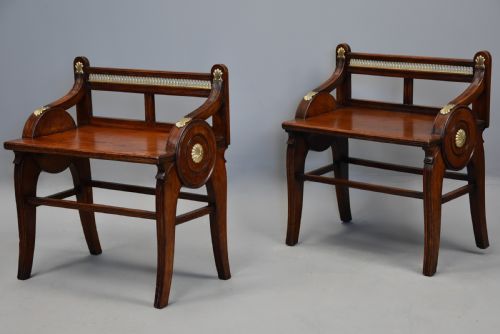


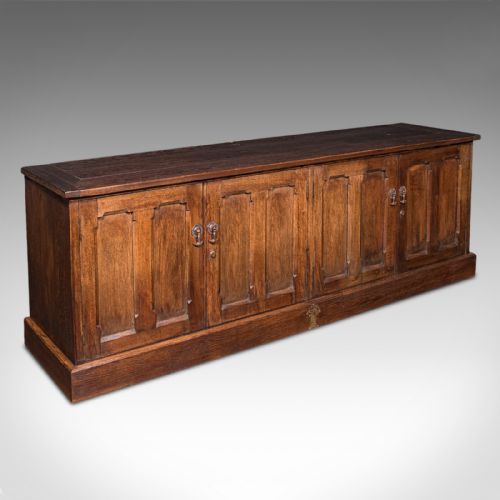
Victorian Carved Window Seat
A victorian carved window seat brings low, architectural seating into a room, offering a sturdy perch for bay windows and hallways alike.
Victorian Carved Window Seat
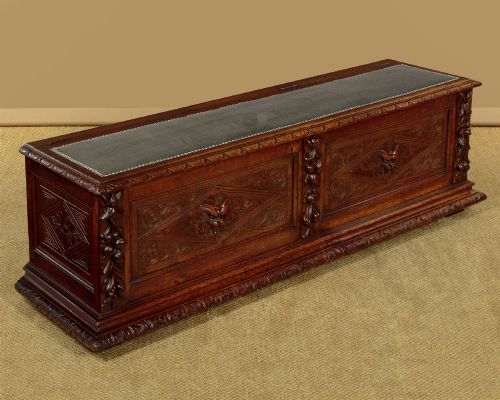
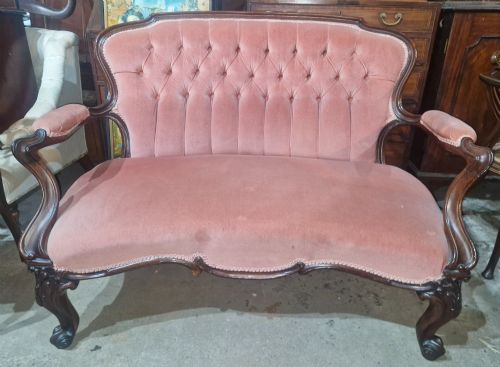
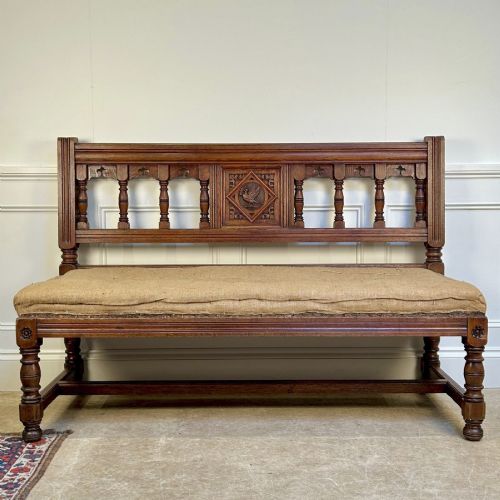
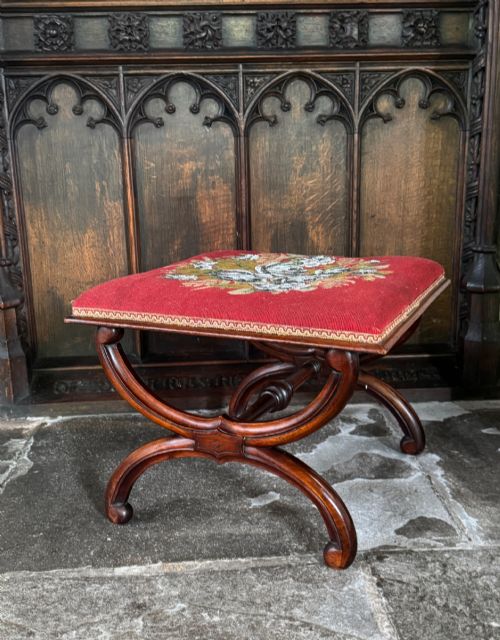
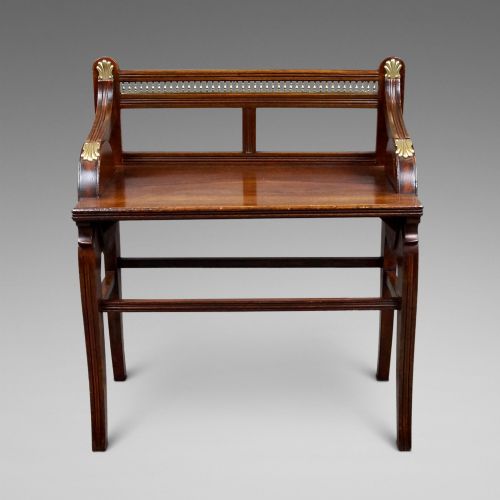
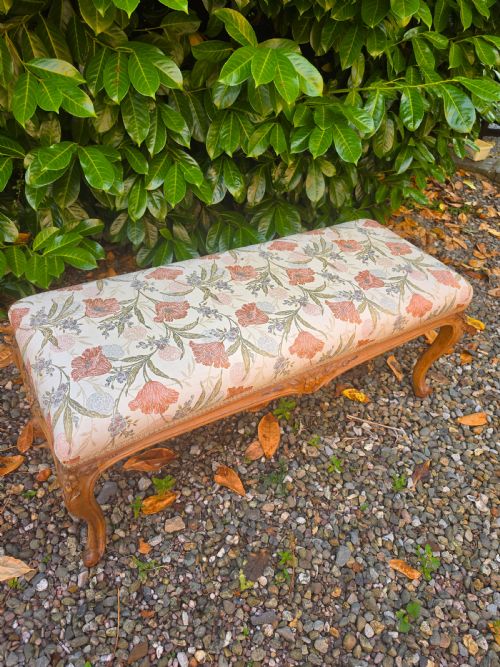
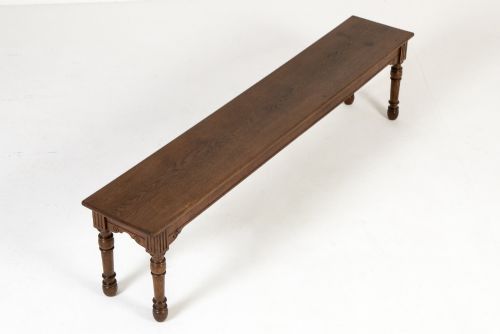
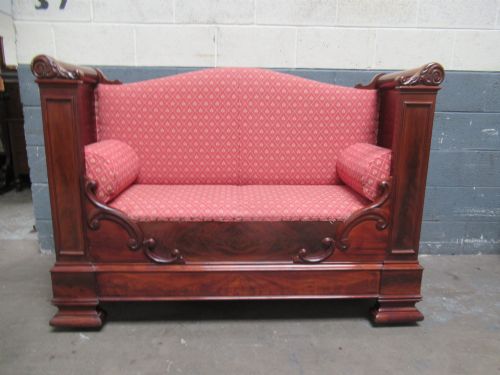
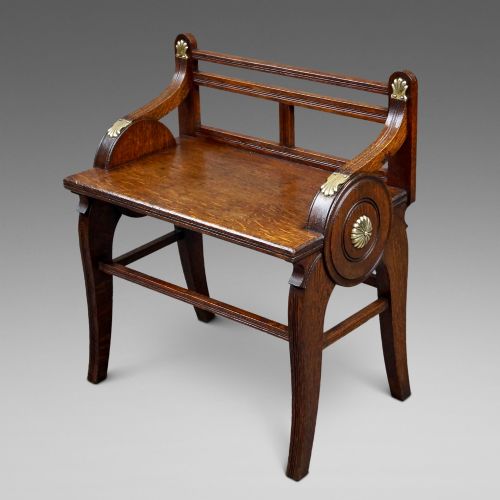
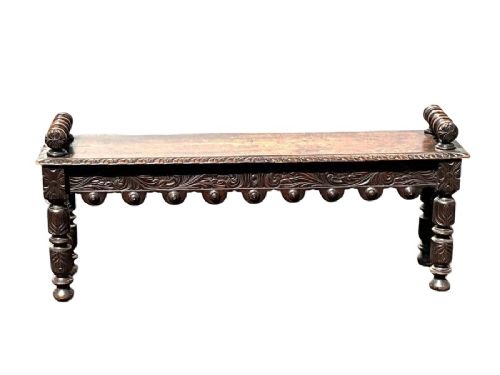
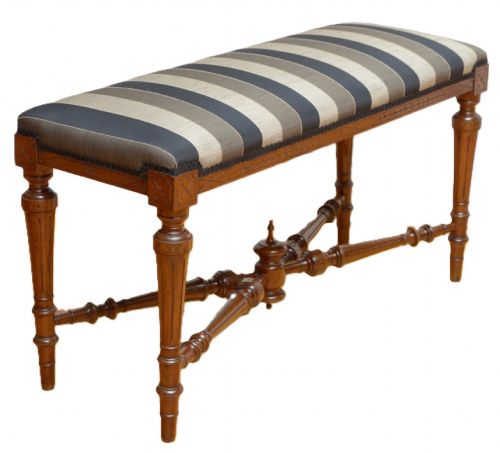
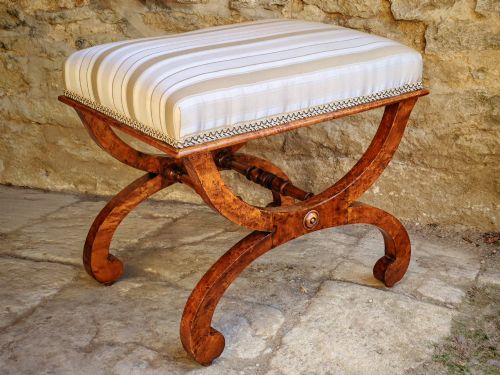
A victorian carved window seat spans diverse forms across the nineteenth century, appearing as long hall benches, X-frame stools, and box ottomans designed for domestic spaces.
The versions most commonly met combine sturdy timbers with traditional upholstery or solid wooden panels, often bearing the stylistic marks of Gothic Revival, Aesthetic Movement, or Arts and Crafts movements.
Materials and Technique
Makers shaped these frames from dense hardwoods like oak, walnut, mahogany, and rosewood, applying hand-carved relief work and turned supports directly to the structural timber.
Metal elements such as brass mountings and hinges provide functional hardware, while textile additions incorporate velvet, linen, and decorative beadwork into the seating surface.
Listings feature oak, walnut, mahogany, and rosewood alongside textiles including velvet, linen, and brass mountings.
Design and Execution
Quality rests in the depth and crispness of the hand-carved ornamentation, distinguishing master joinery from routine production.
The selection of timber, from figured burr maple to heavy golden oak, dictates the foundational substance and visual weight of the piece.
Gillows·James Shoolbred & Co·Jas Shoolbred
The Victorian Carved Window Seat Glossary
- X-frame stool
- A seat featuring intersecting diagonal supports forming an X shape when viewed from the side. This ancient structural form gained popularity during the Victorian period for portable or decorative seating.
- Gothic Revival
- An architectural and decorative style drawing on medieval ecclesiastical motifs. Pieces in this manner often display pointed arches, tracery, and heavy carved oak.
- Ottoman box seat
- A low bench incorporating a hinged lid and an internal storage compartment. These dual-purpose items combined upholstered comfort with practical household storage.
- Hall bench
- A long wooden seat intended for entranceways and corridors. They frequently incorporate panelled backs, arms, and storage compartments beneath the lid.
Victorian Carved Window Seat: Frequently Asked Questions
Where should a window seat be placed?
These pieces fit naturally beneath low windows or along narrow hallways where upright chairs would obstruct the path.
They also serve at the foot of a bed or function as standalone accent seating in a living room.
What woods were commonly used?
Oak appears frequently in heavier Gothic and Arts and Crafts designs, providing a robust and heavily grained structure.
Walnut, mahogany, and rosewood were selected for finer parlour seating, allowing for smooth polished finishes and intricate carved details.
How do I identify a Gothic Revival piece?
Gothic Revival items feature architectural motifs borrowed from medieval stone buildings, including pointed arches and quatrefoil patterns.
The woodwork on these examples is typically solid oak, displaying dark finishes and deep relief carvings.
Were these seats originally upholstered?
Many examples were manufactured with padded tops covered in velvet, textile, or leather, while others functioned purely as carved wooden benches.
Upholstered variants often included horsehair stuffing and decorative buttoning or brass trimming.