




Victorian Carved Overmantel Mirror
When you search for a victorian carved overmantel mirror, you find grand architectural statement pieces designed to sit above a fireplace and bounce light around a room.
Victorian Carved Overmantel Mirror
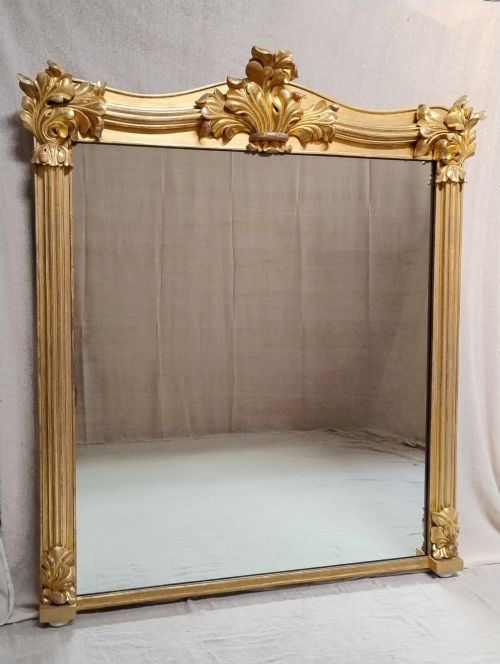
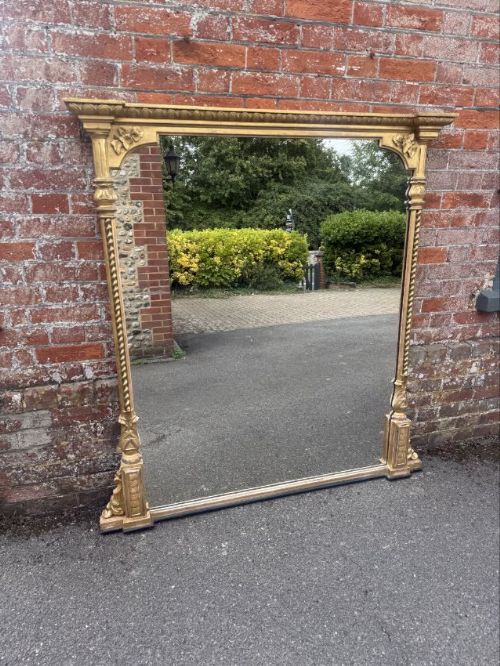
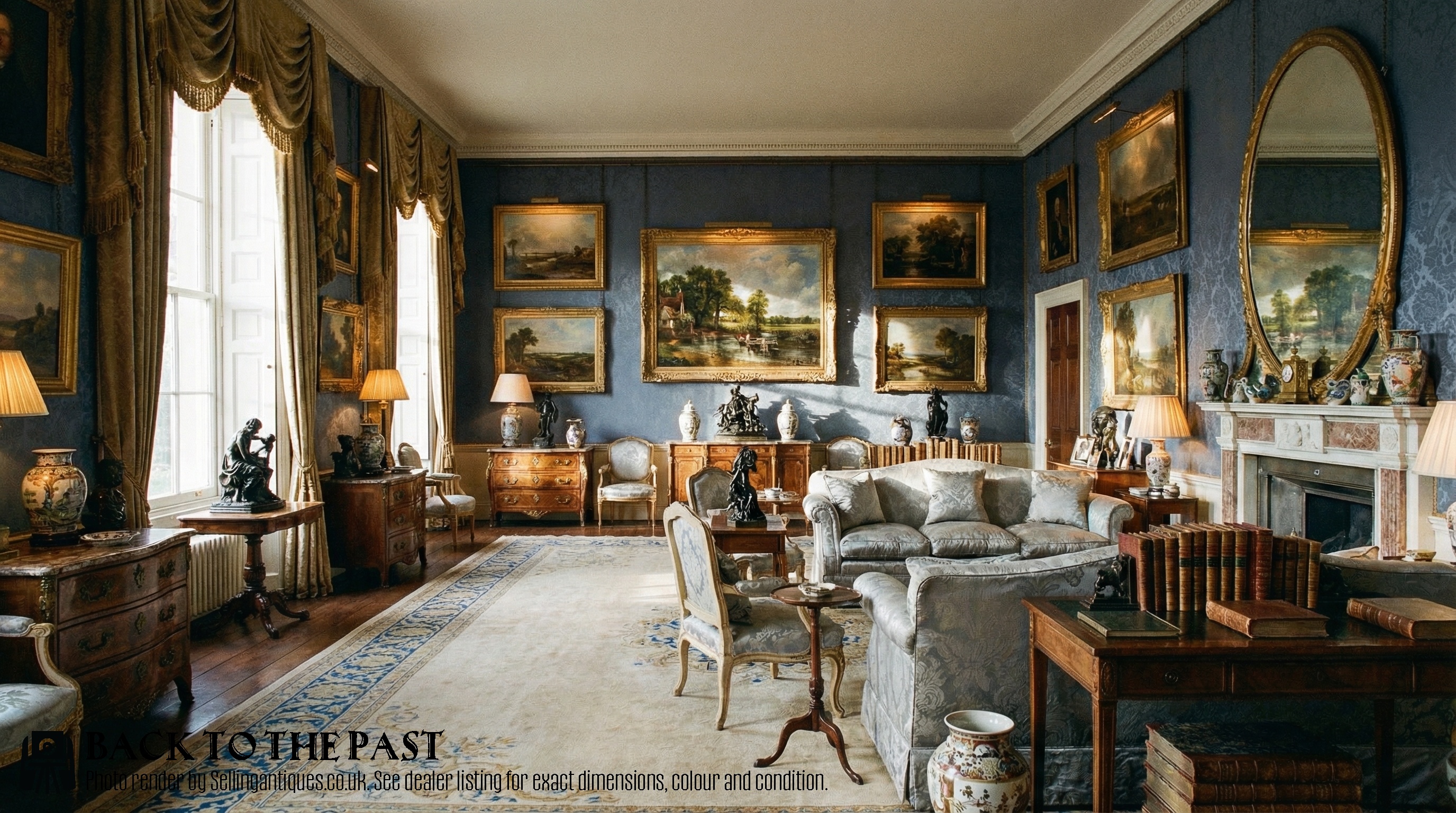
A victorian carved overmantel mirror is a substantial wall glass designed specifically to anchor the chimney breast in a period reception room. These large-scale items reflect natural light and visually expand the proportions of drawing rooms and parlours.
Most examples found here date from the nineteenth century, spanning decades from eighteen fifty to eighteen ninety. They appear in both English and French regional traditions, often taking generous proportions that demand high ceilings.
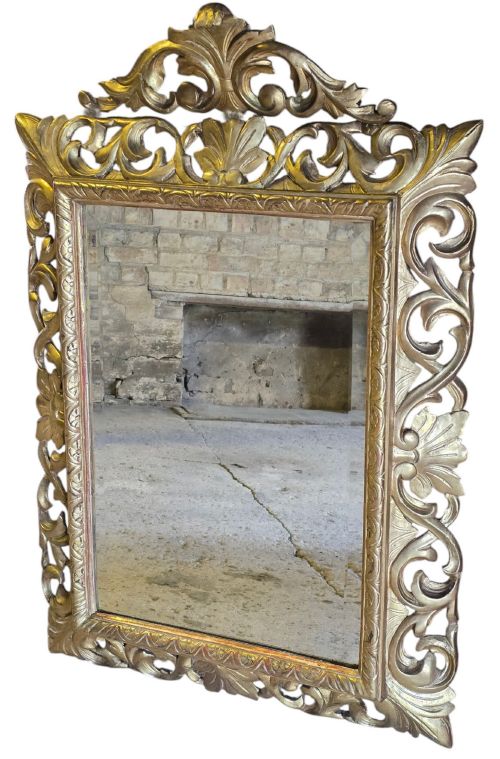
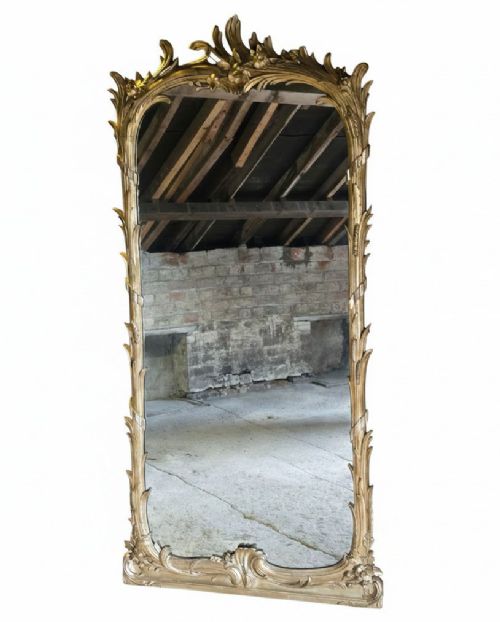
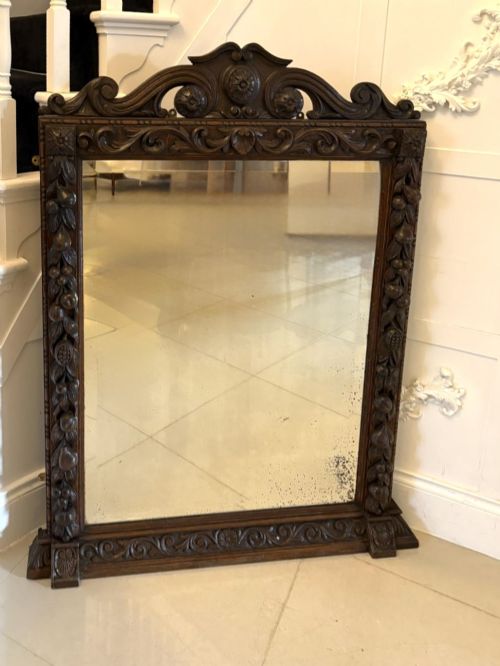
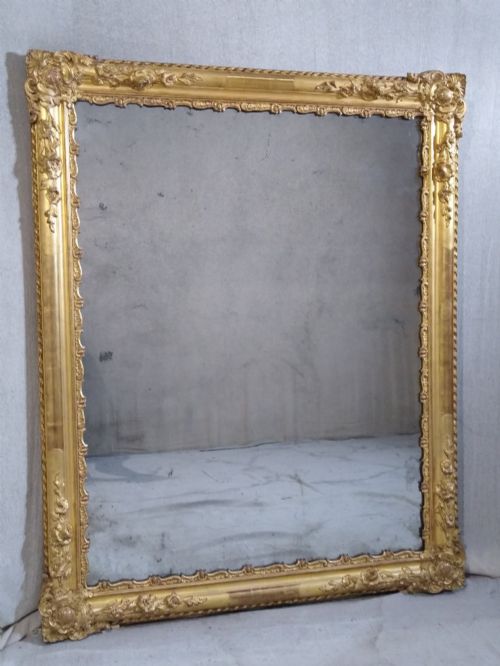
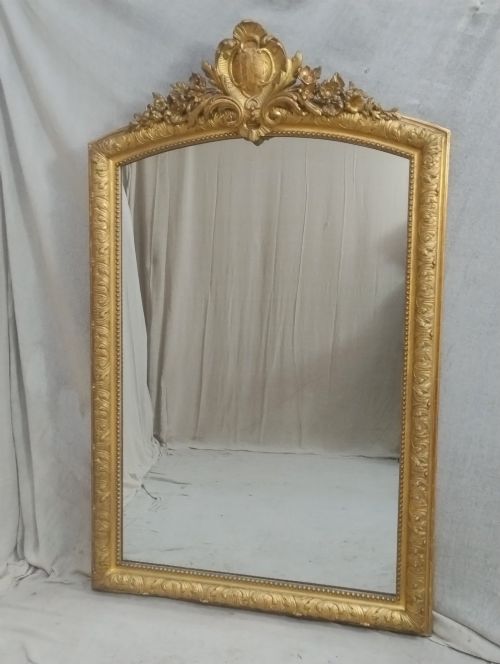
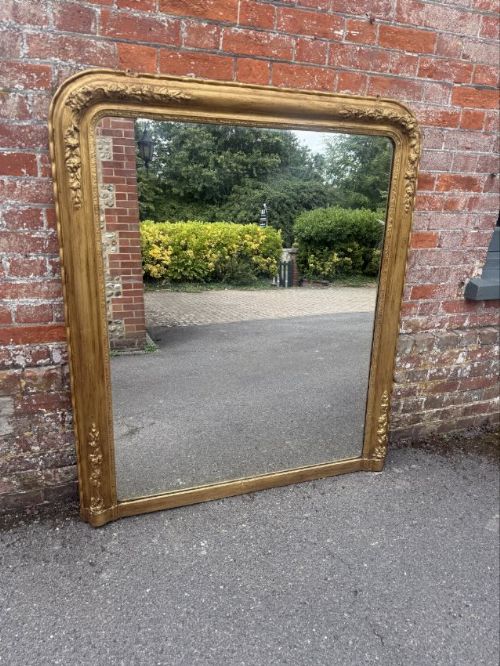
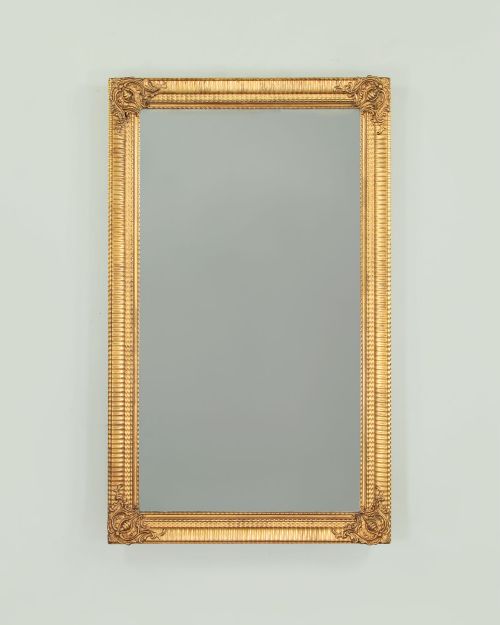
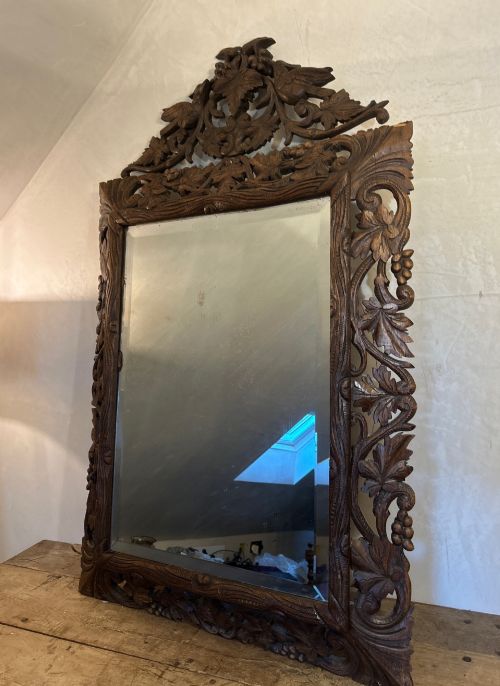
The dominant forms are architectural and ornamental, featuring arched tops, rectangular plates, and occasionally triple plate configurations. Walnut and oak framing sit alongside heavily gilded surfaces designed to catch the eye from across the room.
Materials and Construction
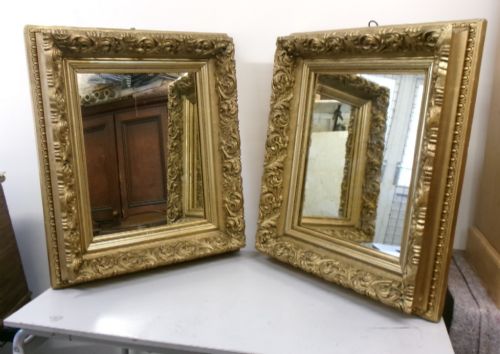
Makers built the structural carcases using dense timbers like oak and walnut, overlaid with gesso and composition ornament where intricate relief work was required. Wood carving provided the foundational depth, complemented by applied plaster mouldings for floral and scroll details.
Gilding techniques involved the application of gold leaf or paint over prepared grounds to create a luminous metallic sheen. Mirror glass was set securely within the heavy rebated frames, sometimes supported by internal wooden battens to manage the considerable weight.
Current listings feature nineteenth-century pieces incorporating oak, walnut, gesso, and giltwood materials across various architectural forms.
Assessing Quality and Execution
The distinction between ordinary and exceptional pieces lies in the crispness of the hand carving and the depth of the gesso relief. Superior examples exhibit fluid acanthus scrolls and clean architectural mouldings rather than soft, indistinct cast ornamentation.
Original mercury or silvered mirror plates show distinct patination and age spots that indicate period authenticity. The structural integrity of the heavy wooden frame joints ultimately determines how well the glass remains supported over decades.
The Victorian Carved Overmantel Mirror Glossary
- Overmantel
- A large mirror or decorative panel designed to hang specifically on the wall directly above a fireplace mantelpiece. These pieces were standard fixtures in nineteenth-century domestic interiors.
- Gesso
- A plaster-like mixture applied to wood frames to provide a smooth surface for gilding or deep relief moulding. It allows carvers to achieve fine decorative detail.
- Giltwood
- Timber that has been coated with thin sheets of gold leaf or gold paint to give a rich metallic finish. It reflects candlelight and daylight effectively.
- Rococo Revival
- A nineteenth-century decorative style inspired by eighteenth-century French rococo, characterised by asymmetrical scrolls, C-scrolls, and naturalistic floral motifs. This style heavily influenced mirror frame designs.
- Pier Glass
- A tall mirror designed to hang on the narrow pier of wall space between two windows. They share construction techniques with large mantel glasses.
Victorian Carved Overmantel Mirror: Frequently Asked Questions
Did these mirrors always live above fireplaces?
While designed primarily for the chimney breast, many nineteenth-century examples also functioned as pier mirrors between windows. Their substantial scale allowed them to anchor large wall spaces in formal reception rooms.
Leaner versions were often placed directly on top of mantelpieces without wall fixings, resting against the plaster while secured by their own gravity.
How do I clean the antique glass?
Original mirror plates require gentle maintenance to preserve the silvering and prevent moisture damage behind the glass. Use a soft, dry cloth to remove dust rather than heavy liquid cleaners.
Avoid spraying water or cleaning solutions directly onto the glass edges, as liquid can seep behind the plate and degrade the historic backing over time.
What is the difference between oak and gilt frames?
Oak frames showcase the natural grain and dark warmth of the timber, aligning with more rustic or Gothic Victorian interiors. They rely entirely on physical wood carving for their visual impact.
Gilt frames use applied gesso and gold leaf to create reflective surfaces that brighten darker rooms. They belong to more formal decorative traditions such as the Rococo Revival style.