




Painted Wood Overmantel Mirror
A painted wood overmantel mirror brings proportion and reflected light to a chimney breast, combining architectural presence with decorative surface finish.
Painted Wood Overmantel Mirror
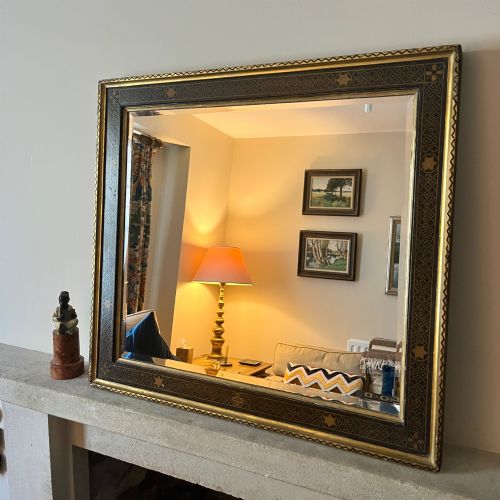
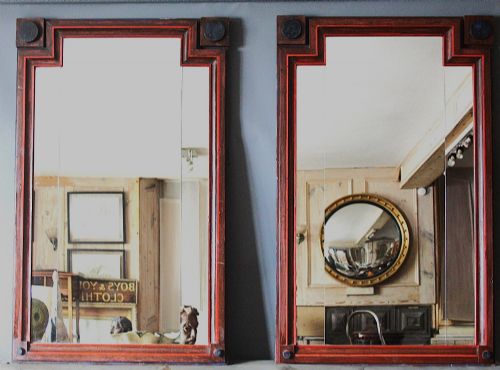
A painted wood overmantel mirror is designed specifically to sit above a fireplace mantel, anchoring the wall space below a ceiling and above the hearth. These large horizontal or vertical wall glasses appear predominantly in nineteenth-century English and French examples, spanning periods from the eighteenth century through the Edwardian era.
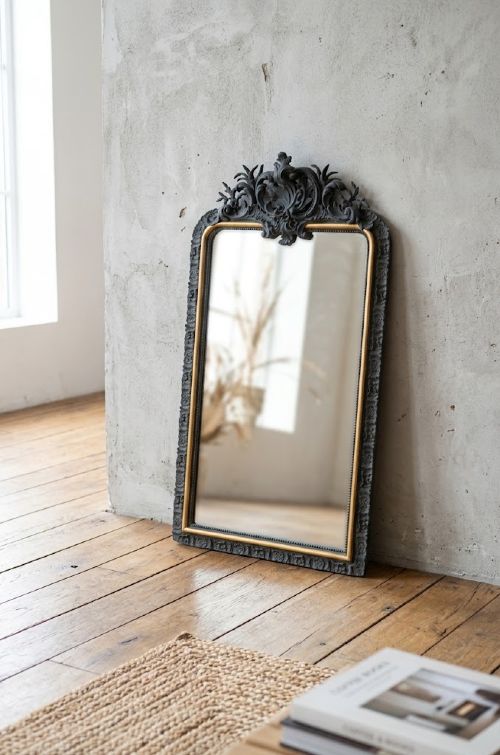
The domestic interior relies on these pieces to bounce daylight around a room while adding formal weight to a chimney breast. Most pieces found here belong to the Victorian period, frequently showing carved wood and gesso construction finished in paint, parcel-gilt, or distressed monochrome tones.
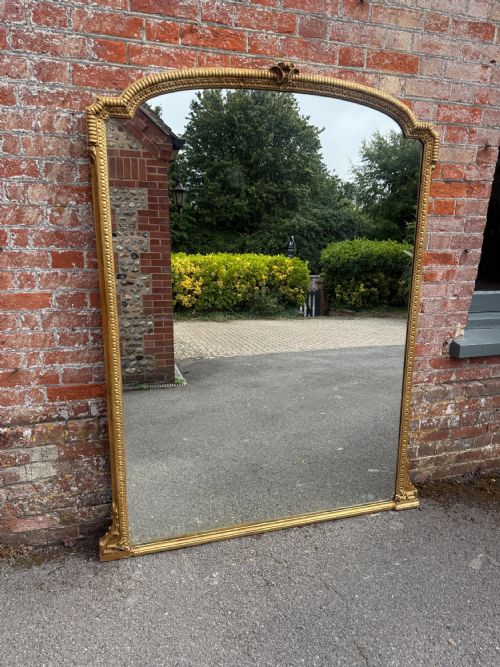
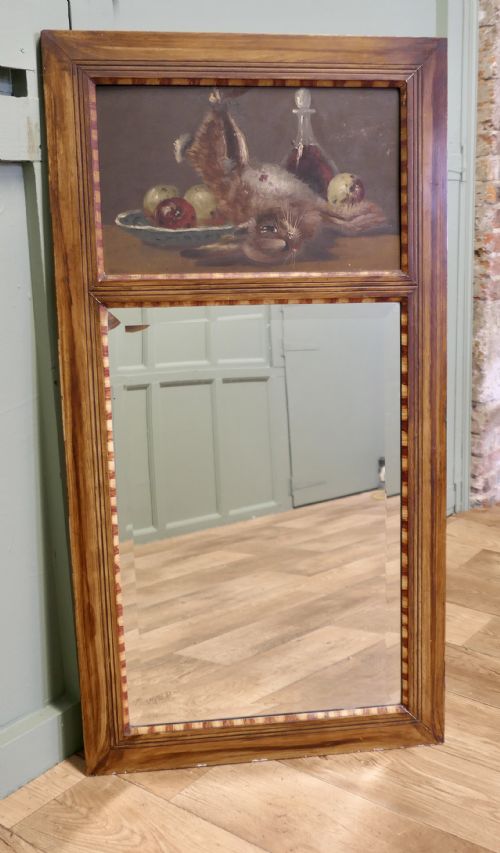
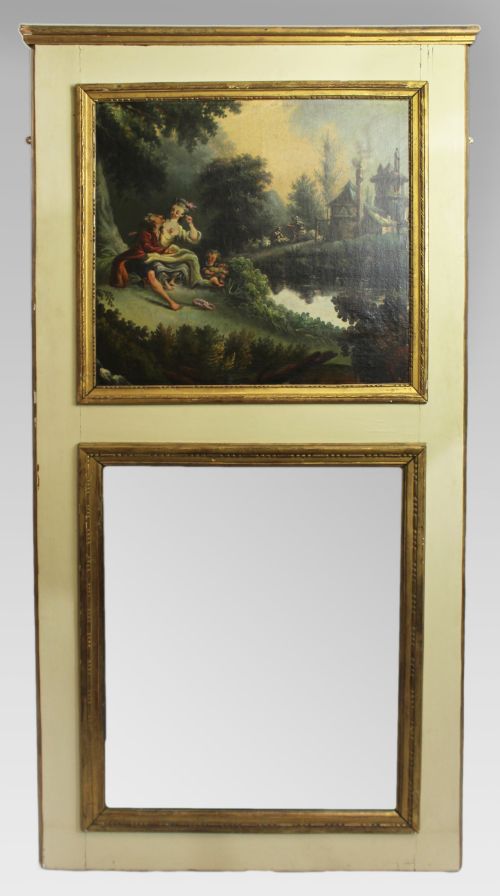
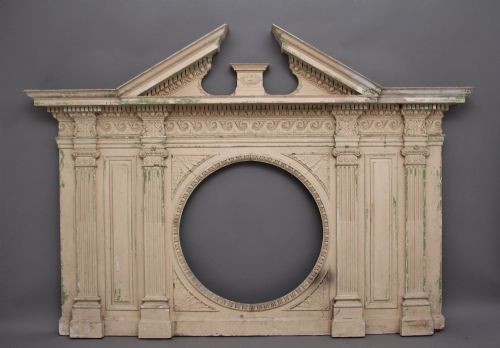
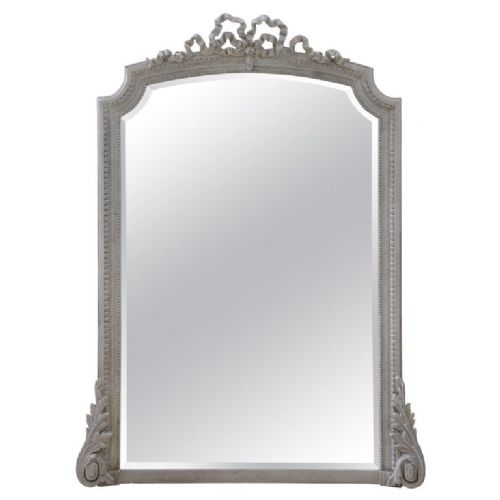
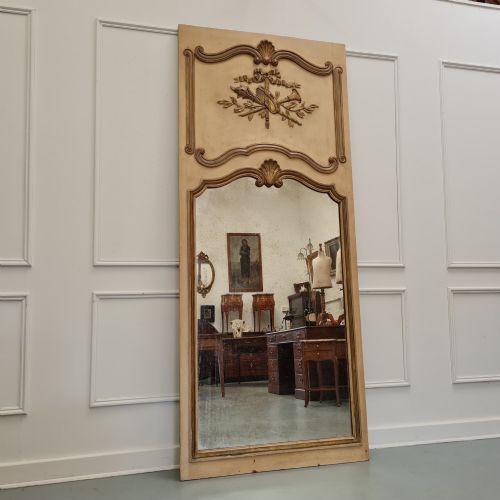
Makers often shaped the upper frames into arches, scrolls, or shaped tops to match the architectural joinery of period reception rooms. Trumeau variants occasionally incorporate pastoral oil paintings or decorative panels directly above the mirror glass.
How They Were Made
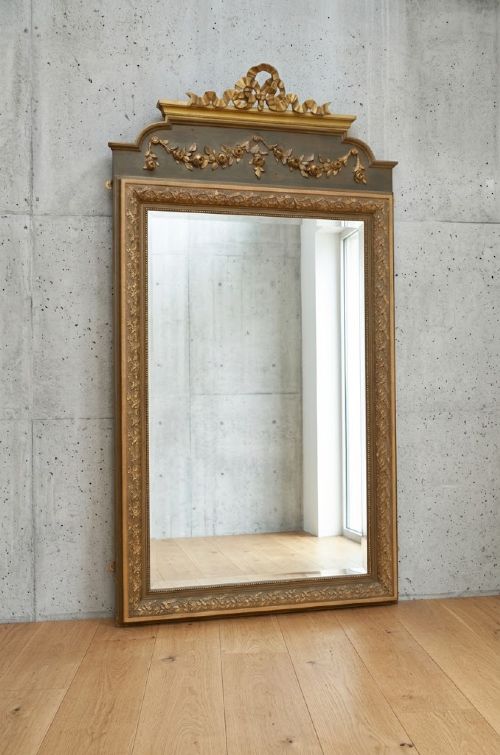
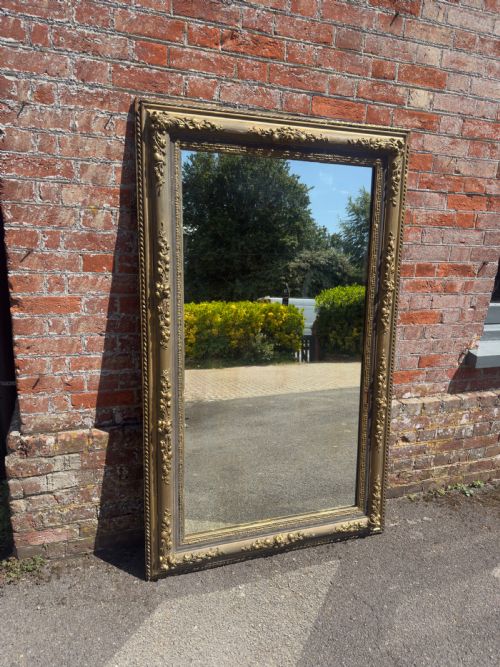
Frames rely on solid wood substrates, typically pine or carved timber, built to support heavy glass plates. Craftsmen applied layers of gesso over the wood base to build up relief ornamentation such as ribbing, scrolls, and floral motifs before applying paint or gold leaf.
Surface finishes involved oil paints, distemper, or water gilding, often layered so that subsequent ages revealed hints of underlying gold or bare gesso through distressed patination. Mirror glass was historically silvered or mercury-backed, fitted in single large sheets or multi-plate configurations.
Listings feature eighteenth-century pine pieces alongside nineteenth-century French and English designs in gesso, giltwood, and painted wood.
What Varies in Quality
The depth and crispness of the hand-carved wood and gesso ornamentation separate standard joinery from superior artisan work. Intricate mouldings, ribbon crests, and well-proportioned architectural framing demand higher skill than simple flat timber surrounds.
Originality of the surface finish and mirror glass dictates the character of the piece. Surviving early paint layers, intact original gilding, and period mirror plates with natural foxing hold greater integrity than modern re-paintings or replaced glass.
The Painted Wood Overmantel Mirror Glossary
- Overmantel
- A large mirror or panel designed to be hung specifically on the wall directly above a fireplace mantelpiece. These frames often match the scale of the hearth below.
- Gesso
- A plaster-like mixture applied to wood frames to create a smooth surface for painting or gilding. It accepts fine carving and moulding details before finishing.
- Trumeau
- A decorative wall mirror or panel containing an oil painting or decorative artwork set into the upper section of the frame. Originating in French interiors, these pieces combine art and mirror glass.
- Parcel-gilt
- A decorative technique where only specific raised portions or details of a painted frame are highlighted with gold leaf. This creates contrast against the primary painted wood surface.
- Pier glass
- A tall, narrow mirror designed to hang on the wall pier between two windows. They reflect additional light into darker architectural spaces.
Painted Wood Overmantel Mirror: Frequently Asked Questions
How do I hang a heavy overmantel mirror?
These large mirrors require heavy-duty fixings secured directly into the masonry or studs of the chimney breast. Professional mirror fixings or French cleats distribute the substantial weight safely along the wall.
Because nineteenth-century frames incorporate dense wood and thick gesso, checking the structural integrity of the hanging loops on the rear of the frame is essential before installation.
Where should an overmantel mirror be placed?
Position the mirror centrally on the wall directly above the fireplace mantelpiece, allowing a balanced gap between the bottom of the frame and the shelf. This placement traditionally reflects natural light from opposing windows across the room.
While designed primarily for chimney breasts, such frames also work effectively on expansive dining room walls where horizontal proportions can anchor surrounding furniture.
What is a trumeau mirror?
A trumeau mirror is a distinct French wall mirror featuring an integrated decorative panel or oil painting positioned above the glass. These pieces served as permanent architectural fittings in period salons.
The upper artwork often depicts pastoral scenes or classical motifs, making the frame both a functional looking-glass and a primary decorative artwork.
How do I care for antique painted wood?
Dust the carved frame gently with a dry, soft brush to protect fragile gesso and aged paint layers from moisture damage. Avoid modern chemical sprays or abrasive cleaners that strip historic finishes.
Preserving original patination means accepting minor surface wear, chips, and foxing on the glass as authentic evidence of age rather than defects requiring restoration.