
Victorian Carved Leg Table
A victorian carved leg table brings solid timber, sculptural detail and practical surface space into a room through dining, console and side table forms.
Victorian Carved Leg Table
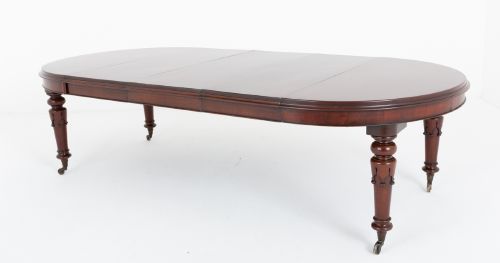
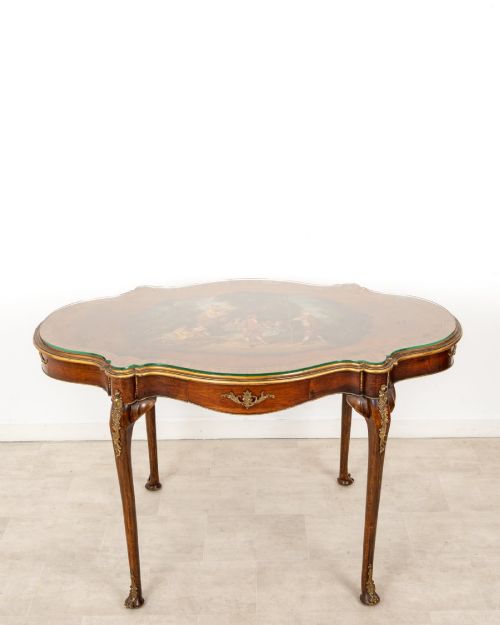
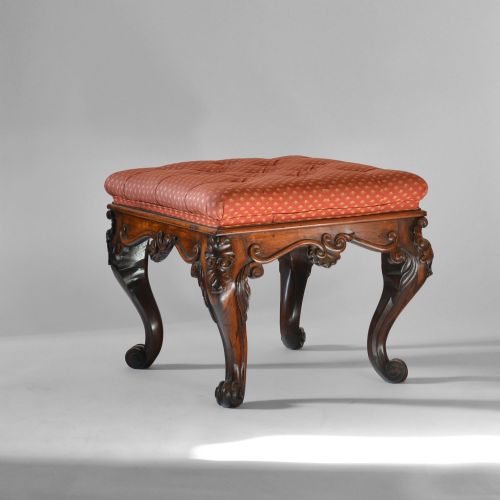
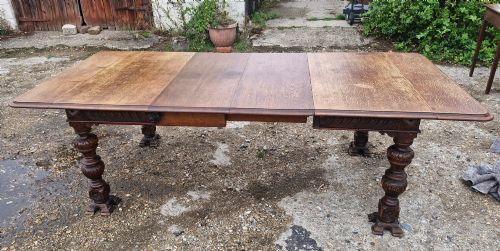
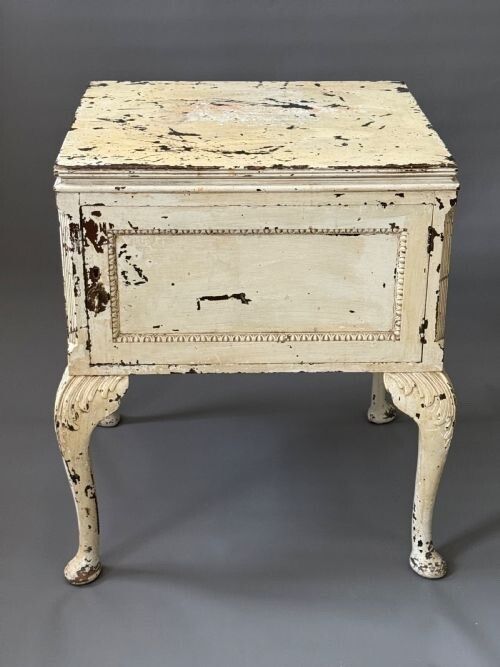
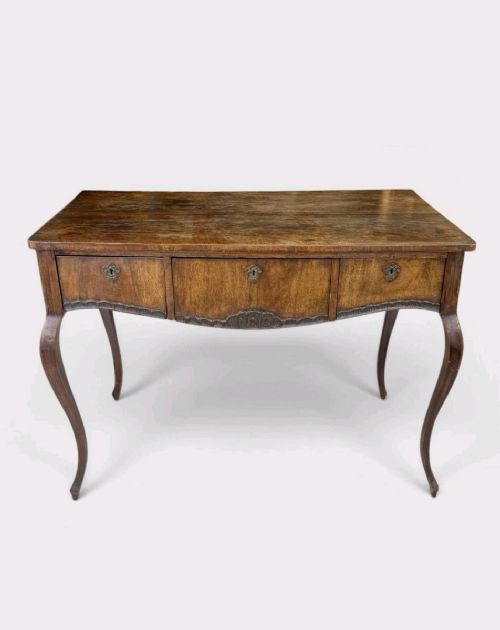
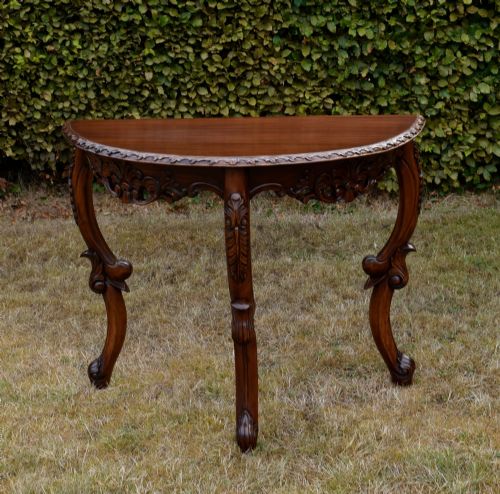
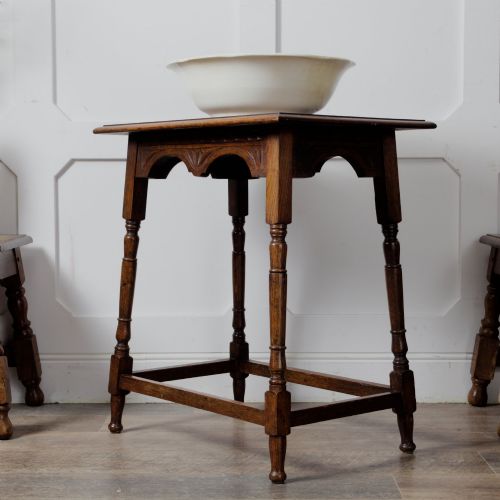
A victorian carved leg table encompasses an array of domestic timber forms produced primarily during the nineteenth century, including extending dining tables, side tables, and occasional pieces. Walnut, mahogany, and oak appear frequently alongside specific revivals like Chippendale and Queen Anne.
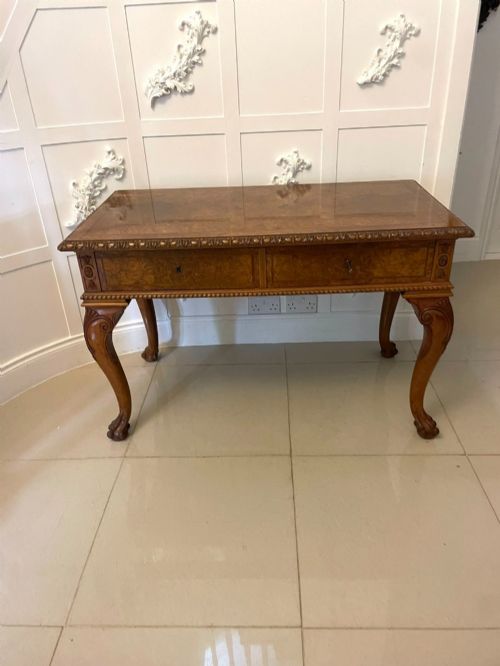
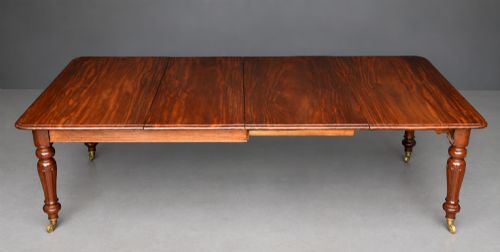
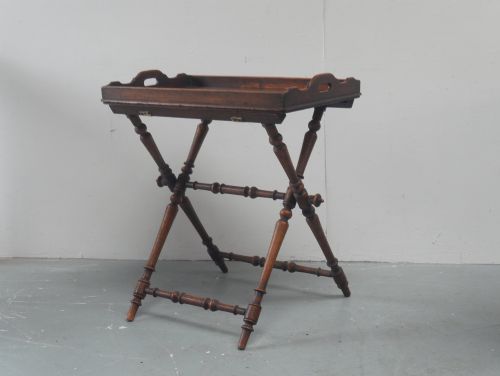
Buyers seeking a victorian carved leg table will regularly encounter side and occasional formats alongside extending dining designs and console pieces. These examples span early Victorian production through to late nineteenth-century walnut and oak creations.
Materials and Construction
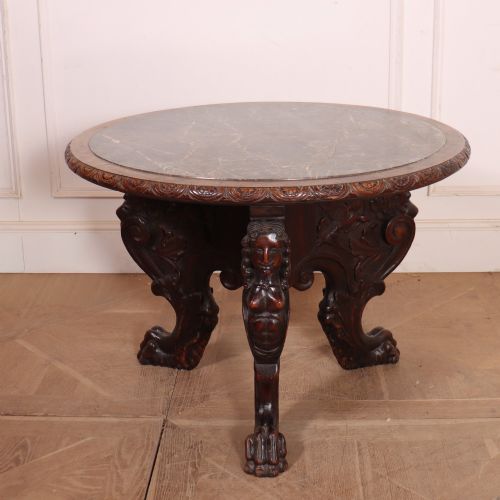
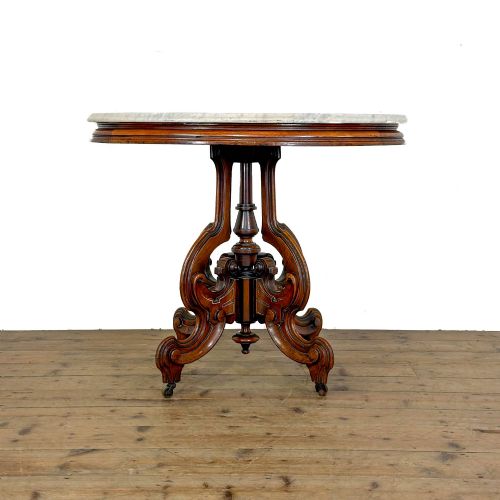
Makers utilised dense hardwoods such as mahogany, walnut, and oak for structural stability and surface durability, often incorporating burr veneers or marble inserts. Brass hardware and leather inserts supplement the primary timber frames.
Joinery techniques combine traditional framing with hand-carved decorative elements applied to turned legs, cabriole supports, and stretchers. Finish layers of polish protect the wood while accentuating natural grain patterns.
The archive reveals numerous gateleg and tilt-top mechanisms among the recorded Victorian tables.
Judging Quality
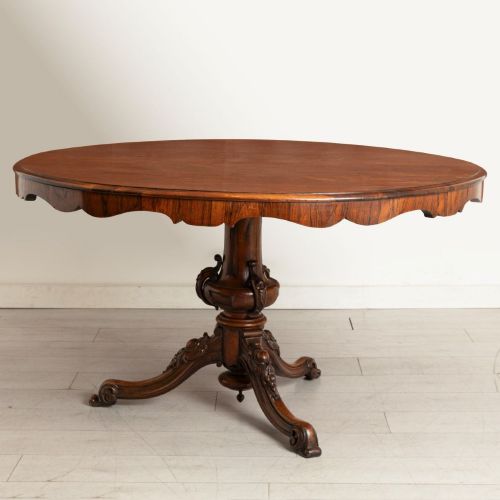
Depth and crispness of hand-carving distinguish standard production from superior examples, particularly where floral motifs, acanthus leaves, or capitals adorn the legs. Timber selection also dictates grade, with figured burr walnut and dense mahogany representing higher tiers.
Structural integrity relies upon the weight and seasoning of the primary wood, visible in the stability of extending mechanisms, tilt-tops, and joint construction. Secondary timbers used in drawer linings and internal framing reflect the original workshop standards.
The Victorian Carved Leg Table Glossary
- Cabriole leg
- A furniture leg that curves out and then in, resembling an animal's leg, commonly found on Victorian and revival seating and tables. This shape terminates in various foot styles such as pad or scroll forms.
- Console table
- A table designed to stand against a wall, frequently secured with brackets or supported by front carved legs. These pieces often serve hallway or drawing room functions.
- Sutherland table
- A narrow drop-leaf table featuring folding flaps supported by swing legs on each side. The design allows the piece to collapse into a compact footprint when not in use.
- Tripod table
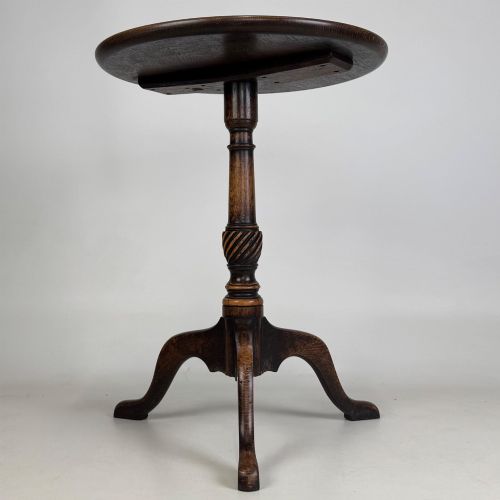
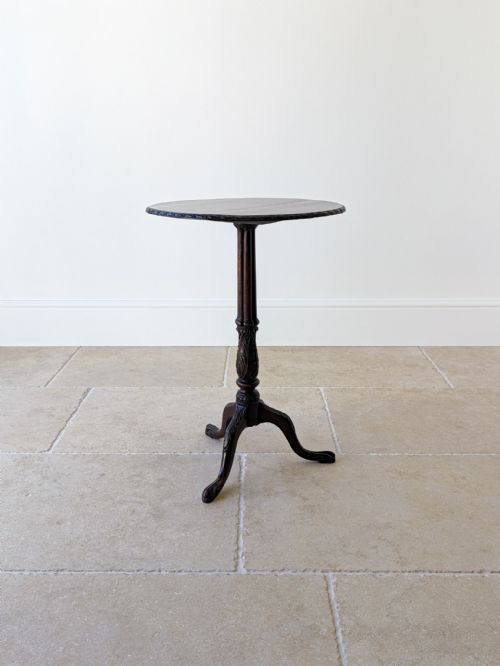
- A small occasional table supported by a single central pillar resting on three spreading feet. Many examples incorporate a tilt-top mechanism for convenient storage.
- Stretcher
- A horizontal wooden brace connecting the legs of a table or stool to provide structural rigidity. In Victorian work, these stretchers often feature central carvings or platforms.
Victorian Carved Leg Table: Frequently Asked Questions
How do I care for a wooden surface?
Maintain the timber by dusting regularly with a dry cloth and avoiding placement near direct heat sources or strong sunlight. Apply occasional appropriate wax polish to nourish the grain and preserve the finish.
Protect the top from moisture and extreme temperature changes by using coasters and placemats. Gentle maintenance ensures the original polish remains stable over decades of daily domestic use.
Were these tables used for dining?
Many larger examples function specifically as extending dining tables, often accommodating extra leaves for gatherings. Smaller formats served tea, card games, or general parlour use.
Console and side variants remained fixed against walls for display and serving purposes. Domestic spaces in the nineteenth century relied on versatile table designs tailored to specific rooms.
How can I identify a Victorian piece?
Examine the secondary timbers, construction methods, and hardware style to gauge the period of manufacture. Hand-cut dovetails, timber shrinkage patterns, and specific Victorian revival motifs offer reliable chronological clues.
Consult the recorded materials and leg profiles associated with nineteenth-century workshops. Subtle signs of hand tool work separate genuine period examples from later reproductions.
Where should I place an occasional table?
Occasional tables suit living rooms, hallways, and studies as surfaces for lamps, books, or decorative objects. Compact tripod and gateleg formats fit readily into corners or beside seating.
Consider clearance space around the carved legs to prevent obstruction in high-traffic corridors. Their versatile proportions allow easy integration into various room layouts.