





Victorian Carved Jewellery Box
These nineteenth-century pieces are practical containers crafted to hold personal treasures, and a buyer chooses a victorian carved jewellery box to bring historical craftsmanship into daily use.
Victorian Carved Jewellery Box
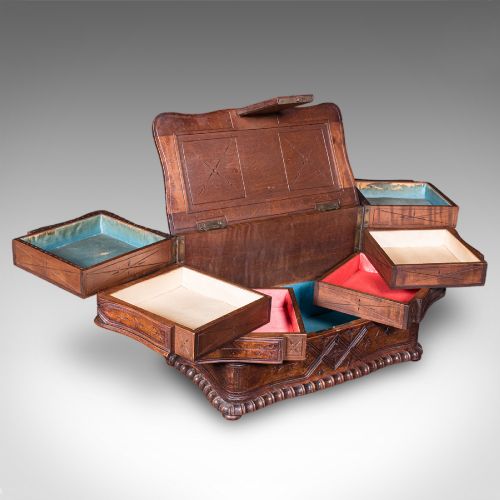
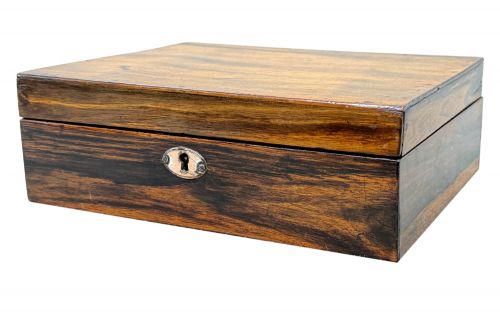
A victorian carved jewellery box encompasses timber caskets and table cabinets originating primarily from the nineteenth century and the Edwardian era. Buyers encounter various timber constructions, from walnut and mahogany to exotic woods like coromandel and sandalwood.
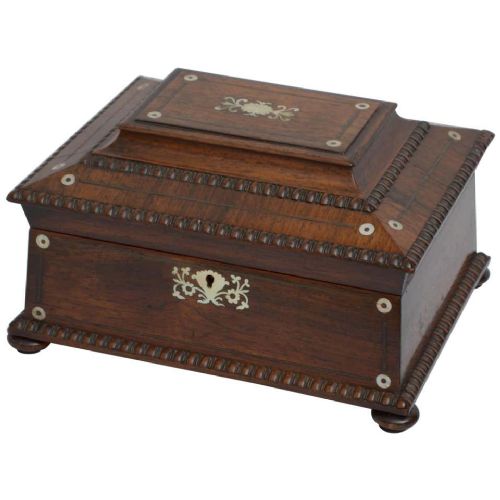
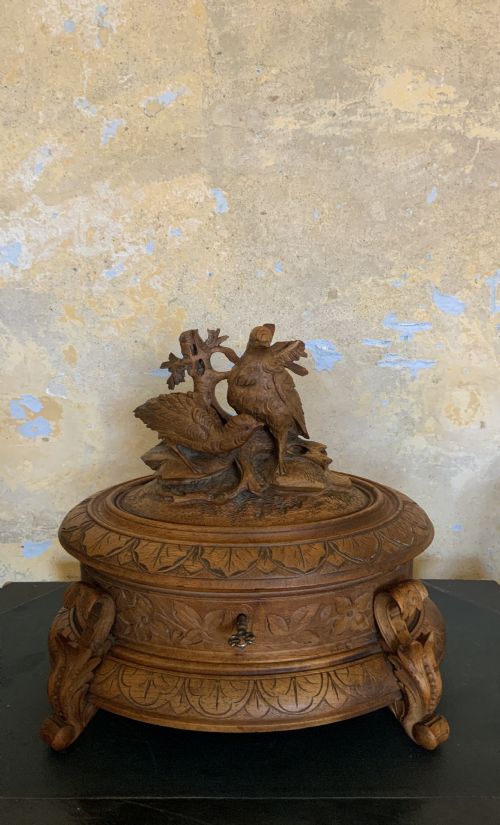
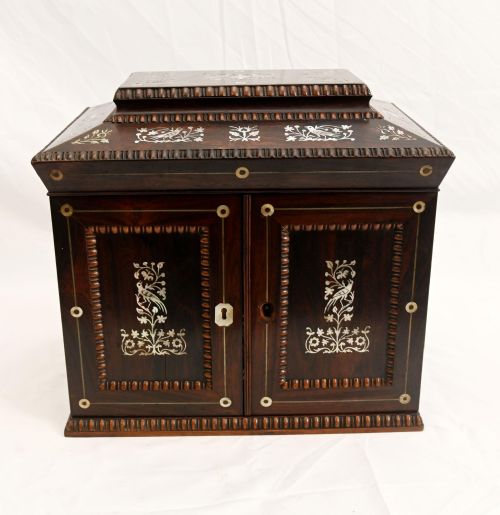
The selection ranges from European Black Forest and Gothic Revival styles to Anglo-Indian and folk art interpretations. Walnut and rosewood boxes with marquetry or mother-of-pearl inlays appear frequently among the listings.
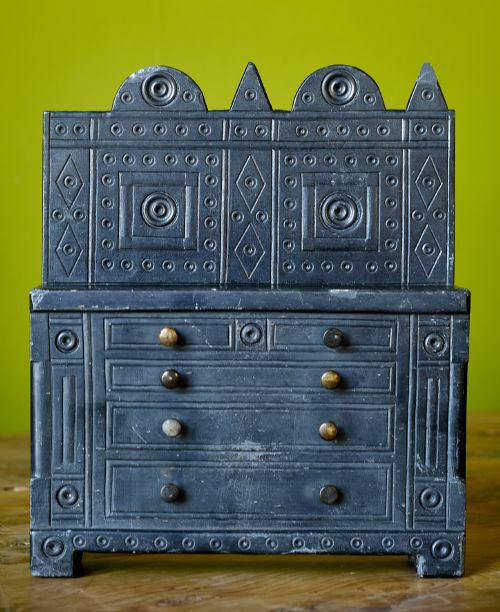
Table cabinets and miniature chests of drawers serve parallel functions to standard caskets, designed specifically for safekeeping rings, trinkets, and personal valuables. These forms reflect the diverse craftsmanship of period makers across England and beyond.
Materials and Techniques
Cabinet makers utilised dense hardwoods such as oak, mahogany, rosewood, and walnut as structural foundations for these boxes. Surface decoration frequently involved intricate hand carving, marquetry inlays, and applied brass or gilt-metal mounts.
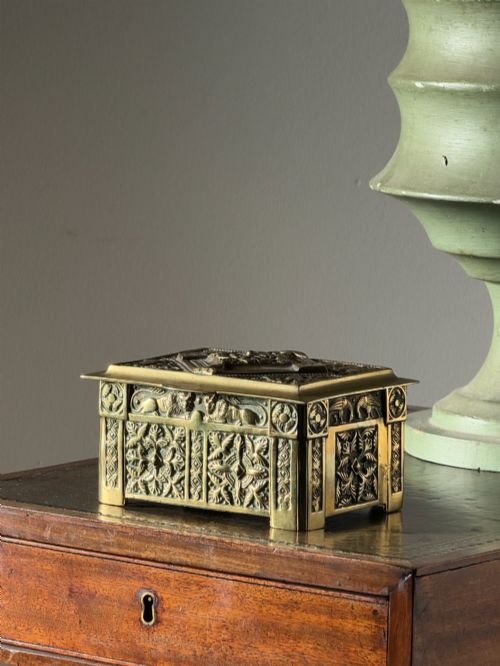
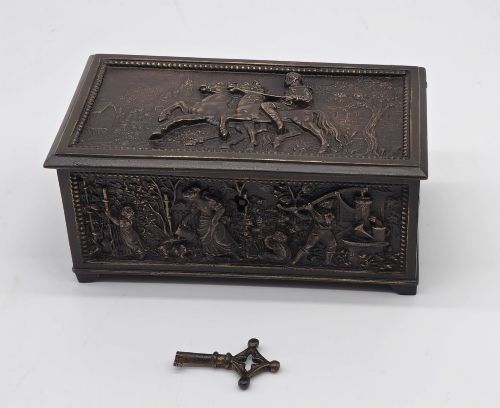
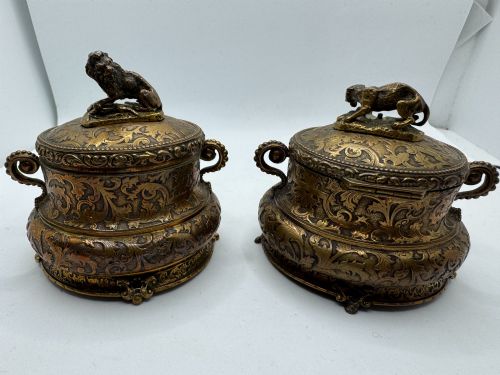
Specialised techniques include tramp art layering, porcupine quill work, and mosaic inlays seen in Tunbridge ware. Interior compartments were lined to protect delicate items, while metalwork caskets employed casting, silver plating, and electro-forming methods.
Victorian Carved Jewellery Box Retail Price Guide 2026
Typical asking prices for victorian carved jewellery box among the pieces listed under this phrase on Sellingantiques today, from the lower quarter to the upper quarter. They describe what is for sale here now, not the wider market.
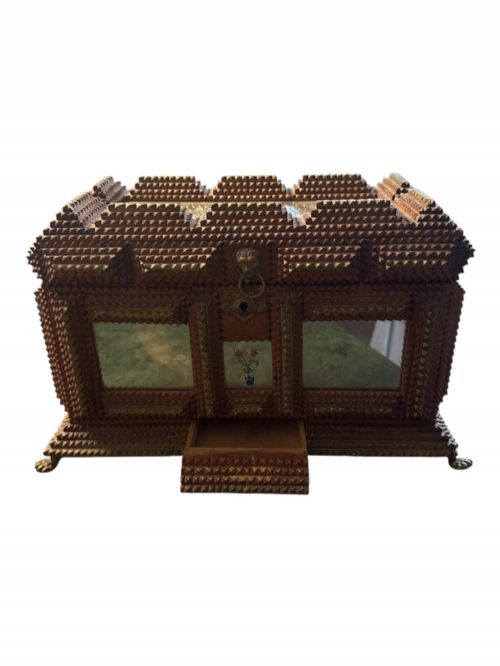
One sweet little tramp art box offers a charming study in patience, built entirely from chip-carved cigar boxes.
Distinctions in Execution
Quality separates through the precision of the timber joinery and the depth of the hand-carved detailing on surfaces like walnut and oak. Finely executed marquetry and well-fitted internal trays distinguish superior examples from standard production pieces.
The choice of materials, including solid coromandel, ebony, or intricate mother-of-pearl inlay, influences the distinction of a box. Superior hardware, such as original brass locks and dog finials, marks higher grade workmanship.
Walker and Hall
The Victorian Carved Jewellery Box Glossary
- Marquetry
- The art and craft of applying pieces of veneer to a structure to form decorative patterns. This technique defines many walnut and rosewood boxes on this page.
- Sarcophagus
- A box shape featuring a sloping lid reminiscent of an ancient stone coffin. Makers applied this classical form to rosewood and mahogany sewing and jewellery boxes.
- Tunbridge Ware
- Woodwork characterised by mosaic tile patterns made from multiple tiny pieces of naturally coloured wood. These intricate designs cover nineteenth-century surfaces.
- Tramp Art
- A form of folk art created by chipping, carving, and layering small pieces of scrap wood into geometric patterns. These boxes display rustic patience and texture.
- Black Forest
- A style of deeply carved wooden items originating from the German and Swiss mountain regions. These caskets often feature naturalistic animal and foliage motifs.
Victorian Carved Jewellery Box: Frequently Asked Questions
What woods were used for these boxes?
Makers utilised a wide range of timbers, including domestic oak and mahogany alongside exotic woods like coromandel, ebony, and sandalwood. Burr walnut and rosewood also appeared frequently for veneered surfaces.
Lighter secondary woods formed internal trays and partitions, while specialised items incorporated slate or porcupine quill.
How do I identify a Black Forest box?
Black Forest pieces are distinguished by deep, naturalistic hand carving depicting foliage, animals, or rural scenes. They are typically executed in walnut.
These caskets originated from European forest regions and emphasise sculptural three-dimensional ornamentation over flat veneer work.
Were these boxes only used for jewellery?
While primarily intended for jewellery, many examples served as work boxes, sewing chests, or collector cabinets. Internal compartments accommodated threads, needles, and personal trinkets.
Larger table cabinets and miniature chests of drawers held various small valuables and documents depending on the owner's needs.
How should I care for a antique wooden box?
Keep wooden boxes away from direct sunlight and extreme temperature fluctuations to prevent timber splitting and veneer lifting. Gentle dusting with a dry cloth preserves the polished surface.
Avoid excessive moisture and modern chemical polishes, relying instead on traditional wax where appropriate to nourish the historic wood.