
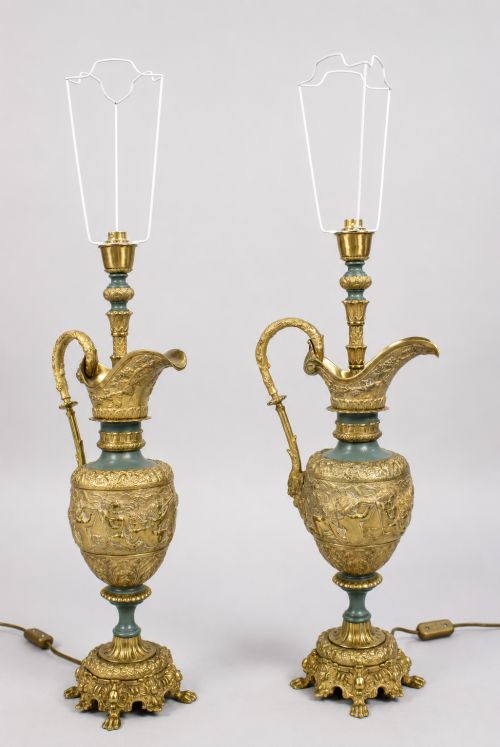
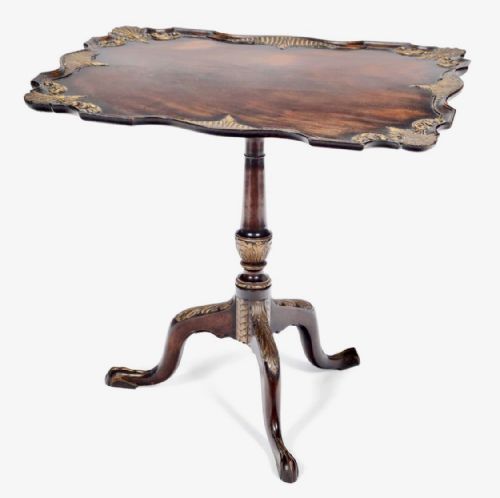
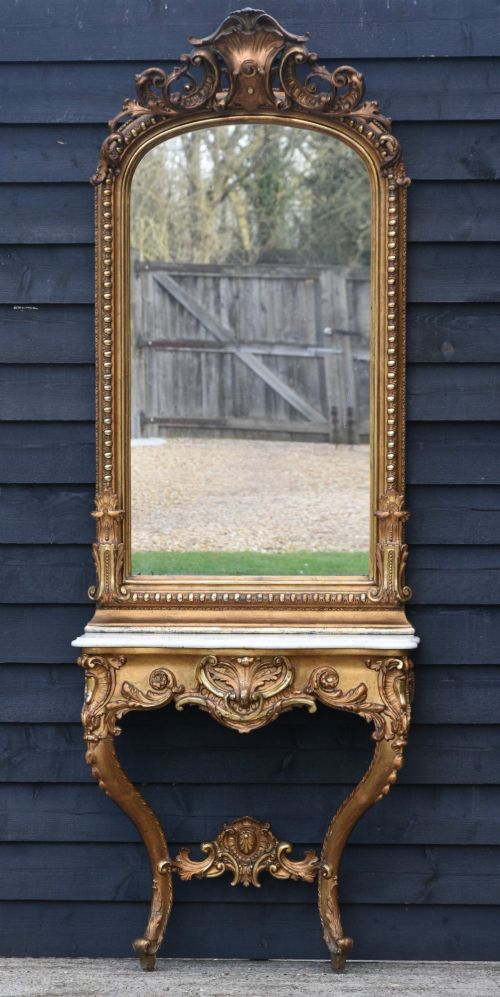
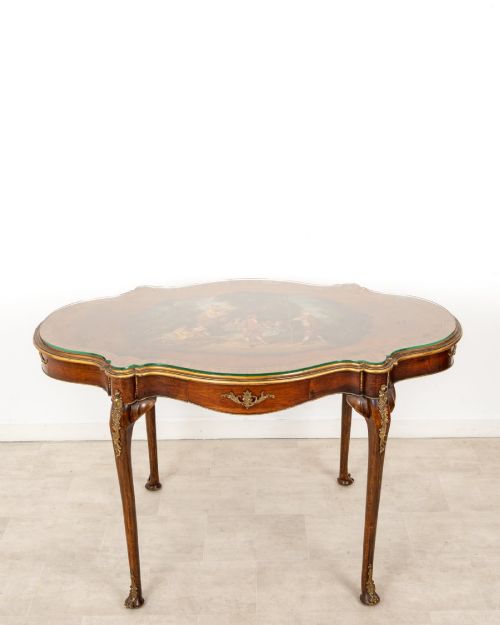
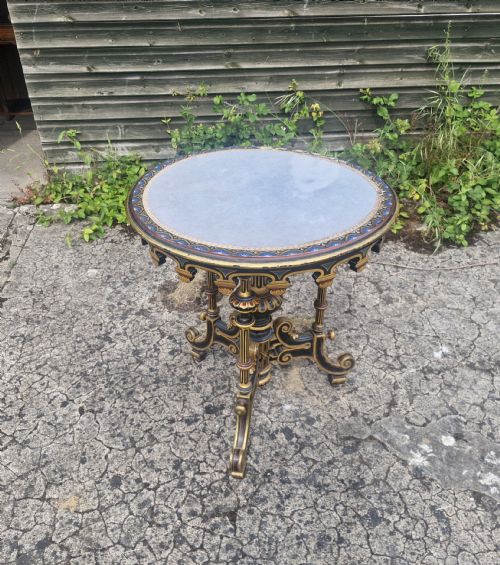


Victorian Carved Gilt Table
A victorian carved gilt table brings nineteenth-century drawing-room display into modern spaces through rich gilding and carved timber.
Victorian Carved Gilt Table
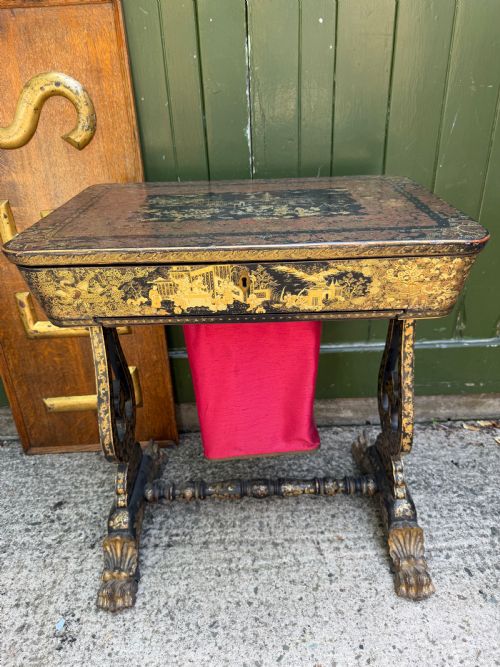
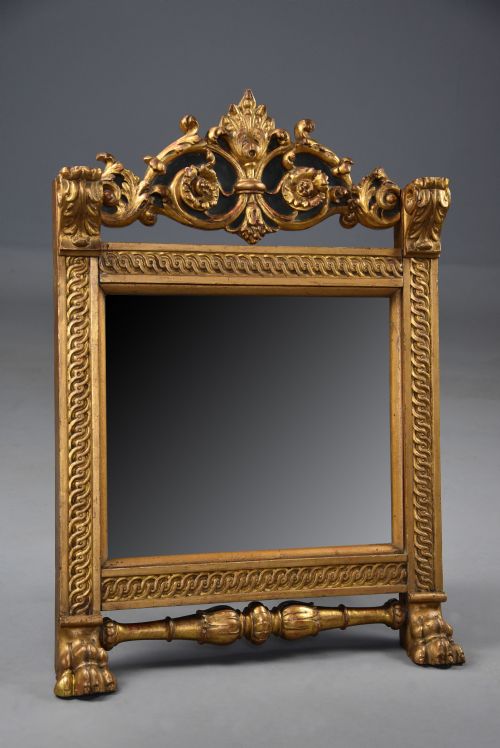
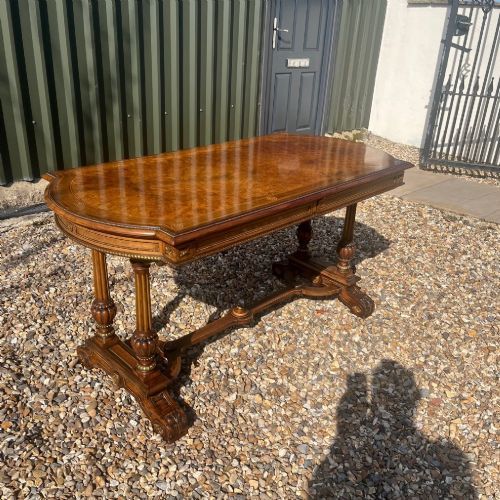
A victorian carved gilt table encompasses console tables, centre tables, and occasional tables produced during the nineteenth century. These pieces display the ornate carving and gilded finishes typical of Victorian craftsmanship.
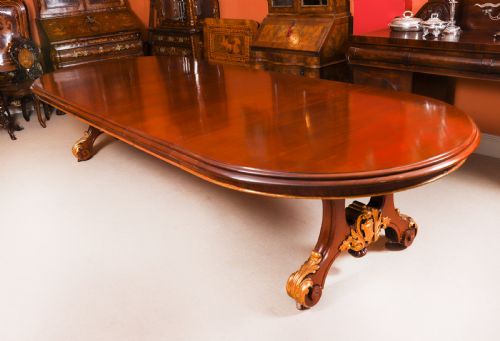
Buyers frequently encounter centre tables and console tables featuring walnut, mahogany, or oak structures enhanced with giltwood, ormolu mounts, and occasionally marble tops.
Originating largely from British and French workshops, these tables served formal display and social functions in nineteenth-century interiors.
Materials and Construction
Cabinetmakers utilised dense hardwoods such as walnut, burr walnut, and mahogany as the foundational frames for these tables, often applying elaborate carved details directly to the timber.
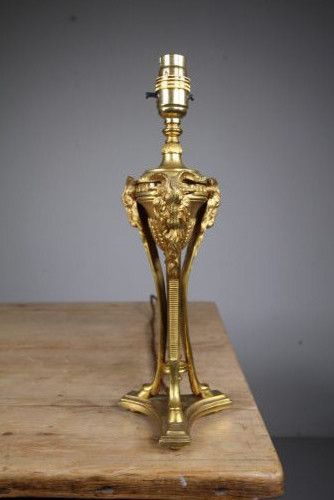
Gilding was achieved through gold leaf applied to gesso-coated timber surfaces or through cast ormolu and gilt bronze mounts secured to the primary wood structure.
Current listings feature nineteenth-century pieces incorporating walnut, burr walnut, mahogany, oak, ormolu, and marble across console, centre, and occasional table formats.
Assessing Craftsmanship
Quality rests upon the crispness of the hand-carved detail within the timber and the integrity of the original giltwood or ormolu surface.
The choice of primary timber, such as burr walnut or figured mahogany, alongside sophisticated marquetry inlay, separates standard production pieces from finer cabinet work.
Wylie and Lochead·Samuel Marti·Lamb of Manchester·Holland and Son
The Victorian Carved Gilt Table Glossary
- Giltwood
- Timber that has been coated with a thin layer of gold leaf over a prepared gesso base. This finish provides a bright metallic sheen to carved decorative elements.
- Ormolu
- Gilded bronze used for decorative mounts and fittings on nineteenth-century furniture. The technique involves applying a mercury and gold amalgam to cast bronze.
- Burr Walnut
- Timber taken from the abnormal growth of a walnut tree, yielding highly figured and swirling grain patterns. It was frequently used for veneering high-status Victorian tabletops.
- Console Table
- A table designed to stand against a wall, often supported by ornate brackets or carved legs rather than four freestanding posts.
- Marquetry
- Decorative veneer patterns formed by fitting together small pieces of various woods and other materials to create pictorial or geometric designs on tabletops.
Victorian Carved Gilt Table: Frequently Asked Questions
Where did these tables sit?
Console tables stood flat against drawing-room walls, often beneath mirrors, while centre tables occupied the middle of formal reception rooms for display.
Smaller occasional tables moved easily to hold lamps, clocks, or decorative items within the nineteenth-century interior.
Are marble tops original?
Many Victorian console and centre tables were fitted with white or coloured marble tops to provide a durable and decorative surface for heavy items.
Original marble slabs fit the wooden frame precisely and match the heavy proportions typical of the period.
How do I identify French pieces?
French tables frequently incorporate cast ormolu mounts, Vernis Martin finishes, or stylistic influences from the Rococo Revival and Louis XV revivals.
Cabinetmakers across France utilised rich veneers and elaborate gilt bronze hardware that distinguished their work from British productions.