
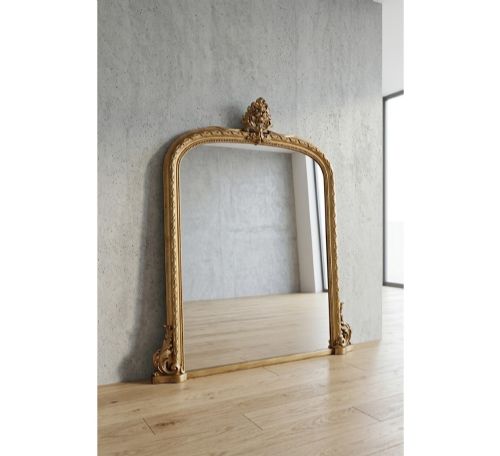
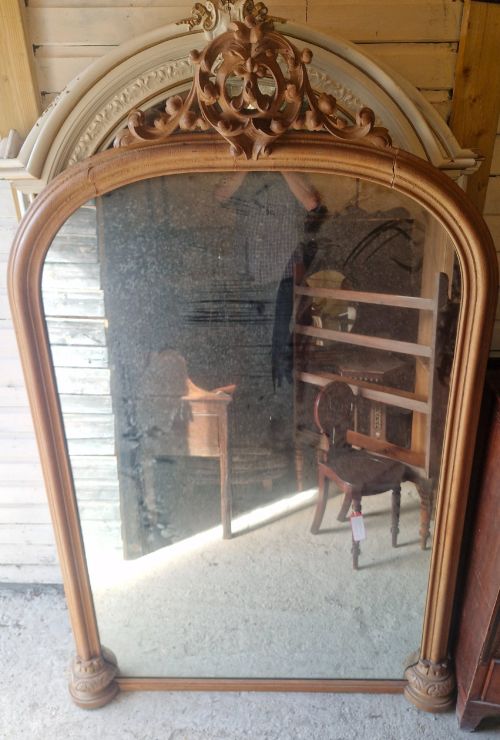
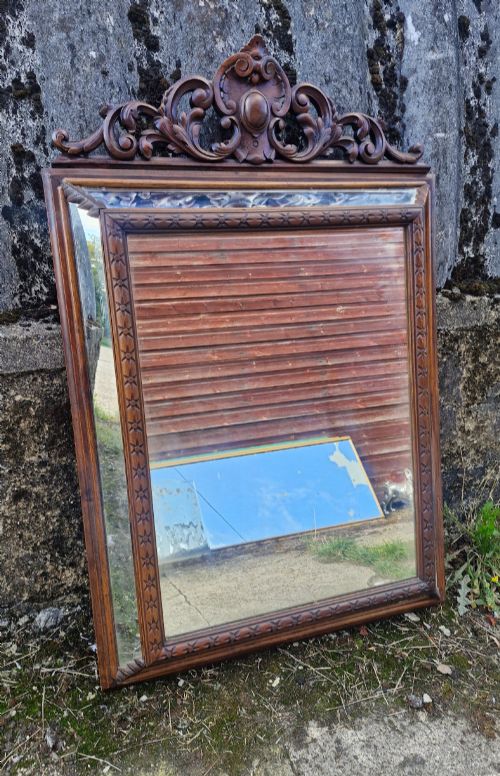
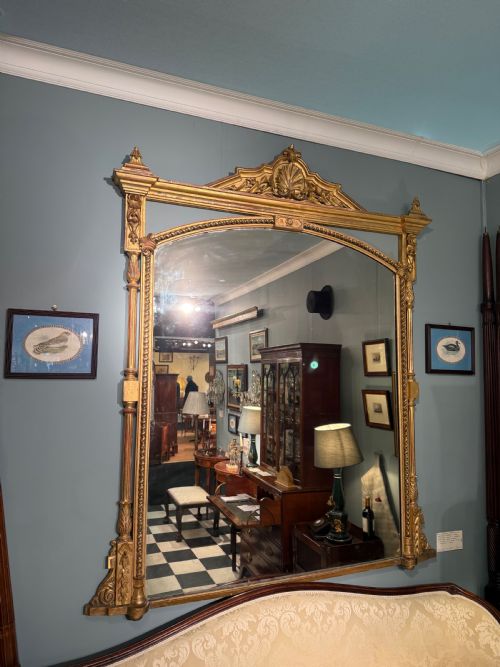
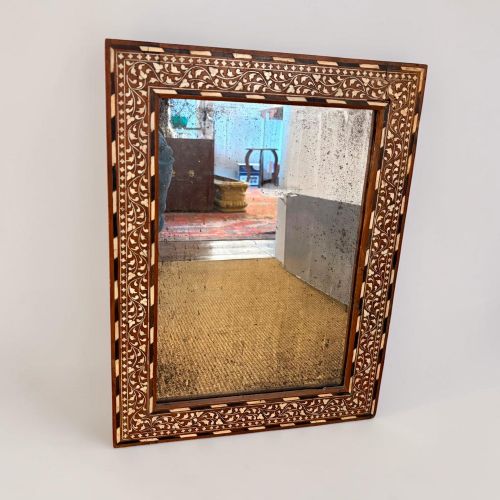
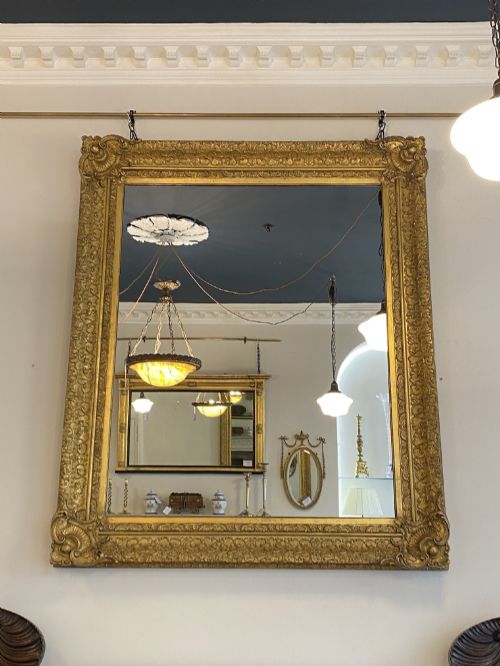
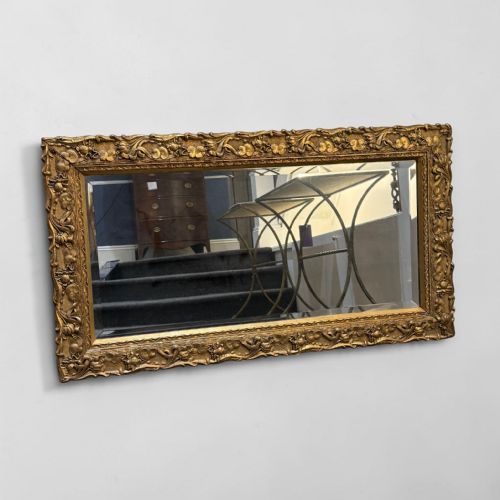
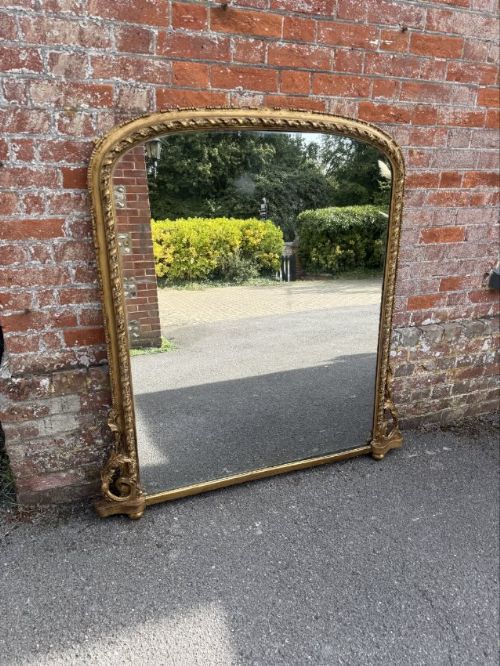
Victorian Carved Frame Mirror
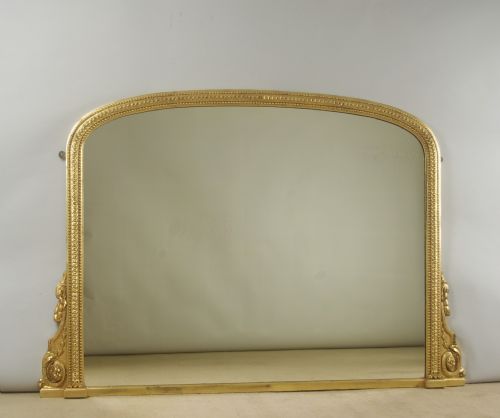
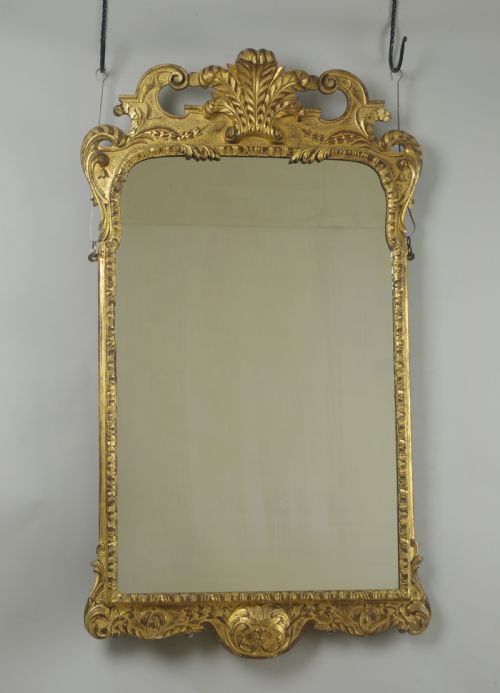
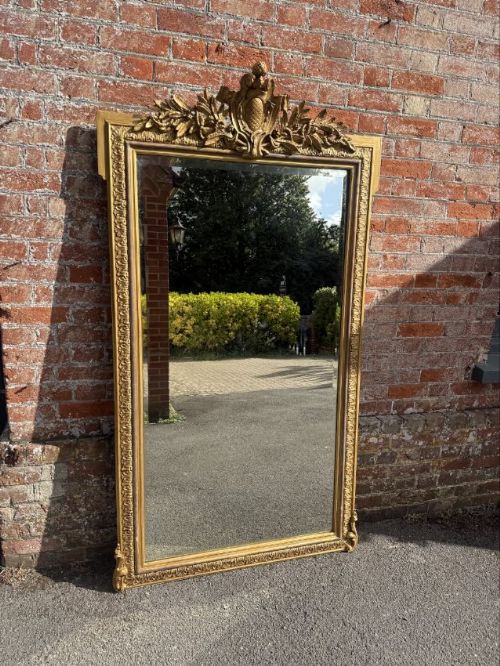
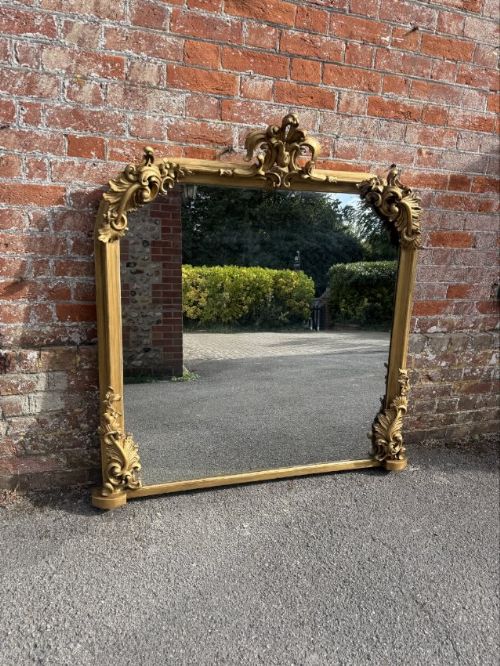
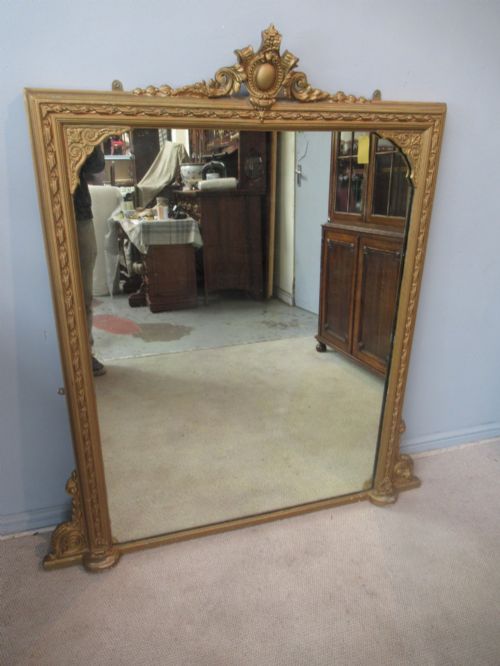
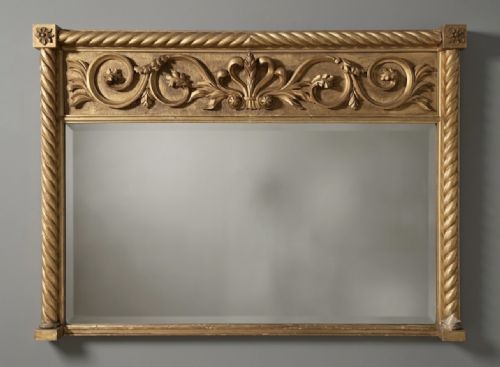
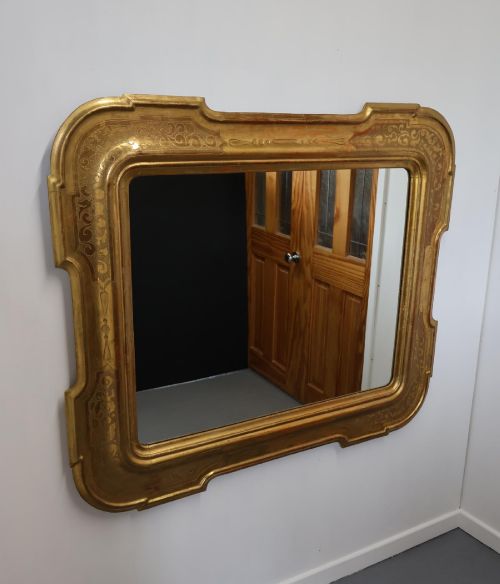
These pieces are a victorian carved frame mirror, offering the heavy presence of nineteenth-century woodwork and gilt gesso to anchor a room.
Victorian Carved Frame Mirror
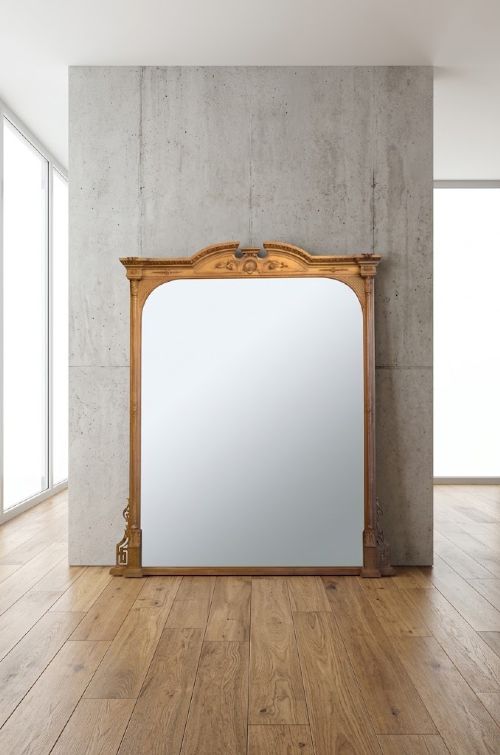
A buyer searching for a victorian carved frame mirror encounters substantial overmantels, wall mirrors, and dressing table glasses shaped across the nineteenth century. The most frequent versions on this page are large overmantel mirrors and architectural wall pieces rendered in oak, mahogany, or gilt gesso.
Origin points span English country houses and French workshops, utilising styles from Rococo Revival and French Renaissance Revival to plain country timbers. Pieces take rectangular, oval, or arched top forms designed to hang above mantelpieces or serve as floor-standing leaner mirrors.
Makers and workshops of the era produced these frames to command domestic interiors, utilising deep mouldings and substantial wooden grounds. The forms reflect both formal Victorian reception rooms and more vernacular oak-framed hallway mirrors.
Materials and Technique
Carvers shaped solid timbers including oak, mahogany, walnut, and beech, often applying layers of gesso to wooden carcases before gilding with gold leaf or paint. Giltwood and composition ornaments were built up to create deep relief motifs such as acanthus leaves, rope twists, and rose vines.
Glass plates were silvered and fitted into deep rebate frames, with some surviving examples displaying period foxing across the mirror plate. Joinery combined traditional pegged joints in heavy oak frames with pinned compa-work on ornate gilded overmantels.
Some nineteenth-century oak mirrors carry secret Masonic symbols carved into the crests for those who know where to look.
Defining Quality
Depth of carving and crispness of the gesso detail separate standard output from exceptional workshop pieces, where hand-tooled leaf work and undercut foliage retain sharp edges. The weight and grade of the timber ground dictate the structural integrity of large overmantels.
Originality of the glass plate and the retention of primary gilding determine the historical value of a frame, alongside the complexity of revival styles such as Florentine or Rococo moulding.
The Victorian Carved Frame Mirror Glossary
- Gesso
- A plaster-based material applied to wood frames to provide a smooth surface for gilding or painting. It accepts deep moulding and fine incision work.
- Overmantel
- A large mirror specifically proportioned to hang on the wall directly above a fireplace mantel. These often feature architectural columns or arched tops.
- Girandole
- An ornamental wall mirror fitted with attached candle sconces or arms. The reflective glass amplifies candlelight within the room.
- Pier Glass
- A tall mirror designed to hang on the narrow section of wall between two windows. They frequently match console tables placed below them.
- Foxing
- Age-related spots and discolouration within the silvering of a mirror plate. It appears as dark clouding caused by oxidation over decades.
Victorian Carved Frame Mirror: Frequently Asked Questions
How do I hang a heavy overmantel mirror?
Heavy overmantels require professional wall fixing directly into masonry or substantial timber studs using heavy-duty brackets. Because these nineteenth-century frames carry considerable weight from wood and gesso, wire alone is insufficient.
Lower the mirror carefully onto load-bearing fixings that distribute the downward pressure evenly across the structure of the wall. Ensure the frame rests securely on its base supports if placed above a mantel shelf.
Are the mirror plates original?
Many nineteenth-century frames retain their original glass, which often exhibits characteristic minor distortions, tiny bubbles, or light foxing spots. These natural signs of ageing confirm the period authenticity of the glass.
Replacement plates appear cleaner and flatter, lacking the soft reflection and surface patina found on period mercury or early silvered glass. Examine the backboards and mirror seating to see if the glass has been secured with old glazier points.
How should I clean a giltwood frame?
Dust giltwood and gesso surfaces gently using a very soft, dry brush or feather duster without applying pressure. Moisture can soften traditional water gilding and cause the gesso to lift from the wood base.
Avoid commercial cleaning sprays, polishes, or cloths that might catch on delicate carved details like acanthus leaves or rope twists. Professional conservation cleaning is recommended if the gold leaf shows signs of flaking.